Vegan Protein Sources: 10 Complete, High-Protein Foods
Boost your plant-based diet with these top 10 vegan protein sources packed with complete amino acids and essential nutrients.
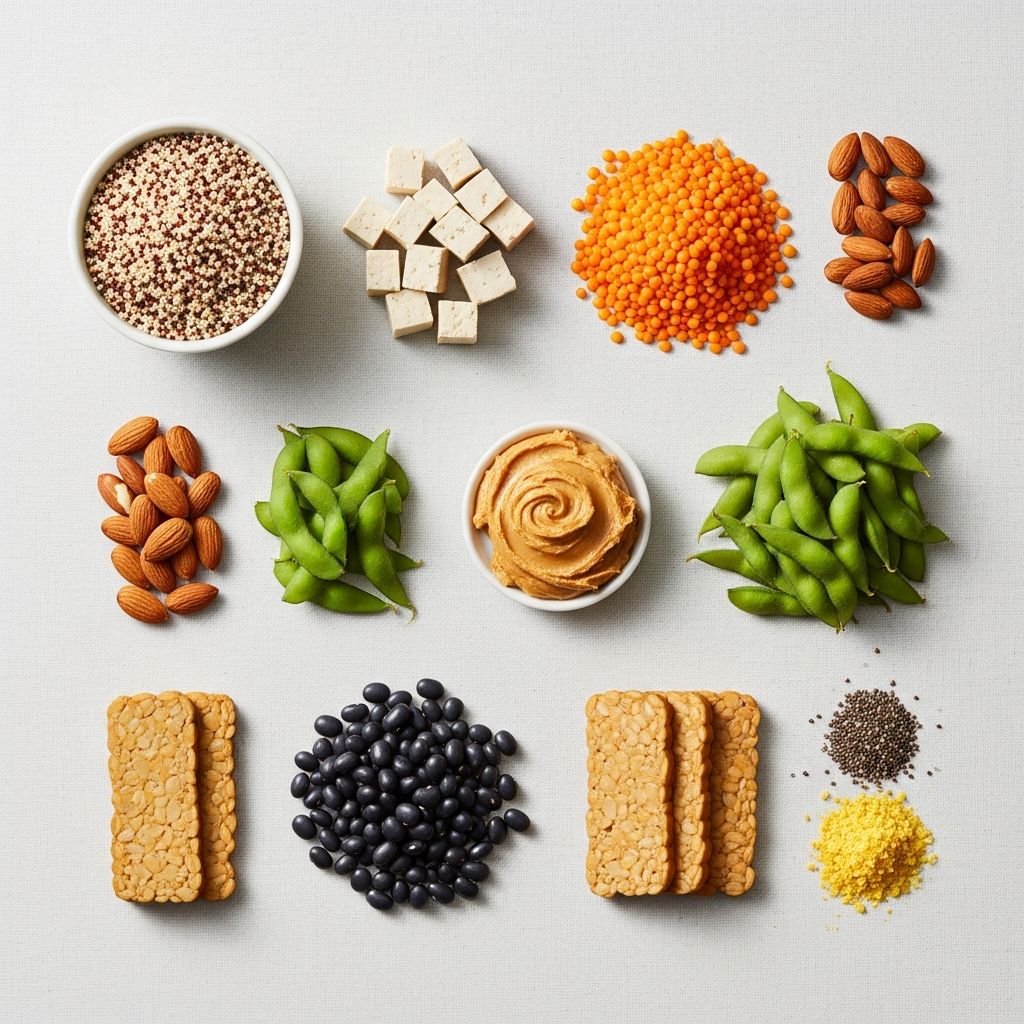
Protein is essential for building and repairing tissues, supporting immune function, and maintaining muscle mass. While animal products have long been considered prime protein sources, plant-based proteins can be just as effective—especially when you know which foods to choose. For vegans, vegetarians, or anyone reducing animal product consumption, finding high-quality vegan protein sources is crucial.
This comprehensive guide explores the 10 best vegan protein sources, ranked by protein density, amino acid completeness, nutrient profile, and versatility in cooking. Each entry includes detailed nutritional breakdowns, health benefits backed by science, practical tips, and mouthwatering recipe ideas. Whether you’re a seasoned vegan or just plant-curious, these powerhouse foods will help you meet your protein goals deliciously.
1. Seitan
Seitan, often called “wheat meat,” tops our list as the highest-protein vegan food by weight. Made from vital wheat gluten, it boasts an impressive 25 grams of protein per 3-ounce (85g) serving—rivaling chicken breast. Its chewy, meat-like texture makes it a favorite for vegan meat substitutes.
Seitan shines because it provides all nine essential amino acids, qualifying as a complete protein. It’s naturally low in fat and carbohydrates, making it ideal for high-protein, low-calorie diets. A study published in the Journal of the International Society of Sports Nutrition found that wheat gluten protein supports muscle protein synthesis comparably to whey protein when consumed post-workout.
- Protein: 25g per 3oz serving
- Calories: 120
- Key Nutrients: Selenium (high), iron, low fat
- Best Uses: Stir-fries, sandwiches, BBQ skewers
Recipe Idea: Homemade Seitan Satay – Marinate seitan strips in coconut milk, curry powder, and tamari, then grill and serve with peanut dipping sauce. Ready in 30 minutes!
2. Tofu
Tofu, the versatile soybean curd, delivers 10 grams of protein per ½-cup (124g) serving. Available in firm, extra-firm, silken, and smoked varieties, tofu absorbs flavors beautifully while providing bioavailable protein and calcium (especially when calcium-set).
Soy protein is one of the few complete plant proteins recognized by the FDA for heart health benefits. Research from the American Journal of Clinical Nutrition shows soy protein can lower LDL cholesterol by 3-4% when replacing animal protein. Tofu also contains isoflavones, antioxidants linked to reduced menopause symptoms and bone health.
| Tofu Type | Protein (½ cup) | Best For |
|---|---|---|
| Firm | 10g | Stir-fries, grilling |
| Silken | 6g | Smoothies, desserts |
| Smoked | 12g | Salads, sandwiches |
Quick Tip: Press firm tofu between towels with a heavy pan for 20 minutes to achieve crispy results when pan-frying.
3. Lentils
Lentils offer 18 grams of protein per cooked cup (198g) at just 230 calories. These legumes come in green, brown, red, and black varieties, each with unique cooking times and flavors. They’re budget-friendly, shelf-stable, and incredibly versatile.
Rich in fiber (16g per cup), folate, and iron, lentils support digestive health, prevent anemia, and stabilize blood sugar. The Journal of Nutrition reports that lentil consumption improves gut microbiota diversity, enhancing overall metabolic health. Red lentils cook in 15 minutes, perfect for weeknight meals.
Related Stories



- Green/Brown: Hold shape for salads, soups (25-40 min cook)
- Red: Creamy texture for dals, curries (15 min cook)
- Black (Beluga): Caviar-like for upscale dishes
4. Tempeh
Tempeh, fermented soybeans pressed into a nutty cake, provides 19 grams of protein per 3-ounce serving. The fermentation process enhances digestibility, reduces phytic acid, and boosts vitamin B12 production—rare for plant foods.
Studies in Food Microbiology confirm tempeh’s probiotic benefits improve gut health and mineral absorption. Its firm texture and smoky flavor make it perfect for crumbling into tacos, slicing for sandwiches, or marinating as “bacon.” Look for organic tempeh without added grains for maximum protein.
5. Edamame
Edamame—young, tender soybeans in the pod—delivers 17 grams of protein per cooked cup (155g). Enjoy them steamed as a snack, shelled in salads, or pureed into hummus. High in vitamin K, folate, and heart-healthy fats, edamame supports bone health and reduces inflammation.
The Journal of the American Heart Association links regular edamame consumption to 15% lower cardiovascular risk. Pro tip: Buy frozen edamame—it’s flash-frozen at peak freshness and cooks in 3-5 minutes.
6. Quinoa
Quinoa, the ancient pseudocereal, offers 8 grams of protein per cooked cup (185g) as a complete protein with all essential amino acids. Its nutty flavor and fluffy texture make it a rice replacement superstar.
Exceptional in magnesium (30% DV), quinoa supports migraine prevention and blood pressure regulation per Current Developments in Nutrition. Rinse thoroughly before cooking to remove bitter saponins. Try the tri-color mix for visual appeal in grain bowls.
7. Black Beans
Black beans pack 15 grams of protein per cooked cup (172g) alongside 15g fiber. These antioxidants-rich legumes protect against cancer and support colon health. Research from Nutrients shows black bean consumption improves insulin sensitivity.
8. Nutritional Yeast
This cheesy-flavored inactive yeast provides 8 grams of protein per 2 tablespoons plus B-complex vitamins (often fortified with B12). Sprinkle on popcorn, pasta, or use in vegan cheese sauces.
9. Hemp Seeds
Hemp seeds deliver 10 grams of protein per 3 tablespoons with optimal omega-3:6 ratio. Blend into smoothies or sprinkle on salads for complete protein and heart health benefits.
10. Chickpeas
Chickpeas offer 15 grams of protein per cooked cup (164g). Roast for snacks, blend into hummus, or simmer in curries. High in manganese and folate.
Building Complete Proteins
While seitan, quinoa, soy, and amaranth provide complete proteins alone, complementary combinations like beans + rice or hummus + pita create complete profiles. The Academy of Nutrition and Dietetics confirms well-planned vegan diets meet protein needs easily.
Sample High-Protein Vegan Day
- Breakfast: Tofu scramble with spinach (20g)
- Lunch: Lentil-quinoa bowl (25g)
- Dinner: Tempeh stir-fry (25g)
- Snacks: Edamame + hemp seeds (20g)
- Total: ~90g protein
Frequently Asked Questions
Can you build muscle on a vegan diet?
Absolutely. Studies in Sports Medicine show plant proteins support muscle gains equally when total protein and leucine intake match animal sources.
How much protein do vegans need daily?
0.8g per kg body weight (RDA), or 1.2-2.0g/kg for athletes. Most exceed this easily with whole foods.
Are vegan protein powders necessary?
Not if eating diverse whole foods. Use as convenience, choosing pea/rice blends for complete profiles.
References
- Position of the Academy of Nutrition and Dietetics: Vegetarian Diets — Academy of Nutrition and Dietetics. 2016-12-01. https://www.jandonline.org/article/S2212-2672(16)31192-3/fulltext
- Soy Protein and Serum Lipids — Anderson JW et al., American Journal of Clinical Nutrition. 1995-10-01. https://doi.org/10.1093/ajcn/62.4.711
- Effects of Tempeh Fermentation — Nout MJR, Food Microbiology. 1986. https://doi.org/10.1016/0740-0020(86)90025-5
- Legume Consumption and CVD Risk — Becerra-Tomás N et al., Journal of the American Heart Association. 2019-11-05. https://doi.org/10.1161/JAHA.119.012091
- Plant vs. Animal Protein for Muscle — Hevia-Larraín V et al., Sports Medicine. 2021-04-01. https://doi.org/10.1007/s40279-020-01307-1
Similar Articles








Read full bio of Sneha Tete