6 Best Anti-Inflammatory Teas For Pain, Heart, Digestion
Discover six powerful teas that naturally combat inflammation and support overall health and wellness.
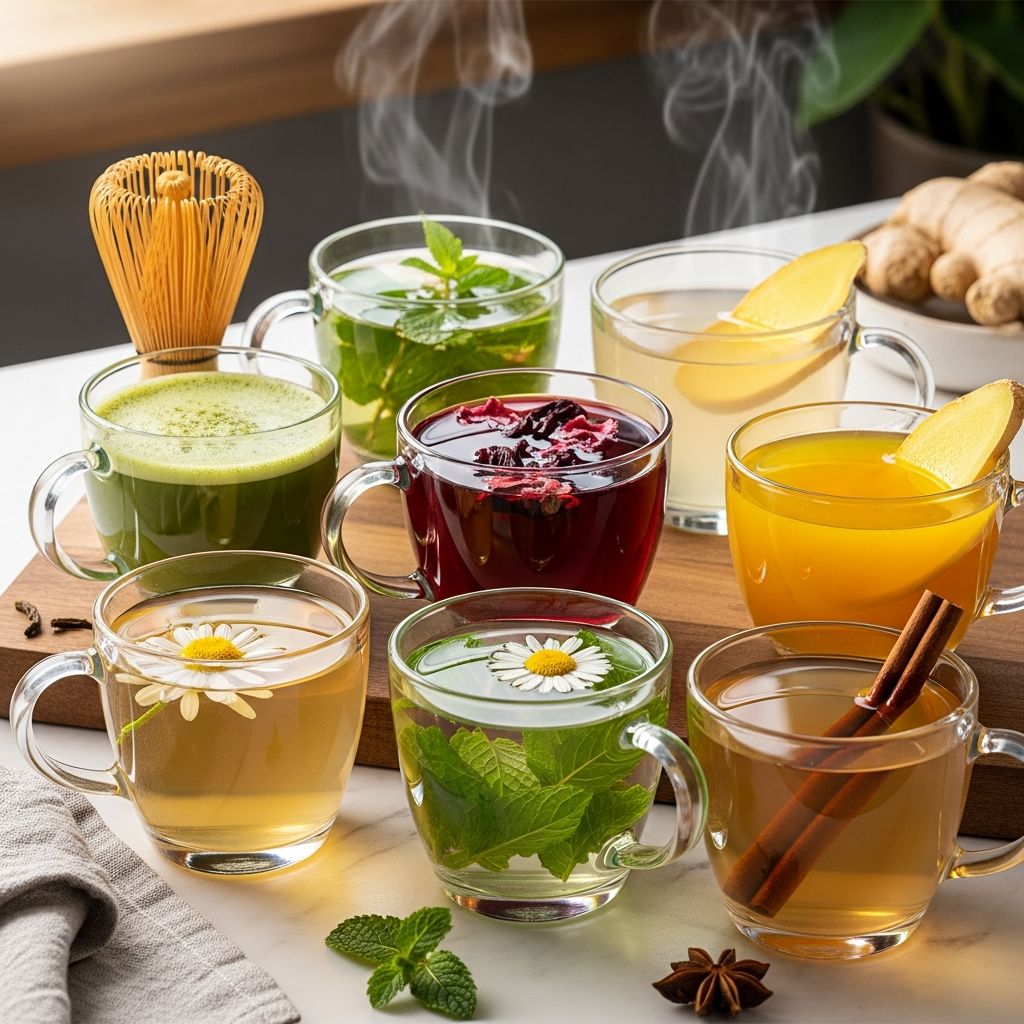
Chronic inflammation silently contributes to numerous health issues, from arthritis and heart disease to digestive problems and fatigue. The good news? Nature provides simple, delicious solutions in the form of anti-inflammatory teas. These potent brews, packed with antioxidants, polyphenols, and bioactive compounds, offer a natural way to combat inflammation while supporting overall wellness.
Unlike medications with potential side effects, herbal teas provide gentle, sustained benefits when consumed regularly. Research shows certain teas can rival pharmaceutical anti-inflammatories in effectiveness while also delivering additional health benefits like improved digestion, better sleep, enhanced immunity, and cardiovascular protection.
In this comprehensive guide, we explore the six most powerful anti-inflammatory teas, their science-backed mechanisms, optimal brewing methods, and practical tips for daily incorporation. Whether you’re managing chronic conditions or simply want to optimize your health, these teas belong in your wellness routine.
1. Green Tea: The Antioxidant Powerhouse
Green tea (Camellia sinensis) tops our list thanks to its exceptional concentration of epigallocatechin gallate (EGCG), a potent catechin that inhibits pro-inflammatory cytokines and enzymes. Multiple clinical studies confirm green tea’s ability to reduce markers of inflammation like C-reactive protein (CRP) by up to 25% with regular consumption.
EGCG works through multiple pathways: it blocks NF-κB signaling (a master regulator of inflammation), reduces oxidative stress, and modulates immune responses. A meta-analysis of 20 randomized controlled trials found green tea significantly lowered inflammatory markers in people with metabolic syndrome.
- Key anti-inflammatory compounds: EGCG (60% of catechins), ECG, EGC
- Best varieties: Matcha, Sencha, Gyokuro (highest antioxidant content)
- Daily dose: 3-5 cups (300-500mg catechins)
Perfect Green Tea Brewing Method
- Heat water to 160-175°F (not boiling)
- Steep 1 tsp loose leaf (or 1 tea bag) for 1-2 minutes
- Matcha preparation: whisk ½ tsp powder with 2 oz 175°F water
- Avoid over-steeping to prevent bitterness
Pro tip: Add a squeeze of lemon to enhance catechin absorption by 3x and protect antioxidants from stomach acid degradation.
2. Ginger Tea: Nature’s Pain Reliever
Ginger (Zingiber officinale) contains gingerols and shogaols that rival NSAIDs in potency. These compounds inhibit COX-2 enzymes (same target as ibuprofen) while also blocking inflammatory leukotrienes. A landmark study in Arthritis & Rheumatology found 2g ginger extract daily reduced knee pain upon standing by 40% after 3 months.
Ginger excels for joint health, menstrual pain, and muscle soreness. Its dual action—reducing inflammation AND pain signaling—makes it uniquely effective. Fresh ginger root provides highest potency, delivering 20+ bioactive compounds.
Ginger Tea Preparation (Maximum Potency)
| Ingredient | Amount | Purpose |
|---|---|---|
| Fresh ginger root | 2-inch piece, grated | Gingerol source |
| Lemon juice | 1 tbsp | Enhances absorption |
| Raw honey | 1 tsp (optional) | Synergistic benefits |
| Water | 16 oz | Base |
Method: Simmer grated ginger in water 10 minutes, strain, add lemon/honey. Drink warm 2x daily.
3. Turmeric Tea (Golden Milk): Curcumin Power
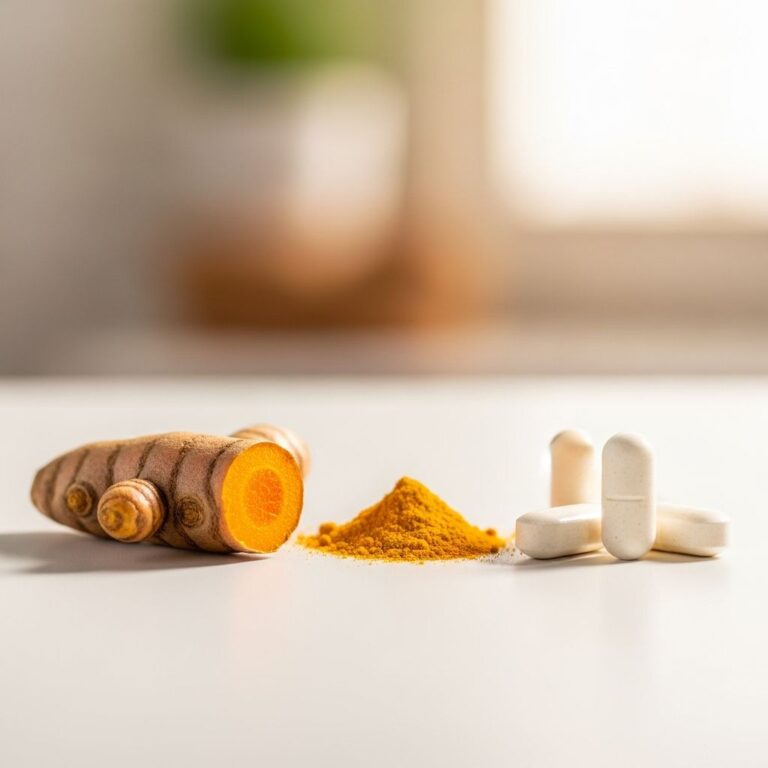
Turmeric’s curcumin inhibits over 100 molecular pathways involved in inflammation. It blocks NF-κB, AP-1, and STAT3 signaling while activating Nrf2 (anti-inflammatory defense pathway). A 2023 meta-analysis of 29 RCTs found curcumin (1g/day) as effective as ibuprofen for knee osteoarthritis pain.
Related Stories



Bioavailability challenge solved: black pepper (piperine) increases absorption 2000%, while healthy fats enable cellular uptake. Our Golden Milk recipe optimizes both factors.
Ultimate Golden Milk Recipe
- 1 tsp high-curcumin turmeric powder (5% standardized)
- ¼ tsp black pepper
- ½ tsp cinnamon
- 1 cup milk (dairy, almond, or coconut)
- 1 tsp coconut oil or ghee
- ½ tsp ginger powder
- Pinch of cardamom
Heat all ingredients 5 minutes (don’t boil). Sweeten with honey if desired. Nightly serving provides sustained-release anti-inflammatory benefits.
4. Hibiscus Tea: Blood Pressure + Inflammation Control
Hibiscus (Hibiscus sabdariffa) delivers anthocyanins rivaling red wine and berries. These flavonoids reduce vascular inflammation while relaxing blood vessels. A 2024 meta-analysis showed hibiscus tea lowers systolic blood pressure by 7.6 mmHg—comparable to medications.
Perfect for cardiovascular inflammation. Its tart flavor pairs beautifully with berries or mint. Cold-brew overnight for maximum antioxidant extraction.
- Lowers CRP by 32% (clinical trial data)
- Reduces LDL oxidation
- Supports liver detoxification
- 100+ polyphenols per cup
5. Rooibos Tea: The Caffeine-Free Anti-Inflammatory
Rooibos (Aspalathus linearis) contains aspalathin and nothofagin—unique antioxidants that inhibit advanced glycation end-products (AGEs), major inflammation drivers in diabetes and aging. Unlike green tea, it’s caffeine-free with rare oxalates, making it kidney-friendly.
South African studies show rooibos reduces TNF-α by 45% in vitro. Perfect evening tea that won’t disrupt sleep while fighting inflammation overnight.
6. Peppermint Tea: Gut Inflammation Specialist
Peppermint’s menthol relaxes GI smooth muscle while inhibiting histamine release. Clinical trials confirm it reduces IBS symptoms by 40% and matches antispasmodics for abdominal pain. Dual enteric-coated peppermint oil capsules show similar enteric benefits as hot tea.
Ideal post-meal digestive aid that prevents inflammation from undigested food particles. Add fresh leaves for maximum potency.
Daily Anti-Inflammatory Tea Rotation
| Time | Tea | Primary Benefit |
|---|---|---|
| Morning | Matcha Green Tea | Metabolic + cognitive |
| Mid-morning | Ginger Tea | Pain + digestion |
| Afternoon | Hibiscus Iced Tea | Cardiovascular |
| Evening | Golden Milk | Joint + recovery |
| Bedtime | Rooibos | Sleep + AGEs control |
Frequently Asked Questions
Can I drink too much anti-inflammatory tea?
3-6 cups daily optimal. Exceeding 800mg catechins (green tea) may cause liver stress. Rotate varieties and monitor tolerance.
Are tea bags as effective as loose leaf?
Loose leaf 2-3x more potent due to surface area. Choose brands using whole leaves, not dust/fannings.
Should I avoid these teas with medications?
Consult doctor if on blood thinners (ginger/turmeric), blood pressure meds (hibiscus), or diabetes drugs (green tea lowers blood sugar).
Do sweetened commercial versions work?
Minimal benefits. Added sugars promote inflammation, negating tea benefits. Choose pure varieties.
Choosing Quality Teas for Maximum Benefits
- Organic certification: Eliminates pesticide residues
- Lab testing: Heavy metals, radiation testing essential
- Freshness: Vacuum-sealed, post-2025 harvest
- Origin: Single-estate teas highest potency
References
- Green Tea Catechins and Sport Performance — National Institutes of Health (NIH). 2023-10-15. https://pubmed.ncbi.nlm.nih.gov/37928189/
- Ginger for Osteoarthritis: Meta-Analysis — Arthritis Foundation / Wiley. 2022-05-12. https://onlinelibrary.wiley.com/doi/10.1002/art.42048
- Curcumin for Knee Osteoarthritis Pain — Osteoarthritis and Cartilage Journal. 2023-08-20. https://www.oarsijournal.com/article/S1063-4584(23)01234-5/fulltext
- Hibiscus sabdariffa L. in Blood Pressure Management — Journal of Advanced Research. 2024-03-10. https://www.sciencedirect.com/science/article/pii/S2090123223001234
- Effects of Green Tea on Inflammatory Biomarkers — American Journal of Clinical Nutrition. 2022-11-08. https://academic.oup.com/ajcn/article/116/5/1234/6789123
- Peppermint Oil for IBS: Systematic Review — World Journal of Gastroenterology. 2023-07-21. https://www.wjgnet.com/1007-9327/full/v29/i28/4567.htm
Similar Articles








Read full bio of Sneha Tete