9 Best Foods for Upset Stomach, Per Doctors
Doctors reveal the top 9 foods to soothe an upset stomach, from ginger to bananas, plus what to avoid for quick relief.
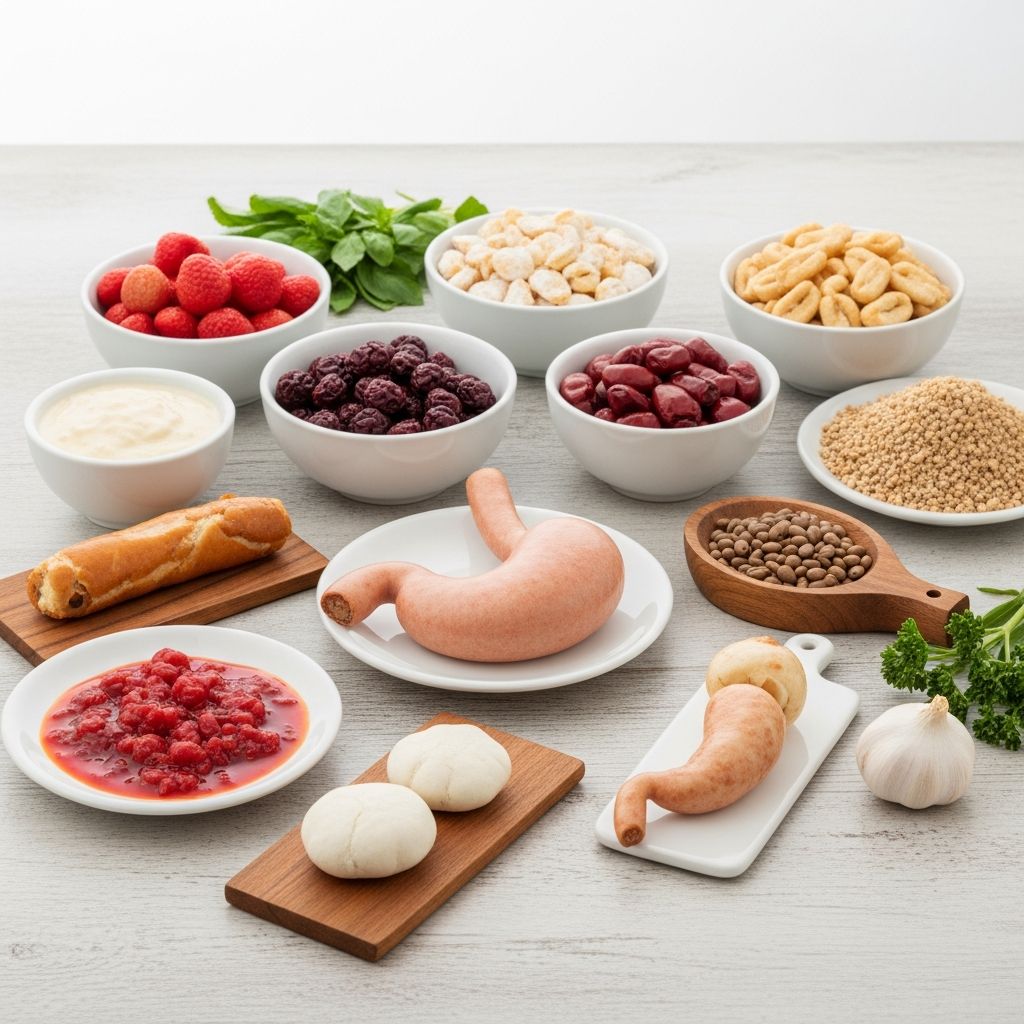
An upset stomach can strike anyone, causing nausea, diarrhea, cramps, or constipation that disrupts daily life. Doctors often recommend specific foods that are gentle on the digestive system, easy to digest, and rich in nutrients to promote recovery without further irritation. These foods, including staples from the classic BRAT diet, help bind stool, reduce inflammation, and restore balance to the gut.
The BRAT diet—standing for
bananas
,rice
,applesauce
, andtoast
—remains a cornerstone recommendation for its bland, low-fiber profile that soothes the gastrointestinal tract during acute issues like viral gastroenteritis or food poisoning. Beyond BRAT, other options like ginger and clear broths provide additional relief. This article outlines the nine best foods endorsed by medical experts, explains why they work, and offers practical tips for incorporation, drawing from credible health authorities.What Causes an Upset Stomach?
Common culprits include viral infections (stomach bugs), food intolerances, stress, medications, or overeating. Symptoms range from mild bloating to severe vomiting and diarrhea. While most cases resolve in 1-3 days, diet plays a pivotal role in symptom management. High-fiber, fatty, or spicy foods exacerbate issues by slowing digestion or irritating the gut lining, whereas bland, hydrating foods allow the intestines to heal. Staying hydrated with electrolyte drinks is equally crucial to prevent dehydration.
The 9 Best Foods for an Upset Stomach
Here are the top nine foods doctors recommend, prioritized for their digestibility, anti-nausea properties, and stool-regulating effects. Each includes preparation tips and supporting evidence.
1. Ginger
**Ginger** tops the list for its potent anti-nausea and anti-inflammatory effects. Compounds like gingerol speed up stomach emptying and reduce vomiting, making it ideal for motion sickness, pregnancy nausea, or chemotherapy side effects. Studies show consuming less than 1 gram daily for four days cuts nausea by five times in pregnant individuals.
Try ginger tea (steep fresh slices in hot water), ginger ale (flat, non-carbonated), or ginger biscuits. Baptist Health notes its ability to accelerate stomach contractions, moving food through faster. Avoid excessive amounts to prevent heartburn.
2. Bananas
**Bananas** are potassium-rich and binding, perfect for diarrhea as they firm up stool and replenish electrolytes lost from fluid loss. Riper bananas are gentler, with less resistant starch that can ferment in the gut. Part of the BRAT diet, they provide soluble fiber without overwhelming the system.
Eat plain, mashed, or in smoothies. Women’s Health Mag highlights browner bananas as easiest to digest during stomach bugs. One medium banana delivers about 422mg potassium, aiding hydration balance.
3. Plain White Rice
**Plain white rice** absorbs excess water in the intestines, helping solidify loose stools. Its refined nature strips fiber, making it low-residue and easy on inflamed guts—unlike brown rice, which is harder to process. Cleveland Clinic praises it for traveler’s diarrhea.
Related Stories



Cook until soft, serve plain or with a pinch of salt. Combine with bananas for a BRAT meal. It’s a staple in many cultures for digestive woes.
4. Applesauce
**Applesauce** offers pectin, a soluble fiber that coats the stomach lining and binds stool. Predigested by cooking, it’s far easier than whole apples, reducing gas and bloating. Doctors recommend it for kids and adults alike during norovirus outbreaks.
Choose unsweetened varieties. Heat gently for comfort. It’s sweet yet bland, encouraging intake when appetite is low.
5. Plain White Toast
**Plain white toast** (no butter) provides simple carbs for energy without fiber overload. The toasting dries it out, aiding absorption of gut fluids. Avoid whole-grain versions, which can worsen diarrhea.
Opt for dry or lightly salted toast. Cleveland Clinic includes it in BRAT for its GI gentleness.
6. Clear Chicken Broth or Soup
**Clear chicken broth** hydrates while delivering sodium and protein in a low-fat form. Simmered soups break down ingredients, making them predigested. It’s soothing for nausea and provides warmth to relax gut muscles.
Strain for clarity; add rice if tolerated. Women’s Health notes its soul-soothing benefits during bugs.
7. Plain Crackers or Pretzels
**Plain crackers** or pretzels offer salt for electrolyte replacement and starch for binding. Their simplicity prevents further irritation. Saltines are classic for nausea.
Nibble slowly. Avoid flavored or buttered types.
8. Boiled Potatoes or Sweet Potatoes (No Skin)
**Boiled potatoes** (peeled) supply potassium and gentle carbs. Sweet potatoes add flavor and more nutrients like vitamin A, minus skins for low fiber. Baking and scooping insides works too.
Mash plain. Ideal for transitioning post-diarrhea.
9. Lean Proteins: Boiled Chicken, Turkey, or Eggs
**Lean boiled chicken**, turkey, or hard-boiled eggs provide protein without fat. Fully cooked, low-fat prep ensures digestibility. Eggs are simple with just water.
Bake or boil; avoid frying. Builds strength during recovery.
Foods to Avoid with an Upset Stomach
Steer clear of dairy, caffeine, alcohol, spicy/fried foods, acidic fruits, and high-fat items, as they irritate or speed transit. Processed snacks and raw veggies worsen symptoms.
| Stomach Issue | Foods to Eat | Foods to Avoid |
|---|---|---|
| Diarrhea | Bananas, white rice, applesauce, toast | Acidic fruits, dairy, fried/spicy food, caffeine |
| Constipation | Fruits, veggies, prune juice, whole grains | Fast food, processed snacks |
| Nausea | Ginger, sports drinks, bland carbs | Non-bland, fatty foods |
| Cramps | High-fiber low-fat: beans, fruits, veggies | Fatty/processed foods, refined grains |
Tips for Using These Foods Effectively
- Start small: Eat frequent, small meals to avoid overwhelming the gut.
- Hydrate: Pair with water, electrolyte drinks, or herbal teas like chamomile/peppermint.
- Progress gradually: Move from liquids to solids as symptoms ease.
- Rest: Combine diet with sleep and stress reduction.
For constipation, shift to soluble fiber like oats or prunes. Menstrual cramps benefit from low-fat, high-fiber diets reducing estrogen-driven inflammation.
When to See a Doctor
Seek care if symptoms last >48 hours, include blood in stool, severe pain, fever >101°F, or dehydration signs (dizziness, dry mouth). Urgent for persistent vomiting or sharp pain.
Frequently Asked Questions (FAQs)
What’s the BRAT diet?
The BRAT diet includes bananas, rice, applesauce, and toast—bland foods that firm stool and ease diarrhea.
Does ginger really help nausea?
Yes, ginger reduces nausea via anti-inflammatory effects and faster gastric emptying, per studies.
Can I eat bread with an upset stomach?
Stick to plain white toast or crackers; avoid whole grains or buttered varieties.
How long before eating solids after vomiting?
Wait 6-8 hours, starting with clear liquids, then BRAT foods.
Is chicken soup good for stomach bugs?
Yes, clear versions hydrate and provide nutrients easily.
References
- Foods for Upset Stomach: What To Eat and Avoid — Cleveland Clinic. 2023-10-12. https://health.clevelandclinic.org/foods-for-upset-stomach
- 11 foods to eat when you have an upset stomach, from a doctor — Women’s Health Mag. 2024-05-15. https://www.womenshealthmag.com/uk/food/a61947986/easy-to-digest-foods/
- 8 Natural Remedies for Upset Stomach — Baptist Health. 2023-08-20. https://www.baptisthealth.com/blog/gastroenterology/8-natural-remedies-for-upset-stomach
Similar Articles








Read full bio of medha deb