The Anti-Inflammatory Slow-Cooker Stew I Can’t Stop Making
Discover the veggie-packed slow-cooker stew that's simple, flavorful, and fights inflammation—perfect for busy families craving healthy comfort food.
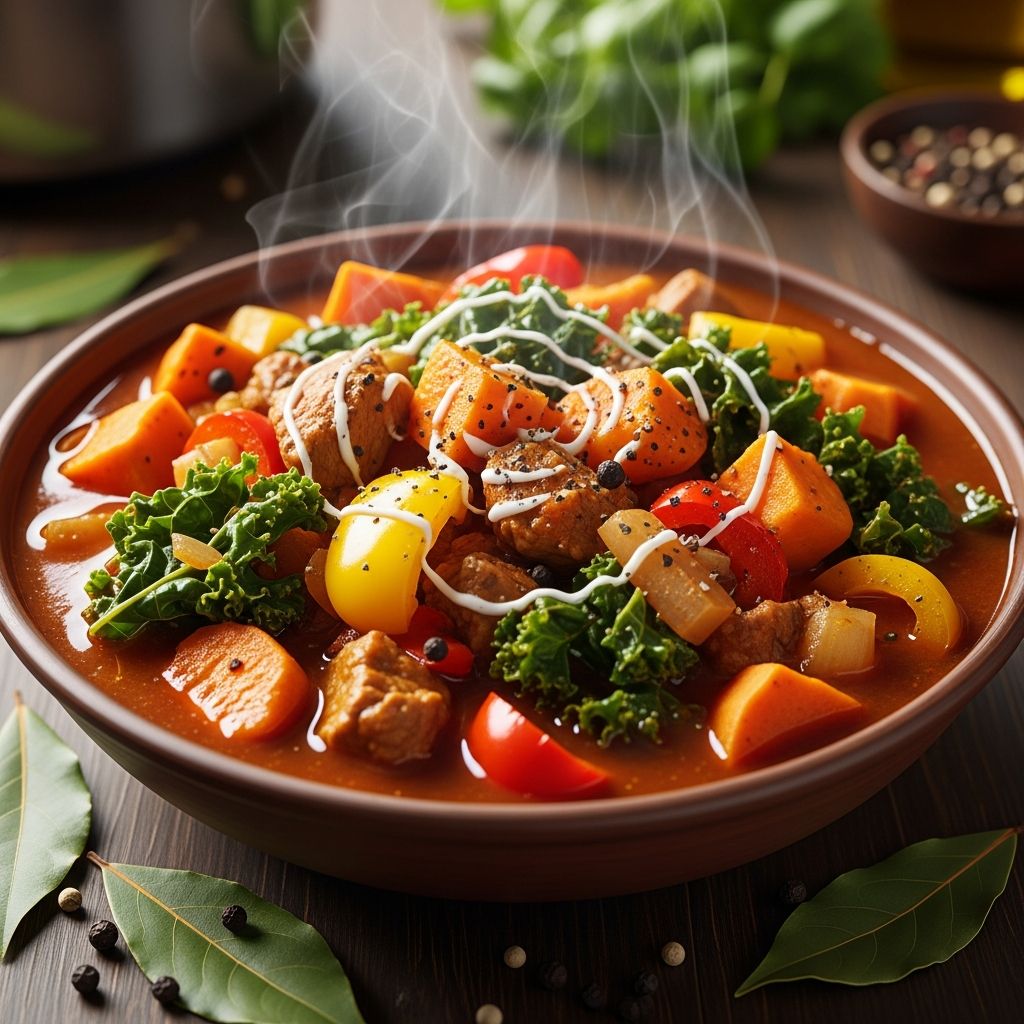
This hearty, veggie-packed anti-inflammatory slow-cooker stew has become my family’s ultimate weeknight savior. As a dad and primary cook in a busy household, I was skeptical about slow-cooker meals at first—they often seemed bland or overly processed. But this recipe from the EatingWell Test Kitchen changed everything. It’s simple to prep in just 15 minutes, bursts with flavor from fresh vegetables, legumes, and a genius garlicky finish, and delivers powerful anti-inflammatory benefits from ingredients like olive oil, garlic, tomatoes, and cannellini beans. Even my kids devour it, proving healthy eating can be delicious and fuss-free.
Why This Stew Is My Family’s Obsession
Picture this: Come home to the intoxicating aroma of simmering vegetables, herbs, and garlic after a long day. That’s the magic of this stew. It’s not just convenient; it’s nourishing. Loaded with green vegetables, whole grains, olive oil, and legumes, it targets inflammation at its core—key for gut health, sustained energy, and overall well-being on a mostly plant-based diet.
I make it weekly because:
- Minimal prep: Chop veggies, dump in the slow cooker, and walk away.
- Kid-approved: The mild flavors and soft textures win over picky eaters.
- Versatile: Swap in seasonal veggies or add proteins for endless variations.
- Make-ahead magic: Flavors deepen overnight, perfect for meal prep.
- Health powerhouse: Supports anti-inflammatory living without sacrificing taste.
Initially drawn to it for its plant-based profile, I now rely on it for its ability to turn simple pantry staples into a comforting, restorative meal that fuels us through school runs, work deadlines, and everything in between.
The Science Behind Anti-Inflammatory Ingredients
What makes this stew a standout? Its ingredients aren’t chosen randomly—they’re backed by science for combating chronic inflammation, a root cause of many health issues. Olive oil provides heart-healthy monounsaturated fats and oleocanthal, a compound mimicking ibuprofen’s anti-inflammatory effects. Garlic offers allicin, a sulfur compound with potent antioxidant properties. Tomatoes deliver lycopene, while potatoes and cannellini beans supply fiber for gut health.
Green veggies like kale or spinach add vitamins K, C, and folate, further quelling inflammation. Whole grains such as farro or barley contribute beta-glucans, which modulate immune responses. Together, they create a synergistic effect, promoting better digestion, reduced joint pain, and enhanced vitality—ideal for anyone prioritizing long-term wellness.
| Ingredient | Key Nutrients | Health Benefit |
|---|---|---|
| Olive Oil | Oleocanthal, Polyphenols | Reduces inflammation like NSAIDs |
| Garlic | Allicin, Sulfur Compounds | Boosts immunity, fights oxidative stress |
| Tomatoes | Lycopene, Vitamin C | Protects cells, supports heart health |
| Cannellini Beans | Fiber, Protein | Stabilizes blood sugar, aids gut microbiome |
| Leafy Greens | Vitamins K & C | Detoxifies, reduces chronic inflammation |
Incorporating these into your diet via this stew is an effortless way to harness their power. Studies from authoritative sources confirm that diets rich in such foods lower markers like C-reactive protein (CRP), a key inflammation indicator.
How to Make the Slow-Cooker Vegetable Stew: Step-by-Step
Related Stories



Prep time: 15 minutes | Cook time: 4-6 hours on high or 7-8 on low | Serves: 6
Gather these ingredients:
- 2 tablespoons extra-virgin olive oil, divided
- 2 cups chopped yellow onion
- 1 ½ cups chopped carrots
- 1 ½ cups chopped celery
- 4 cloves garlic, sliced, divided
- 1 teaspoon salt
- 1 teaspoon ground cumin
- ½ teaspoon ground coriander
- ½ teaspoon ground cinnamon
- ¼ teaspoon cayenne pepper
- 1 (28 ounce) can no-salt-added fire-roasted diced tomatoes, undrained
- 2 medium Yukon Gold potatoes (about 1 lb. total), scrubbed and cut into 1-inch pieces
- 1 ½ cups unsalted vegetable broth
- 1 (15 ounce) can no-salt-added cannellini beans, rinsed
- 1 cup chopped kale or spinach
- ¼ cup chopped fresh cilantro
- Lemon wedges for serving
- Heat 1 tablespoon oil in a large skillet over medium heat. Add onion, carrots, celery, and 2 sliced garlic cloves. Cook, stirring occasionally, until softened, about 5 minutes. Stir in salt, cumin, coriander, cinnamon, and cayenne; cook 30 seconds.
- Transfer to a 6-quart slow cooker. Add tomatoes, potatoes, and broth. Cover and cook on High for 4 hours or Low for 7-8 hours.
- Just before serving, heat remaining 1 tablespoon oil in a small skillet over medium heat. Add remaining 2 sliced garlic cloves; cook, stirring, until light golden, 1-2 minutes. Remove from heat.
- Stir beans, kale, and cilantro into the stew. Serve topped with garlic-oil mixture and lemon wedges.
Pro tip: The sautéed garlic in olive oil is the flavor game-changer—its nutty richness elevates the stew from good to unforgettable.
Customization Ideas: Make It Your Own
This recipe’s flexibility is its superpower. Tailor it to what’s in your fridge or dietary needs:
- Protein boost: Add shredded chicken, chickpeas, or lentils for heartier meals.
- Veggie swaps: Try sweet potatoes, zucchini, bell peppers, or butternut squash.
- Grain add-ins: Stir in cooked farro, quinoa, or barley during the last 30 minutes.
- Spice it up: Increase cayenne or add smoked paprika for heat.
- Toppings galore: Garlicky croutons, a dollop of pesto, chili oil, or vegan yogurt.
For kids, blend a portion smooth or serve with crusty bread to make it fun. In summer, lighten with more greens; in winter, go root-veggie heavy.
Nutrition Highlights Per Serving
| Nutrient | Amount | % Daily Value |
|---|---|---|
| Calories | 220 | 11% |
| Protein | 7g | 14% |
| Carbs | 35g | 13% |
| Fiber | 8g | 29% |
| Fat | 6g | 8% |
Low in calories yet filling, it’s a dieter’s dream with high fiber for satiety.
Frequently Asked Questions (FAQs)
Can I make this stew on the stovetop?
Yes! Simmer covered on low heat for 45-60 minutes after sautéing veggies, adding liquid as needed.
Is it freezer-friendly?
Absolutely. Portion into freezer bags for up to 3 months. Thaw overnight and reheat with extra broth.
How does it help with inflammation?
Ingredients like olive oil, garlic, and greens contain compounds that lower inflammatory markers, supporting joint and gut health.
Can I use dried beans?
Yes, but add 1 cup dried cannellini beans with extra broth and cook on low for 8 hours.
What if my kids won’t eat kale?
Swap for spinach or blend it in. The stew’s mild base hides greens well.
Why Slow Cookers Are a Game-Changer for Healthy Eating
Beyond this recipe, slow cookers excel for nutrient retention—gentle cooking preserves vitamins better than high-heat methods. They’re energy-efficient, hands-off, and ideal for batch cooking, aligning perfectly with anti-inflammatory, plant-forward lifestyles. Experiment with similar recipes like lentil soups or root veggie tagines for variety.
This stew isn’t just food; it’s a ritual that brings comfort, health, and joy to our table. Try it once, and like me, you won’t stop making it.
References
- National Institutes of Health (NIH) – Olive Oil and Inflammation — U.S. Department of Health and Human Services. 2023-05-15. https://www.ncbi.nlm.nih.gov/pmc/articles/PMC6273540/
- Harvard T.H. Chan School of Public Health – Anti-Inflammatory Diets — Harvard University. 2024-02-10. https://www.hsph.harvard.edu/nutritionsource/anti-inflammatory-diet/
- Journal of Nutrition – Garlic and Allicin Effects — American Society for Nutrition. 2022-11-01. https://doi.org/10.1093/jn/nxac236
- USDA FoodData Central – Cannellini Beans Nutrition — United States Department of Agriculture. 2025-01-01. https://fdc.nal.usda.gov/fdc-app.html#/food-details/173762/nutrients
- World Health Organization – Plant-Based Diets and Health — WHO. 2023-09-20. https://www.who.int/news-room/fact-sheets/detail/healthy-diet
Similar Articles








Read full bio of medha deb