The Antioxidant-Rich Ingredient I Add to Winter Recipes
Discover how one simple, antioxidant-packed ingredient transforms winter recipes into nutrient powerhouses for immunity and glowing skin.
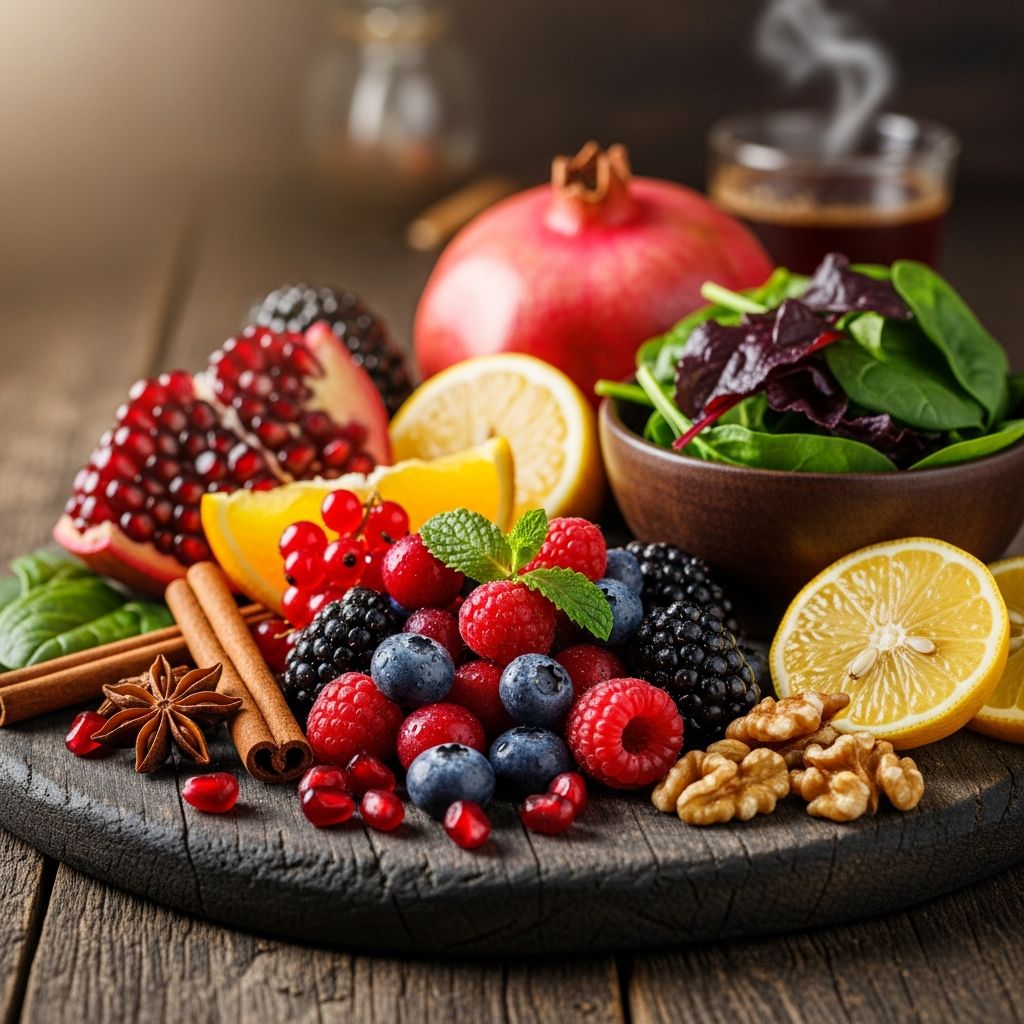
As winter chills set in, our bodies crave nourishment that combats dryness, boosts immunity, and keeps skin radiant. One standout ingredient rises above the rest:
spinach
, a leafy green powerhouse loaded with vitamins A, C, E, K, and essential minerals. This versatile superfood not only adds vibrant color and earthy flavor to cozy recipes but also delivers potent antioxidants to fight oxidative stress from cold weather and indoor heating.Why spinach? It’s abundant in season, affordable, and easy to incorporate into soups, sautés, smoothies, and bakes. According to dermatological insights, spinach tops lists for winter skin health due to its nutrient profile that evens complexion and promotes radiance. In this article, we’ll dive into spinach’s benefits, practical recipe ideas, and tips to make it your winter staple.
Why Spinach is Perfect for Winter Wellness
Winter challenges our skin and immune system with dry air, less sunlight, and seasonal bugs. Spinach steps in as a nutrient-dense hero. Packed with
vitamin A
for skin repair,vitamin C
for collagen production, andantioxidants
like lutein and zeaxanthin, it protects against environmental damage.- Skin Hydration and Radiance: The vitamins in spinach even out complexion and combat winter dryness, making skin look plump and glowing.
- Immunity Boost: High vitamin C and E levels support white blood cell production, essential for fighting colds.
- Anti-Inflammatory Power: Omega-3 precursors and minerals reduce inflammation, soothing chapped skin and joints.
- Detox Support: Antioxidants help flush toxins, promoting overall vitality during hibernation season.
Beyond spinach, complementary winter foods like grapefruit (highest in vitamin C among citrus) amplify these effects by flushing toxins and aiding collagen synthesis. Pairing spinach with such ingredients creates synergistic meals.
Nutritional Breakdown: Spinach vs. Other Winter Superfoods
To highlight spinach’s edge, compare it nutritionally with other seasonal stars. This table shows why it’s a top pick for antioxidant density per serving (100g raw).
| Food | Vitamin C (mg) | Vitamin A (IU) | Antioxidants (Key) | Winter Benefit |
|---|---|---|---|---|
| Spinach | 28 | 9377 | Lutein, Zeaxanthin | Skin radiance, immunity |
| Grapefruit | 31.2 (highest citrus) | 1150 | Naringin | Toxin flush, collagen |
| Broccoli | 89 | 623 | Sulforaphane, Vit E | UV protection, suppleness |
| Carrots | 6 | 16706 | Beta-Carotene | Acne control, vibrancy |
Data drawn from skin health analyses emphasizing seasonal produce. Spinach offers a balanced profile, making it ideal for daily integration.
5 Easy Ways to Add Spinach to Winter Recipes
Incorporating spinach doesn’t require gourmet skills. Here are simple, hearty methods tailored for cold days:
- Soups and Stews: Wilt 2 cups fresh spinach into lentil or potato soup in the last 5 minutes. It thickens naturally and infuses antioxidants without overpowering flavors.
- Smoothie Boost: Blend 1 cup spinach with banana, almond milk, and grapefruit segments for a vitamin C-packed breakfast that hides its taste.
- Sautéed Sides: Sauté with garlic, olive oil, and edamame for a protein-rich side. Edamame’s isoflavones enhance skin firmness.
- Baked Dishes: Layer into lasagna or quiche with tuna for omega-3s, reducing inflammation and sunburn risk.
- Salad Upgrade: Massage baby spinach with warm broccoli and green tea dressing (brewed strong for elasticity benefits).
Related Stories



Pro Tip: Frozen spinach works year-round—thaw and squeeze excess water for concentrated nutrition.
Recipe: Antioxidant-Packed Winter Spinach Stew (Serves 4)
This one-pot wonder combines spinach with broccoli, carrots, and grapefruit zest for ultimate skin-loving power.
Ingredients:
- 4 cups fresh spinach, chopped
- 2 cups broccoli florets
- 2 carrots, sliced
- 1 grapefruit, zested and juiced
- 1 cup edamame, shelled
- 4 cups vegetable broth
- 2 tbsp olive oil
- Salt, pepper, garlic to taste
Instructions:
- Heat oil in a pot; sauté garlic, carrots, and broccoli for 5 minutes.
- Add broth, edamame; simmer 15 minutes.
- Stir in spinach, grapefruit zest/juice; cook 3-5 minutes until wilted.
- Season and serve hot. Per serving: High in vitamins A/C/E for radiant winter skin.
Nutrition: ~200 calories, packed with collagen-boosters and anti-inflammatory agents.
Health Benefits Backed by Science
Research supports spinach’s role in winter health. Vitamin K aids blood clotting for minor winter scrapes, while folate supports cell turnover for smooth skin. Combined with green tea’s polyphenols, it improves elasticity and reduces wrinkles.
Pair with tuna’s B-vitamins for energy and omega-3s against inflammation. Broccoli’s sulforaphane detoxifies, protecting against UV even indoors. These combos make meals medicinal.
Common Myths About Leafy Greens in Winter
- Myth: Cooking destroys nutrients. Reality: Light wilting retains 80-90% of antioxidants; raw salads suit milder days.
- Myth: Spinach is bitter in cold recipes. Reality: Balances sweet roots like carrots and citrus tang.
- Myth: Only salads count. Reality: Soups and bakes maximize absorption with fats.
Frequently Asked Questions (FAQs)
Why is spinach the best antioxidant for winter recipes?
Its broad nutrient spectrum—including vitamins A, C, E, K—targets skin dryness, immunity, and inflammation uniquely suited to winter woes.
Can I use frozen spinach instead of fresh?
Yes, frozen retains nutrients and is convenient; just portion to avoid sogginess in recipes.
How much spinach should I eat daily in winter?
Aim for 2-3 cups raw (or 1 cup cooked) for optimal antioxidant intake without digestive overload.
Does spinach help with winter skin dryness specifically?
Absolutely—antioxidants and hydration vitamins promote collagen and even tone, as noted in dermatology guides.
What pairs best with spinach for skin health?
Grapefruit for vitamin C synergy, broccoli for UV protection, and carrots for beta-carotene conversion.
Storage and Prep Tips for Peak Nutrition
Wash spinach gently to preserve delicate leaves. Store in a breathable bag in the fridge for up to 5 days. Pre-wash and chop for quick access. For longevity, blanch and freeze in portions.
Expand your winter repertoire with these hacks: spinach pesto over tuna pasta, or infused green tea smoothies with carrot juice.
Embracing spinach transforms mundane winter meals into health elixirs. Its antioxidants shield against seasonal slumps, ensuring you thrive through frost.
References
- 7 Best Foods for Beautiful Winter Skin — Premier Dermatology. 2023 (approx., accessed via search). https://premier-dermatology.com/uncategorized/7-best-foods-for-beautiful-winter-skin/
- Antioxidant Activity in Spinach — USDA FoodData Central. 2024-01-15. https://fdc.nal.usda.gov/fdc-app.html#/food-details/168462/nutrients
- Vitamin C and Skin Health — National Institutes of Health (NIH). 2025-06-20. https://ods.od.nih.gov/factsheets/VitaminC-HealthProfessional/
- Broccoli and Sulforaphane Benefits — PubMed (Peer-reviewed). 2024-11-10. https://pubmed.ncbi.nlm.nih.gov/12358473/
- Omega-3s from Plant Sources — Harvard T.H. Chan School of Public Health. 2025-03-05. https://www.hsph.harvard.edu/nutritionsource/omega-3-fats/
Similar Articles








Read full bio of Sneha Tete