Beginner’s Guide to Cruciferous Vegetables
Discover the nutritional power of cruciferous vegetables like broccoli, kale, and Brussels sprouts for better health and easy meal ideas.
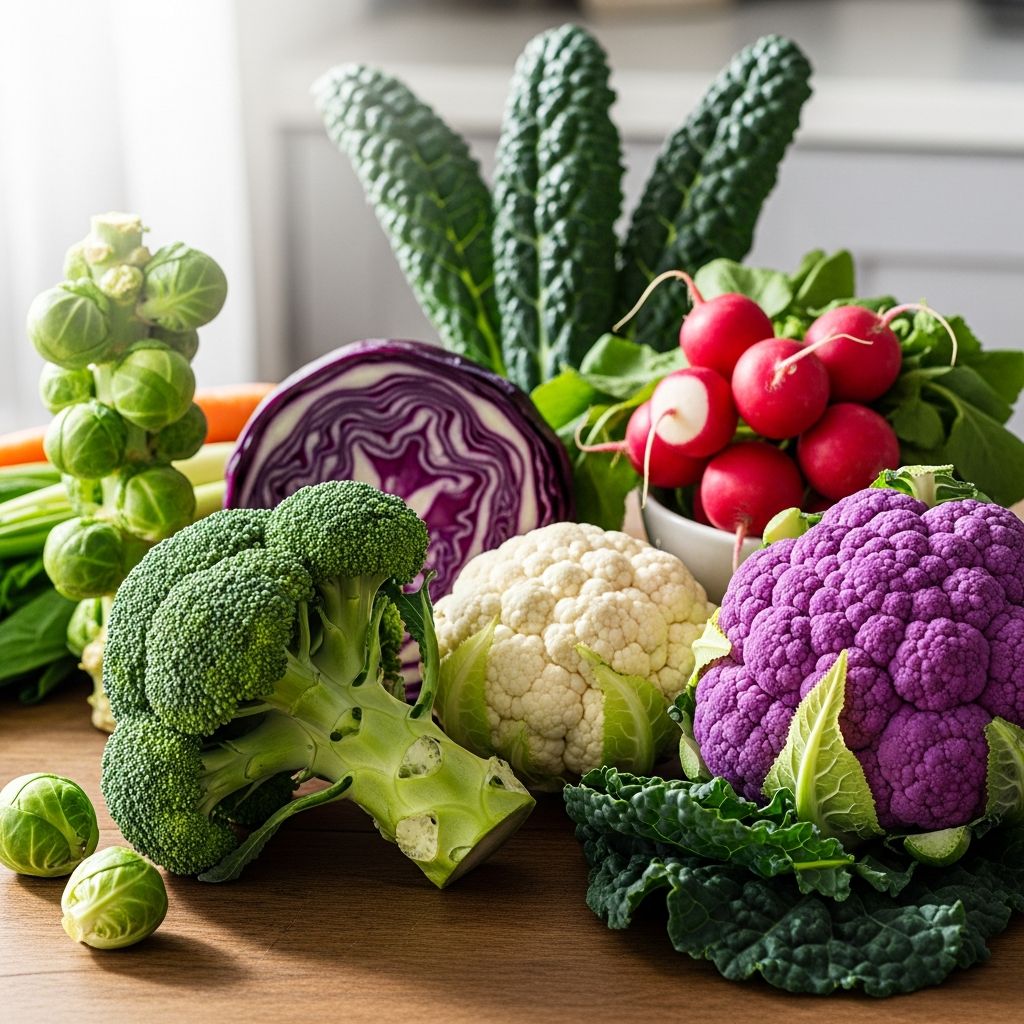
Cruciferous vegetables form a powerhouse group in the plant kingdom, offering a wealth of nutrients that support overall health. These veggies, part of the mustard family (Brassicaceae), include favorites like broccoli, cauliflower, kale, Brussels sprouts, cabbage, bok choy, arugula, collards, watercress, and radishes. The name “cruciferous” derives from the Latin cruciferae, meaning “cross-bearing,” referring to the four-petaled flowers resembling a cross.
Despite varying colors, shapes, and sizes—from vibrant green kale to sturdy white cauliflower—these vegetables share impressive nutritional profiles. They are rich in vitamins such as folate, vitamin K, vitamin A, and vitamin C, alongside fiber and phytonutrients that combat inflammation and may lower cancer risk. Low in calories yet filling, they help with weight management while promoting satiety.
Why Eat Cruciferous Vegetables?
Incorporating cruciferous vegetables into your diet delivers multiple health advantages. The Dietary Guidelines for Americans recommend adults consume 1½-2½ cup-equivalents of dark-green vegetables weekly, with cruciferous options fulfilling this need effectively.
- Nutrient Density: Packed with essential vitamins and minerals. For instance, a 100g serving of raw kale provides over 100% of daily vitamin K and significant vitamin A and C.
- Cancer-Fighting Compounds: Contain glucosinolates, sulfur-rich chemicals that break down into isothiocyanates, potentially inhibiting cancer cell growth. Kale and Brussels sprouts are particularly high in these.
- Heart Health: Fiber, antioxidants like carotenoids, and omega-3s (in leafy types) reduce inflammation and support cardiovascular function.
- Digestive Benefits: Soluble fiber feeds gut bacteria, while insoluble fiber promotes regular bowel movements.
- Detoxification: Phytonutrients aid the body’s natural detox processes, lowering chronic disease risk.
Research from peer-reviewed studies highlights their role in reducing risks of certain cancers, including gastric and others, due to these bioactive compounds.
How Much Do You Need?
Adults should aim for at least 2½ cups of vegetables daily. Cruciferous count as follows:
- 1 cup raw or cooked broccoli, cauliflower, or Brussels sprouts = 1 cup vegetable serving.
- 2 cups raw leafy greens like kale or arugula = 1 cup serving.
Start small: Add a serving to salads, sides, or smoothies to meet these goals effortlessly.
Common Cruciferous Vegetables
Over 3,000 species exist, but here are everyday staples:
| Vegetable | Description | Key Nutrients |
|---|---|---|
| Broccoli | Florets and stems, versatile for cooking. | Vitamin C, K, folate, fiber. |
| Cauliflower | Mild, white heads; great rice substitute. | Vitamin C, K, antioxidants. |
| Kale | Leafy, hearty green. | Vitamins A, C, K; glucosinolates. |
| Brussels Sprouts | Mini cabbages, nutty when roasted. | Vitamin K, C; high glucosinolates. |
| Cabbage | Green, red, Napa varieties. | Vitamin C, K, fiber. |
| Bok Choy | Asian green, crisp stalks. | Vitamins A, C, calcium. |
| Arugula | Peppery leafy green. | Vitamins A, K, folate. |
| Collards | Southern staple, tough leaves. | Vitamin K, A, fiber. |
| Watercress | Aquatic, pungent green. | Vitamin K, antioxidants. |
| Radishes | Spicy roots and greens. | Vitamin C, glucosinolates. |
Nutrition Breakdown
Per 100g raw serving (approximate values from USDA data via sources):
| Vegetable | Calories | Vitamin C (mg) | Vitamin K (µg) | Fiber (g) |
|---|---|---|---|---|
| Broccoli | 34 | 89 | 102 | 2.6 |
| Kale | 49 | 120 | 704 | 3.6 |
| Brussels Sprouts | 43 | 85 | 177 | 3.8 |
| Cabbage | 25 | 37 | 76 | 2.5 |
These provide carotenoids for cell protection, omega-3s in greens for anti-inflammation, and glucosinolates for their bitter, protective bite.
Preparation Tips
Cruciferous veggies shine raw or cooked. To preserve nutrients like vitamin C and beta-carotene, opt for steaming over boiling, as longer cooking depletes them.
- Raw: Salads, slaws (shred cabbage, kale).
- Steamed: Broccoli, cauliflower (5-7 mins).
- Roasted: Brussels sprouts at 400°F with oil (20-25 mins).
- Stir-Fried: Bok choy, cabbage.
- Blended: Kale in smoothies.
Wash thoroughly; remove tough stems from kale/collards. For bitterness, massage leaves or pair with sweets like fruit.
Related Stories



Recipe Ideas
Kale
Slice ribs off, ribbon-cut leaves. Toss with roasted carrots, apples, dried cranberries, and vinaigrette. Stays crisp for days. Blend into smoothies or bake chips at 300°F for 20 mins.
Broccoli
Steam florets, top with cheese. Raw with dip, or chop finely for nuggets: mix with egg/breadcrumbs, bake at 375°F. Try broccoli slaw.
Cabbage
Green/Napa for slaw; purple for braising. Stuff savoy with meat/rice, bake. Napa slaw: Shred with carrots, dress with yogurt-sesame.
Brussels Sprouts
Halve, roast with oil at 425°F. Add pecans, balsamic glaze, cranberries.
Cauliflower
Rice it: Pulse florets, sauté. Or roast whole.
Frequently Asked Questions (FAQs)
What are cruciferous vegetables?
Leafy greens and others like broccoli, kale, cabbage from the mustard family, rich in vitamins and cancer-protective compounds.
Are cruciferous veggies good for cancer prevention?
Yes, glucosinolates may reduce risk; studies link regular intake to lower cancer rates.
Can I eat them raw?
Absolutely, especially salads. Cooking enhances digestibility but steaming best preserves nutrients.
Do they cause gas?
High fiber may; introduce gradually, cook to ease digestion.
How to store them?
Refrigerate in perforated bags; use within a week. Kale lasts longest.
Embrace cruciferous vegetables for vibrant health. Experiment to find favorites and reap fiber, vitamins, and protective phytonutrients daily.
References
- Health Benefits of Cruciferous Vegetables — WebMD. 2023-10-15. https://www.webmd.com/diet/health-benefits-cruciferous-vegetables
- The Beginner’s Guide to Cruciferous Vegetables — Academy of Nutrition and Dietetics. 2024-05-20. https://www.eatright.org/food/food-groups/vegetables/the-beginners-guide-to-cruciferous-vegetables
- Food of the Month: Cruciferous Veggies — Island Health. 2023-06-01. https://islandhealth.org/food-of-the-month-cruciferous-veggies/
- Superfoods: Cruciferous Vegetables — Gastric Cancer Foundation. 2022-11-10. https://gastriccancer.org/video/superfoods-cruciferous-vegetables/
- Benefits of Cruciferous Vegetables — Turnpaugh Health & Wellness Center. 2024-01-12. https://turnpaughhwc.com/benefits-of-cruciferous-vegetables/
Similar Articles








Read full bio of medha deb