Best and Worst Foods for Better Sleep, Per a Doctor
Discover doctor-recommended foods that promote restful sleep and those that sabotage it, backed by science for optimal nighttime rest.
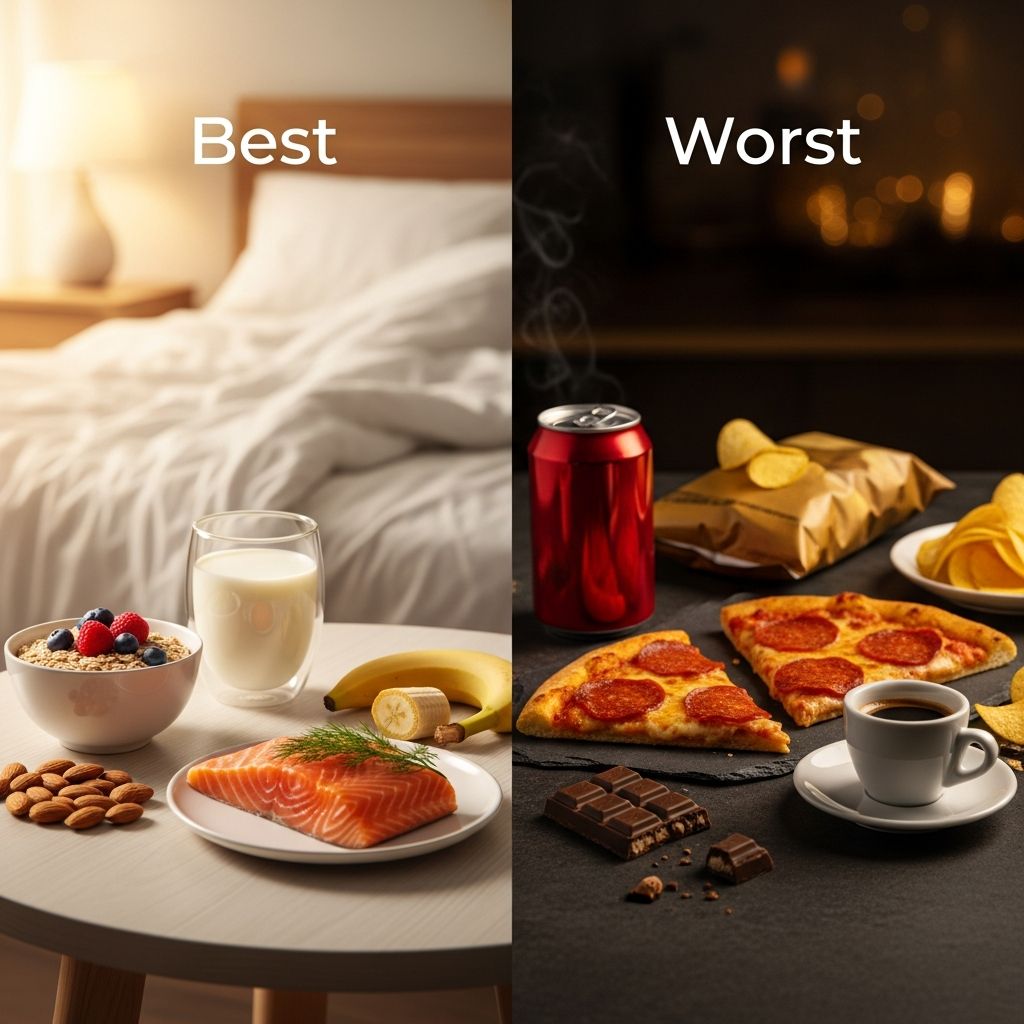
Struggling with restless nights? Your evening snacks could be the culprit. According to sleep expert Dr. Raj Dasgupta, a pulmonologist and sleep specialist at USC Keck School of Medicine, certain foods enhance sleep quality by supporting melatonin production and relaxation, while others trigger alertness, digestion issues, or blood sugar spikes that fragment rest. This guide breaks down the science-backed best and worst choices, drawing from clinical insights and studies on nutrition’s role in sleep cycles.
How Food Affects Your Sleep
Sleep is regulated by hormones like
melatonin
(the sleep signal) andcortisol
(the stress hormone). Foods rich in tryptophan, magnesium, and natural melatonin precursors promote the transition to rest-and-digest mode, easing you into deep sleep stages. Conversely, stimulants like caffeine, high-sugar items causing glycemic crashes, or hard-to-digest fats keep the body in fight-or-flight, reducing REM and slow-wave sleep. Timing matters: avoid disruptive foods 3-6 hours before bed, and opt for light, nutrient-dense snacks if hungry.Research from the European Society of Endocrinology links high-sodium intake to superficial sleep, while magnesium-rich foods regulate blood sugar for stable rest. Dr. Dasgupta emphasizes balanced evening meals to align circadian rhythms.
The 7 Worst Foods for Sleep
These common culprits interfere with sleep architecture, per Dr. Dasgupta and supporting studies. Steer clear in the evening.
- Chocolate: Contains caffeine and theobromine, stimulants that block adenosine (a sleep-promoting chemical). Even dark chocolate’s magnesium benefits are outweighed; large studies link evening caffeine to shorter sleep duration. Opt for morning treats.
- Cheese (especially aged): High in tyramine, an amino acid that triggers norepinephrine release, heightening alertness via the fight-or-flight response. Avoid strong varieties like cheddar or blue cheese before bed.
- Spicy Foods (curry, hot sauce): Capsaicin raises core body temperature, disrupting the natural pre-sleep cool-down. Digestion demands energy, fragmenting sleep cycles.
- Ice Cream and Sugary Treats: Rapid blood sugar spikes followed by crashes release cortisol, jolting you awake. Studies show sugary evening snacks correlate with poorer sleep efficiency.
- Crisps and Salty Snacks: Excess sodium causes dehydration and fluid retention, leading to nighttime bathroom trips and superficial sleep, per European Society of Endocrinology research.
- High-Fat Meats (steak, bacon, pepperoni): Slow to digest—up to 50% slower at night—diverting energy from sleep repair. Tyramine in preserved meats adds alertness.
- Alcohol: Initial drowsiness masks disrupted REM; even one drink fragments sleep, increasing wakefulness later. Northwestern Medicine advises total avoidance near bedtime.
| Food | Key Culprit | Sleep Impact |
|---|---|---|
| Chocolate | Caffeine/Theobromine | Delays sleep onset, reduces deep sleep |
| Cheese | Tyramine | Increases alertness |
| Spicy Foods | Capsaicin | Raises body temp, indigestion |
| Ice Cream | Sugar Crash | Cortisol spikes |
| Crisps | Sodium | Dehydration, shallow sleep |
| Steak/Bacon | Fat/Tyramine | Slow digestion |
| Alcohol | REM Suppression | Fragmented sleep |
The 7 Best Foods for Sleep
Dr. Dasgupta recommends these for their sleep-supportive nutrients. Pair with complex carbs for optimal tryptophan conversion to serotonin and melatonin.
- Cherries (or Tart Cherry Juice): Natural melatonin source; studies show juice improves sleep duration and quality by 30-85 minutes.
- Bananas: Packed with magnesium (relaxes muscles), potassium (calms nerves), and vitamin B6 (aids melatonin synthesis). Ideal pre-bed snack.
- Turkey: Tryptophan-rich; converts to serotonin for mood balance and sleep induction. Also protein stabilizes blood sugar.
- Almonds: High magnesium regulates the rest-digest cycle; melatonin content promotes sustained sleep. A handful (1 oz) suffices.
- Fatty Fish (salmon, mackerel): Omega-3s and vitamin D shorten sleep latency and boost quality. Aim for dinner portions.
- Oats: Complex carbs raise serotonin; melatonin precursors make them a soothing bedtime porridge base.
- Kiwi: Antioxidants, serotonin, and folate; eating two before bed enhances sleep onset and duration per trials.
Incorporate these into light snacks: banana-almond butter, turkey on whole-grain toast, or cherry smoothie. Dr. Dasgupta notes they gently support biology without sedation.
| Food | Key Nutrients | Sleep Benefit |
|---|---|---|
| Cherries | Melatonin | Longer deep sleep |
| Bananas | Magnesium, B6 | Muscle relaxation |
| Turkey | Tryptophan | Serotonin boost |
| Almonds | Magnesium, Melatonin | Rest-digest shift |
| Fatty Fish | Omega-3s, Vit D | Faster onset |
| Oats | Complex Carbs | Serotonin production |
| Kiwi | Serotonin, Folate | Improved efficiency |
Sample Sleep-Promoting Evening Snacks
- Tart cherry juice (8 oz) with a handful of almonds.
- Sliced banana with natural peanut butter on oat toast.
- Turkey slices with kiwi and a small yogurt.
- Baked salmon with quinoa (dinner option).
Keep portions small (200-300 calories) to avoid digestive load. Combine protein, fat, and fiber for steady energy release.
Frequently Asked Questions (FAQs)
What time should I stop eating before bed?
Dr. Dasgupta advises 2-3 hours minimum; 4-6 for heavy or disruptive foods to allow digestion.
Can coffee in the afternoon affect sleep?
Yes, caffeine’s half-life is 5-6 hours; avoid after 2 PM if sensitive.
Is herbal tea okay before bed?
Chamomile or valerian yes—magnesium and apigenin promote calm. Skip black/green teas.
How much alcohol disrupts sleep?
Any amount; one drink suppresses REM, worsening with more.
Do supplements replace these foods?
Foods provide synergistic nutrients; consult a doctor for melatonin/magnesium supps.
Additional Sleep Hygiene Tips from Dr. Dasgupta
Beyond diet: Maintain consistent bedtime, dim lights post-sunset, limit screens, and exercise daily but not late. Track intake with a food-sleep journal to personalize.
For chronic issues, rule out apnea or reflux—diet tweaks complement medical advice.
References
- The best and worst foods for sleep — Benenden Health. 2023. https://www.benenden.co.uk/be-healthy/nutrition/the-best-and-worst-foods-for-sleep/
- This Bedtime Snack Is Healthy—but It’s Probably Ruining Your Sleep — Parade Health. 2024. https://parade.com/health/worst-bedtime-snack-for-sleep-quality-according-to-registered-dietitians
- Eats to Help You Sleep — Northwestern Medicine. 2024. https://www.nm.org/healthbeat/healthy-tips/nutrition/eats-to-help-you-sleep
- 7 Foods That Could Cause Sleep Disruption — AARP. 2023. https://www.aarp.org/health/healthy-living/foods-that-disrupt-sleep/
- 16 Best and Worst Foods for Sleep — ABC News. 2023. https://abcnews.go.com/Health/Wellness/16-best-worst-foods-sleep/story?id=19404975
- The Best (And Worst) Foods For A Good Night’s Rest — Henry Ford Health. 2025-08. https://www.henryford.com/Blog/2025/08/The-Best-and-Worst-Foods-for-a-Good-Nights-Rest
Similar Articles








Read full bio of medha deb