The Best Anti-Inflammatory Frozen Foods, According to Dietitians
Dietitians reveal top frozen foods packed with anti-inflammatory nutrients for easy, convenient healthy eating year-round.
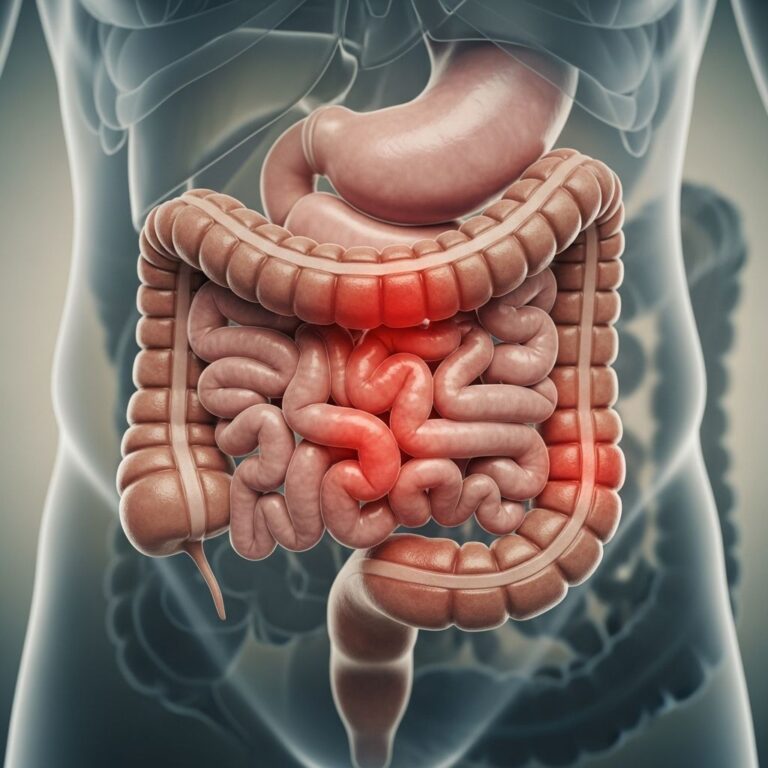
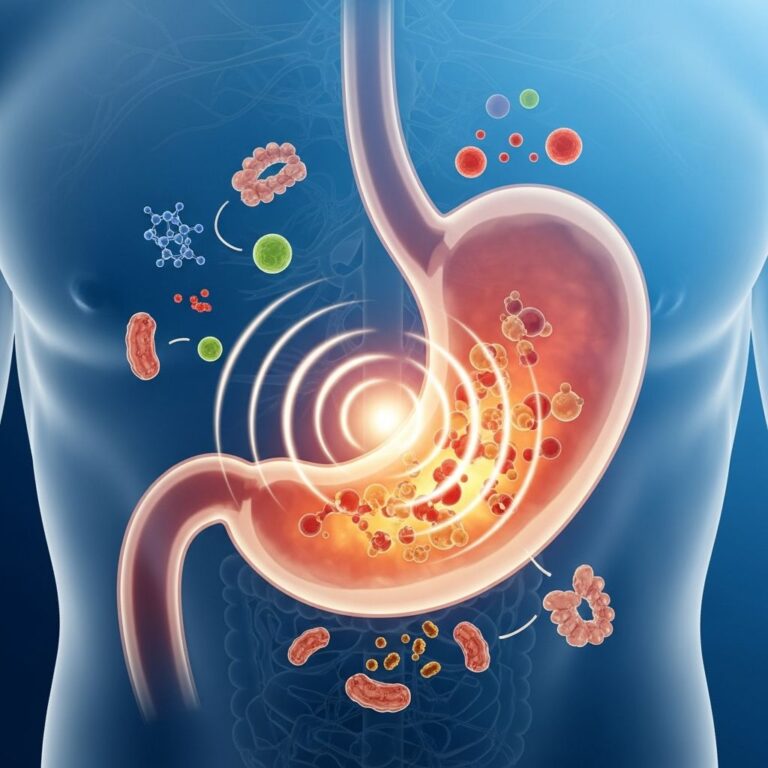
Chronic inflammation contributes to numerous health issues, including heart disease, diabetes, and arthritis. Incorporating anti-inflammatory foods into your diet can help mitigate these risks. Frozen foods offer a convenient solution, preserving nutrients without compromising quality. Dietitians highlight options rich in antioxidants, omega-3 fatty acids, fiber, and polyphenols that combat inflammation effectively.
Frozen produce is often harvested at peak ripeness, locking in vitamins and minerals better than some fresh counterparts that travel long distances. This makes them budget-friendly and accessible year-round, especially during off-seasons when fresh options are scarce. Below, we detail the top recommendations from registered dietitians (RDNs), focusing on versatility for meals and snacks.
What Makes a Food Anti-Inflammatory?
Anti-inflammatory foods contain compounds like anthocyanins in berries, omega-3s in fatty fish, and polyphenols in leafy greens. These neutralize free radicals, reduce oxidative stress, and support gut health, which influences systemic inflammation. Clinical trials link regular consumption to lower inflammation markers, improved heart health, and better chronic disease management.
1. Frozen Berries
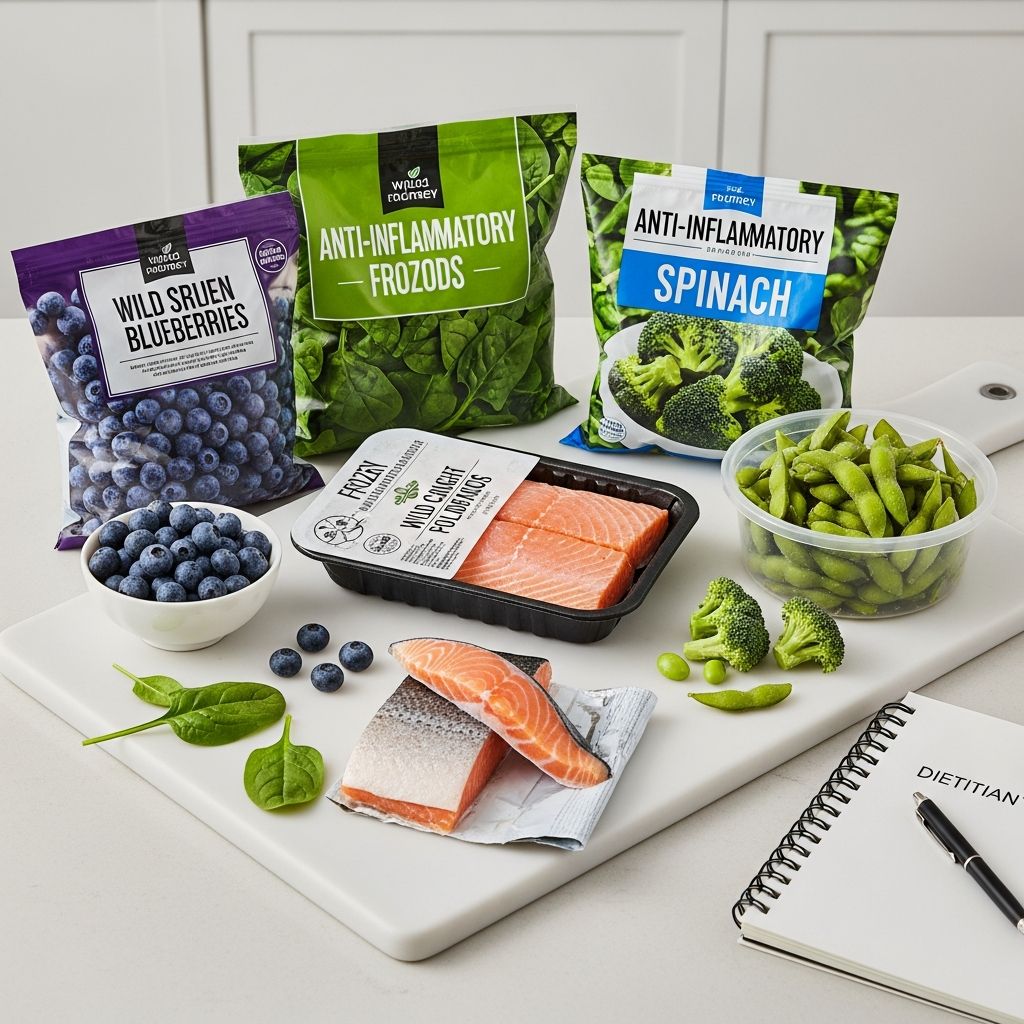
Frozen berries top the list for their high anthocyanin content, potent antioxidants that tamp down inflammation and link to lower chronic disease risk. Wild blueberries, in particular, offer brain health benefits alongside anti-inflammatory effects.
- Nutritional Highlights: Rich in vitamin C, fiber, and polyphenols; low in calories.
- Why Dietitians Recommend: “Frozen berries provide the same nutrients as fresh, making them ideal for smoothies, oatmeal, or yogurt.” Amy Gorin, RDN, emphasizes stocking wild blueberries for their superior antioxidant profile.
- Tips: Choose unsweetened varieties; thaw minimally to retain texture.
Incorporate into breakfast parfaits or blend into post-workout shakes for sustained energy and inflammation control.
2. Frozen Spinach and Dark Leafy Greens
Dark leafy greens like spinach, kale, and collards are powerhouse sources of polyphenols, which improve blood vessel function and exhibit strong anti-inflammatory properties. Freezing preserves their vitamin K, folate, and magnesium content.
- Nutritional Highlights: High in antioxidants; supports detoxification and bone health.
- Why Dietitians Recommend: “These are convenient, budget-friendly, and packed with inflammation-fighting nutrients.”
- Tips: Add to soups, smoothies, or sautés; no need to thaw fully.
One cup of cooked spinach delivers over 100% of daily vitamin K needs, aiding in reducing inflammatory cytokines.
3. Frozen Salmon and Fatty Fish
Fatty fish like salmon provide omega-3 fatty acids (EPA and DHA), proven to lower inflammation markers and support heart health. Frozen fillets are as nutritious as fresh and often more affordable.
- Nutritional Highlights: Excellent protein source; rich in astaxanthin, a potent antioxidant.
- Why Dietitians Recommend: Most people fall short on omega-3s; frozen salmon makes it easy to meet recommendations.
- Tips: Bake, grill, or air-fry; aim for two servings weekly.
Related Stories



Studies show omega-3s reduce C-reactive protein (CRP), a key inflammation indicator.
4. Frozen Quinoa
Quinoa, a complete protein grain, offers fiber, magnesium, and anti-inflammatory lignans. Frozen pre-cooked quinoa saves time while delivering whole-grain benefits linked to better cholesterol and heart health.
- Nutritional Highlights: Gluten-free; high in plant-based protein.
- Why Dietitians Recommend: Versatile base for salads, bowls, or stir-fries.
- Tips: Microwave and fluff; pairs well with veggies and proteins.
Regular whole-grain intake correlates with reduced inflammation and disease risk.
5. Other Top Frozen Veggies: Broccoli, Brussels Sprouts, and Cauliflower
Cruciferous veggies like broccoli and Brussels sprouts contain sulforaphane, a compound that activates anti-inflammatory pathways. Cauliflower provides vitamin C and fiber.
| Vegetable | Key Anti-Inflammatory Compound | Best Uses |
|---|---|---|
| Broccoli | Sulforaphane | Roasting, steaming |
| Brussels Sprouts | Glucosinolates | Sheet pan meals |
| Cauliflower | Vitamin C, Fiber | Rice substitute, mash |
These are dietitian favorites for their nutrient density and ease.
6. Frozen Fruits: Mango, Pineapple, and Cherries
Beyond berries, tropical fruits like mango and pineapple offer enzymes (bromelain) and vitamin C to fight inflammation. Cherries reduce gout and muscle soreness via anthocyanins.
- Nutritional Highlights: Enzyme-rich; support joint health.
- Tips: Use in salsas, sorbets, or baked goods.
Building Anti-Inflammatory Meals with Frozen Foods
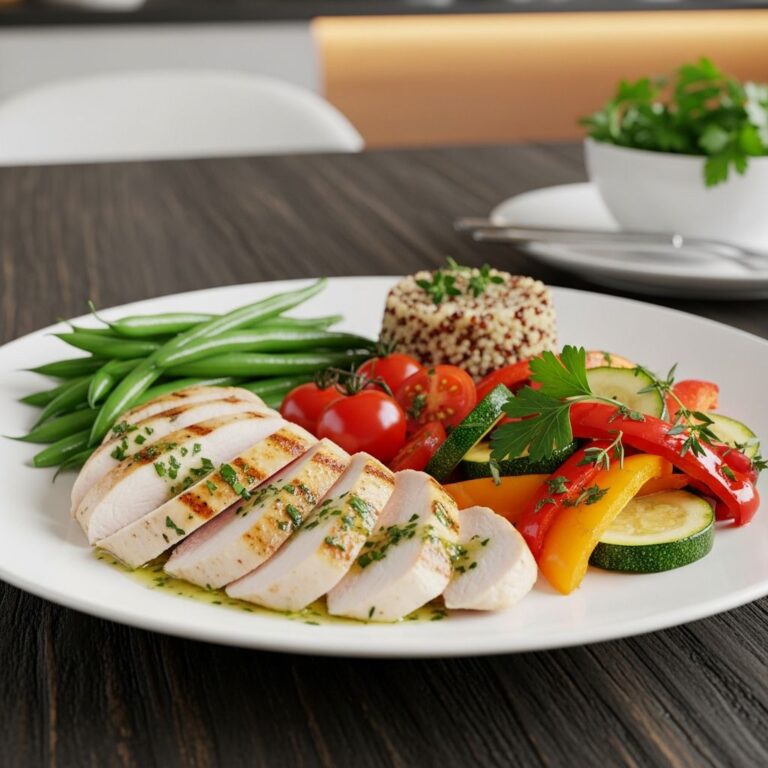
Create balanced plates: pair frozen salmon with quinoa and spinach for omega-3s, fiber, and greens. A smoothie bowl with berries, spinach, and mango covers antioxidants comprehensively.
- Breakfast: Berry-quinoa porridge.
- Lunch: Salmon salad with mixed greens.
- Dinner: Stir-fried broccoli and cauliflower with tofu.
These meals align with Mediterranean-style eating, proven to lower inflammation.
Benefits of Choosing Frozen Over Fresh
Frozen foods undergo flash-freezing, retaining up to 90% of nutrients. They’re often cheaper and reduce waste. Dietitians note they’re ideal for stocking pantries during winter when fresh produce dips.
Potential Drawbacks and Tips
Avoid added sodium or sugars; read labels. Portion control prevents overeating calorie-dense options like nuts (though macadamias are recommended in non-frozen forms).
Frequently Asked Questions (FAQs)
Q: Are frozen foods as nutritious as fresh?
A: Yes, often more so due to peak harvesting and flash-freezing, preserving vitamins and antioxidants.
Q: How often should I eat anti-inflammatory frozen foods?
A: Aim for daily inclusion, like 2-3 servings of fruits/veggies and fatty fish twice weekly.
Q: Can frozen foods help with specific conditions like arthritis?
A: Omega-3s from salmon and antioxidants from berries may reduce joint inflammation; consult a doctor.
Q: What’s the best way to store frozen anti-inflammatory foods?
A: Keep at 0°F or below; use within 8-12 months for optimal quality.
Q: Are there vegan anti-inflammatory frozen options?
A: Absolutely—berries, quinoa, spinach, broccoli, and tropical fruits are plant-based powerhouses.
Stocking these frozen foods empowers convenient, health-boosting meals. Consult a dietitian for personalized advice.
References
- 7 Anti-Inflammatory Foods to Stock up on in January — Seniors Guide. 2026. https://www.seniorsguide.com/health/7-anti-inflammatory-foods-to-stock-up-on-in-january/
- The 6 Best Anti-Inflammatory Frozen Veggies, According to Dietitians — Vandana Sheth, RDN. 2026. https://www.vandanasheth.com/blog/article/the-6-best-anti-inflammatory-frozen-veggies-according-to-dietitians/
- The 11 Best Anti-Inflammatory Frozen Foods, According to Dietitians — Wild Blueberries. 2026. https://wildblueberries.com/?news=the-11-best-anti-inflammatory-frozen-foods-according-to-dietitians
- The 6 Best Anti-Inflammatory Frozen Veggies, According to Dietitians — AOL. 2026. https://www.aol.com/lifestyle/6-best-anti-inflammatory-frozen-111800385.html
Similar Articles








Read full bio of medha deb