Navy Beans: 4 Delicious Recipes To Promote Regularity
Discover the top bean for promoting regular bowel movements and optimal digestive health through high fiber content.

If you’re struggling with constipation or irregular bowel movements, incorporating the right foods into your diet can make a significant difference. Among various high-fiber options,
navy beans
emerge as the standout choice for promoting healthy digestion and regular poops. These small, white beans are packed with soluble and insoluble fiber, which adds bulk to stool, softens it, and speeds up transit time through the intestines.According to dietary guidelines, adults should aim for 25-38 grams of fiber daily to support bowel health, yet most fall short. Navy beans deliver about 19 grams per cooked cup, making them one of the richest sources. Their prebiotic properties also nourish beneficial gut bacteria, enhancing overall digestive function.
Why Navy Beans Are the Best for Digestion
Navy beans, also known as haricot beans, top the list due to their exceptional fiber profile. A single cup provides nearly half the daily fiber needs, with a mix of soluble fiber that absorbs water to soften stool and insoluble fiber that promotes movement. Studies show high-fiber diets like those including navy beans reduce symptoms of metabolic syndrome and improve gut microbiota composition.
One key study involving children with elevated cholesterol found that consuming navy bean powder daily for four weeks increased HDL cholesterol levels, a marker of better metabolic health linked to digestion. In adults, regular intake reduced waist circumference and LDL cholesterol, indirectly supporting gut motility. Navy beans’ resistant starch acts as a prebiotic, fostering short-chain fatty acid production that strengthens the gut lining and reduces inflammation.
How Fiber in Beans Helps with Constipation
**Fiber** is crucial for preventing and relieving constipation. Soluble fiber forms a gel-like substance in the gut, easing passage, while insoluble fiber adds bulk and stimulates peristalsis—the wave-like muscle contractions that move food through the digestive tract. The NHS recommends fiber from beans alongside whole grains and produce for optimal bowel health, targeting 30 grams daily.
Beans like navy outperform many fruits and veggies in fiber density. Unlike refined carbs, their low glycemic index prevents blood sugar spikes, stabilizing energy and digestion. Regular bean consumption adapts the gut, reducing initial gas over 8-12 weeks, as shown in a Bean Institute study where participants ate 1/2 cup daily with no long-term discomfort.
- Soluble fiber: Softens stool, retains water.
- Insoluble fiber: Increases stool volume, speeds transit.
- Prebiotics: Feed good bacteria for SCFA production.
Nutrition Breakdown of Navy Beans
A 1-cup serving (about 182g cooked) of navy beans boasts an impressive nutrient profile:
| Nutrient | Amount | % Daily Value |
|---|---|---|
| Fiber | 19g | 68% |
| Protein | 15g | 30% |
| Folate | 145mcg | 36% |
| Manganese | 0.8mg | 42% |
| Iron | 4.3mg | 24% |
| Magnesium | 96mg | 23% |
These nutrients support not just digestion but also heart health, blood sugar control, and immunity. Darker beans like black beans offer antioxidants, but navy beans excel in fiber quantity.
Comparing the Top Beans for Gut Health
While navy beans lead, other legumes contribute uniquely. Here’s a comparison based on fiber content and research:
Related Stories



| Bean Type | Fiber per Cup (g) | Key Benefits |
|---|---|---|
| Navy Beans | 19 | Reduces metabolic syndrome risk, boosts HDL |
| Black Beans | 15 | Improves gut bacteria, insulin sensitivity |
| Pinto Beans | 15 | Promotes SCFA production, anti-insulin resistance |
| Lentils | 16 | Prebiotic effects, colonic health modulation |
| Chickpeas | 12 | Supports gut bacteria, versatile for meals |
Navy beans win for sheer fiber power and constipation-specific studies, but rotating varieties maximizes benefits.
Tips to Reduce Gas and Bloating from Beans
Beans’ raffinose and stachyose can cause gas in new eaters, but adaptation occurs quickly. The Bean Institute reports symptoms normalize after 8 weeks of 1/2 cup daily. Strategies include:
- Start small: Begin with 1/4 cup, increase gradually.
- Soak and cook properly: Overnight soak with kombu seaweed breaks down oligosaccharides.
- Rinse canned beans: Cuts sodium by 40-50%.
- Add digestive aids: Probiotics or enzymes ease breakdown.
- Cook with baking soda: A pinch reduces gas compounds, rinse after.
Choose BPA-free cans and opt for low-sodium options like those packed with seaweed.
Delicious Ways to Add Navy Beans to Your Diet
Incorporate navy beans effortlessly for daily fiber boosts:
Breakfast: Navy Bean Smoothie
Blend 1/2 cup cooked navy beans with banana, spinach, almond milk, and cinnamon. Adds creaminess and 10g fiber.
Lunch: Bean Salad
Mix navy beans with chopped veggies, olive oil, lemon, and herbs. Pair with greens for a 15g fiber meal.
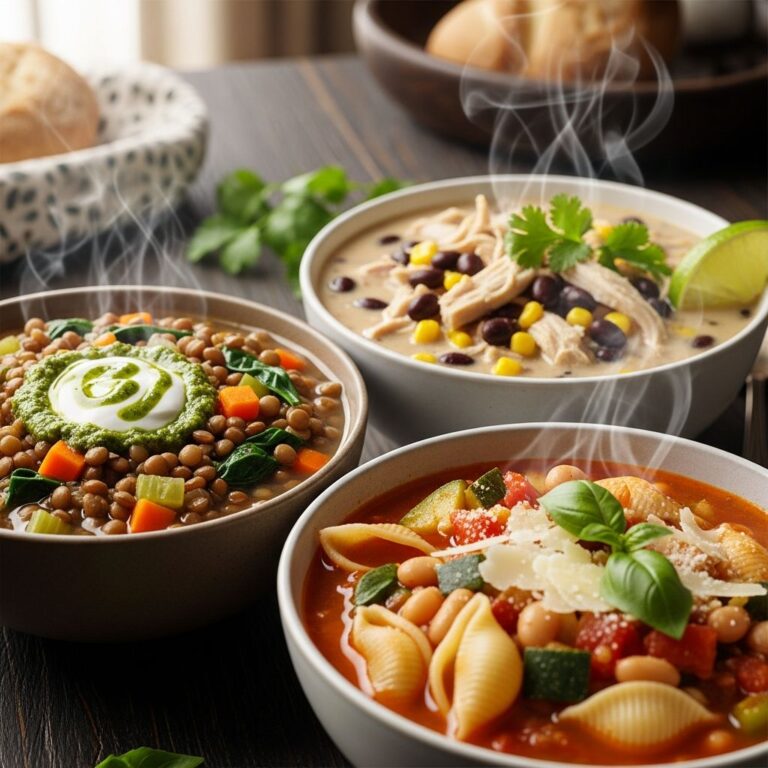
Dinner: Hearty Chili
Simmer navy beans with tomatoes, spices, and veggies. Freezes well for meal prep.
Snacks: Roasted Beans
Toss drained beans with oil and spices, roast at 400°F for 20-30 minutes. Crunchy, 7g fiber per 1/2 cup.
These recipes keep meals satisfying while targeting digestive relief.
Other Gut-Friendly Beans and Their Benefits
Black Beans: Rich in anthocyanins, they enhance insulin sensitivity via gut bacteria shifts.
Pinto Beans: Boost short-chain fatty acids in animal studies, protecting against metabolic issues.
Lentils and Chickpeas: Modulate colonic environment, increasing mucus and tight junctions for better barrier function.
Common beans overall show prebiotic potential, elevating SCFA levels and reducing inflammation.
Frequently Asked Questions
Are navy beans better than other beans for constipation?
Yes, their 19g fiber per cup and studies on metabolic improvements make them superior for bulking stool and promoting regularity.
How much fiber do I need daily for good digestion?
Aim for 25-38g; navy beans cover nearly half in one serving, per NHS guidelines.
Will beans cause gas forever?
No, regular intake (1/2 cup daily) adapts your gut in 8 weeks, minimizing bloating.
Can I eat canned navy beans?
Absolutely—rinse to reduce sodium by 40-50%; choose low-sodium for best taste and health.
Are beans safe for everyone?
Most yes, but consult a doctor if you have IBS; start slow and use aids like kombu.
Building a bean habit transforms digestion. Navy beans’ fiber prowess makes them the go-to for reliable poops and vibrant gut health.
References
- Are Beans Bad For You? The Truth About Lectin in Beans — Kris Carr. Accessed 2026. https://kriscarr.com/truth-about-beans-2/
- The 9 Healthiest Beans and Legumes You Can Eat — Healthline. 2023-06-30. https://www.healthline.com/nutrition/healthiest-beans-legumes
- Gas Reduction Tips — Bean Institute. Accessed 2026. https://beaninstitute.com/nutrition-health/gas-reduction-tips/
- Good foods to help your digestion — NHS. Accessed 2026. https://www.nhs.uk/live-well/eat-well/digestive-health/good-foods-to-help-your-digestion/
- Best-Tasting Canned Beans — Consumer Reports. Accessed 2026. https://www.consumerreports.org/health/canned-foods/best-tasting-canned-beans-a6489833691/
- Prebiotic Potential of Dietary Beans and Pulses and Their Resistant Starch — PMC (NCBI). 2022. https://pmc.ncbi.nlm.nih.gov/articles/PMC9100130/
Similar Articles








Read full bio of medha deb