Best Diet For Hashimoto’s Disease: 7-Day Meal Plan
Discover the optimal diet to manage Hashimoto's symptoms, reduce inflammation, and support thyroid health with expert-backed strategies.
Hashimoto’s disease, an autoimmune condition affecting the thyroid, can lead to hypothyroidism, fatigue, weight gain, and inflammation. While medication is essential, diet plays a crucial role in managing symptoms by reducing inflammation, supporting gut health, and providing key nutrients like selenium, zinc, and vitamin D. This article outlines the best dietary approaches, foods to eat and avoid, and practical meal plans based on clinical insights and research.
What Is Hashimoto’s Disease?
Hashimoto’s thyroiditis is the most common cause of hypothyroidism in iodine-sufficient regions. The immune system attacks the thyroid gland, impairing hormone production and leading to symptoms like fatigue, brain fog, hair loss, and joint pain. Nutrition can modulate immune response, with studies showing that deficiencies in selenium and iron exacerbate thyroiditis. A targeted diet helps restore balance by addressing gut permeability, inflammation, and nutrient gaps.
Why Diet Matters for Hashimoto’s
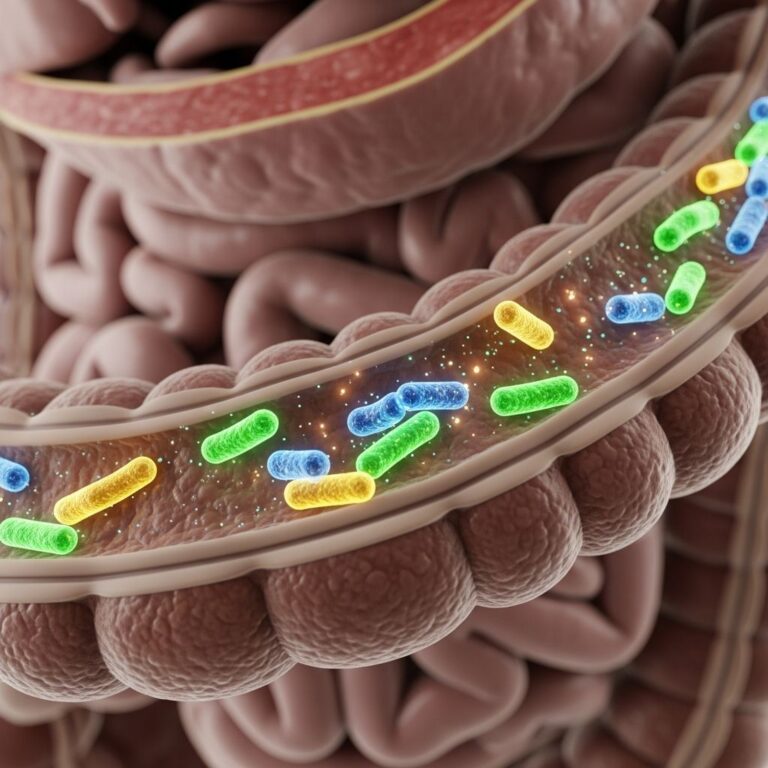
Diet influences Hashimoto’s through several mechanisms: it reduces intestinal permeability (leaky gut), a trigger for autoimmunity; provides antioxidants to combat oxidative stress; and supplies thyroid-supporting nutrients. Research indicates gluten-free and autoimmune protocols lower antibody levels in many patients. Balancing blood sugar prevents hormone fluctuations, while avoiding goitrogens in excess supports thyroid function.
The Best Diets for Hashimoto’s
Several diets show promise for Hashimoto’s management. The most effective include gluten-free, dairy-free, Paleo, and Autoimmune Protocol (AIP), often customized for thyroid health.
- Gluten-Free Diet: Gluten mimics thyroid tissue, potentially triggering autoimmunity. Eliminating it reduces antibodies in sensitive individuals.
- Paleo Diet: Focuses on whole foods like meats, vegetables, fruits, nuts, and seeds, excluding grains, dairy, and processed items. It balances blood sugar and boosts nutrients.
- Autoimmune Paleo (AIP): A stricter Paleo variant eliminating nightshades, eggs, nuts, seeds, and grains initially to heal the gut, then reintroducing foods.
- Hashimoto’s-Specific Adjustments: Limit high-mercury fish, iodine-rich foods, carbs for blood sugar control, and personal triggers identified via testing.
Foods to Eat on a Hashimoto’s Diet
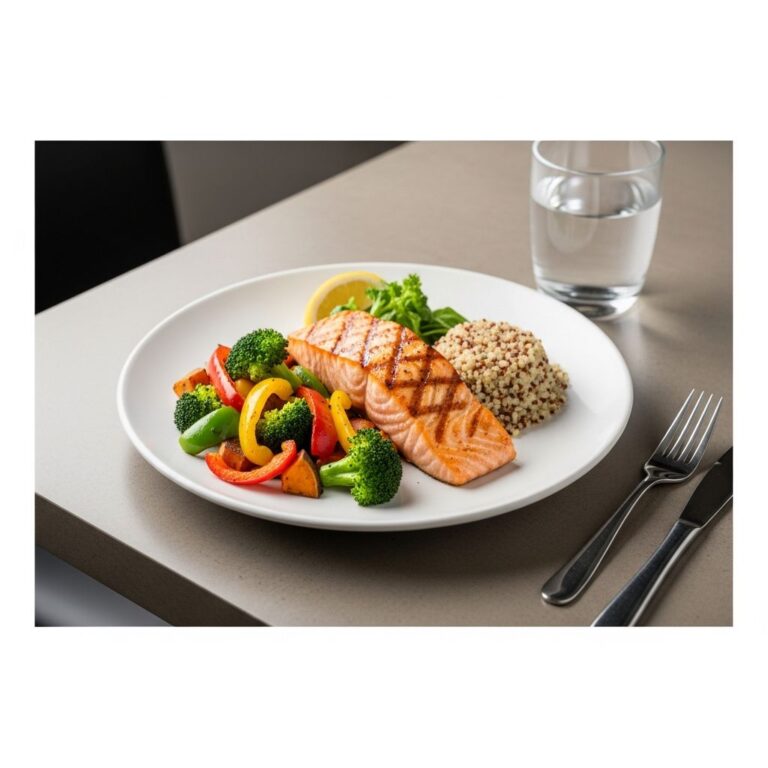
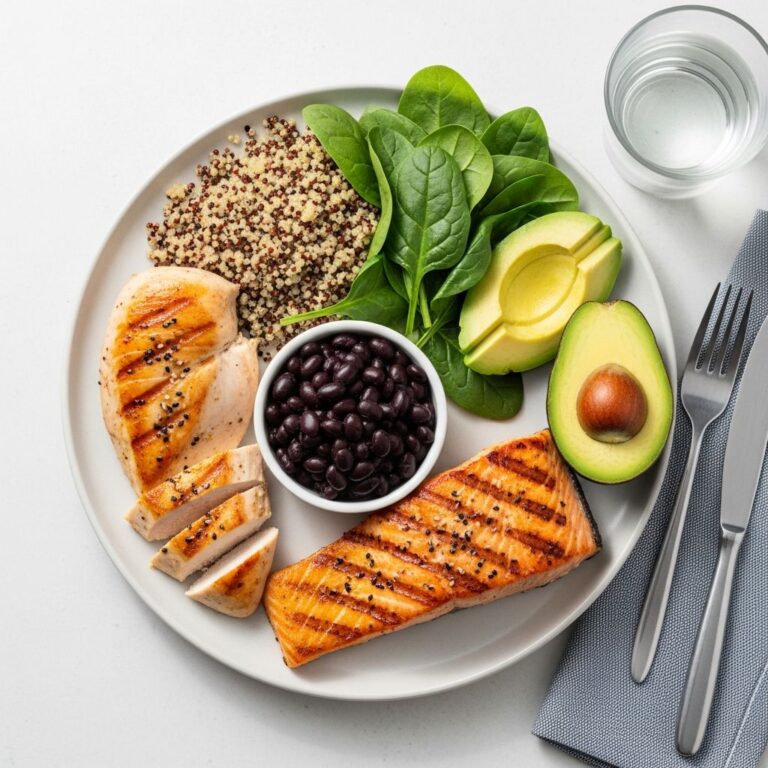
Prioritize nutrient-dense, anti-inflammatory foods. Fill half your plate with non-starchy vegetables, a quarter with protein, and the rest with healthy fats and fiber-rich carbs.
- Vegetables: Leafy greens (kale, spinach), broccoli (cooked), carrots, beets, bell peppers, zucchini.
- Fruits: Berries, apples, bananas, citrus (low-glycemic).
- Proteins: Grass-fed meats, wild-caught salmon, eggs, turkey, chicken, lentils (if tolerated).
- Healthy Fats: Avocado, olive oil, nuts (Brazil nuts for selenium), seeds.
- Gluten-Free Grains: Quinoa, brown rice, oats (if tolerated).
- Probiotics: Greek yogurt, kefir (dairy-free alternatives), sauerkraut.
- Spices: Turmeric, ginger, garlic for anti-inflammatory benefits.
Brazil nuts provide selenium, crucial for T4-to-T3 conversion and reducing antibodies.
Foods to Avoid with Hashimoto’s
Certain foods trigger inflammation or interfere with thyroid function.
- Gluten and Grains: Wheat, barley; may increase leaky gut.
- Dairy: Often cross-reactive with thyroid tissue.
- Soy: Goitrogenic, disrupts hormones.
- High-Iodine Foods: Seaweed, iodized salt (excess iodine worsens autoimmunity).
- Processed Sugars and Carbs: Spike blood sugar, promote inflammation.
- High-Mercury Fish: Tuna, swordfish.
- Raw Goitrogens: Cruciferous veggies in excess (cook to reduce effects).
Related Stories



Key Nutrients for Thyroid Health
Target these evidence-based nutrients:
| Nutrient | Role | Sources |
|---|---|---|
| Selenium | Reduces antibodies, supports conversion | Brazil nuts, salmon |
| Zinc | Hormone synthesis, immunity | Pumpkin seeds, beef |
| Vitamin D | Modulates autoimmunity | Fortified foods, sunlight |
| Iron | Prevents deficiencies worsening thyroiditis | Lean meats, spinach |
| Omega-3s | Anti-inflammatory | Fatty fish, flaxseeds |
7-Day Meal Plan for Hashimoto’s
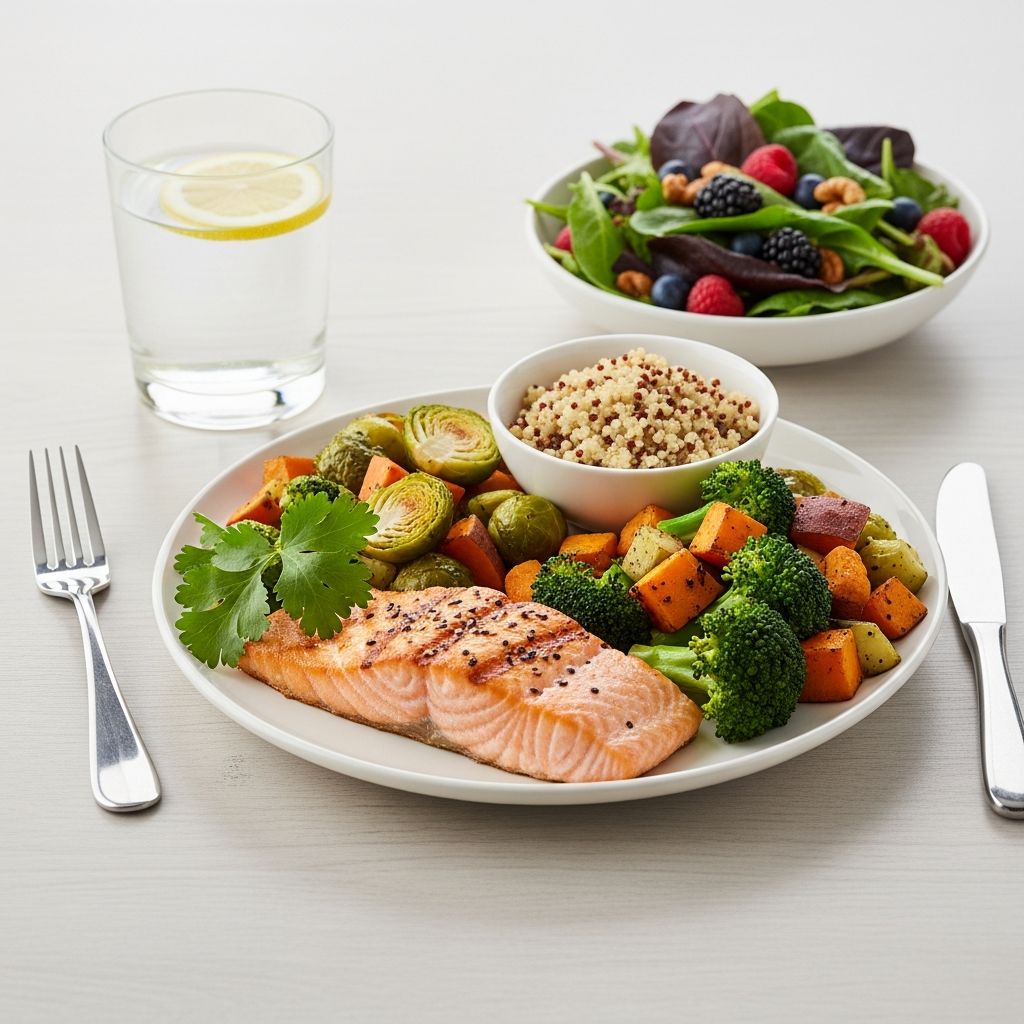
This thyroid-friendly plan emphasizes balance: 60-80g protein, 130-160g low-GI carbs, 30-40% fats daily. Adjust portions and consult a provider.
Day 1
- Breakfast: Egg omelet with spinach, asparagus, feta (if tolerated).
- Snack: Greek yogurt with berries, nuts.
- Lunch: Tuna salad with romaine, cucumbers, olive oil dressing.
- Snack: Protein smoothie (plant milk, PB, banana).
- Dinner: Grilled chicken, quinoa, broccoli.
- Snack: Hummus with veggies.
Day 2
- Breakfast: Smoothie with spinach, berries, chia, plant milk.
- Snack: Apple with almond butter.
- Lunch: Turkey lettuce wraps with avocado.
- Snack: Cottage cheese with seeds.
- Dinner: Baked salmon, sweet potato, kale salad.
- Snack: Dark chocolate (small piece).
Day 3
- Breakfast: Overnight oats (GF oats, yogurt, blueberries, chia).
- Snack: Carrot sticks with hummus.
- Lunch: Quinoa bowl with veggies, chickpeas.
- Snack: Handful Brazil nuts.
- Dinner: Grass-fed beef stir-fry with broccoli, brown rice.
- Snack: Herbal tea.
Day 4
- Breakfast: Chia pudding with coconut milk, kiwi, hemp seeds.
- Snack: Sunflower seed butter on celery.
- Lunch: Salmon quinoa veggie bowl with avocado.
- Snack: Greek yogurt with cinnamon.
- Dinner: Turkey meatballs, zucchini noodles, tomato sauce.
Day 5
- Breakfast: Scrambled eggs with turkey, spinach.
- Snack: Pear slices.
- Lunch: Chicken salad with mixed greens, beets.
- Snack: Pumpkin seeds.
- Dinner: Shrimp stir-fry with bell peppers, quinoa.
Day 6
- Breakfast: GF cereal with plant milk, walnuts.
- Snack: Banana with nut butter.
- Lunch: Veggie kabobs with shrimp, brown rice.
- Snack: Yogurt with apples, almonds.
- Dinner: Grilled chicken, wild rice, green beans.
Day 7
- Breakfast: Avocado toast (GF bread), poached eggs.
- Snack: Handful almonds, yogurt.
- Lunch: Lentil soup with salad.
- Snack: Berries.
- Dinner: Baked cod, roasted veggies, sweet potato.
Sample Grocery List
- Proteins: Chicken, salmon, eggs, turkey, canned tuna (light).
- Veggies: Spinach, broccoli, carrots, bell peppers, zucchini.
- Fruits: Berries, apples, bananas, kiwi.
- Grains: Quinoa, brown rice, GF oats.
- Fats: Avocado, olive oil, Brazil nuts, nut butters.
- Other: Greek yogurt (or alt), hummus, herbs/spices.
Frequently Asked Questions (FAQs)
Can I eat dairy on a Hashimoto’s diet?
Dairy is often avoided due to potential cross-reactivity, but tolerated low-lactose options like Greek yogurt may be fine. Test personally.
Should I go completely gluten-free?
Yes, for most; studies link gluten to higher antibodies via molecular mimicry.
Are nightshades okay?
Avoid initially on AIP; tomatoes, peppers, eggplant may inflame some.
How much selenium do I need?
55-200 mcg daily; 2-3 Brazil nuts suffice. Excess can harm.
Can diet cure Hashimoto’s?
No, but it reduces symptoms and antibodies significantly when combined with medication.
Additional Tips for Success
– Test for food sensitivities.
– Stay hydrated, limit caffeine.
– Incorporate fermented foods for gut health.
– Monitor with thyroid labs every 3-6 months.
– Consult a dietitian or doctor before changes.
References
- Nutritional Management of Thyroiditis of Hashimoto — PMC. 2022-04-20. https://pmc.ncbi.nlm.nih.gov/articles/PMC9101513/
- Hashimoto’s Disease Diet: A Thyroid-Friendly Eating Plan — Rupa Health. 2023. https://www.rupahealth.com/post/hashimotos-disease-diet-a-thyroid-friendly-eating
- Hashimoto Diet: Overview, Foods, Supplements, and Tips — Healthline. 2024. https://www.healthline.com/nutrition/hashimoto-diet
- Hashimoto’s disease diet: The best foods for hypothyroidism — Medical News Today. 2023. https://www.medicalnewstoday.com/articles/321197
- Diets and supplements for thyroid disorders — British Thyroid Foundation. 2024. https://www.btf-thyroid.org/diets-and-supplements-for-thyroid-disorders
Similar Articles








Read full bio of Sneha Tete