The Best Protein for Better Brain Health
Discover the top protein sources dietitians recommend for optimal brain function, memory, and cognitive health.
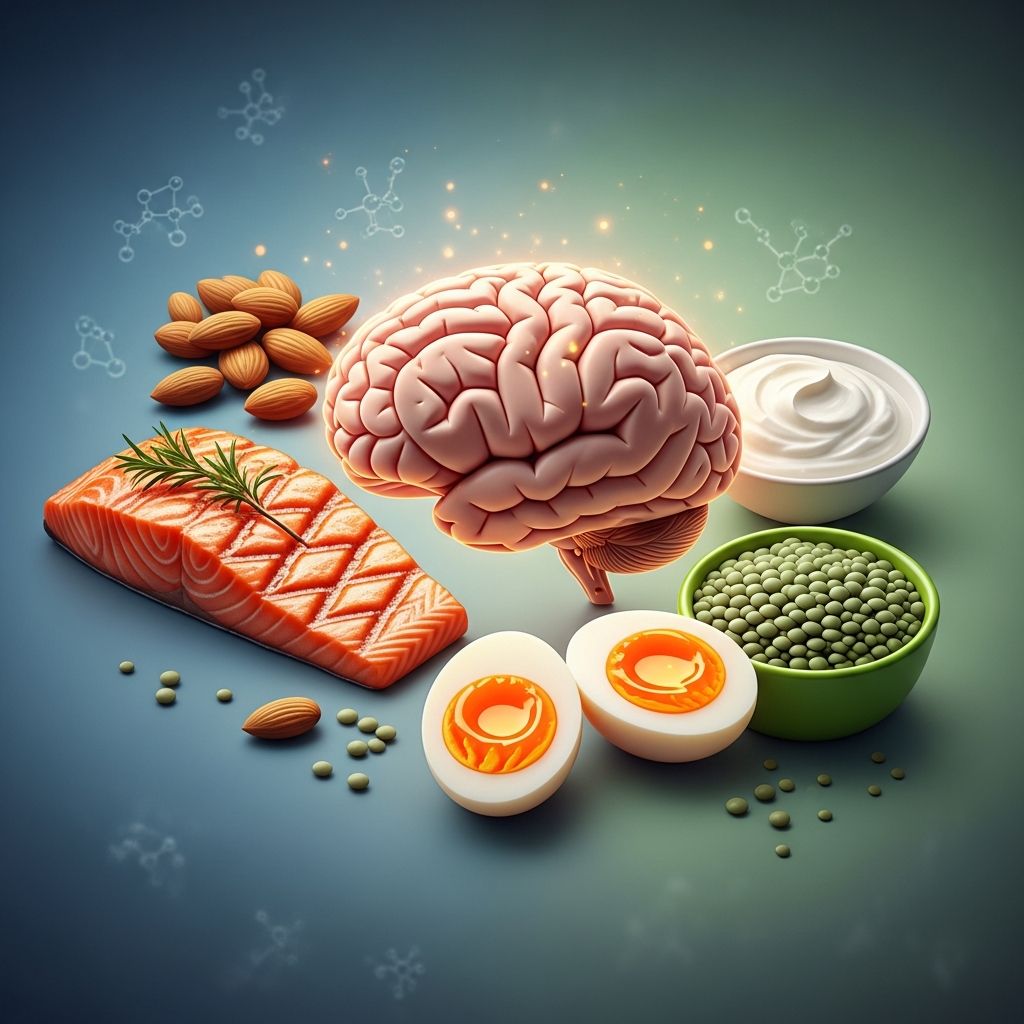
Protein plays a crucial role beyond muscle repair—it’s vital for brain health, neurotransmitter production, and cognitive function. Dietitians highlight specific protein sources that deliver amino acids and nutrients like omega-3s to protect brain cells, enhance memory, and lower neurodegenerative risks.
What Makes Protein Essential for Your Brain?
Proteins consist of amino acids, the building blocks that facilitate chemical reactions in the brain, support cell communication, and bolster the immune system. These amino acids form neurotransmitters, enabling neurons to communicate effectively. Research links adequate protein intake to better cognitive performance and reduced inflammation, key factors in preventing conditions like Alzheimer’s and Parkinson’s.
The brain, which is 80% water and secondarily protein-rich, relies on these nutrients for structure and function. Omega-3 fatty acids, often paired with proteins in foods like fish, maintain cell membranes and aid memory formation through synapse creation. Diets emphasizing diverse proteins, such as the Mediterranean pattern, correlate with lower neurodegenerative disease risks by providing essential fats, fiber, and vitamins.
How Much Protein Do You Need for Optimal Brain Health?
General guidelines recommend 0.8-1 gram of protein per kilogram of body weight daily for adults, adjusted for age, activity, sex, and health status. For a 125-pound (57 kg) woman, this equates to 45-57 grams per day. Active individuals or those with unintended weight loss may need more, while kidney issues or low activity might require less.
- Personalization is key: Those with Parkinson’s should monitor intake, as excess protein can interfere with carbidopa-levodopa efficacy.
- Consult experts: A registered dietitian-nutritionist (RDN) tailors needs based on medical history.
For brain health, prioritize quality over quantity—focus on sources rich in brain-supportive nutrients like B vitamins, iron, and omega-3s.
Top Protein Sources for Brain Health, Ranked by Dietitians
Dietitians rank proteins based on nutrient density, anti-inflammatory properties, and alignment with brain-protective diets. Here’s a breakdown:
1. Fatty Fish and Seafood (The #1 Choice)
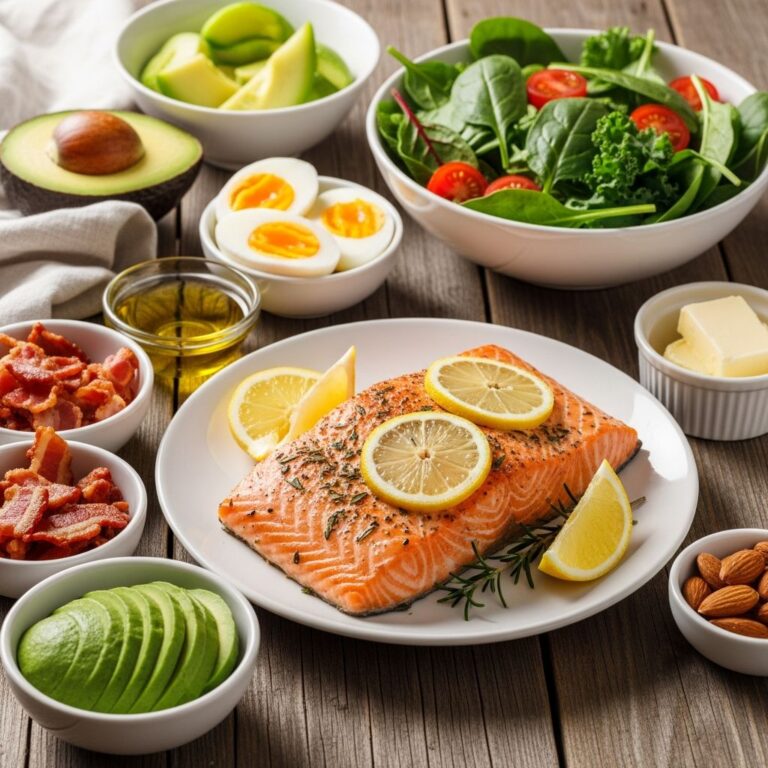
Salmon tops the list for its high-quality protein and omega-3s (DHA and EPA), which protect brain cells, boost memory, focus, and learning. Aim for three weekly servings, including one fatty fish like salmon, tuna, mackerel, herring, or sardines. These provide essential amino acids and reduce inflammation, supporting cell structure.
- Benefits: Improves Alzheimer’s memory; builds synapses for new memories.
- Pro tip: Grill or bake to preserve nutrients.
2. Plant-Based Proteins
Legumes (beans, lentils, peas), nuts, seeds, and whole grains offer fiber, vitamins, minerals, and plant proteins that nurture brain-gut health. Eat legumes three times weekly; add walnuts, almonds, flax, chia, quinoa, farro.
| Food | Protein (per serving) | Brain Boosters |
|---|---|---|
| Black beans (1 cup cooked) | 15g | Fiber, B vitamins, omega-6s for steady energy and concentration. |
| Walnuts (1 oz) | 4g | Omega-3s, antioxidants for neuron communication. |
| Quinoa (1 cup cooked) | 8g | Complex carbs, iron, B vitamins for memory and mood. |
3. Lean Meats and Poultry
Opt for skinless chicken, turkey over red meats (limit to 1-2 servings weekly). Lean options provide iron for neurotransmitter production and oxygen delivery to the brain, aiding attention and learning.
Related Stories



- Avoid excess red meat: Linked to inflammation in Western diets.
4. Dairy and Eggs
Low-fat dairy (Greek yogurt, skim milk, cheese) delivers protein, calcium, B vitamins, and probiotics for gut-brain axis support. Eggs offer 6g protein plus choline, essential for brain cell signaling.
- Fermented dairy like Greek yogurt: Probiotics may enhance mood and cognition.
Brain-Boosting Protein Combos and Meal Ideas
Combine sources for synergy:
- Breakfast: Greek yogurt with chia seeds, blueberries (antioxidants protect against free radicals).
- Lunch: Salmon salad with spinach, quinoa, avocado (omega-3s, vitamin E, folate).
- Dinner: Lentil soup with turkey, whole grains, tomatoes (lycopene reduces brain inflammation).
- Snack: Almonds and dark chocolate (antioxidants for cognitive delay of Alzheimer’s effects).
The Mediterranean diet integrates these: Emphasize fish, plants, lean proteins for holistic brain protection.
Potential Pitfalls and Tips for Success
Americans often underconsume seafood (90% shortfall) and plant proteins, favoring unhealthy fats. Counter this by diversifying intake.
- Supplements: Use protein shakes/powders if needs are high, but prioritize whole foods.
- Challenges: Protein timing matters for Parkinson’s patients—space doses around meds.
- Lifestyle tie-in: Pair with exercise, sleep for amplified benefits.
Frequently Asked Questions (FAQs)
What is the single best protein for brain health?
Salmon, due to its omega-3s that enhance memory, protect cells, and support learning.
How can vegetarians get enough brain-supportive protein?
Focus on legumes, nuts, seeds, quinoa, and dairy/eggs if lacto-ovo. These provide amino acids, fiber, and omegas.
Does too much protein harm the brain?
Generally no, but excess may interfere with Parkinson’s meds. Consult an RDN for personalized advice.
Can protein prevent Alzheimer’s?
It supports function and may delay onset via anti-inflammatory nutrients, but not a cure. Combine with antioxidants from berries, greens.
What’s a daily protein goal for seniors?
0.8-1g/kg body weight, higher if active. E.g., 60-75g for 150 lbs.
Incorporate these proteins daily to fuel your brain. Diverse, nutrient-rich choices promote long-term cognitive vitality, aligning with expert-backed patterns like the Mediterranean diet.
References
- The Power of Protein for Brain Health — Fixel UF Health, Emily Truscott, MS, RD, LD. 2024-12-18. https://fixel.ufhealth.org/2024/12/18/the-power-of-protein-for-brain-health/
- 15 “Brain Foods” That May Help Preserve Your Memory — UnityPoint Health. Recent (post-2023). https://www.unitypoint.org/news-and-articles/15-brain-foods-that-may-help-preserve-your-memory
- The Best Protein for Better Brain Health, According to Dietitians — AOL (via EatingWell source). 2024. https://www.aol.com/lifestyle/best-protein-better-brain-health-130000405.html
- Eating Well for Mental Health — Sutter Health. Recent (post-2023). https://www.sutterhealth.org/health/eating-well-for-mental-health
Similar Articles








Read full bio of Sneha Tete