Sports For Type 2 Diabetes: 5 Exercises For Blood Sugar Control
Discover the top sports recommended for managing type 2 diabetes, improving blood glucose control, and enhancing overall health through physical activity.
If you have
type 2 diabetes
, incorporating regular physical activity into your routine is one of the most effective ways to manage your condition. Exercise helps regulate blood glucose levels, supports weight management, and lowers the risk of complications like heart disease and nerve damage. According to health experts, activities that are moderate, sustainable, and enjoyable are ideal, as they promote consistency. This article explores the best sports based on patient surveys, clinical recommendations, and research on diabetes management through exercise.Why exercise matters for type 2 diabetes
Physical activity enhances insulin sensitivity, allowing your muscles to use glucose more effectively, which directly helps control blood sugar. The American Diabetes Association recommends at least 150 minutes of moderate aerobic exercise per week, combined with resistance training, for adults with type 2 diabetes. Regular movement also improves cardiovascular health, reduces inflammation, and boosts mental well-being, countering the sedentary lifestyle often linked to type 2 diabetes onset.
However, starting exercise requires caution. Monitor blood glucose before, during, and after activity to avoid hypoglycemia or hyperglycemia. Consult your doctor to tailor a plan, especially if you have complications like neuropathy or retinopathy.
Top recommended sports
A survey of over 1,000 people with type 2 diabetes highlighted sports that participants found most beneficial and accessible. These activities are low-impact, promote steady glucose use, and minimize injury risk for older adults, who comprise many with type 2 diabetes.
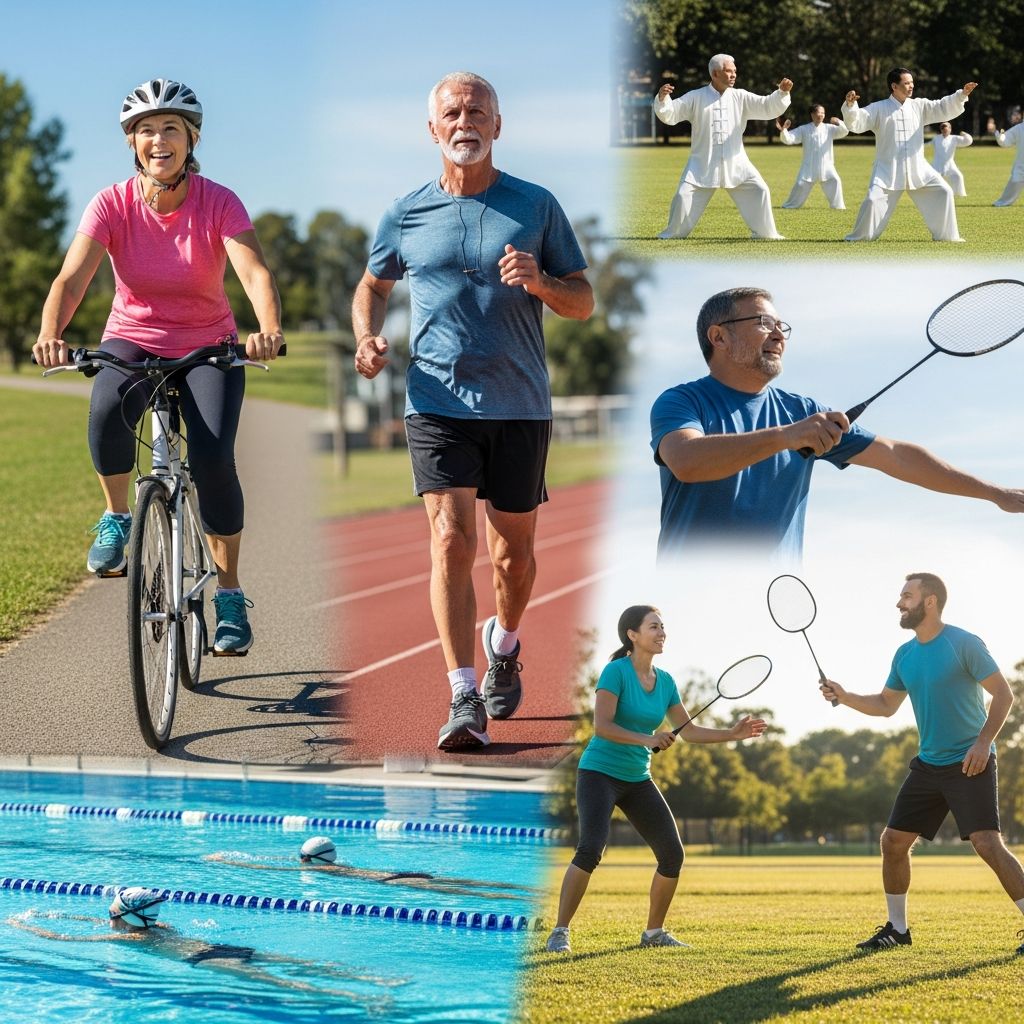
- Walking: Ranked highest (65% recommendation rate). It’s free, requires no equipment, and can be done anywhere. Brisk walking for 30 minutes daily improves glycemic control and cardiovascular fitness without joint strain.
- Swimming: Recommended by 60%. This full-body, non-weight-bearing sport is excellent for those with joint issues or obesity. It burns calories efficiently while being gentle on the body.
- Cycling: Favored by 55%. Stationary or outdoor biking builds endurance, strengthens legs, and supports weight loss. Adjust intensity to maintain moderate effort.
- Yoga: Endorsed by 50%. Focuses on flexibility, balance, and stress reduction, which indirectly aids glucose regulation by lowering cortisol levels.
- Golf: Supported by 45%. Walking the course provides aerobic benefits, while the social aspect encourages adherence.
These sports align with guidelines from sports science research, emphasizing activities with predictable intensity to manage glucose fluctuations.
Least recommended sports and why
Not all sports suit everyone with type 2 diabetes. High-risk activities can lead to injuries, extreme glucose swings, or complications due to age-related factors.
- Skiing/snowboarding (40% avoidance): High speeds and falls risk fractures, especially problematic with potential bone density issues in diabetes.
- Skateboarding/rollerblading (38%): Balance challenges increase fall risks, exacerbating neuropathy-related instability.
- Rugby (37%): Contact nature heightens injury odds, and unpredictable exertion disrupts glucose control.
Sports with intermittent high-intensity bursts, like these, can cause rapid glucose drops or rises, requiring advanced monitoring.
Related Stories



Sport-specific considerations for diabetes management
Different sports demand tailored strategies. For endurance activities like cycling or swimming, plan carbohydrate intake to prevent lows. In team sports, even moderate ones, have quick-access glucose sources.
| Sport | Glucose Impact | Management Tips |
|---|---|---|
| Walking/Cycling | Steady moderate drop | Monitor pre/post; snack if below 100 mg/dL |
| Swimming | Consistent burn | Hydrate well; check for 2 hours after |
| Yoga | Mild, stress-reducing | Combine with breathing for cortisol control |
| High-intensity (e.g., rugby) | Unpredictable swings | Avoid or use CGM; extra insulin adjustments |
Data adapted from diabetes sports research, showing need for individualized plans.
Tips for safe exercise with type 2 diabetes
To maximize benefits:
- Start slow: Build from 10-minute sessions.
- Check blood sugar: Target 90-180 mg/dL before exercise.
- Hydrate and fuel: Drink water; eat complex carbs pre-activity.
- Wear proper gear: Supportive shoes prevent blisters from neuropathy.
- Buddy system: Exercise with others for safety.
- Track progress: Use apps to log glucose and activity.
Research confirms that consistent moderate exercise can reduce A1C by 0.5-1% without medications.
Real-life success stories
Athletes with diabetes prove high performance is possible. While type 2 is rarer in elites, recreational success abounds. One study notes walkers achieving better HbA1c control than non-exercisers. Patient stories highlight swimming transforming mobility and confidence.
Potential challenges and how to overcome them
Barriers include motivation, joint pain, or fear of lows. Solutions: Set small goals, join diabetes-friendly classes, and use continuous glucose monitors (CGMs) for real-time data. Environmental factors like cold weather (affecting insulin absorption) require planning.
Frequently Asked Questions (FAQs)
Q: Can I exercise if my blood sugar is high?
A: Yes, moderate activity can lower it, but avoid if over 250 mg/dL with ketones. Consult your doctor.
Q: How soon after diagnosis should I start sports?
A: Immediately, with medical clearance. Early activity prevents progression.
Q: Is weightlifting safe?
A: Yes, 2-3 times weekly builds muscle, aiding glucose uptake.
Q: What if I have neuropathy?
A: Choose non-weight-bearing like swimming; inspect feet post-exercise.
Q: Can exercise replace medication?
A: It complements but rarely replaces; monitor with your provider.
Conclusion: Get moving today
Selecting the right sport empowers you to thrive with type 2 diabetes. Start with walking or swimming, track your responses, and celebrate improvements. With vigilance, exercise becomes a powerful ally in your health journey.
References
- Diabetes, Exercise and Competitive Sports — GSSI Sports Science Exchange. 2005. https://www.gssiweb.org/sports-science-exchange/article/sse-90-diabetes-exercise-and-competitive-sports
- The best sports to try if you have type 2 diabetes — Patient.info. 2018-01-25. https://patient.info/features/diabetes/the-best-sports-to-try-if-you-have-type-2-diabetes
- Management of Competitive Athletes With Diabetes — Diabetes Spectrum (ADA Journals). 2005. https://diabetesjournals.org/spectrum/article/18/2/102/1846/Management-of-Competitive-Athletes-With-Diabetes
Similar Articles








Read full bio of Sneha Tete