The Best Time to Take Protein Powder for Maximum Benefits
Discover the optimal times to consume protein powder based on science to boost muscle growth, aid weight loss, and enhance recovery.
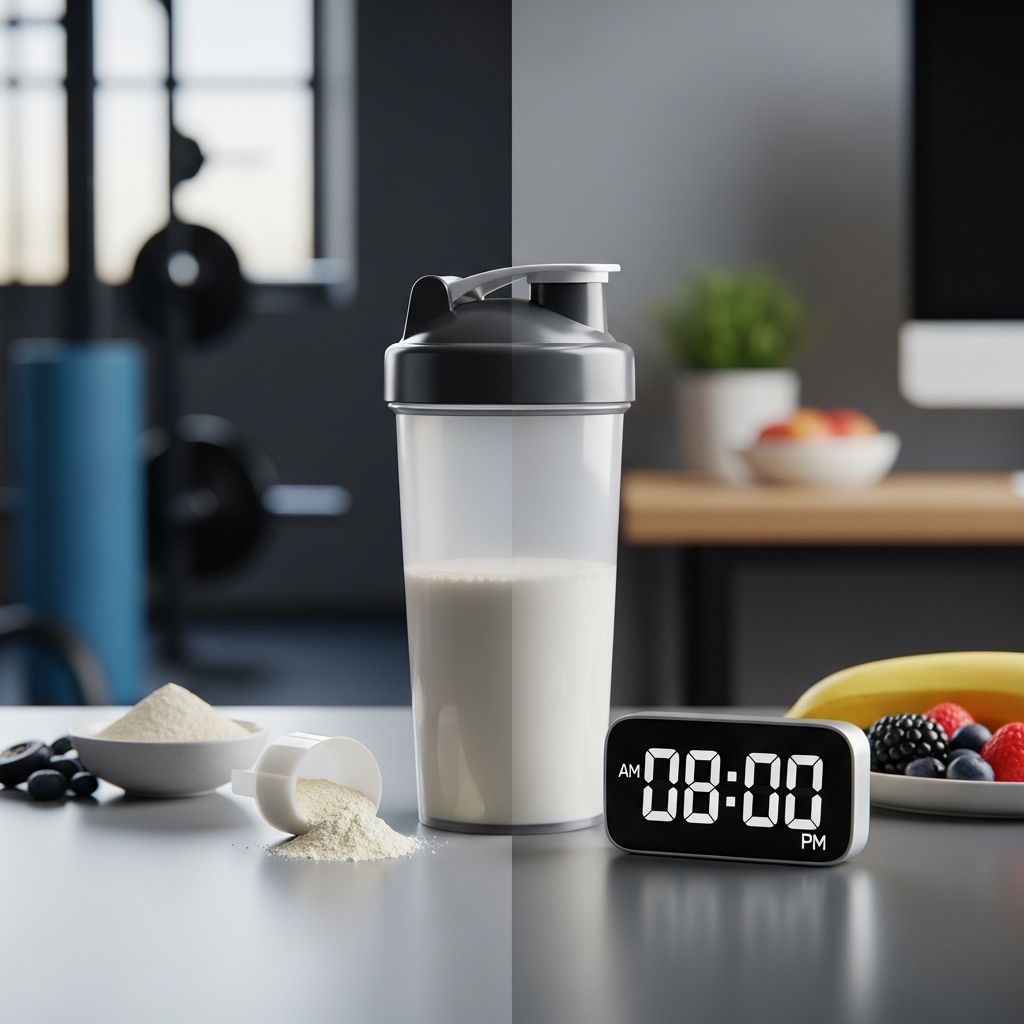
Protein powder has become a staple supplement for athletes, fitness enthusiasts, and anyone looking to support their health goals. But timing matters—or does it? While popular myths suggest a strict “anabolic window,” recent research shows total daily protein intake often trumps precise timing. This article explores evidence-based recommendations for when to take protein powder to maximize muscle growth, fat loss, recovery, and performance, drawing from clinical studies and expert insights.
Debunking the Anabolic Window Myth
The idea of an “anabolic window”—a 30-minute period post-workout where muscles supposedly absorb protein best—has been widely promoted. However, science paints a different picture. A study involving 21 men consuming 25 grams of whey protein either before or after full-body workouts three times weekly for 10 weeks found no significant differences in strength gains or muscle size between groups. This aligns with a comprehensive review of protein timing, which concluded that total protein intake, not peri-workout timing, is the primary driver of hypertrophy and strength.
Proponents once claimed protein outside this window was wasted, but evidence shows the window may extend 4-6 hours around training, depending on meal size and composition. For most people, convenience should guide timing rather than rigid rules.
Best Times to Take Protein Powder
While timing isn’t everything, strategic consumption can enhance specific goals. Here’s when protein powder shines:
- Post-Workout (Within 2 Hours): Ideal for muscle building, especially if training fasted. Research supports whey protein in this window for optimal nutrient utilization.
- Pre-Workout: Provides amino acids during exercise, potentially reducing soreness and aiding recovery when paired with carbs.
- Before Bed: Slow-digesting casein promotes overnight muscle protein synthesis, benefiting older adults and those building strength.
- Between Meals: Helps distribute protein evenly, curbing hunger for weight loss.
- Morning/Breakfast: Balances daily intake, preventing muscle loss in aging populations.
| Goal | Best Timing | Why It Works | Recommended Type |
|---|---|---|---|
| Muscle Growth | Post-workout or anytime | Total intake >0.8g/kg body weight drives gains | Whey (fast-absorbing) |
| Weight Loss | Mid-morning/afternoon snacks | Reduces ghrelin, cuts calorie intake | Whey or blend |
| Recovery | During/after workout with carbs | Speeds recovery, lowers soreness | Whey + carbs |
| Muscle Maintenance | Evenly throughout day | 25-30g per meal prevents sarcopenia | Casein for bedtime |
Protein Powder for Weight Loss
High-protein diets accelerate metabolism and suppress appetite by lowering ghrelin while boosting satiety hormones like GLP-1 and peptide YY. A study showed afternoon high-protein yogurt snacks led to 100 fewer dinner calories versus carb snacks, despite equal calories. Distribute whey protein shakes between meals to maintain steady intake, aiming for 1.6g/kg body weight daily for active individuals—far above the 0.8g/kg RDA.
For weight loss, blend protein with low-calorie ingredients like berries or spinach for satisfying smoothies that replace higher-calorie snacks.
Protein Powder for Muscle Building
Muscle hypertrophy requires surplus protein to repair workout-induced damage. Bodybuilders target 15-60 minutes post-exercise, but studies confirm a 2-hour window suffices. Fasted training? Consume immediately after to kickstart recovery. A meta-analysis of resistance training studies found protein dosing around workouts yielded mixed results, with total intake (every 0.5g/kg increase boosting effect size by ~0.2) as the key factor.
Well-trained athletes saw similar lean mass gains whether protein was taken peri-workout or morning/evening. Focus on 25-30g per scoop, 3-4 times daily.
Related Stories



Preventing Age-Related Muscle Loss
Sarcopenia affects those over 30, with 3-8% muscle loss per decade, raising fracture and mortality risks. Even distribution—25-30g per meal—combats this, as dinner often skews intake. Add whey to breakfast smoothies for balance. Older adults benefit from bedtime protein for overnight synthesis.
Boosting Workout Performance and Recovery
Protein plus carbs during/after exercise enhances endurance and cuts soreness, per a cyclist study. General populations prioritize total protein; athletes fine-tune peri-workout. No evidence supports pre-cardio shakes for acute fat burn.
Types of Protein Powder and Daily Needs
Whey Protein: Fast-digesting dairy protein, perfect pre/post-workout with bioactive benefits.
Casein Protein: Slow-release, ideal bedtime; provides 60% daily calcium.
Aim for 1.6g/kg for exercisers, spread every 3-4 hours. A scoop delivers 25-30g.
How Much Protein Powder Do You Need?
RDA is 0.8g/kg, but active adults need 1.6g/kg. Calculate yours: 70kg person = 112g daily. Divide into meals/snacks. Over 2g/kg offers no extra benefit for most.
Frequently Asked Questions
Is there a strict post-workout protein window?
No. Studies show no difference pre- vs. post-workout; total intake matters more.
Can I take protein powder before bed?
Yes, especially casein, to support overnight muscle repair.
What’s best for weight loss timing?
Between meals to control hunger and even out intake.
Does protein timing affect fat loss?
No direct boost; focus on total calories and protein.
How to distribute daily protein?
25-30g every 3-4 hours across 3-4 meals.
Practical Tips for Success
- Pair with carbs post-workout for glycogen refill.
- Choose third-party tested powders for purity.
- Track intake via apps to hit targets.
- Hydrate well—protein needs water for metabolism.
In summary, while myths persist, science prioritizes consistent, adequate protein over perfect timing. Tailor to goals for best results.
References
- When is the most effective time to drink whey protein? — Vinmec. 2023. https://www.vinmec.com/eng/blog/when-is-the-most-effective-time-to-take-whey-protein-en
- The effect of protein timing on muscle strength and hypertrophy — Journal of the International Society of Sports Nutrition (PMC). 2013-12-14. https://pmc.ncbi.nlm.nih.gov/articles/PMC3879660/
- When to Drink Protein Powder to Lose Weight? Timing Myths … — Central Texas College. 2024. https://www.ctcd.edu/sites/myctcd/discover/?p=when-to-drink-protein-powder-to-lose-weight-timing-myths-metabolism-and-what-the-science-actually-says-69776fed280ef
Similar Articles








Read full bio of medha deb