The Diverticulitis Diet: What You Need to Know
Learn how to manage diverticulitis flare-ups and prevent recurrence with targeted dietary strategies during acute phases and recovery.
Diverticulitis develops when small pouches called diverticula in the colon wall become inflamed or infected, leading to symptoms like abdominal pain, bloating, nausea, and changes in bowel habits. A tailored diet is essential for managing acute flare-ups by resting the bowel and promoting recovery, then transitioning to high-fiber eating to prevent future episodes.
What Is Diverticulitis?
Diverticulosis refers to the presence of diverticula, which are common in older adults due to low-fiber diets that increase colon pressure. Diverticulitis occurs when these pouches get inflamed, often from trapped stool or bacteria. Risk factors include age over 50, obesity, smoking, inactivity, and diets low in fiber but high in red meat and processed foods. High-fiber diets reduce the risk by softening stool and easing bowel movements.
During flare-ups, symptoms can be severe, prompting a shift to a low-residue or clear liquid diet to minimize irritation. As inflammation subsides, gradual reintroduction of foods supports healing while preventing constipation.
Diverticulitis Diet During a Flare-Up
When symptoms like pain and fever arise, doctors recommend starting with a
clear liquid diet
for 1-3 days to rest the intestines. This phase focuses on hydrating, low-residue fluids that produce minimal stool.- Broth (chicken, vegetable, beef—strained)
- Clear fruit juices (apple, cranberry—no pulp)
- Coconut water, sports drinks (for electrolytes)
- Gelatin, popsicles (sugar-free preferred)
- Herbal teas (chamomile, linden)
- Avoid dairy, solids, or pulpy juices initially
Progress to
low-fiber foods
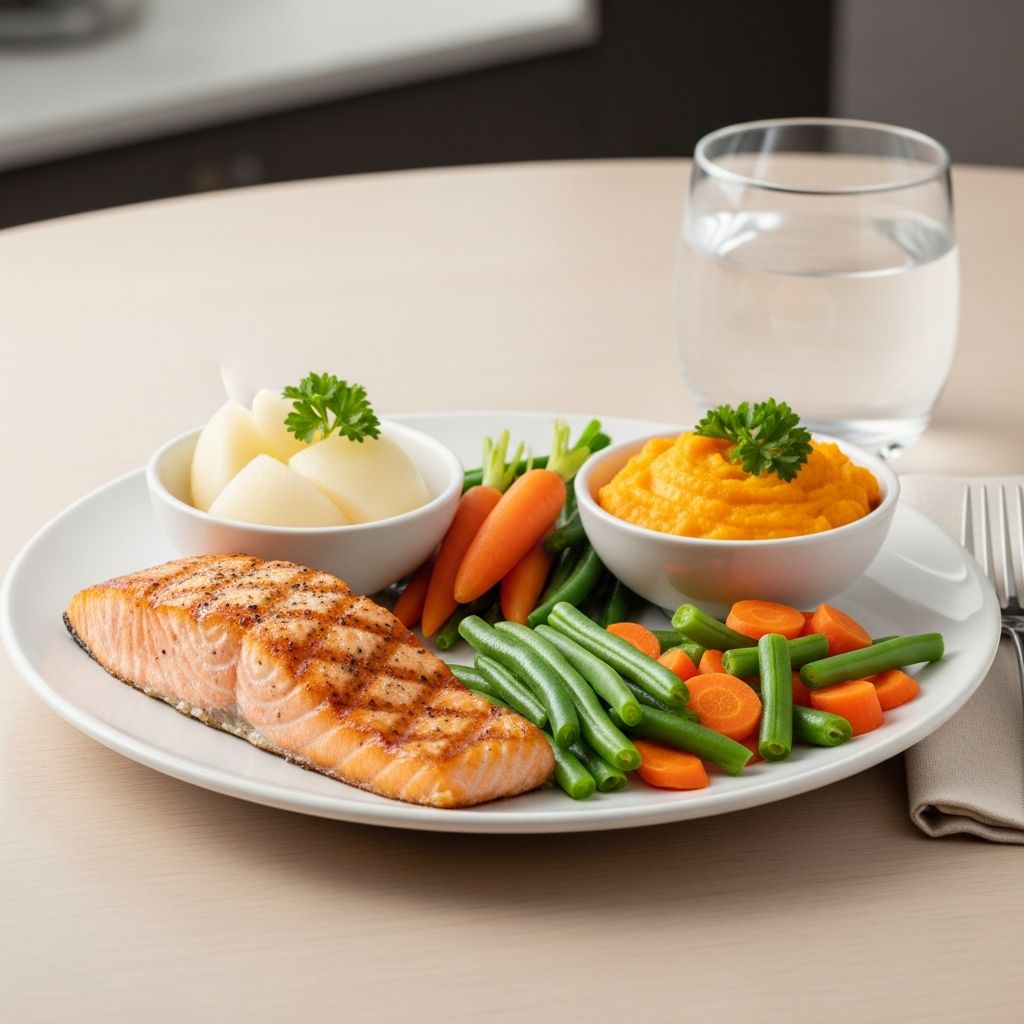
(24-48 hours later, per doctor guidance) as pain eases: white rice, refined pasta, boiled potatoes (no skin), tender cooked veggies (carrots, squash—mashed), eggs, canned fruits (peeled peaches), lean poultry or fish (shredded).Avoid high-fiber items like raw veggies, nuts, seeds, popcorn, and whole grains during this phase to prevent pouch irritation.
Foods to Eat During a Flare-Up
| Category | Recommended Foods | Why They Help |
|---|---|---|
| CLEAR LIQUIDS | Broth, apple juice, gelatin, tea | Hydrate without residue; rest bowels |
| LOW-FIBER | White bread, rice, mashed potatoes, eggs, canned fish | Easily digestible; low irritation |
| PROTEINS | Shredded chicken, poached fish, scrambled eggs | Gentle protein for healing |
Foods to Avoid During a Flare-Up
Steer clear of anything that could aggravate inflammation:
- High-fiber foods: Whole grains, bran, raw fruits/veggies, legumes
- Irritants: Nuts, seeds, popcorn, corn (myth debunked for prevention but avoid in acute phase)
- Red/processed meats: Increase risk and slow digestion
- Dairy (if intolerant): Full-fat milk, cheese
- Fried/spicy foods: Cause bloating
Diverticulitis Diet After a Flare-Up (Recovery & Prevention)
Once symptoms resolve (typically 3-7 days), transition to a
high-fiber diet
(25-35g/day) to bulk stool, reduce pressure on diverticula, and prevent recurrence. Increase fiber gradually over 1-2 weeks with ample water (8-10 cups/day) to avoid gas or cramping.Boost
soluble fiber
(oats, psyllium) for soft stool andinsoluble fiber
(veggie skins, whole grains) for motility. Probiotics from yogurt or kefir support gut bacteria balance.Related Stories



Best High-Fiber Foods for Prevention
- Fruits: Berries, apples (with skin), pears, bananas, oranges
- Vegetables: Broccoli, carrots, leafy greens, potatoes (skin on)
- Grains: Oats, brown rice, quinoa, whole-wheat bread
- Legumes: Lentils, beans, chickpeas (introduce slowly)
- Other: Nuts/seeds (if tolerated), popcorn
Vegetarian patterns high in fiber show protective effects, but focus on plants over meat restriction alone.
Sample 4-Day Meal Plan for Diverticulitis
This plan progresses from clear liquids to low-fiber, then high-fiber phases. Adjust portions and consult a doctor.
| Meal | Day 1 (Clear Liquids) | Day 2 (Low-Fiber) | Day 3 (Transition) | Day 4 (High-Fiber) |
|---|---|---|---|---|
| Breakfast | Apple juice + herbal tea | Oatmeal (white oats) + banana | Scrambled eggs + white toast | Oatmeal w/ berries + chia seeds |
| Morning Snack | Gelatin + broth | Sugar-free Jello + chamomile tea | Plain yogurt + peeled pear | Apple slices + handful almonds |
| Lunch | Chicken broth | Blended veggie soup + white rice | Shredded chicken + mashed potatoes + cooked carrots | Grilled fish + quinoa + broccoli salad |
| Afternoon Snack | Coconut water | Peach juice + crackers | Natural yogurt | Carrot sticks + hummus |
| Dinner | Strained veggie broth | Poached fish + mashed squash | Omelet w/ spinach + rice + olive oil | Baked chicken + brown rice + leafy greens |
High-Fiber Sample Day for Prevention
- Breakfast: Porridge with banana and psyllium
- Lunch: Lentil soup + wholegrain bread + salad
- Dinner: Fish with potato salad, slaw, and steamed veggies
- Snacks: Fresh fruit, nuts, muesli bars
Frequently Asked Questions (FAQs)
What should I eat during a diverticulitis flare-up?
Start with clear liquids like broth and gelatin, then low-fiber foods such as white rice and mashed potatoes. Avoid fiber until symptoms improve.
Can I eat nuts and seeds with diverticulitis?
The myth is debunked; they don’t cause flare-ups and can be part of a preventive high-fiber diet if tolerated.
How much fiber for diverticulitis prevention?
Aim for 25-35g daily from whole foods, increasing gradually with water. Supplements like psyllium help.
Does red meat worsen diverticulitis?
Limiting red/processed meats reduces risk; opt for poultry, fish, and plants.
Are probiotics helpful?
Yes, strains like lactobacilli may treat symptoms and prevent recurrence by supporting gut health.
Additional Tips for Managing Diverticulitis
Exercise regularly, maintain healthy weight, quit smoking, and consider low-FODMAP if recurrence persists. Vitamin D may aid if deficient. Always personalize with a healthcare provider.
References
- Diverticulitis Diet: What to Eat, Food to Avoid & 4-Day Meal Plan — Tua Saude. 2023. https://www.tuasaude.com/en/diverticulitis-diet/
- Diverticulitis: Symptoms, causes and what to eat — Healthy Food Guide. 2023. https://www.healthyfood.com/advice/diverticulitis-symptoms-causes-and-what-to-eat/
- The Best Diverticulitis Diet: Splitting Fact From Fiction — Diet vs Disease. 2023. https://www.dietvsdisease.org/diverticulitis-diet/
- The diverticulitis diet: Best foods to eat during a flare-up — Baylor Scott & White Health. 2023. https://www.bswhealth.com/blog/diverticulitis-diet
- Diverticulitis diet: Foods to eat and avoid — Medical News Today. 2023-10-10. https://www.medicalnewstoday.com/articles/327259
- Diverticulitis – An Update from the Age Old Paradigm — PMC (NCBI). 2020-09-28. https://pmc.ncbi.nlm.nih.gov/articles/PMC7575828/
- Diverticular Disease — Physicians Committee for Responsible Medicine (PCRM). 2023. https://nutritionguide.pcrm.org/nutritionguide/view/Nutrition_Guide_for_Clinicians/1342046/all/Diverticular_Disease
Similar Articles








Read full bio of medha deb