The Growing Child: Understanding Your One-Year-Old’s Development
Explore the milestones, health, and care tips essential for nurturing your one-year-old’s growth and independence.
The Growing Child: A Closer Look at Your One-Year-Old
Reaching one year marks a significant milestone in your child’s life and your parenting journey. At this stage, your toddler is rapidly developing new skills, gaining independence, and exploring the world with increasing curiosity. Understanding the physical, cognitive, social, and emotional changes that occur during this phase can help you provide the best care and support possible.
Physical and Motor Development Milestones
By the time your child is 12 months old, many infants can pull themselves to a standing position and start cruising along furniture. Walking independently is common but can range widely—from as early as 9 months to as late as 18 months—which is normal for toddlers.
- Standing and walking: Pulling to stand, cruising, and possibly first independent steps.
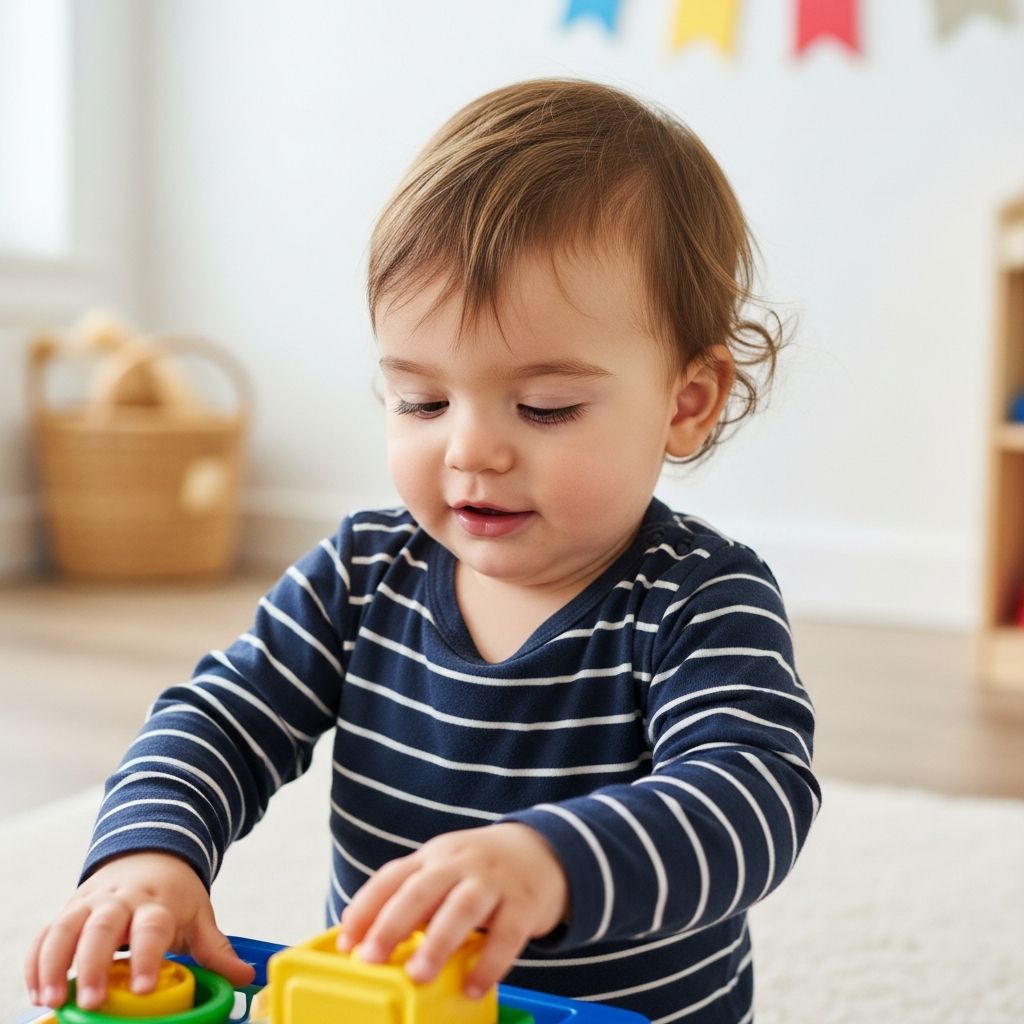
- Fine motor skills: Picking up objects using thumb and pointer finger (pincer grasp), and beginning to use utensils like spoons with assistance.
- Coordination: Enjoys putting objects into containers and looking for hidden toys, showcasing early problem-solving abilities.
Cognitive and Language Development
At this age, your toddler’s brain is absorbing and processing an incredible amount of information about their environment.
- Understanding commands: Responds to simple one-step directions such as “pick up the ball” or “look at the dog.”
- First words: Most one-year-olds say “mama,” “dada,” and a few other words meaningful to them.
- Imitation and play: Engages in simple interactive games like pat-a-cake and waving bye-bye, demonstrating emerging social awareness.
- Associative learning: Begins to attach meaning to words, gestures, and objects, a foundation for language development.
Social and Emotional Growth
Emotional development is equally significant around this age, with many toddlers experiencing separation anxiety and increased self-awareness.
- Separation anxiety: Normal part of development; toddlers may be upset when separated from parents but typically calm with reassurance.
- Expressing emotions: Uses gestures like waving and head shaking to communicate feelings such as agreement or refusal.
- Independence: Exhibits a growing desire to do things on their own, from feeding themselves to attempting to dress or undress.
Eating and Nutrition
At one year, toddlers transition to a diet with increasing variety, including solid foods alongside breast milk, formula, or cow’s milk.
- Meal patterns: Typically enjoys three meals and two snacks daily.
- Portion size: About a quarter cup of each food group per meal is sufficient; toddlers regulate their appetite well and may eat less some days.
- Food preferences: Often develops strong likes or dislikes — patience and offering varied foods helps encourage healthy eating habits.
- Drinking skills: Starts drinking from a cup with assistance, an important developmental step.
Sleep Patterns and Schedules
Sleep remains vital for your toddler’s development, with typical needs as follows:
- Total sleep: Around 13 to 14 hours daily, including 10 to 11 hours at night.
- Naps: Usually two daytime naps lasting about three hours combined; moving towards a single afternoon nap may begin before age two.
- Sleep routines: Consistent bedtime routines and soothing techniques support healthy sleep habits.
Related Stories



Supporting Your One-Year-Old’s Development
Parents can foster growth with activities and interactions that nurture your child’s skills and confidence.
- Language development: Use picture books, name animals and body parts aloud, and emphasize names of family and friends to build vocabulary.
- Encouraging independence: Allow your toddler to attempt self-feeding, dressing, and exploring safely under supervision.
- Outdoor play: Let your child feel grass, sand, or water with bare feet and hands, stimulating tactile senses and gross motor skills.
- Interactive play: Engage in simple games, singing, and conversations to stimulate social and emotional growth.
Health and Safety Considerations
Regular pediatric visits remain crucial for tracking development and addressing potential concerns.
- Developmental screenings: Pediatricians check milestones such as social interaction, motor skills, and language to ensure typical progress.
- Immunizations: Updated vaccinations protect against common childhood illnesses.
- Safety: Childproofing the environment to prevent falls, poisoning, and accidental injuries is essential as mobility increases.
- Oral health: Introduce gentle tooth brushing as teeth erupt and schedule dental visits.
Frequently Asked Questions about One-Year-Old Development
Q: When should my one-year-old start walking independently?
A: Walking typically begins between 9 and 18 months. Many toddlers cruise along furniture before taking independent steps, and some may start walking after their first birthday without cause for concern.
Q: How much sleep does a 12-month-old need?
A: Most one-year-olds require about 13 to 14 hours of sleep daily, split between nighttime sleep and two daytime naps. This schedule supports their growth and energy needs.
Q: What are normal eating habits for a one-year-old?
A: One-year-olds usually have three meals and two snacks per day and tend to eat small portions. They have an innate ability to regulate hunger, so it is best to offer a variety of healthy foods without forcing them to finish everything.
Q: How can I help my toddler develop language skills?
A: Engaging your child in talking, naming objects, reading together, and encouraging imitation helps improve vocabulary and communication skills.
Q: Is separation anxiety normal in one-year-olds?
A: Yes, it is a typical developmental phase showing your child is developing strong attachments. Patience, reassurance, and gradual separations help your toddler adjust.
References
- 12-Month-Old Baby: Milestones, Growth Spurts and More — The Bump. Updated 2024. https://www.thebump.com/baby-month-by-month/12-month-old-baby
- Child Development and COVID-19: Lessons from Johns Hopkins Study — Johns Hopkins Medicine. 2024-04-22. https://www.news-medical.net/news/20240422/Modest-effects-on-child-development-from-COVID-19-Johns-Hopkins-study-shows.aspx
Similar Articles








Read full bio of medha deb