Health Benefits Of Blueberries: 6 Science-Backed Advantages
Discover the science-backed benefits of blueberries for heart health, brain function, diabetes prevention, gut health, and more.
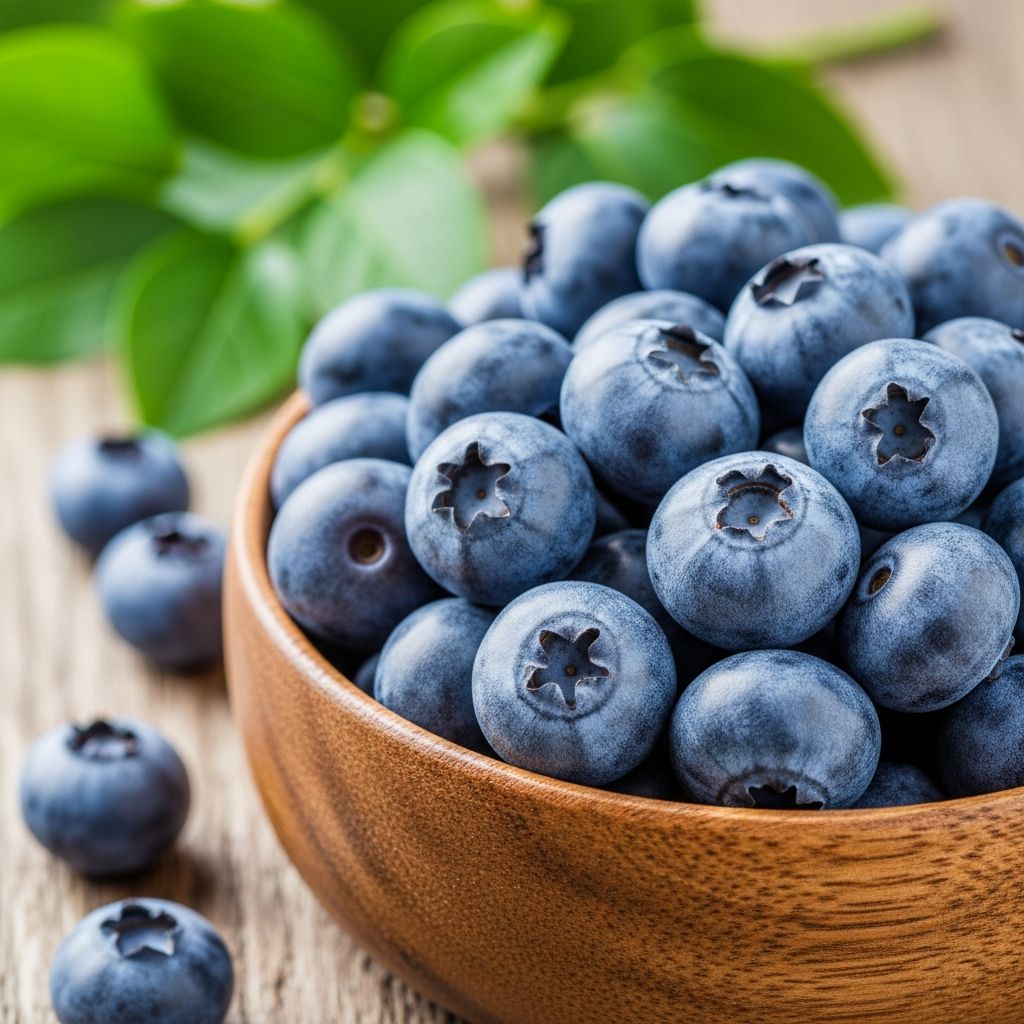
Blueberries, often hailed as a superfood, are small berries packing a powerful nutritional punch. Rich in vitamins, minerals, fiber, and especially anthocyanins—the antioxidants responsible for their vibrant blue-purple color—these berries offer wide-ranging health benefits supported by extensive research. Regular consumption has been linked to improved cardiovascular health, better blood sugar control, enhanced brain function, healthier gut microbiota, and faster exercise recovery. This article dives into the science behind why blueberries deserve a spot in your daily diet.
Nutrition Facts of Blueberries
A one-cup serving (about 148 grams) of fresh blueberries provides approximately 80 calories, 4 grams of dietary fiber (16% of daily value), 25% of the recommended daily vitamin C, and notable amounts of vitamin K and manganese. They are low in fat and sodium, making them ideal for weight management due to their high water content and fiber, which promote satiety without excess calories.
Blueberries stand out for their high antioxidant capacity, particularly from polyphenols like anthocyanins. Wild blueberries have even higher levels than cultivated varieties, surpassing other berries like strawberries or cranberries in total antioxidant power. These compounds combat oxidative stress, a key factor in aging, heart disease, and cancer.
- Calories: 80 per cup
- Fiber: 4g (16% DV)
- Vitamin C: 25% DV
- Vitamin K: Excellent source
- Manganese: Good source
- Anthocyanins: 150–350mg per 1–2 cups
Blueberries and Heart Health
Blueberries are renowned for their cardiovascular benefits. Research shows they improve endothelial function, enhance vasodilation, blood flow, and vascular elasticity while reducing total cholesterol, lipoproteins, and inflammatory markers like C-reactive protein. A meta-analysis of 44 RCTs and 15 cohort studies confirmed anthocyanin-rich berries like blueberries lower these risks.
Harvard research indicated that women eating berries reduced heart attack risk by 33%. In animal studies, blueberry-fed subjects developed fewer arterial plaques, slowing atherosclerosis. Human trials show daily intake of 1–2 cups for 6–24 weeks lowers blood pressure in those with metabolic syndrome, hypertension, or sedentary lifestyles.
Mechanistically, anthocyanins are metabolized into compounds that reduce inflammation and improve vessel function. Even low doses (equivalent to 0.5 cups) benefit healthy young adults, though higher amounts may be needed for older individuals with risk factors.
Blueberries and Diabetes
For pre-diabetes and type 2 diabetes, blueberries shine by boosting insulin sensitivity and metabolic markers. Studies demonstrate notable improvements in just six weeks among at-risk individuals. Overall, they lower mortality risk from diabetes and related conditions.
Regular consumption supports blood sugar regulation through polyphenols that enhance glucose metabolism and reduce inflammation. RCTs using 150–350g daily (1–2 cups) showed benefits in glycemic control, making blueberries a smart choice for diabetes prevention and management.
Blueberries and Brain Health
Blueberries protect brain health and cognitive function, potentially delaying age-related decline. Anthocyanins cross the blood-brain barrier, reducing oxidative stress and inflammation in neural tissues. Research links habitual intake to lower cognitive decline risk and improved memory.
Prospective studies associate blueberry consumption with better executive function and memory in older adults. The antioxidants combat neurodegeneration, supporting overall brain resilience against aging and disease.
Related Stories



Blueberries and Gut Health
Emerging evidence highlights blueberries’ role in gut health. Anthocyanins are metabolized by gut microbiota into beneficial compounds that modulate microbiome composition. They promote beneficial bacteria like Bifidobacteria, improve intestinal barrier function, reduce permeability, suppress inflammation, and alleviate oxidative stress.
Animal studies show blueberries enhance gut morphology and microbial diversity. In humans, wild blueberry drinks favorably alter microbiota, supporting digestive and immune health. These interactions amplify the berries’ systemic benefits.
Blueberries and Exercise Recovery
Athletes benefit from blueberries’ anti-inflammatory properties post-exercise. Consumption reduces exercise-induced inflammation and oxidative stress markers while boosting anti-inflammatory cytokines. An RCT found 1 cup daily for two weeks countered proinflammatory lipid mediators after intense cycling.
These effects aid muscle recovery, reduce soreness, and improve performance metrics. More research is ongoing, but initial findings position blueberries as a natural recovery aid.
Other Potential Health Benefits
Beyond core areas, blueberries show promise in cancer prevention via fiber for weight control and antioxidants against oxidative damage. They may reduce overall mortality and chronic disease risk through multifaceted mechanisms.
| Health Area | Key Benefits | Supporting Evidence |
|---|---|---|
| Heart Health | Lower cholesterol, better blood flow | Meta-analysis of 44 RCTs |
| Diabetes | Improved insulin sensitivity | 6-week human trials |
| Brain Health | Enhanced memory, reduced decline | Prospective cohorts |
| Gut Health | Increased beneficial bacteria | Clinical microbiota studies |
| Exercise Recovery | Reduced inflammation | 2-week RCT post-cycling |
How Many Blueberries Should You Eat Per Day?
Research suggests ½ to 2 cups (75–300g) daily for benefits, providing 150–700mg anthocyanins. Responses vary by diet, lifestyle, and health status. Start with 1 cup in smoothies, yogurt, or oatmeal. Fresh, frozen, or wild all work; wild offer higher antioxidants.
- Minimum effective dose: ½ cup
- Optimal range: 1–2 cups
- Forms: Fresh, frozen, dried (in moderation)
Are Frozen Blueberries as Healthy as Fresh?
Yes, frozen blueberries retain nearly identical nutritional value, including antioxidants, as they are typically frozen at peak ripeness. This preserves anthocyanins better than prolonged fresh storage. Choose unsweetened frozen varieties.
Blueberry Recipes for Maximum Health Benefits
Incorporate blueberries easily:
- Smoothie: Blend 1 cup blueberries, spinach, yogurt, and almond milk.
- Oatmeal topping: Add ½ cup to oats with nuts.
- Salad: Mix with greens, feta, and vinaigrette.
- Baked goods: Use in muffins with whole grains (limit sugar).
These recipes maximize intake while enhancing meals.
Frequently Asked Questions
Can blueberries help with weight loss?
Yes, their low calories, high fiber, and water content promote fullness, aiding weight management.
Are wild blueberries better than cultivated?
Wild blueberries have higher antioxidant levels, but both provide significant benefits.
How do blueberries affect blood sugar?
They improve insulin sensitivity without spiking blood sugar, beneficial for diabetes.
Can children eat blueberries daily?
Yes, in age-appropriate amounts; they support growing bodies with nutrients and antioxidants.
Do blueberries interact with medications?
Generally safe, but consult a doctor if on blood thinners due to vitamin K.
References
- Blueberries: Small Fruit, Big Benefits — Baylor University. 2025-01-01. https://news.web.baylor.edu/news/story/2025/blueberries-small-fruit-big-benefits
- The nutritional power of blueberries — Mayo Clinic Health System. 2024-06-15. https://sncs-prod-external.mayo.edu/hometown-health/speaking-of-health/the-power-of-blueberries
- Blueberries and Health — USDA Agricultural Research Service. 2014-07-01. https://www.ars.usda.gov/plains-area/gfnd/gfhnrc/docs/news-articles/2014/blueberries-and-health/
- The state of the science on the health benefits of blueberries — PMC / NIH. 2024-05-20. https://pmc.ncbi.nlm.nih.gov/articles/PMC11196611/
Similar Articles








Read full bio of Sneha Tete