Health Benefits Of Tea: 7 Key Ways It Boosts Wellness
Discover how tea supports heart health, fights oxidative stress, aids weight management, and promotes longevity with its powerful antioxidants.

Tea, one of the world’s most popular beverages, offers a range of health benefits backed by scientific research. From green tea’s potent catechins to black tea’s theaflavins, these drinks are rich in polyphenols that combat oxidative stress and support overall wellness.
Types of Tea
All true teas derive from the Camellia sinensis plant, differing mainly in processing methods that influence their flavor, color, and health properties. Green tea undergoes minimal oxidation, preserving high levels of catechins like EGCG. Black tea is fully oxidized, producing theaflavins and thearubigins. Oolong falls in between, partially oxidized, while white tea is the least processed, harvested from young buds.
- Green Tea: High in catechins; linked to metabolism boost and heart protection.
- Black Tea: Contains theaflavins; associated with lower mortality risk.
- Oolong Tea: Aids digestion and weight management.
- White Tea: Gentle antioxidants for skin health.
- Pu-erh Tea: Fermented; supports gut health and cholesterol reduction.
Herbal teas like chamomile or peppermint, while beneficial, are tisanes not derived from Camellia sinensis and lack the same polyphenol profile.
Antioxidants in Tea
Tea’s primary health-promoting compounds are polyphenols, acting as antioxidants to neutralize free radicals—unstable molecules that damage cells and contribute to aging and diseases like cancer. Catechins in green tea, such as epigallocatechin gallate (EGCG), boost enzymes like superoxide dismutase (SOD), catalase (CAT), and glutathione peroxidase (GSH-Px), reducing malondialdehyde (MDA), a marker of oxidative damage.
Black tea’s theaflavins and thearubigins offer similar protection, lowering cholesterol oxidation and inflammation. Regular intake enhances the body’s antioxidant capacity, protecting against oxidative stress from infections, toxins, or aging.
Heart Health
Tea consumption is strongly linked to cardiovascular benefits. Green tea lowers blood pressure, improves cholesterol profiles, and reduces death risk from heart disease. A UK Biobank study of nearly 500,000 adults found those drinking 2+ cups of black tea daily had 9-13% lower all-cause mortality, including from cardiovascular disease, stroke, and ischemic heart disease—independent of milk, sugar, or caffeine metabolism.
Flavonoids in tea improve endothelial function, reduce LDL oxidation, and inhibit platelet aggregation. Habitual drinkers show up to 20% lower cardiovascular event risk. Recent reviews confirm green tea’s role in preventing CVDs and obesity-related heart strain.
Cancer Prevention
Polyphenols in tea regulate cancer cell growth by inhibiting NF-κB pathways, reducing β-catenin expression, and promoting apoptosis. Green tea catechins prevent mutations, boost detoxification enzymes, and lower risks of respiratory, digestive, and urinary cancers in animal models.
Human studies associate higher tea intake with reduced breast, prostate, and colorectal cancer risks via free radical scavenging. Black tea shows similar protective effects. A 2026 review highlights tea’s broad anti-cancer potential alongside metabolic benefits.
Brain Health and Cognitive Function
Tea supports brain health through L-theanine and caffeine synergy, enhancing alertness without jitters while reducing stress. Older adults drinking tea regularly exhibit lower cognitive decline and Alzheimer’s biomarkers.
Antioxidants protect neurons from oxidative damage, preserving memory and function. Polyphenols cross the blood-brain barrier, exerting anti-inflammatory effects.
Weight Management and Diabetes
Green tea catechins enhance fat oxidation and thermogenesis, aiding weight loss in obese individuals. They improve insulin sensitivity and lower hyperglycemia risk. Tea regulates lipid metabolism, reducing obesity and type 2 diabetes incidence.
Related Stories



| Tea Type | Key Compound | Weight/Diabetes Benefit |
|---|---|---|
| Green | Catechins (EGCG) | Boosts metabolism, fat burning |
| Black | Theaflavins | Lowers blood sugar |
| Oolong | Polysaccharides | Improves fat metabolism |
Muscle Health and Aging
In seniors, tea catechins slow sarcopenia (age-related muscle loss), maintaining strength and physical function. This supports longevity and reduces frailty. Anti-inflammatory properties further protect against age-related decline.
Other Benefits
- Immune Support: Antimicrobial effects and boosted GSH-Px fight infections.
- Liver Protection: Reduces TNF-α and caspase-3 in toxicity models.
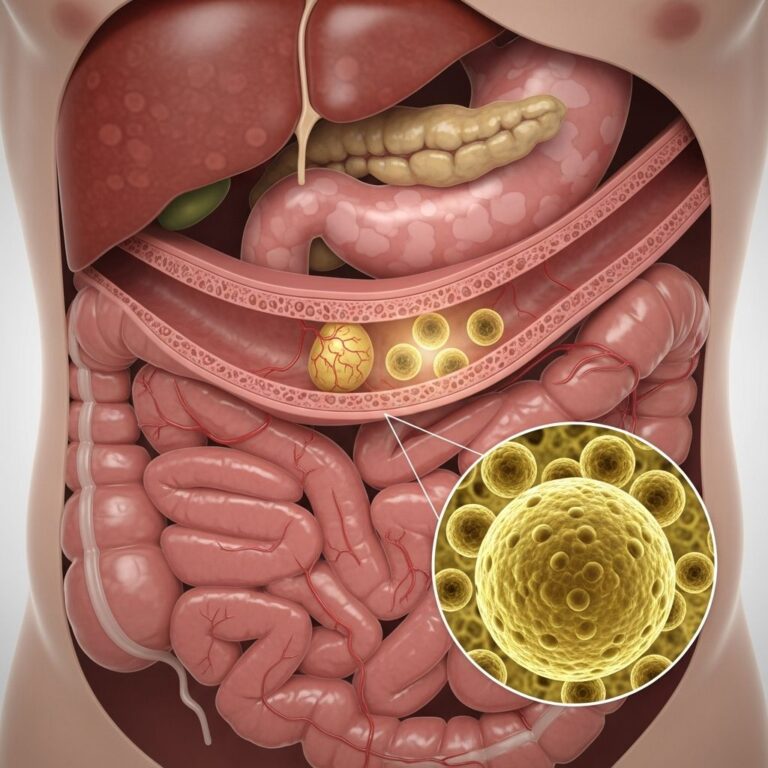
- Gut Health: Polyphenols modulate microbiota, preventing colitis damage.
- Skin Health: Topical and oral tea reduces UV damage via antioxidants.
How Much Tea Should You Drink?
2-3 cups daily maximizes benefits without excess caffeine (30-50mg per cup). UK Biobank data supports 2+ cups for mortality reduction. Pregnant individuals or caffeine-sensitive people should limit to 1-2 cups.
Preparation Tips
Brew fresh loose-leaf or bagged tea in hot (not boiling for green) water for 3-5 minutes to extract polyphenols optimally. Avoid over-steeping to prevent bitterness. Add lemon for better catechin absorption; milk may bind antioxidants slightly, but black tea benefits persist.
Skip sweetened bottled or bubble teas, as sugars negate benefits.
Potential Risks and Considerations
Tea is safe for most, but excessive intake (>4 cups) may cause insomnia or iron absorption issues in sensitive groups. Those with GERD should avoid strong brews. Always consult a doctor for personalized advice.
Frequently Asked Questions (FAQs)
Is green tea better than black tea for health?
Both offer benefits; green has more catechins for metabolism, black excels in heart protection. Choose based on taste.
Does adding milk to tea reduce benefits?
Not significantly for black tea mortality risks, per large studies.
Can tea help with weight loss?
Yes, catechins support fat oxidation, especially with exercise.
Is bottled tea as healthy as brewed?
No, added sugars and processing diminish antioxidants.
How does tea affect sleep?
L-theanine promotes relaxation; afternoon cutoff avoids caffeine interference.
Tea is a simple, delicious way to enhance health. Incorporate it mindfully for optimal results.
References
- Tea can improve your health and longevity, but how you drink it matters — Maximum Academic Press. 2026-01-28. https://www.sciencedaily.com/releases/2026/01/260127112132.htm
- Study suggests health benefits from black tea — National Cancer Institute (NCI), NIH. 2022-08-30. https://www.cancer.gov/news-events/press-releases/2022/health-benefits-black-tea
- Antioxidant mechanism of tea polyphenols and its impact on health — PMC (PubMed Central), NIH. 2020. https://pmc.ncbi.nlm.nih.gov/articles/PMC7283370/
- Are There Health Benefits to Drinking Tea? — WebMD. Accessed 2026. https://www.webmd.com/diet/tea-health-benefits
- Surprising Benefits of Tea, According to a Dietitian — Prevention Magazine. Accessed 2026. https://www.prevention.com/food-nutrition/healthy-eating/a63691103/benefits-of-tea/
- The Health Benefits of Tea — Academy of Nutrition and Dietetics. Accessed 2026. https://www.eatright.org/health/wellness/healthful-habits/the-health-benefits-of-tea
Similar Articles








Read full bio of medha deb