Artificial Food Dyes: 5 Hidden Health Risks To Watch
Uncover the surprising health dangers lurking in your favorite colorful foods and learn safer alternatives.
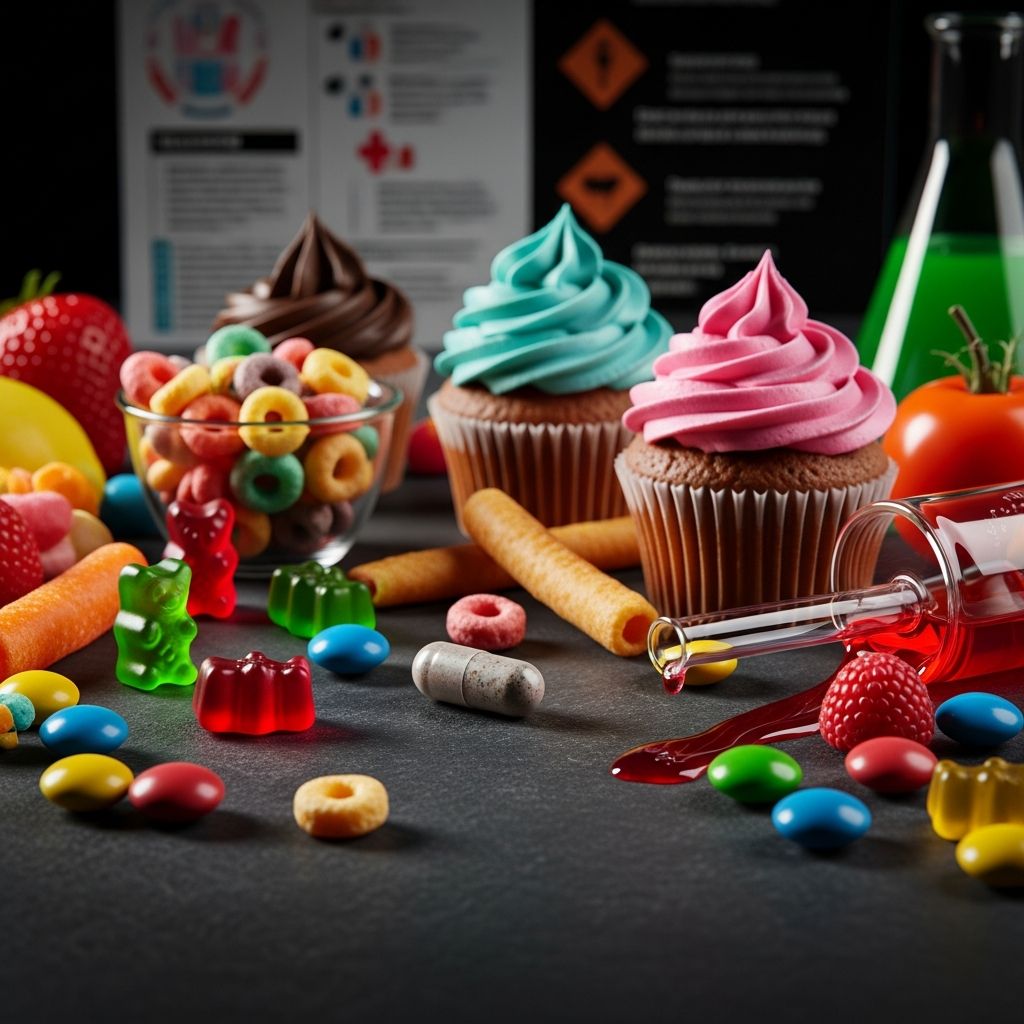
Artificial food dyes add vibrant colors to candies, cereals, sodas, and snacks, making them visually appealing especially to children. However, mounting scientific evidence reveals these synthetic colors may carry significant health risks, from cancer and hyperactivity to allergies and gut issues. All nine FDA-approved dyes raise concerns of varying degrees, with recent bans signaling a shift toward safer options.
This article dives into the science behind these risks, common dyes to watch for, regulatory updates, and practical tips for dye-free eating. Understanding these hidden dangers empowers you to make informed choices for your family’s health.
What Are Artificial Food Dyes?
Artificial food dyes are synthetic chemicals derived from petroleum, designed to enhance food appearance. Unlike natural pigments from beets or turmeric, these lab-created colors withstand heat, light, and acid without fading. The U.S. permits nine: Blue 1, Blue 2, Green 3, Orange B, Red 3, Red 40, Yellow 5, Yellow 6, and Citrus Red 2.
Red 40, Yellow 5, and Yellow 6 dominate, comprising 90% of U.S. dye usage in cereals, drinks, and candies. Manufacturers favor them for cost and stability, but health trade-offs are increasingly evident. These dyes don’t improve nutrition or safety—they’re purely aesthetic.
Health Risks Linked to Artificial Food Dyes
Research spanning decades links synthetic dyes to multiple issues. A comprehensive toxicology review found all approved dyes problematic: carcinogenic potential, genotoxicity, hypersensitivity, and inadequate testing. Here’s a breakdown:
- Cancer Risk: Red 3 causes thyroid tumors in male rats; human relevance debated but concerning. Red 40, Yellow 5, and Yellow 6 contain carcinogenic benzidine contaminants, released by gut enzymes—far exceeding FDA-tested free levels.
- Hyperactivity & Neurobehavioral Effects: Dyes exacerbate symptoms in sensitive children, causing restlessness, irritability, and poor focus. No direct ADHD causation, but they worsen behaviors.
- Allergies & Hypersensitivity: Yellow 5 (Tartrazine) triggers hives, asthma in susceptible individuals.
- Gut & Immune Issues: Linked to colon inflammation, DNA damage.
- Other Concerns: Genotoxicity, organ effects in animal studies.
| Dye | Primary Concerns | Common Foods |
|---|---|---|
| Red 40 | Cancer (benzidine), hyperactivity | Candy, cereal, soda |
| Yellow 5 | Allergies, behavior changes | Ice cream, snacks |
| Yellow 6 | Cancer contaminants, irritability | Drinks, baked goods |
| Red 3 | Thyroid cancer in rats | Cherry candies, baked goods |
Children face highest exposure via juices and snacks, often exceeding outdated FDA ADIs based on 35-70-year-old studies ignoring behavioral effects. Newer data suggests current limits fail to protect kids.
Food Dyes and Children: A Special Concern
Brightly colored foods target kids, amplifying risks. California OEHHA reports confirm dyes cause hyperactivity, memory issues, and neurotransmitter changes in sensitive children. Challenge studies—dye-free diets followed by dye challenges—show measurable behavior worsening.
Animal models reveal brain structure alterations and learning deficits. A 2022 review corroborated human/animal links to volatility and restlessness. Though not ADHD’s root, dyes aggravate symptoms, per experts. Pregnant women and young kids show elevated exposures.
Regulatory Actions and Bans
Awareness is driving change. FDA banned Red 3 in 2024 after 1990s rat cancer studies, with phase-out by 2027-2028. California’s 2024 law prohibits six dyes in schools; other states follow.
CSPI petitioned FDA in 2008 and 2010 for full bans, citing risks. EU requires warning labels; many nations phased out dyes. FDA ADIs, unchanged for decades, overlook modern behavioral data. Experts urge better testing and replacements.
Common Foods with Artificial Dyes
Related Stories



Dyes hide in everyday items:
- Cereals (e.g., fruit-flavored loops)
- Candies, gummies
- Sodas, sports drinks
- Ice cream, yogurt
- Baked goods, frostings
- Pickles, salad dressings (for ‘fresh’ green)
Check labels for ‘Artificial Color’ or specific names. Kids’ products are worst offenders.
Natural Alternatives to Artificial Dyes
Safer options exist:
- Beet juice/powder: Red/pink
- Turmeric: Yellow
- Spirulina: Blue/green
- Annatto: Orange/red
- Caramel color: Brown (natural versions)
Brands like Annie’s and Nature’s Path use these. Taste may differ slightly, but nutrition improves. Home baking with fruit purees works too.
How to Avoid Artificial Food Dyes
Practical steps:
- Read Labels: Avoid ‘Red 40’, ‘Yellow 5’, etc.
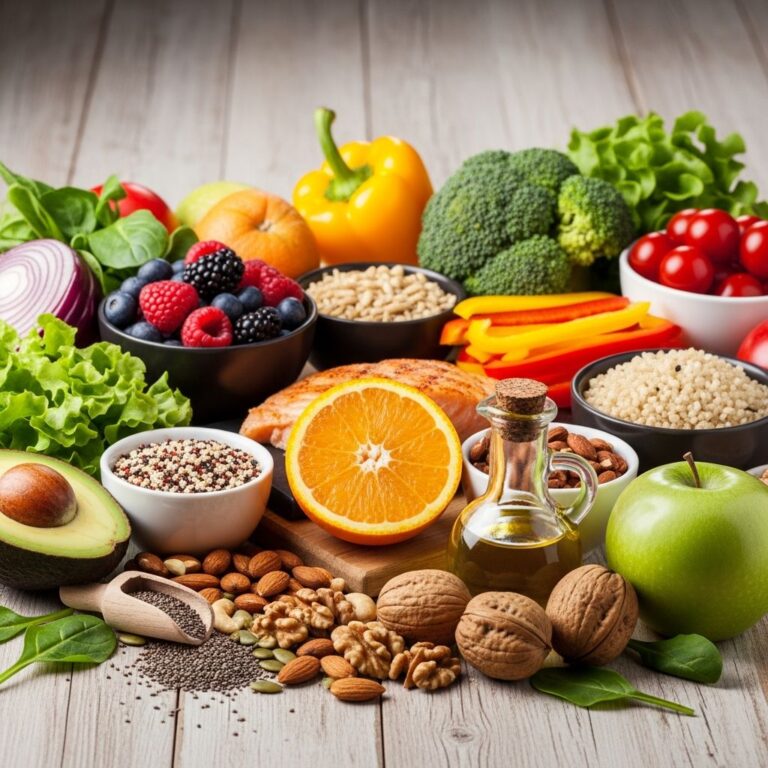
- Choose Whole Foods: Fruits/veggies provide natural color.
- Select Certified Organic: Often dye-free.
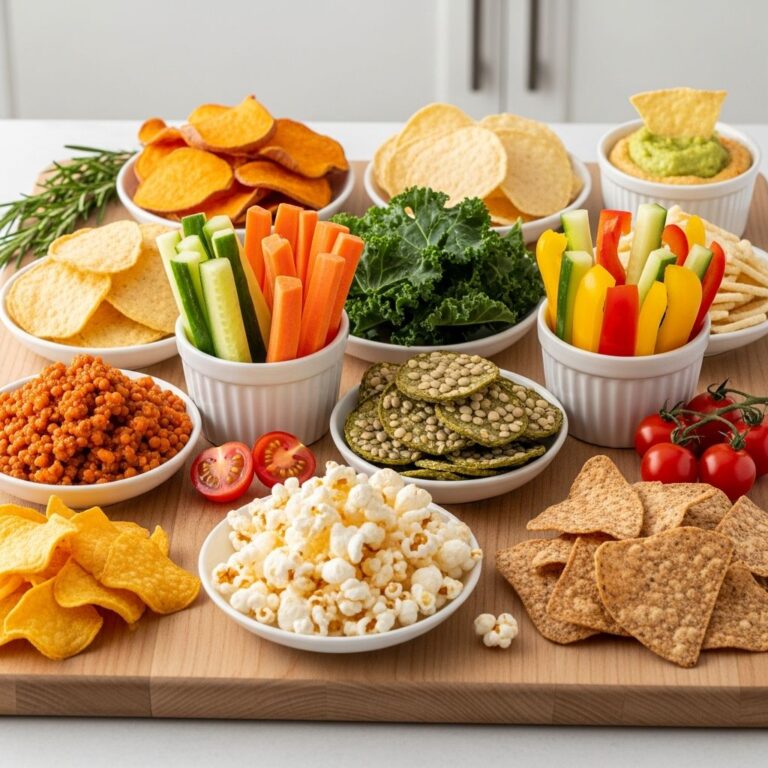
- Make Your Own: Dye-free treats with real ingredients.
- Shop Perimeter: Less processed foods.
Apps like Yuka scan for dyes. Transition gradually to minimize pushback.
Frequently Asked Questions (FAQs)
Do food dyes cause cancer?
Some like Red 3 cause tumors in rats; others contaminated with carcinogens. Human risk unclear at low doses, but concerns persist.
Can food dyes cause ADHD?
No direct cause, but they worsen hyperactivity in sensitive kids.
Are natural dyes safer?
Generally yes, though testing needed. They lack synthetic contaminants.
Why are dyes still allowed?
Outdated testing; industry pushback. Bans accelerating.
Which dye is most common?
Red 40, in 90% of dyed foods with Yellow 5/6.
Final Thoughts
Artificial dyes offer no health benefits, yet risks accumulate. With bans underway and natural alternatives available, now’s the time to ditch synthetics. Prioritize real colors from nature for vibrant, healthier eating.
References
- Toxicology of food dyes — PubMed. 2012-10-01. https://pubmed.ncbi.nlm.nih.gov/23026007/
- The Health Risks Of Artificial Food Dyes — Henry Ford Health. 2025-01-01. https://www.henryford.com/Blog/2025/01/Health-Risks-of-Artificial-Food-Dyes
- Report Links Synthetic Food Dyes to Hyperactivity and other Neurobehavioral Effects in Children — California OEHHA. Undated (recent). https://oehha.ca.gov/risk-assessment/press-release/report-links-synthetic-food-dyes-hyperactivity-and-other-neurobehavioral-effects-children
- DIET AND NUTRITION: The Artificial Food Dye Blues — PMC – NIH. 2010-09-28. https://pmc.ncbi.nlm.nih.gov/articles/PMC2957945/
- Are Food Dyes Bad for You? — Yale New Haven Health. Undated (recent). https://www.ynhhs.org/articles/are-food-dyes-bad-for-you
- A closer look at food dyes — UAB News. Undated (recent). https://www.uab.edu/news/health-medicine/a-closer-look-at-food-dyes
Similar Articles








Read full bio of medha deb