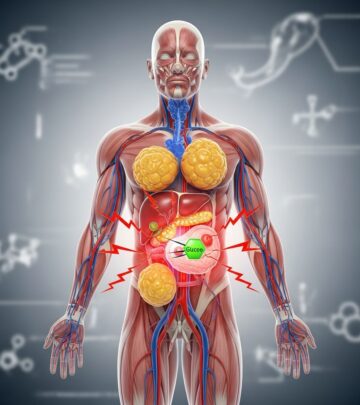
Fitness In Your 30s: 8 Essential Benefits For Long-Term Health
Boost energy, prevent chronic diseases, and maintain vitality in your 30s through regular fitness and nutrition.
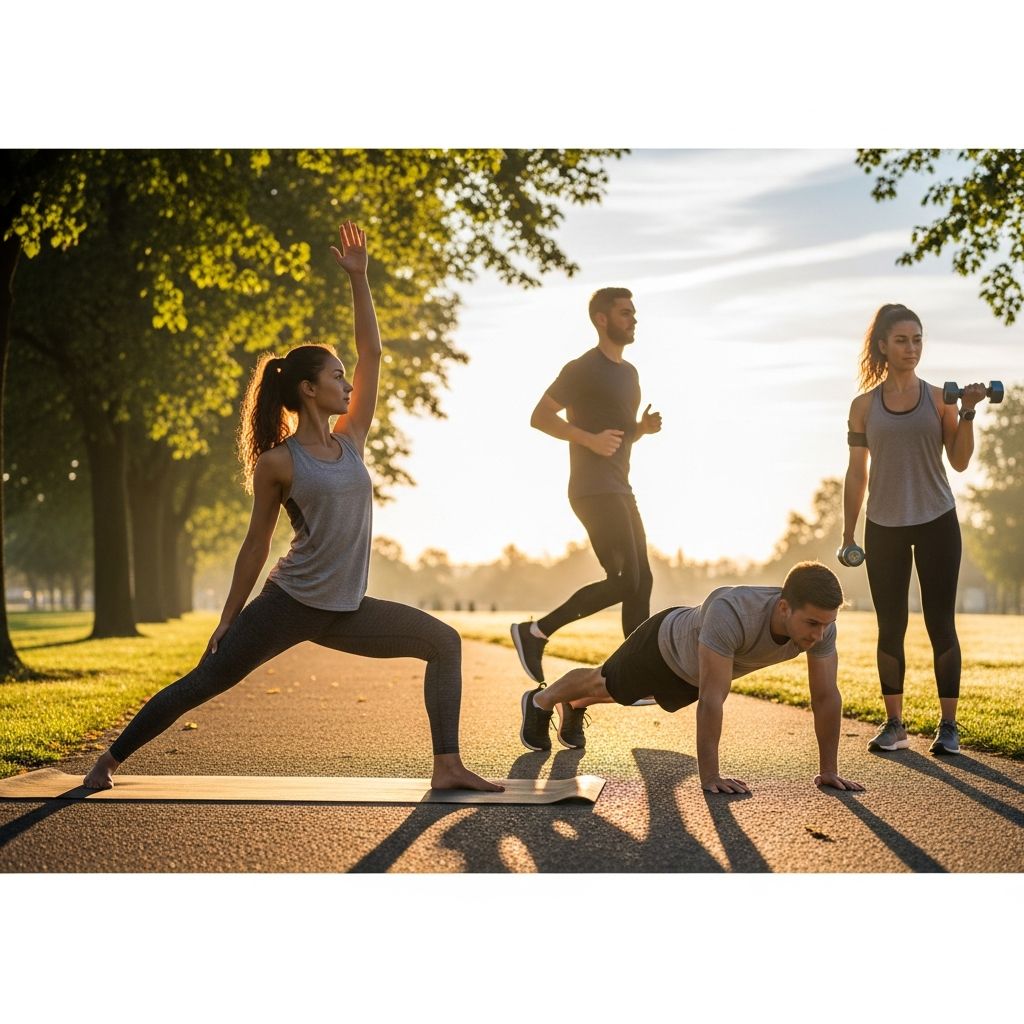
The Importance of Fitness in Your 30s
Entering your 30s marks a pivotal time when establishing a consistent fitness routine, combined with proper nutrition, becomes essential for long-term health. Being physically active in this decade helps boost energy levels, preserve physical functionality, and significantly reduce the risk or severity of chronic diseases like Type 2 diabetes and hypertension.
As metabolism begins to slow and life demands intensify with careers and family responsibilities, fitness acts as a foundation for vitality. Regular exercise counters natural declines in muscle mass and bone density, which start around age 30, ensuring you remain strong and resilient.
Why Be Fit?
Physical activity in your 30s delivers multifaceted health benefits, supported by extensive research. These advantages extend from cardiovascular protection to mental well-being, making fitness non-negotiable during this life stage.
- Decreased risk of Type 2 diabetes: Exercise improves insulin sensitivity, helping regulate blood sugar levels effectively.
- Decreased risk of hypertension (high blood pressure): Regular aerobic and strength training lowers blood pressure by enhancing vascular health.
- Improved cholesterol levels: Activity raises HDL (good cholesterol) while reducing LDL (bad cholesterol), promoting heart health.
- Improved mental health: Exercise releases endorphins, combating stress, anxiety, and depression common in busy 30s lifestyles.
- Better quality sleep: Consistent movement regulates sleep cycles, leading to deeper, restorative rest.
- Reduced anxiety: Physical exertion provides a natural outlet for tension, fostering emotional balance.
- Improved bone health: Weight-bearing and resistance exercises maintain bone density, crucial as peak density occurs in the 30s.
- Decreased risk of all-cause mortality: Overall fitness lowers premature death risk by preventing multiple chronic conditions.
Beyond these, strength training preserves muscle mass—adults lose about 1% annually after 30—boosting metabolism and supporting weight management. Cardiovascular workouts enhance heart function, while cross-training builds endurance and flexibility.
Motivation Is Key
Sustaining fitness requires intrinsic drive amid 30s’ demands. Identifying personal motivators transforms exercise from a chore into a rewarding habit.
- Being a positive role model for kids: Active parents inspire children to adopt healthy lifestyles early.
- Decreasing risk of high blood pressure or Type 2 diabetes: Proactive steps safeguard against family history or lifestyle risks.
- Maintaining a healthy weight: Exercise counters metabolic slowdown, preventing obesity-linked issues.
- Enhancing energy for daily demands: Fitness combats fatigue from long work hours or parenting.
- Building long-term resilience: Investing now prevents injuries and supports aging gracefully.
Personal trainers provide accountability, tailoring plans to fit busy schedules and evolving needs, which is ideal for this decade. Track progress in a journal to visualize gains and stay committed.
No More Excuses
Common barriers like career starts or family duties don’t justify skipping fitness—your 30s demand action to halt physical decline. Set realistic goals: begin with enjoyable activities like brisk walking or cycling, gradually increasing intensity.
Journal every session to build momentum. Incorporate movement into routines—take stairs, stand during calls, or park farther—to combat sedentary jobs. Aim for 150 minutes of moderate aerobic exercise weekly, plus strength training twice weekly, per expert guidelines.
Personalized training minimizes injury risk through proper form, especially vital as resilience wanes. Cross-training—mixing cardio, weights, and flexibility—peaks stamina and bone health in 30s.
Strength Training Essentials After 30
Strength training is paramount post-30 to counteract sarcopenia (muscle loss). It builds mass, protects bones, and elevates metabolism.
| Benefit | Description | Supporting Evidence |
|---|---|---|
| Builds Muscle Mass | Offsets 1% annual loss, improving strength and function. | |
| Protects Bones | Triggers bone-building, reducing osteoporosis risk. | |
| Boosts Metabolism | Increases calorie burn at rest via muscle gain. | |
| Improves Mood | Reduces inflammation, enhances BDNF for brain health. | |
| Supports Heart Health | Lowers disease risk through better blood flow. |
Incorporate weights 2-3 times weekly, focusing on major groups. No gym needed—bodyweight exercises suffice initially.
Cardio and Cross-Training Benefits
Peak stamina in 30s favors cardio for heart health and endurance. Combine with resistance for optimal results.
- 150+ minutes moderate aerobic activity weekly.
- Reduces breast cancer risk by 20-60% in women.
- Controls weight, mood, and metabolic issues.
Practical Tips for Busy 30s Lifestyles
- Schedule workouts like appointments.
- Choose enjoyable activities for adherence.
- Partner with a trainer for customization.
- Integrate movement: walk meetings, active commutes.
- Combine with nutrition for amplified effects.
Frequently Asked Questions (FAQs)
How much exercise do I need in my 30s?
Aim for 150 minutes moderate aerobic plus muscle-strengthening twice weekly.
Can I start fitness later if I’ve been inactive?
Yes, benefits accrue anytime; 30s ideal start.
Is strength training safe for beginners over 30?
Absolutely, with proper form—trainers ensure safety.
Does exercise help with stress in 30s?
Yes, reduces anxiety, improves sleep and mood.
Why prioritize bone health now?
Peak density in 30s; training preserves it.
Fitness in your 30s empowers you to thrive, not just survive, life’s demands. Start today for enduring health.
References
- Why Personal Training is Ideal for Your 30s and Beyond — Platinum Fitness Gyms. 2023. https://www.platinumfitnessgyms.com/why-personal-training-is-ideal-for-your-30s-and-beyond/
- The Importance of Fitness in Your 30s — Academy of Nutrition and Dietetics. 2023. https://www.eatright.org/fitness/physical-activity/benefits-of-exercise/the-importance-of-fitness-in-your-30s
- What You Need to Know About Exercise in Your 20s, 30s, 40s and Beyond — Intimate Rose. 2024. https://www.intimaterose.com/blogs/kegel-exercise/what-you-need-to-know-about-exercise-in-your-20s-30s-40s-and-beyond
- 5 Important Benefits of Strength Training After the Age of 30 — Southwest Orthopedic. 2023. https://www.sworthopedic.com/post/5-important-benefits-of-strength-training-after-the-age-of-30
- 5 Important Benefits of Strength Training After 30 — Tadje Ortho. 2024. https://tadjeortho.com/blog/5-important-benefits-of-strength-training-after-30/
- Fitness Exercises for Your Age — Heart Research Institute. 2023. https://www.hri.org.au/health/your-health/lifestyle/keeping-fit-how-to-do-the-right-exercise-for-your-age
- Getting Active Later in Life Brings Benefits — National Institutes of Health (NIH). 2023-10-02. https://www.nih.gov/news-events/nih-research-matters/getting-active-later-life-brings-benefits
Similar Articles








Read full bio of medha deb