The Inflammation-Fighting Salmon I Make on Repeat
This easy pesto salmon recipe fights inflammation, supports heart health, and comes together in just 20 minutes for busy weeknights.
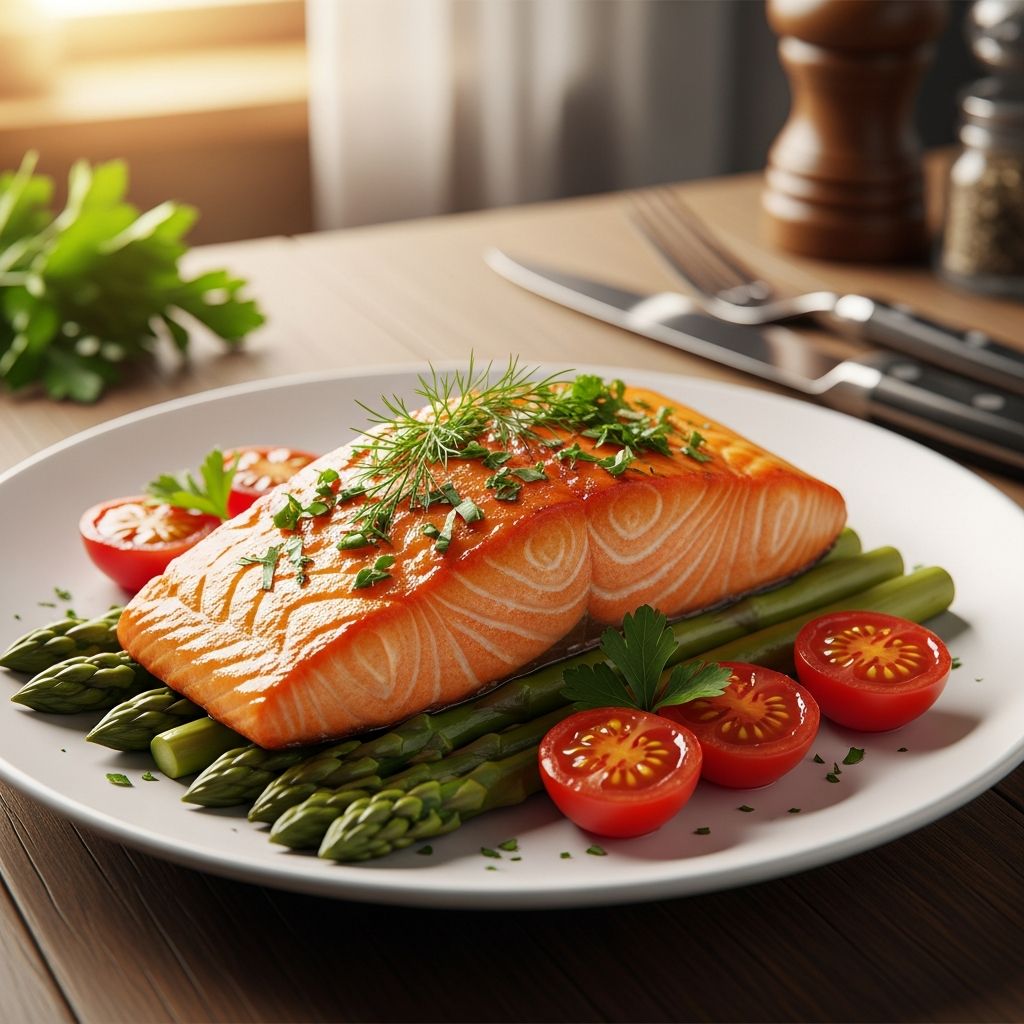
There’s nothing quite like a meal that’s both incredibly delicious and packed with health benefits. This
pesto salmon
recipe has become my go-to weeknight dinner because it takes just 20 minutes to prepare, fights inflammation, and helps manage cholesterol levels. Coated in vibrant basil pesto and roasted alongside bursty cherry tomatoes and sweet shallots, the tender salmon fillets deliver omega-3 fatty acids that reduce inflammation throughout the body. It’s a simple sheet-pan wonder that proves eating for heart health can be effortless and flavorful.Salmon is a superstar in anti-inflammatory diets due to its rich supply of EPA and DHA, two types of omega-3s that combat chronic inflammation linked to high cholesterol and heart disease. Paired with colorful veggies and herbs, this dish maximizes antioxidants and healthy fats, making it ideal for anyone looking to optimize their diet without sacrificing taste or time.
Why This Pesto Salmon Is My Weekly Staple
I make this salmon recipe on repeat for several compelling reasons. First, its
simplicity
: everything cooks on one sheet pan, minimizing cleanup while delivering restaurant-quality results. Second, the flavor profile—herby pesto, juicy tomatoes, and caramelized shallots—creates a symphony of tastes that’s satisfying every time. But the real magic lies in its health impact.Chronic inflammation contributes to elevated LDL cholesterol and cardiovascular risks. Foods like fatty fish, colorful produce, and herbs counteract this by providing polyphenols, fiber, and healthy fats. This recipe incorporates all these elements, helping to lower triglycerides and improve lipid profiles, as supported by dietary guidelines from health authorities.
It’s versatile too. Serve it over brown rice, quinoa, or a bed of greens for a complete meal. Leftovers reheat beautifully or flake into salads. In my busy schedule, this dish checks every box: quick, nutritious, and crave-worthy.
The Anti-Inflammatory Power of This Recipe’s Ingredients
Every component in this salmon dish is chosen for its proven ability to combat inflammation. Here’s a breakdown:
- Salmon: Rich in omega-3 fatty acids (EPA and DHA), salmon reduces inflammatory markers like C-reactive protein (CRP). Studies show regular consumption lowers cholesterol and supports heart health.
- Basil Pesto: Made with fresh basil, pine nuts, garlic, and olive oil, pesto delivers antioxidants like eugenol from basil and monounsaturated fats from olive oil, both potent anti-inflammatories.
- Cherry Tomatoes: Bursting with lycopene and vitamin C, these little gems provide antioxidants that neutralize free radicals and reduce inflammation. Roasting intensifies their sweetness and bioavailability.
- Shallots: Part of the allium family, shallots contain quercetin, a flavonoid that inhibits inflammatory pathways similar to onions and garlic.
- Fresh Basil: Added at the end for garnish, it boosts flavor and adds extra anti-inflammatory compounds.
These ingredients work synergistically. The healthy fats in salmon and pesto enhance absorption of fat-soluble antioxidants from the veggies, amplifying the meal’s benefits.
How to Make Pesto Salmon (Step-by-Step)
This recipe serves 4 and takes about 20 minutes total. It’s foolproof for beginners and pros alike.
Ingredients
- 4 (6-oz.) salmon fillets, skin-on
- 1/2 cup prepared basil pesto (store-bought or homemade)
- 1 pint cherry tomatoes
- 1 large shallot, sliced
- 1 tbsp. olive oil
- Salt and pepper, to taste
- Fresh basil leaves, for garnish
- Cooked brown rice or quinoa, for serving
Instructions
- Preheat oven: Set to 425°F. Line a sheet pan with parchment paper and lightly spray with cooking oil.
- Prep salmon: Pat fillets dry, season with salt and pepper. Place skin-side down on the pan. Spoon 2 tablespoons pesto over each fillet, spreading evenly.
- Add veggies: Scatter cherry tomatoes and shallot slices around the salmon. Drizzle with olive oil and a pinch of salt.
- Bake: Roast for 12-14 minutes, until salmon flakes easily and tomatoes burst. Internal temperature should reach 145°F.
- Serve: Plate salmon over warm brown rice. Spoon roasted tomatoes and shallots on top. Garnish with torn fresh basil.
Related Stories



Pro Tip: For extra crispiness, broil for the last 1-2 minutes. Make-ahead pesto freezes well for future meals.
Health Benefits: Lowering Cholesterol and Inflammation
Eating for healthy cholesterol isn’t about deprivation—it’s about smart swaps like this salmon dish. High cholesterol often stems from inflammation, which damages arteries and raises LDL levels. Omega-3s in salmon lower triglycerides by up to 30% and reduce blood pressure.
| Nutrient | Benefit | Source in Recipe |
|---|---|---|
| Omega-3 Fatty Acids | Reduces inflammation, lowers triglycerides | Salmon |
| Antioxidants (Lycopene, Quercetin) | Fights oxidative stress | Tomatoes, Shallots |
| Fiber | Binds cholesterol in gut | Pair with brown rice |
| Polyphenols | Anti-inflammatory compounds | Basil, Pesto |
Research from the American Heart Association emphasizes incorporating fatty fish twice weekly for cardiovascular protection. This recipe fits perfectly into an anti-inflammatory meal plan.
More Anti-Inflammatory Foods to Add to Your Cart
Build on this salmon with these powerhouse foods:
- Berries: Blueberries and strawberries offer anthocyanins that decrease inflammation markers.
- Leafy Greens: Spinach and kale provide nitrates and vitamins K and C.
- Whole Grains: Oats and brown rice are high in soluble fiber, proven to lower LDL.
- Beans and Legumes: Chickpeas and lentils add plant protein and fiber.
- Herbs and Spices: Turmeric (with black pepper), ginger, and garlic pack curcumin and allicin for potent anti-inflammatory effects. Use them to flavor dishes and cut back on salt.
- Nuts and Seeds: Walnuts and chia seeds mirror salmon’s omega-3 benefits.
Incorporate a rainbow of produce for diverse antioxidants—the more color, the broader the protection against inflammation.
Nutrition Information (Per Serving, with Rice)
Calories: 450 | Protein: 35g | Fat: 28g (healthy sources) | Carbs: 22g | Fiber: 4g | Omega-3s: 2g+. This meal supports balanced blood sugar and satiety.
Frequently Asked Questions
Can I use frozen salmon for this recipe?
Yes, thaw completely in the fridge first for best texture. Pat dry to avoid excess moisture.
Is store-bought pesto okay?
Absolutely—choose one with minimal additives. Homemade is basil-heavy for maximum flavor and benefits.
How often should I eat salmon for health benefits?
Aim for 2 servings per week, per heart health guidelines.
What if I don’t like fish skin?
Remove after cooking; it crisps up beautifully but is optional.
Can this recipe be made dairy-free?
Most pestos are dairy-free, but check labels. Use vegan parmesan if needed.
Meal Prep and Storage Tips
Prep veggies ahead. Store leftovers in airtight containers for up to 3 days. Reheat gently in oven or microwave. Flake into wraps or grain bowls for variety.
This inflammation-fighting salmon isn’t just a recipe—it’s a sustainable way to nourish your body. With its ease, taste, and science-backed benefits, it’s no wonder it’s on repeat in my kitchen. Try it tonight and feel the difference!
References
- Dietary Guidelines for Americans, 2020-2025 — U.S. Department of Health and Human Services and U.S. Department of Agriculture. 2020-12-01. https://www.dietaryguidelines.gov/sites/default/files/2020-12/Dietary_Guidelines_for_Americans_2020-2025.pdf
- Fish and Omega-3 Fatty Acids — American Heart Association. 2023-08-15. https://www.heart.org/en/healthy-living/healthy-eating/eat-smart/fats/fish-and-omega-3-fatty-acids
- Antioxidants and Inflammation — National Institutes of Health (NIH), Office of Dietary Supplements. 2024-02-20. https://ods.od.nih.gov/factsheets/Antioxidants-HealthProfessional/
- Effects of Soluble Fiber on Cholesterol — PubMed (PMID: 34420855). 2021-09-01. https://pubmed.ncbi.nlm.nih.gov/34420855/
Similar Articles








Read full bio of medha deb