Itchy Vulva: Complete Guide To Causes, Symptoms, And Relief
Comprehensive guide to causes, diagnosis, and effective management of vulval pruritus for lasting relief.
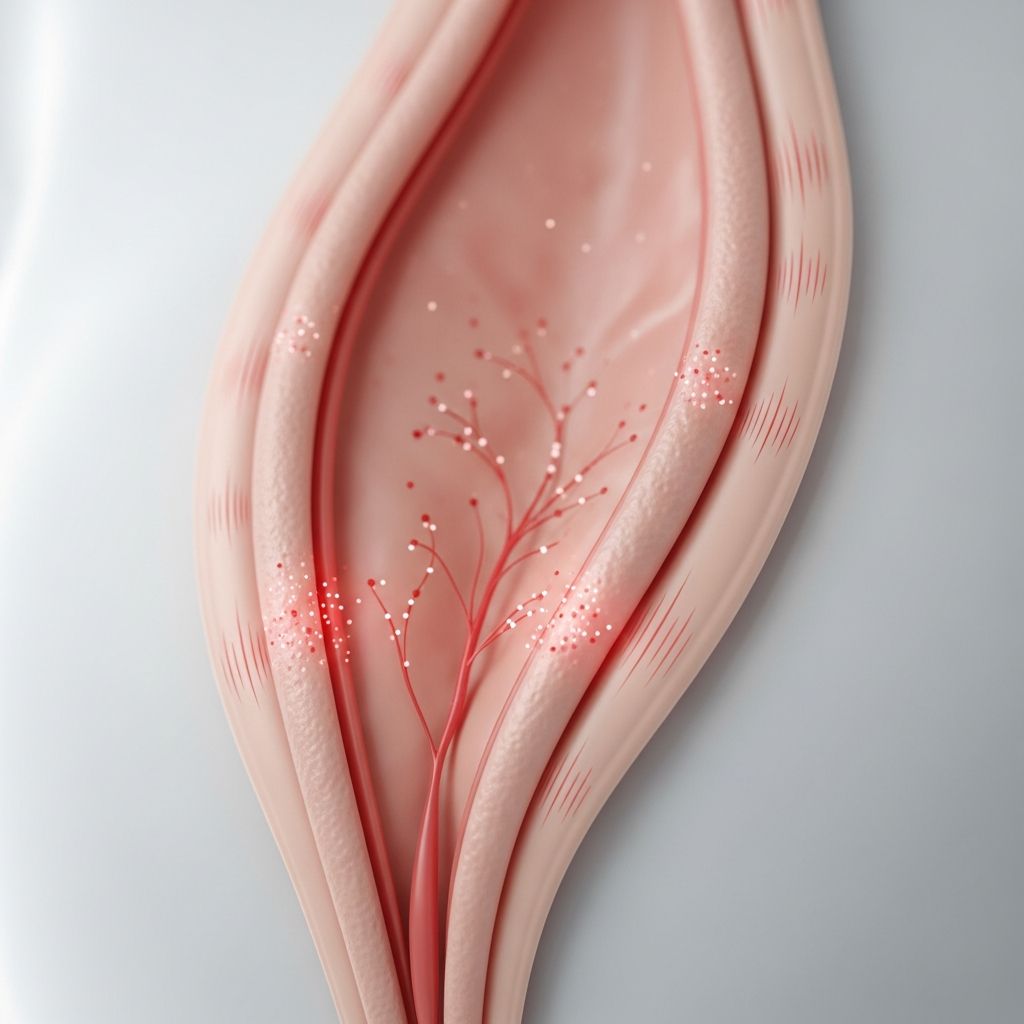
Vulval itching orpruritus vulvae
is a common and distressing condition that affects many women. It can arise from numerous causes, ranging from infections and skin disorders to hormonal imbalances and irritants. This article provides an in-depth look at the symptoms, differential diagnoses, investigations, and management strategies to help achieve relief.
What is the meaning of itchy vulva?
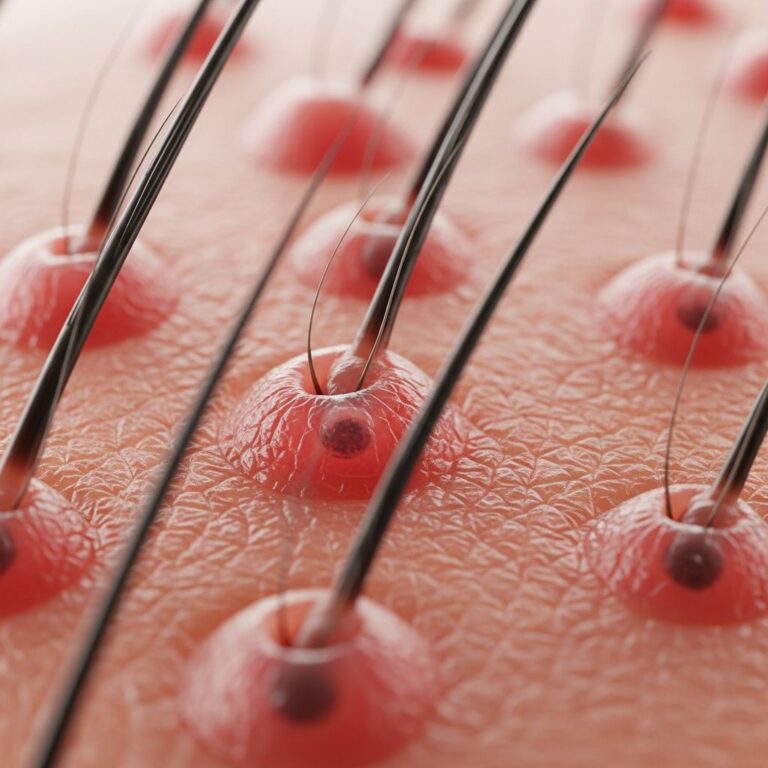
The vulva encompasses the external female genital area, including the labia majora, labia minora, clitoris, vaginal vestibule, and perineal region.
Itchy vulva
, medically termedpruritus vulvae
, refers to persistent itching in this sensitive area. This symptom can significantly disrupt daily life, sleep, and intimate relationships, often leading to scratching that worsens the irritation.Itching may be constant or intermittent, worse at night, and accompanied by burning, soreness, or pain. While it commonly affects postmenopausal women due to atrophic changes, it occurs across all ages, including pre-pubertal girls and reproductive-age women.
Who gets itchy vulva?
Vulval pruritus is prevalent worldwide. Key demographics include:
- Postmenopausal women (due to estrogen deficiency)
- Women during perimenopause or breastfeeding (low estrogen states)
- Those with allergies, eczema, or sensitive skin
- Individuals using irritating hygiene products or tight clothing
- Patients with infections or sexually transmitted diseases (STDs)
Approximately 75% of women experience yeast infections causing vulvar itch at some point.
What causes the itchy vulva?
The causes are multifactorial and can be categorized into infections, dermatoses, hormonal issues, and irritants. A thorough history and examination are essential for accurate diagnosis.
Infections
Infections are a leading cause, particularly in reproductive-age women.
- Candidiasis (thrush): Caused by Candida albicans overgrowth, often post-antibiotics. Symptoms include intense itch, thick white ‘cottage cheese’ discharge, redness, and soreness. Affects 50-60% of women lifetime.
- Bacterial vaginosis: Imbalance in vaginal flora leading to fishy odor, thin discharge, and itch.
- Trichomoniasis: STD with frothy green discharge, burning on urination, and vulval itch. Most common non-viral STD globally.
- Threadworms (pinworms): Common in children but affects adults; nocturnal perianal itch spreading to vulva.
- Scabies: Mite infestation causing widespread itch, worse at night.
- Herpes, genital warts, chlamydia, gonorrhea (less common itch but possible).
Dermatoses (skin conditions)
Chronic itching often stems from inflammatory skin diseases.
- Lichen simplex chronicus: Thickened skin from repeated scratching; itch-scratch cycle.
- Contact dermatitis: Irritant or allergic reactions to soaps, perfumes, pads, spermicides, latex.
- Atopic dermatitis/eczema: Genetic barrier dysfunction causing red, itchy patches.
- Lichen sclerosus: White, atrophic plaques with itch and scarring risk.
- Psoriasis: Well-defined red plaques with silver scale.
- Lichen planus: Purple, itchy papules; erosive form causes pain.
Vulvitis, general inflammation, often overlaps these.
Vulvovaginal atrophy
Estrogen deficiency thins vaginal and vulval tissues, causing dryness, itch, and dyspareunia. Common in menopause, perimenopause, postpartum, breastfeeding.
Other causes
- Neoplasia: Vulval intraepithelial neoplasia (VIN), squamous cell carcinoma (rare, persistent itch in older women).
- Neuropathic: Post-herpetic neuralgia, vulvodynia.
- Psychogenic: Stress-related, rare.
- Parasites/foreign bodies.
Related Stories



What are the clinical features of itchy vulva?
Symptoms vary by cause but include:
- Pruritus (itch), worse at night
- Burning, soreness, pain
- Discharge (color/texture clues etiology)
- Dyspareunia, dysuria
- Visible changes: erythema, excoriations, lichenification, plaques
Examine in good light, using colposcope if needed. Separate labia to inspect vestibule.
How is itchy vulva diagnosed?
Diagnosis relies on history, exam, and targeted tests.
Clinical assessment
- History: onset, triggers, products used, sexual history, menstrual status
- Exam: external/internal, speculum if discharge
Investigations
| Test | Purpose |
|---|---|
| Vaginal swab (microscopy, culture, PCR) | Detect candida, BV, trichomonas, gonorrhea, chlamydia |
| Skin scraping/biopsy | Scabies, dermatoses, neoplasia |
| Stool test/paddle test | Threadworms |
| Allergy patch testing | Contact dermatitis |
| Blood tests (glucose, hormones) | Diabetes, thyroid |
Acetic acid/HPV testing for suspicious lesions.
What is the treatment for itchy vulva?
Treatment targets the underlying cause; symptomatic relief includes emollients, cool compresses, loose cotton underwear.
General measures
- Avoid irritants: soaps, perfumes, tight clothes, douching
- Emollients: emulsifying ointment
- Cool sitz baths
Specific treatments
- Infections: Antifungals (clotrimazole) for candida; metronidazole for BV/trichomonas; antibiotics for STDs
- Dermatoses: Topical steroids (hydrocortisone mild, potent short-term); calcineurin inhibitors
- Atrophy: Local estrogen cream/pessary/ring; Ospemifene oral
- Lichen sclerosus: Clobetasol propionate 0.05% ointment
- Neoplasia: Surgery, imiquimod
What is the outcome for itchy vulva?
Most cases resolve with correct treatment. Chronic conditions like lichen sclerosus require long-term management to prevent scarring/cancer. Recurrence common in candida; prevention key.
How can itchy vulva be prevented?
- Practice good hygiene: water rinse, pat dry
- Wear breathable cotton underwear
- Avoid irritants/perfumes
- Safe sex, probiotics post-antibiotics
- Regular check-ups for at-risk groups
Related topics
- Vulvovaginitis
- Lichen sclerosus
- Vulval dermatitis
- Candidiasis
Frequently Asked Questions
Q: Is itchy vulva always a sign of infection?
A: No, while infections like thrush are common, dermatitis, atrophy, and irritants are frequent causes.
Q: Can hormonal creams be used long-term?
A: Local estrogen is safe for most; consult for breastfeeding/history of breast cancer.
Q: When should I see a doctor?
A: If persistent >2 weeks, with discharge, lesions, or unresponsive to OTC treatments.
Q: Does shaving worsen vulval itch?
A: Yes, it can cause irritation/folliculitis; use electric trimmer.
Q: Is vulval itch cancerous?
A: Rarely, but persistent unilateral itch warrants biopsy.
References
- Itchy Vulva (Pruritus Vulvae): Causes and Treatment — Patient.info. 2023. https://patient.info/womens-health/vulval-problems-leaflet/itchy-vulva-pruritus-vulvae
- Common Causes for Vulval and Vaginal Burning & Itchiness — Dr Len Kliman. 2022-10-15. https://drlenkliman.com.au/articles/common-causes-for-vulval-and-vaginal-burning-itchiness/
- Common Causes of Vulvar Itching — Las Vegas OBGYN Center. 2024. https://lasvegasobgyncenter.com/common-causes-of-vulvar-itching/
- Scratching the Surface: A Comprehensive Guide to Understanding Vulvovaginal Pruritus — PMC (NCBI). 2024-06-12. https://pmc.ncbi.nlm.nih.gov/articles/PMC12085330/
- Vulvitis (Vulvar Itching): Causes, Symptoms & Treatment — Cleveland Clinic. 2023-11-01. https://my.clevelandclinic.org/health/diseases/15175-vulvitis
- Vaginitis | MedlinePlus — U.S. National Library of Medicine (NIH). 2024. https://medlineplus.gov/vaginitis.html
Similar Articles








Read full bio of medha deb