The Link Between Gut Health and Happiness
Discover how your gut microbiome influences mood, anxiety, and overall happiness through diet and the gut-brain axis.
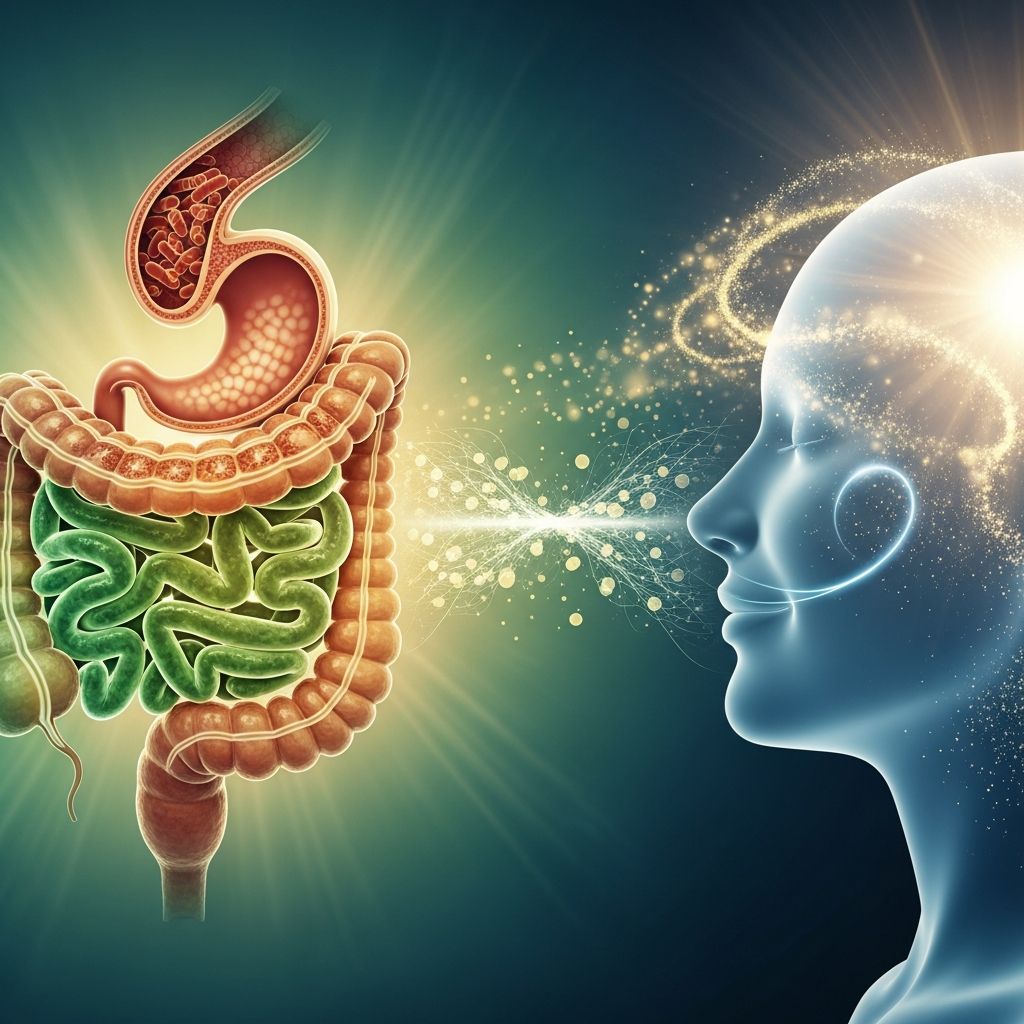
The intricate connection between what happens in your gut and how you feel emotionally is more profound than many realize. Emerging research reveals that the trillions of microorganisms in your gut, collectively known as the gut microbiome, play a pivotal role in regulating mood, reducing anxiety, and enhancing overall happiness. This relationship, mediated by the gut-brain axis, suggests that nurturing gut health through diet could be a natural pathway to better mental well-being.
What is the gut-brain axis?
The
gut-brain axis
represents a bidirectional communication highway between your gastrointestinal tract and your central nervous system. This complex network involves neural, hormonal, and immunological pathways that allow the gut to influence brain function and vice versa. About 90% of the body’s serotonin—a key neurotransmitter responsible for feelings of happiness and well-being—is produced in the gut, not the brain.Enteroendocrine cells in the gut lining detect nutrients and release signaling molecules that travel via the vagus nerve directly to the brain. Meanwhile, the gut microbiome ferments dietary fibers into short-chain fatty acids (SCFAs) like butyrate, which have anti-inflammatory effects and can cross the blood-brain barrier to modulate neuronal activity. Disruptions in this axis, such as dysbiosis (imbalanced microbiome), are linked to heightened anxiety, depression, and stress.
Clinical evidence supports this: a pilot study of 20 adults showed that dietary shifts toward higher fat and protein intake correlated with improved mood scores on validated surveys like the Affectometer-2 (up 35%) and WHO-5 (up 11%), alongside reduced anxiety and depression. These findings underscore how gut signals can literally shape your emotional landscape.
How does the gut microbiome affect mental health?
Your gut microbiome comprises bacteria, fungi, viruses, and other microbes that outnumber human cells by a factor of ten. A diverse and balanced microbiome fosters mental health by producing essential neuroactive compounds. For instance, certain bacteria synthesize gamma-aminobutyric acid (GABA), an inhibitory neurotransmitter that calms brain activity and reduces anxiety.
Studies indicate that individuals with depression exhibit lower microbial diversity, with overgrowth of pro-inflammatory species. In contrast, higher diversity—promoted by fiber-rich diets—correlates with lower depression and anxiety levels through increased SCFA production, which dampens systemic inflammation affecting the brain. One pilot study found that as gut diversity increased (linked to reduced calorie and fiber intake), anxiety and depression scores decreased significantly.
The microbiome also influences the hypothalamic-pituitary-adrenal (HPA) axis, your body’s stress response system. Dysbiosis amplifies cortisol release, exacerbating mood disorders, while resilient microbiomes buffer stress. Probiotics targeting specific strains have shown promise in alleviating anxiety symptoms, highlighting the microbiome’s therapeutic potential.
What role does diet play?
Diet is the most direct modulator of the gut microbiome, with effects observable within 24 hours. High-fat and high-protein diets increased well-being and reduced anxiety in a recent pilot study, while higher carbohydrate intake was associated with poorer mood outcomes. Surprisingly, lower total calories and fiber correlated with greater microbiome diversity, challenging conventional wisdom but aligning with ketogenic-style interventions that benefit neurological health.
Related Stories



Fiber, prebiotics (e.g., in onions, garlic), and diverse plant foods fuel beneficial bacteria, boosting SCFA production for brain health. Fermented foods like yogurt, kefir, and kimchi introduce live probiotics, enhancing microbial balance. Conversely, processed sugars and excessive carbs promote dysbiosis by favoring pathogenic bacteria.
| Diet Type | Impact on Microbiome | Mood Effects |
|---|---|---|
| High Fat/Protein | Increased diversity in some studies | Improved happiness, lower anxiety/depression |
| High Fiber/Plant-Based | High diversity, SCFA production | Reduced inflammation, better stress resilience |
| High Carb/Processed | Dysbiosis, low diversity | Increased anxiety, depression |
Personalized nutrition, informed by microbiome testing, may optimize these effects, as individual responses vary.
Can improving gut health boost your mood?
Yes—targeted interventions show promising results. In the aforementioned pilot, participants who adjusted diets for at least one week reported significant mood enhancements across multiple scales. Probiotic supplementation eases anxiety, while dietary shifts alter brain chemistry rapidly.
Practical steps include incorporating prebiotic foods (e.g., bananas, asparagus), probiotics (sauerkraut, miso), and reducing ultra-processed items. Mindful eating supports the gut-brain axis by lowering stress-induced dysbiosis. However, these complement, not replace, therapies like CBT or medication for clinical conditions.
- Increase fermented foods daily for probiotic boost.
- Aim for 30+ plant types weekly for diversity.
- Limit sugars to prevent pathogenic overgrowth.
- Stay hydrated to aid microbial function.
Foods to eat and avoid for better gut health
To cultivate a mood-supporting microbiome:
- Eat: Yogurt, kefir, kombucha (probiotics); garlic, leeks, oats (prebiotics); fatty fish (omega-3s for anti-inflammation); nuts, seeds (healthy fats).
- Avoid: Sugary drinks, refined carbs (feed bad bacteria); artificial sweeteners (disrupt balance); excessive alcohol (damages lining).
A Mediterranean-style diet, rich in plants and healthy fats, exemplifies an optimal approach.
Other factors influencing gut health and happiness
Beyond diet, exercise promotes microbial diversity via increased SCFA production. Sleep regulates circadian rhythms in the gut, while chronic stress elevates gut permeability (‘leaky gut’), allowing toxins to inflame the brain.
Antibiotics, while necessary, can decimate diversity—counter with post-treatment probiotics. Age and genetics also play roles, with diversity peaking in young adulthood.
Frequently Asked Questions (FAQs)
What is the gut-brain axis?
The gut-brain axis is the two-way communication between your gut and brain via nerves, hormones, and immune signals, influencing mood and digestion.
Can diet really improve my mood?
Yes, diets higher in fats/proteins and diverse fibers enhance microbiome diversity and serotonin, reducing anxiety/depression per clinical studies.
How long until I notice gut health changes?
Microbiome shifts occur in 24 hours; mood benefits may appear in days to weeks with consistent changes.
Are probiotics effective for mental health?
Targeted probiotics reduce anxiety symptoms by balancing microbiome and boosting GABA/serotonin.
Is low-fiber diet good for gut diversity?
A pilot study linked lower fiber/calories to higher diversity, but balance with plants for long-term health.
References
- The Role of Diet on the Gut Microbiome, Mood and Happiness — PMC/NCBI. 2023. https://pmc.ncbi.nlm.nih.gov/articles/PMC10055576/
- Yes, Your Gut Health Affects Your Mental Health — iHealth Labs. 2023. https://ihealthlabs.com/blogs/education/yes-your-gut-health-affects-your-mental-health-and-overall-wellness
- Your Gut Could Be Affecting Your Mood — TIME Magazine. 2024. https://time.com/7329016/gut-health-foods-brain-mood/
- A Gut Feeling | Dr. Will Bulsiewicz Live Q&A — Physicians Committee/YouTube. 2023-02-08. https://www.youtube.com/watch?v=4IQcVj41EQM
- Hypnotherapy for IBS: the gut-brain axis — Patient.info. 2023. https://patient.info/features/digestive-health/hypnotherapy-for-ibs-the-gut-brain-axis
Similar Articles








Read full bio of Sneha Tete