The Pathologist: Role in Diagnosis and Patient Care
Understanding the critical role pathologists play in medical diagnosis and treatment decisions.
What Is a Pathologist?
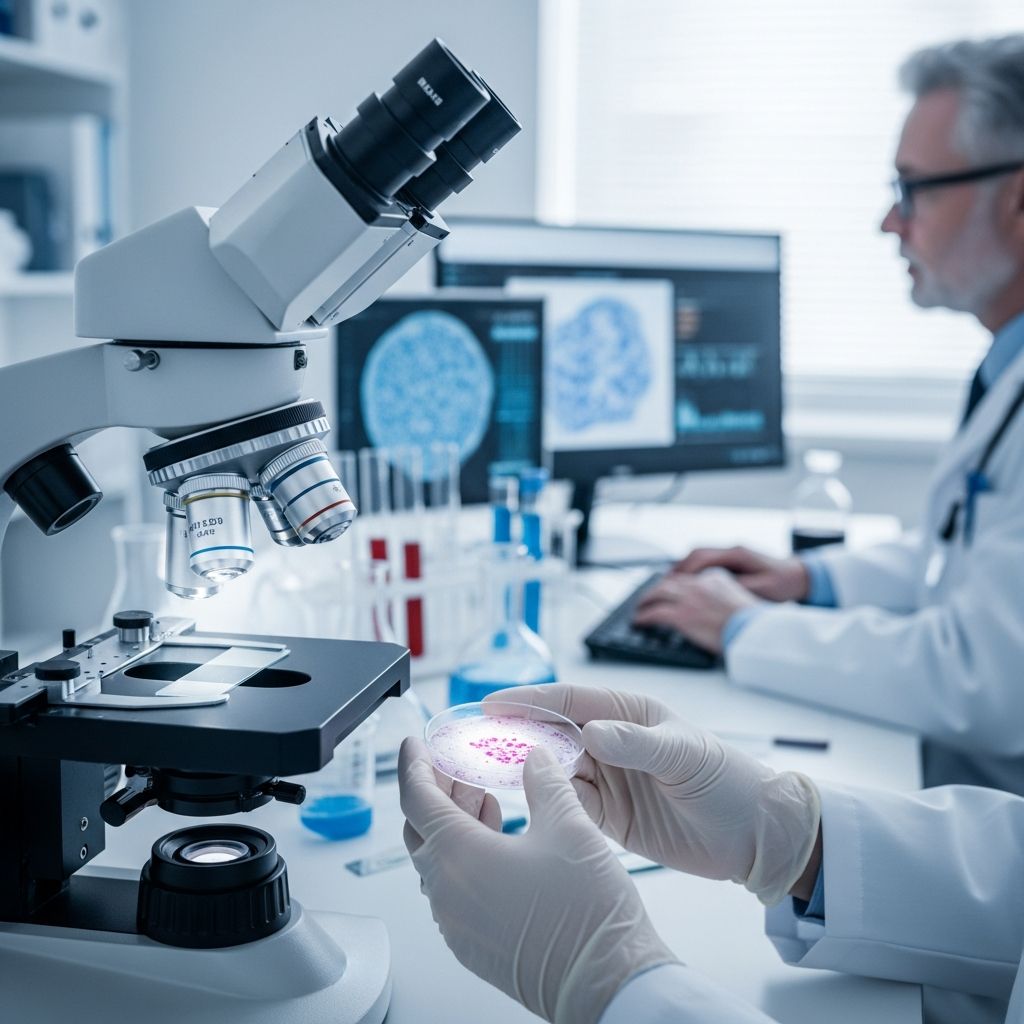
A pathologist is a medical doctor who specializes in diagnosing diseases by examining body tissues, blood, and other specimens. Pathologists are essential members of the healthcare team, though they typically work behind the scenes in medical laboratories rather than in direct patient contact. These highly trained physicians use advanced laboratory techniques and microscopy to identify diseases, determine their severity, and provide crucial information that guides patient treatment decisions. Pathologists serve as a critical link between laboratory findings and clinical care, ensuring that physicians have the accurate diagnostic information needed to treat their patients effectively.
The Main Roles and Responsibilities of Pathologists
Pathologists perform a wide range of diagnostic and laboratory functions that are fundamental to modern medicine. Their work encompasses several distinct areas, each requiring specialized knowledge and expertise.
Diagnostic Analysis and Interpretation
One of the primary responsibilities of pathologists is analyzing patient specimens and interpreting test results. They examine blood samples to identify abnormalities in chemistry and cellular composition, which can reveal various health conditions ranging from infections to metabolic disorders. Pathologists also analyze tissue samples collected during surgical procedures using histology techniques with microscopes to determine whether tissue is healthy, diseased, or cancerous. This analysis is critical for surgical decision-making and patient outcomes.
Laboratory Management
Pathologists oversee the day-to-day operations of hospital laboratories and clinical facilities. They establish protocols and quality standards, manage laboratory staff, ensure proper specimen handling, and implement systems to maintain accuracy and safety in all laboratory operations. This administrative role is essential for ensuring that all diagnostic tests are performed reliably and results are delivered promptly to clinical teams.
Supporting Clinical Decision-Making
Pathologists work closely with ordering physicians to provide expert consultation on test results and their clinical significance. They help physicians understand what diagnostic findings mean for patient care, recommend additional testing when necessary, and assist in determining the best treatment approaches. This collaboration between pathologists and clinical teams is essential for comprehensive patient care.
Specialized Pathology Disciplines
Pathology encompasses several specialized areas, each focusing on different types of diagnostic specimens and clinical questions:
Anatomic Pathology
Anatomic pathologists evaluate tissue specimens from various organs including the brain, heart, lungs, and bones. Using microscopes to examine prepared tissue slides, these specialists identify diseases and provide detailed descriptions of tissue abnormalities. Their work is particularly important in cancer diagnosis and staging, which directly influences treatment planning and patient prognosis.
Clinical Pathology
Clinical pathologists focus on analyzing blood, urine, and other non-tissue specimens. They interpret laboratory test results, establish guidelines for blood transfusion practices, and ensure quality standards in clinical laboratory testing. Their expertise in understanding the medical significance of test results is vital for diagnosing conditions ranging from infections to blood disorders.
Forensic Pathology
Forensic pathologists evaluate evidence and determine causes of death, particularly in cases involving wrongful death or suspicious circumstances. These specialists often work as medical examiners and collaborate with law enforcement and legal professionals to establish facts relevant to criminal or civil cases.
Specific Diagnostic Functions Pathologists Perform
Pathologists utilize various diagnostic techniques and procedures to identify diseases and guide clinical management:
Cancer Detection and Analysis
Pathologists look for malignancies in lymph nodes, the thyroid, and other structures by performing fine needle aspirations and analyzing tissue samples. They determine whether samples are cancerous and provide information about cancer type, grade, and stage—factors that directly influence treatment decisions. For complex cancer cases, pathologists provide detailed analysis that helps oncologists determine the most appropriate therapy.
Related Stories



Cervical Cancer Screening
Pathologists test pap smears to detect cervical cancer or pre-cancerous lesions, playing a crucial role in preventive medicine and early disease detection. This screening function has significantly reduced cervical cancer mortality by identifying and treating pre-cancerous changes before they progress to invasive disease.
Metabolic and Endocrine Disorders
Pathologists perform blood sugar tests to determine appropriate medication dosages for diabetic patients. By analyzing blood chemistry, they help manage chronic diseases and prevent complications. Their interpretation of laboratory values guides medication adjustments and treatment optimization.
Autopsy and Cause of Death Determination
Pathologists examine bodies through autopsy procedures to identify disease, confirm causes of death, and establish the manner and mechanism of death. This work is important for understanding disease progression, identifying unexpected diagnoses, and providing families with answers about their loved ones’ deaths.
The Pathology Team and Supporting Professionals
Pathologists work as part of a larger team of specialized laboratory professionals who contribute to diagnostic medicine. Understanding these roles demonstrates the collaborative nature of pathology:
Histologic Technicians
Histologic technicians are allied healthcare professionals who play a crucial role in disease diagnosis and treatment by preparing body tissue samples for microscopic examination. They operate multiple laboratory instruments and work with various reagents and antibodies to reveal tissue abnormalities. Once technicians prepare slides, pathologists examine them and render diagnoses.
Pathologists’ Assistants
Pathologists’ assistants (PAs) are certified allied healthcare professionals trained to perform numerous tasks within the anatomic pathology department. Working under the direction of an anatomic pathologist, they examine, measure, and dissect tissues and organs in surgical pathology and autopsy settings. PAs describe and select samples of abnormal tissue from complex dissections, which are then processed into microscope slides for pathologist examination. For complex cancer cases, their detailed descriptions and tissue sampling directly influence cancer staging and treatment planning. PAs also participate in education, laboratory management, and tissue banking for research.
Essential Skills and Qualities for Pathologists
Successful pathologists demonstrate several key characteristics that enable them to excel in their roles:
Technical Expertise
Pathologists must have extensive knowledge of laboratory techniques, microscopy, and diagnostic methodologies. They require thorough understanding of disease pathophysiology, laboratory instrumentation, and quality assurance practices to perform accurate diagnoses and maintain laboratory standards.
Communication Skills
Despite working behind the scenes, pathologists must possess excellent written and oral communication abilities. They must clearly communicate challenging and nuanced diagnoses to clinical colleagues, discuss autopsy findings with patients and families, and explain complex laboratory results in understandable terms.
Teamwork and Collaboration
Pathologists are team players who work collaboratively with other pathologists, surgeons, and clinicians. This teamwork is essential for comprehensive patient care and for solving complex diagnostic challenges that may benefit from multiple specialist perspectives.
Compassion for Patients
Although pathologists rarely meet patients face-to-face, compassion for patients guides their work. Understanding that their diagnoses directly impact lives motivates pathologists to maintain the highest standards of accuracy and care in their diagnostic work.
Pathology Training and Education
Becoming a pathologist requires extensive education and training. Candidates must earn an M.D. or D.O. degree and complete a pathology residency program. These comprehensive training programs provide residents with broad and rigorous education in all aspects of pathology, including experience as diagnosticians, educators, and researchers.
Residency programs typically include rotations in anatomic pathology specialties such as autopsy, cytopathology, forensic pathology, gastrointestinal and liver pathology, gynecological pathology, hematopathology, and surgical pathology. Clinical pathology training focuses on diagnostic interpretation of laboratory tests, interaction with clinical services, understanding of technical methodologies, and laboratory management principles. This comprehensive training ensures that pathologists graduate with the knowledge and skills necessary to excel in diverse pathology settings.
The Impact of Pathologists on Patient Care
Though working behind the laboratory doors, pathologists have profound impacts on patient outcomes. Their accurate diagnoses enable physicians to prescribe appropriate treatments, their quality assurance work ensures reliability of laboratory results, and their expertise guides clinical decision-making. From cancer diagnosis to blood disorder identification to autopsy findings, pathologists provide the diagnostic foundation upon which modern medicine rests.
Frequently Asked Questions About Pathologists
Q: Do pathologists ever meet with patients?
A: Pathologists typically work in laboratory settings and do not usually have direct patient contact. However, they may speak with patients’ families regarding autopsy findings or consult with clinical teams about patient care, and in some cases may discuss complex diagnostic findings with patients through their physicians.
Q: What is the difference between a pathologist and a laboratory technician?
A: Pathologists are physicians with medical degrees who interpret laboratory findings and make diagnoses. Laboratory technicians and technologists prepare specimens, operate instruments, and perform routine laboratory tests under the direction of pathologists.
Q: How long does it take to become a pathologist?
A: It typically takes a minimum of 12-14 years of education and training after high school: four years of undergraduate education, four years of medical school, and four years of pathology residency training. Additional fellowship training in specialized areas may extend this timeline.
Q: What types of specimens do pathologists analyze?
A: Pathologists analyze various specimens including blood, urine, tissue samples, body fluids, and organs. They examine these specimens using microscopes, chemical analysis, and molecular diagnostics to identify diseases and abnormalities.
Q: Is pathology an important medical specialty?
A: Yes, pathology is fundamental to modern medicine. Pathologists provide crucial diagnostic information that guides treatment decisions for virtually all medical conditions, from infections to cancers to metabolic disorders.
References
- What does a Pathologist do? — University of Medicine and Health Sciences. 2022-07-12. https://www.umhs-sk.org/blog/how-to-become-a-pathologist
- Learn about Lab Careers — Johns Hopkins Pathology. 2024. https://pathology.jhu.edu/careers/learn-about-lab-careers
- Pathology Careers — Johns Hopkins Pathology. 2024. https://apps.pathology.jhu.edu/team-path-md/pathology-careers/
- Anatomic/Surgical Pathologist — Johns Hopkins Pathology. 2024. https://pathology.jhu.edu/careers/jhh-pathologist
- Curriculum — Johns Hopkins Pathology. 2024. https://pathology.jhu.edu/education/residency/curriculum
Similar Articles








Read full bio of medha deb