The Radiologist: Diagnostic Imaging Specialists
Understanding the role of radiologists in modern medical diagnosis and treatment.
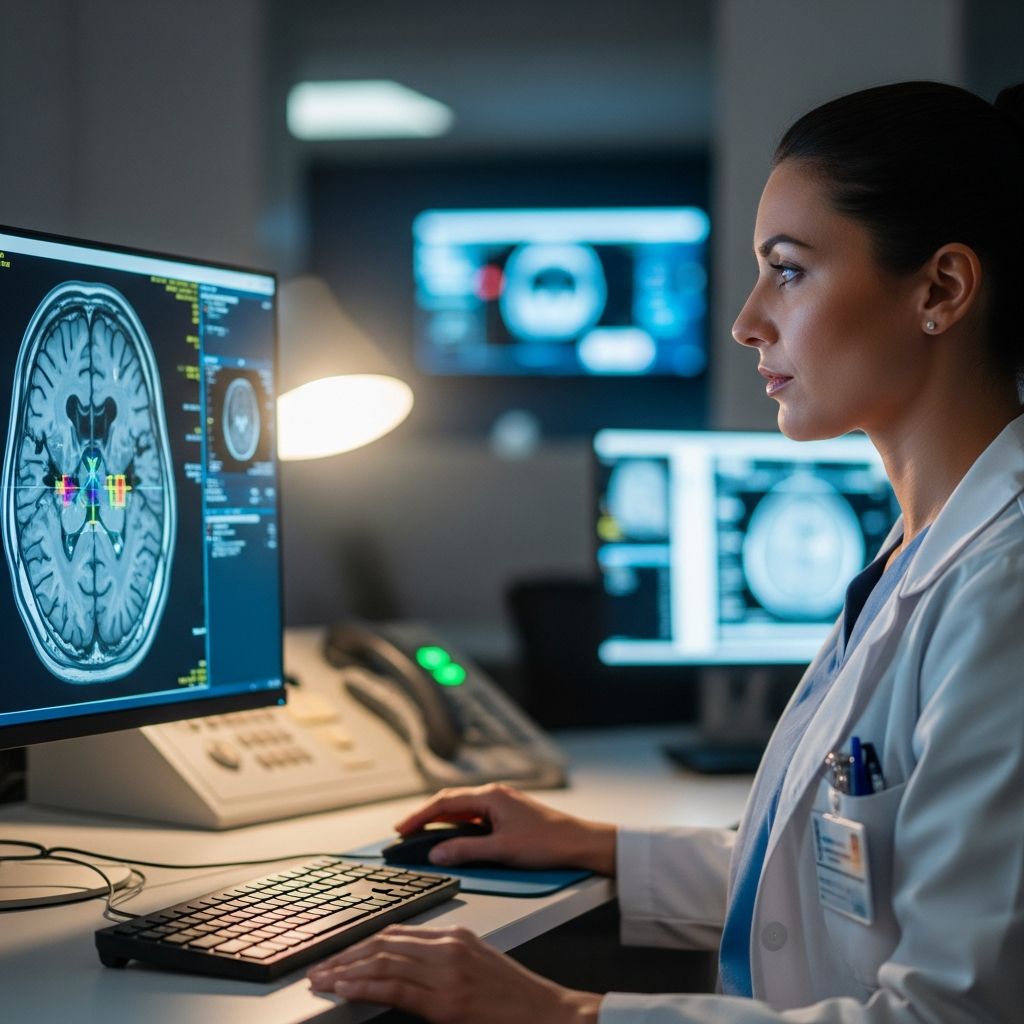
Understanding the Role of the Radiologist
Radiologists are specialized medical doctors who diagnose and treat diseases using medical imaging techniques. They play a crucial role in the healthcare system by providing accurate imaging results that guide clinical decision-making and patient treatment plans. Radiologists work with various imaging modalities to visualize the human body’s internal structures, helping physicians identify abnormalities, tumors, injuries, and other medical conditions that might not be visible through physical examination alone.
The work of radiologists extends far beyond simply taking X-rays. These highly trained physicians analyze complex imaging studies, interpret findings, and communicate results to referring physicians and patients. They serve as crucial members of the healthcare team, collaborating with surgeons, oncologists, cardiologists, and other specialists to develop comprehensive treatment strategies.
Education and Training Requirements
Becoming a radiologist requires extensive education and training that typically spans 13-14 years after high school. The journey begins with a strong foundation in science and mathematics, followed by completion of a four-year medical degree from an accredited medical school. During medical school, future radiologists gain foundational knowledge in anatomy, physiology, pathology, and general medicine.
After earning their medical degree (MD or DO), aspiring radiologists must complete a five-year diagnostic radiology residency program. This comprehensive training includes:
- In-depth study of all imaging modalities
- Interpretation of thousands of imaging studies
- Clinical rotations in various imaging subspecialties
- Development of diagnostic reasoning and problem-solving skills
- Research opportunities and academic training
Many radiologists pursue additional fellowship training lasting one to two years in specialized imaging areas such as interventional radiology, neuroradiology, musculoskeletal imaging, or cardiac imaging. This additional training allows radiologists to develop expertise in specific clinical areas and advance their careers.
Board Certification and Licensing
Upon completion of residency training, radiologists must obtain board certification from the American Board of Radiology (ABR) to practice independently. This certification requires passing comprehensive written and oral examinations that assess their knowledge, clinical judgment, and competency in interpreting various imaging studies. Board certification ensures that radiologists maintain the highest standards of medical practice and stay current with advancements in the field.
State licensure is also essential, requiring radiologists to pass the United States Medical Licensing Examination (USMLE) or Comprehensive Osteopathic Medical Licensing Examination (COMLEX-USA), depending on their degree type. These examinations ensure radiologists possess fundamental medical knowledge and meet regulatory standards for patient safety.
Types of Medical Imaging
Radiologists work with a diverse array of imaging technologies, each providing unique insights into different body structures and functions. Understanding these modalities is essential to appreciating the radiologist’s expertise:
X-Ray (Radiography)
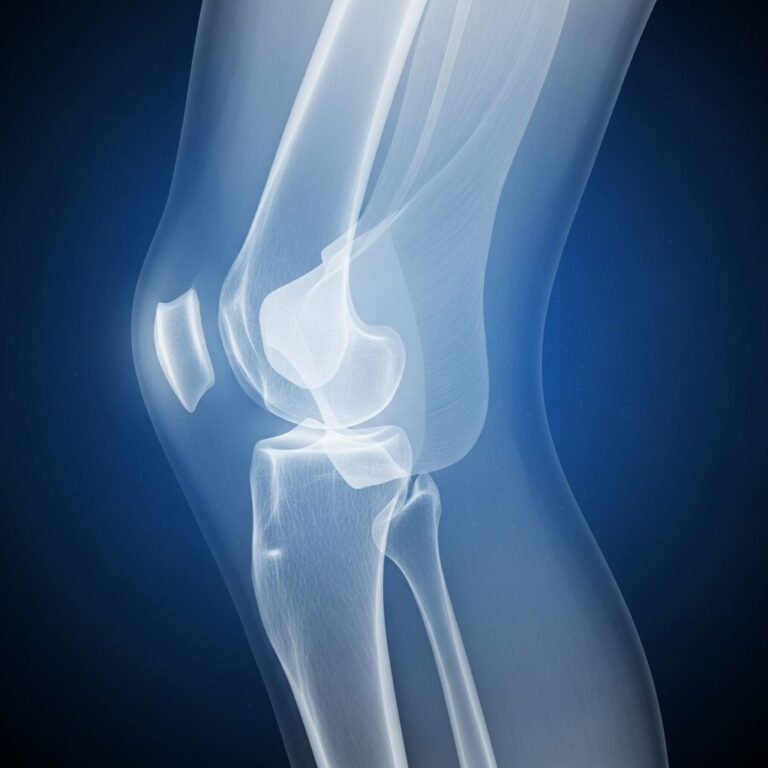
X-ray imaging is one of the oldest and most widely used medical imaging techniques. It uses electromagnetic radiation to create two-dimensional images of bones and soft tissues. X-rays are quick, relatively inexpensive, and expose patients to minimal radiation, making them ideal for initial screening of suspected fractures, infections, and certain lung conditions.
Related Stories



Computed Tomography (CT)
CT scanning uses multiple X-ray beams and computer processing to create detailed cross-sectional images of the body. This technology provides exceptional detail of bone, soft tissue, and organs, making it invaluable for diagnosing tumors, detecting internal injuries, and planning surgical procedures. CT scans can be performed with or without contrast agents to enhance visualization of specific structures.
Magnetic Resonance Imaging (MRI)
MRI uses powerful magnetic fields and radiofrequency waves to generate highly detailed images without using ionizing radiation. This technology excels at imaging soft tissues, the brain, spinal cord, and joints. MRI is particularly valuable for diagnosing neurological conditions, ligament injuries, and detecting subtle changes in tissue composition.
Ultrasound
Ultrasound imaging employs sound waves to create real-time images of internal structures. This safe, non-invasive technique is commonly used in obstetrics, cardiology, and general imaging. Ultrasound is particularly valuable during pregnancy, for evaluating abdominal organs, and assessing blood flow through vessels.
Nuclear Medicine and PET Imaging
These techniques involve injecting radioactive tracers that accumulate in specific tissues or organs, allowing radiologists to assess physiological function rather than just anatomy. These imaging modalities are particularly useful in detecting cancer, assessing cardiac perfusion, and evaluating metabolic disorders.
Interventional Radiology
Beyond diagnostic imaging, radiologists may perform minimally invasive procedures guided by imaging technology. These include biopsies, catheter placements, and therapeutic interventions that treat disease directly.
Specializations Within Radiology
The field of radiology encompasses numerous subspecialties, allowing radiologists to develop deep expertise in particular clinical areas:
| Subspecialty | Focus Area | Clinical Applications |
|---|---|---|
| Neuroradiology | Brain, spinal cord, and nervous system | Stroke, tumors, trauma, degenerative diseases |
| Musculoskeletal Radiology | Bones, joints, and soft tissues | Fractures, arthritis, sports injuries |
| Cardiothoracic Radiology | Heart, lungs, and chest structures | Cardiac disease, pneumonia, pulmonary emboli |
| Abdominal Imaging | Organs of the abdomen and pelvis | Tumors, inflammatory disease, trauma |
| Breast Imaging | Breast tissue and related structures | Cancer screening and diagnosis |
| Pediatric Radiology | Imaging in children | Developmental conditions, trauma, infections |
| Interventional Radiology | Image-guided procedures | Biopsies, tumor treatment, vascular interventions |
The Diagnostic Process
When a physician orders imaging for a patient, the radiologist begins a systematic diagnostic process. First, they review the clinical history and indication for imaging to understand what clinical question needs to be answered. This context is crucial for directing their attention and interpretation.
The radiologist then performs a thorough, systematic evaluation of the imaging study, examining each anatomical structure methodically. They compare current images with prior studies when available, looking for interval changes that might indicate disease progression or improvement.
Following their analysis, the radiologist generates a detailed report documenting their findings. This report describes what was visualized, identifies any abnormalities, and provides an interpretation of the imaging findings. The report serves as a critical communication tool between the radiologist and referring physician, guiding clinical decision-making and patient management.
Collaboration with Healthcare Teams
Radiologists function as essential members of the broader healthcare team. They collaborate closely with referring physicians, surgeons, oncologists, and other specialists to ensure imaging studies answer relevant clinical questions and contribute meaningfully to patient care. This collaboration often involves discussing cases, reviewing complex imaging findings, and providing expert consultation on imaging interpretation and implications for treatment planning.
In many settings, radiologists participate in multidisciplinary tumor boards, case conferences, and clinical rounds. These interactions enhance the quality of patient care by ensuring imaging expertise informs treatment decisions. Radiologists also educate other healthcare providers about imaging capabilities, appropriate imaging selection, and radiation safety principles.
Quality Assurance and Patient Safety
Radiologists play a vital role in ensuring quality and safety in medical imaging. They establish and maintain protocols for imaging studies, ensuring consistency and optimization of imaging parameters. Quality assurance programs involve reviewing imaging studies and reports to identify and correct deficiencies in technique, interpretation, or communication.
Radiation safety is another critical responsibility. Radiologists work to minimize patient radiation exposure through technique optimization, appropriate study selection, and justification of imaging procedures. They understand the risks and benefits of various imaging modalities and make evidence-based recommendations for imaging studies most likely to benefit patient care.
Emerging Technologies and Future Directions
The field of radiology continues to evolve with technological advancement. Artificial intelligence and machine learning are increasingly being integrated into radiology workflows to enhance diagnostic accuracy, improve efficiency, and identify subtle abnormalities that might be missed on routine interpretation. Advanced imaging techniques such as dual-energy CT, spectral imaging, and molecular imaging are expanding radiologists’ diagnostic capabilities.
Three-dimensional imaging reconstruction and virtual reality applications are enhancing surgical planning and procedural guidance. Radiomics—the extraction of quantitative data from imaging studies—is opening new avenues for personalized medicine and treatment response assessment.
Career Outlook and Opportunities
The demand for qualified radiologists remains strong, with various career opportunities available across different settings. Radiologists may work in academic medical centers, private practice, community hospitals, or specialized imaging centers. Some radiologists establish their own practices or join group practices with other radiologists.
Career advancement opportunities include subspecialty practice, administrative leadership roles, research positions, or academic appointments. Many radiologists pursue research interests alongside clinical practice, contributing to medical knowledge and innovation in imaging technology and techniques.
Challenges and Rewards of Radiology
While radiology offers tremendous intellectual challenges and rewards, radiologists face ongoing demands for continuous learning as technology evolves. The responsibility of interpreting images that guide important clinical decisions carries significant professional accountability. Despite these challenges, many radiologists find deep satisfaction in their diagnostic contributions to patient care, the intellectual engagement of their work, and the collegial relationships they develop with clinical colleagues.
Frequently Asked Questions
Q: What is the difference between a radiologist and a radiologic technologist?
A: Radiologists are physicians who interpret imaging studies and make diagnoses. Radiologic technologists are specialized healthcare professionals who operate imaging equipment and perform the actual imaging studies under physician supervision. Technologists require less extensive training than radiologists but play an equally important role in the imaging process.
Q: Are radiologists involved in patient care or do they only interpret images?
A: While radiologists primarily focus on interpreting imaging studies, they are deeply involved in patient care. They communicate directly with patients, review clinical histories, perform image-guided procedures, and collaborate extensively with treating physicians. Some radiologists, particularly interventional radiologists, have significant direct patient interaction.
Q: How long does it take to become a radiologist?
A: Becoming a radiologist typically requires 13-14 years of education and training after high school, including four years of medical school and five years of radiology residency. Fellowship training in subspecialties adds 1-2 additional years.
Q: Is radiology a good career choice?
A: Radiology offers excellent career prospects with strong job demand, competitive compensation, and intellectual engagement. It appeals to individuals who enjoy diagnostic problem-solving and technological innovation, and who value collaborative healthcare practice.
Q: What imaging modality is most commonly used?
A: X-ray radiography remains the most commonly used imaging modality due to its accessibility, speed, low cost, and minimal radiation exposure. However, CT and MRI are increasingly used for more complex diagnostic questions and detailed anatomical evaluation.
References
- American Board of Radiology – Diagnostic Radiology Certification — American Board of Radiology. 2024. https://www.theabr.org/
- Specialty Training in Diagnostic Radiology — American College of Radiology. 2024. https://www.acr.org/
- Radiologic Technology Training and Certification — American Society of Radiologic Technologists. 2024. https://www.asrt.org/
- National Board of Examination for Radiologic Technology — ARRT. 2024. https://www.arrt.org/
- Careers in Medical Imaging — Bureau of Labor Statistics, U.S. Department of Labor. 2024. https://www.bls.gov/
Similar Articles








Read full bio of medha deb