The Surprising Ways Stress Can Affect Your Body
Discover how chronic stress impacts your heart, brain, gut, muscles, skin, immune system, and more—beyond just feeling anxious.
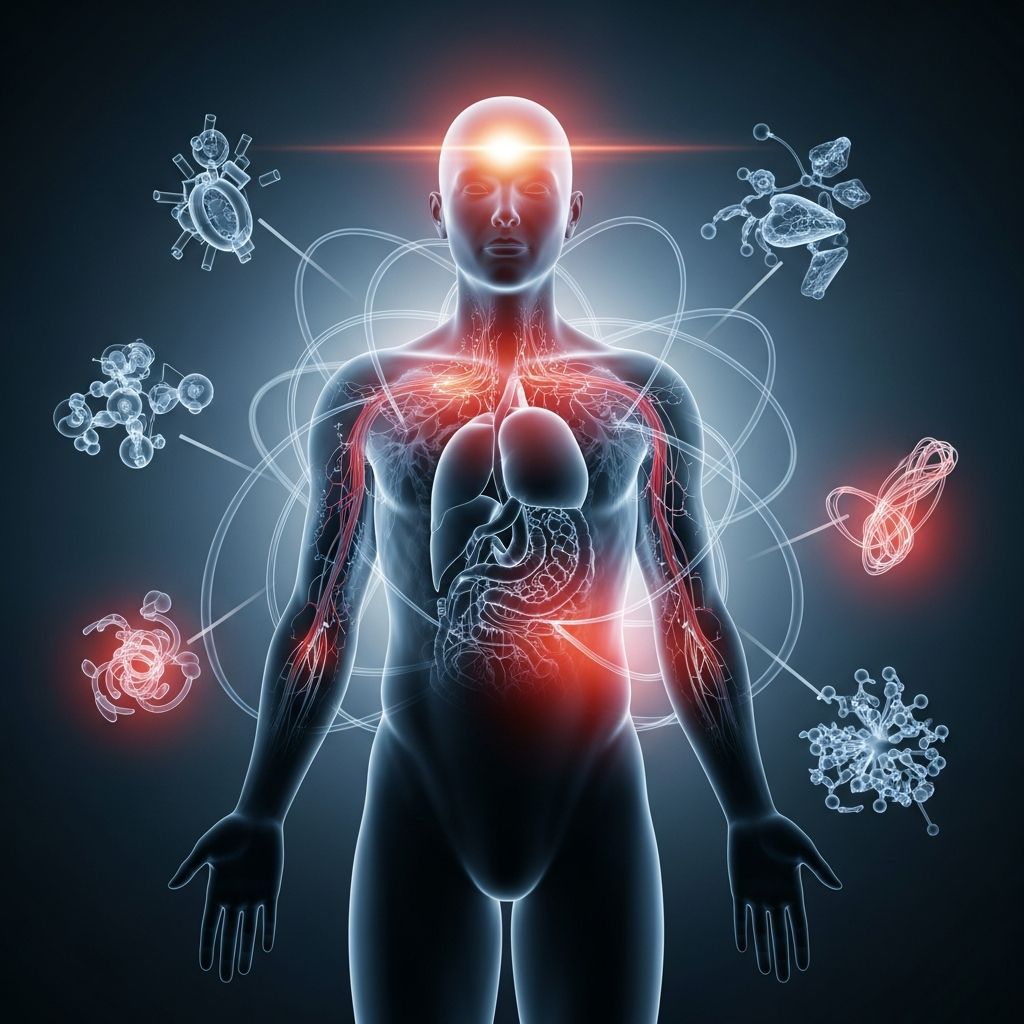
Stress is an inevitable part of modern life, but its effects extend far beyond temporary anxiety or tension. While acute stress can prepare the body for ‘fight or flight,’ chronic stress triggers a cascade of physiological responses that harm multiple systems. This article examines how stress silently damages the heart, brain, digestive tract, muscles, skin, immune function, reproductive health, and energy levels, drawing on evidence from medical experts.
How Stress Works in the Body
The body’s stress response, mediated by the hypothalamus-pituitary-adrenal (HPA) axis, releases hormones like cortisol and adrenaline. These increase heart rate, blood pressure, and glucose for immediate energy, while suppressing non-essential functions like digestion. In short-term scenarios, this is adaptive; however, chronic activation leads to high blood pressure, diabetes, obesity, and anxiety due to persistent physiological strain.
- Accelerated heartbeat and widened pupils for heightened awareness.
- Lowered gastrointestinal activity to prioritize survival over digestion.
- Release of glucose and adrenaline to fuel muscles.
Today, stressors like deadlines or traffic jams provoke this response without physical outlet, accumulating damage over time.
Stress and Your Heart
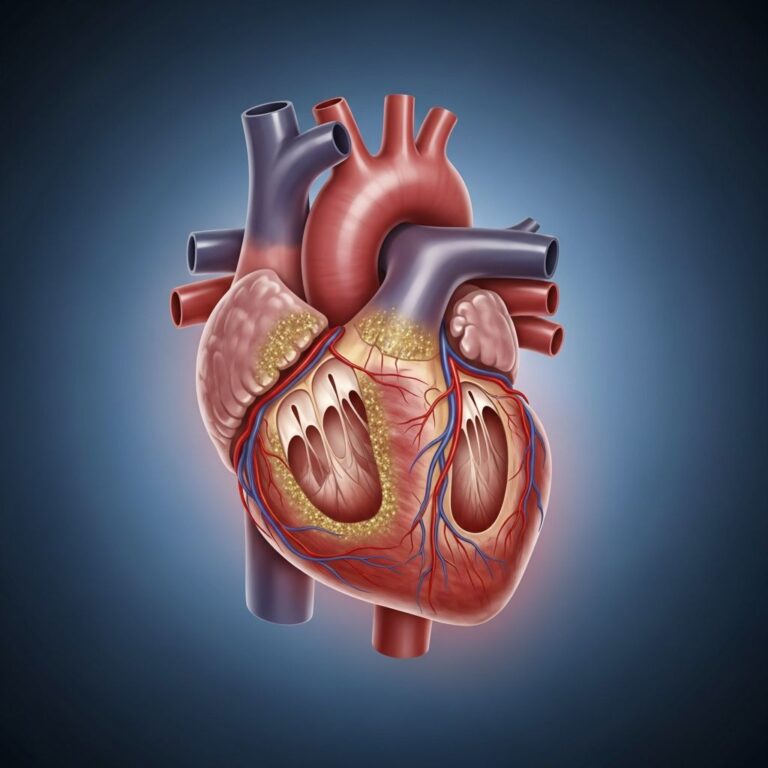
Chronic stress contributes to the top five heart disease risk factors: high blood pressure, abnormal cholesterol, diabetes, obesity, and smoking behaviors. It activates the sympathetic nervous system, causing vasoconstriction, elevated blood lipids, clotting disorders, and arrhythmias, potentially leading to myocardial infarction.
While acute stress rarely causes immediate heart attacks, sustained elevation in cortisol and adrenaline wears down cardiovascular health. Stress also promotes inflammation and endothelial dysfunction, increasing thrombosis risk.
| Heart-Related Stress Effects | Description | Risks |
|---|---|---|
| Increased heart rate and blood pressure | Sympathetic activation | Hypertension, arrhythmias |
| Vascular changes | Endothelial dysfunction | Atherogenesis, ischemia |
| Platelet aggregation | Clotting promotion | Heart attack risk |
Stress and Your Brain
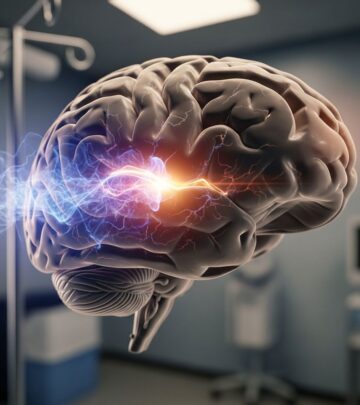
Prolonged stress impairs the hippocampus, a key memory center, mimicking Alzheimer’s-like changes with poor orientation and forgetfulness. Glucocorticoids cross the blood-brain barrier, altering cognition and mood, reducing brain-derived neurotrophic factor (BDNF), and elevating IL-6 and cortisol—patterns seen in depression.
Common symptoms include short-term memory loss, difficulty concentrating, and emotional dysregulation. This evolved to block traumatic memories but hinders modern cognitive demands like recalling names or keys.
- Memory problems and confusion.
- Reduced focus and learning capacity.
- Mood disorders resembling depression.
Stress and Your Digestive System
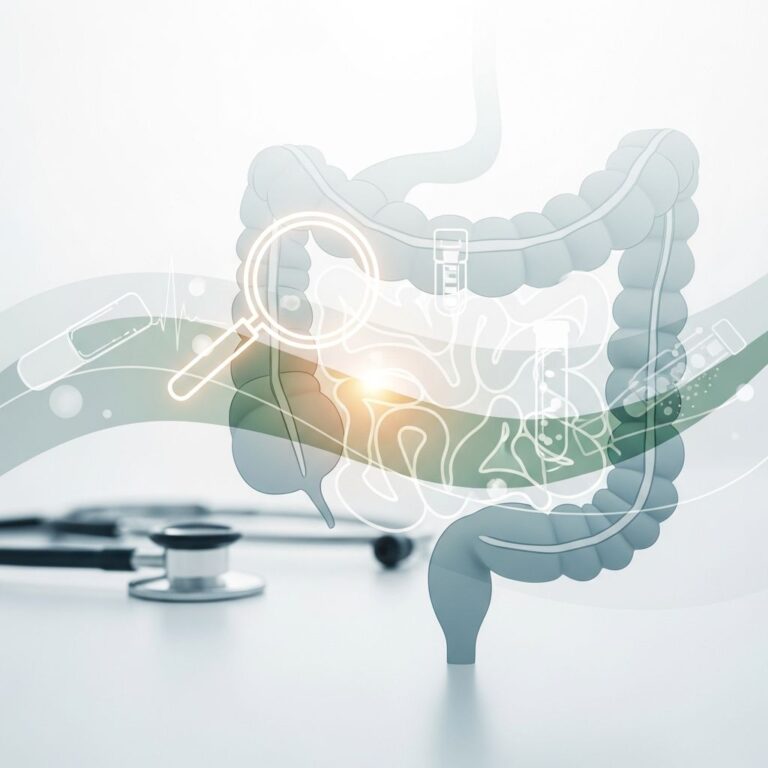
Stress disrupts the brain-gut axis, causing motility disorders, visceral hypersensitivity, altered secretions, barrier permeability changes, reduced blood flow, and bacterial overgrowth. Symptoms include abdominal pain, heartburn, nausea, diarrhea, constipation, and irritable bowel syndrome (IBS).
During stress, digestion halts as blood diverts to muscles, leading to chronic issues like peptic ulcers and inflammation. Clinical studies link stress to functional GI disorders.
Stress and Your Muscles and Joints
Muscles tense under stress, causing pain in the neck, back, shoulders, jaw, and head from clenching or grinding. Over time, this leads to chronic soreness, tension headaches, and temporomandibular joint (TMJ) disorders.
Related Stories



Persistent contraction fatigues muscles, exacerbating conditions like fibromyalgia. Lightheadedness from rapid breathing and elevated heart rate compounds discomfort.
Stress and Your Skin
Stress hormones trigger inflammation, worsening acne, eczema, psoriasis, and rosacea. It delays wound healing by suppressing collagen production and immune response at skin sites.
Cortisol breaks down skin proteins, thins the dermis, and increases oil production, clogging pores. Stress also promotes hair loss via telogen effluvium, where follicles enter resting phase prematurely.
- Exacerbated inflammatory conditions.
- Slower healing and thinning skin.
- Increased breakouts and hair shedding.
Stress and Your Immune System
Chronic stress weakens immunity by elevating cortisol, which suppresses white blood cells and inflammatory responses needed for fighting infections. This results in frequent illnesses, slower recovery, and reactivation of latent viruses like herpes.
Stress modulates CNS and neuroendocrine pathways, reducing immune modulation and increasing susceptibility to colds, flu, and autoimmune flares.
Stress and Your Reproductive System
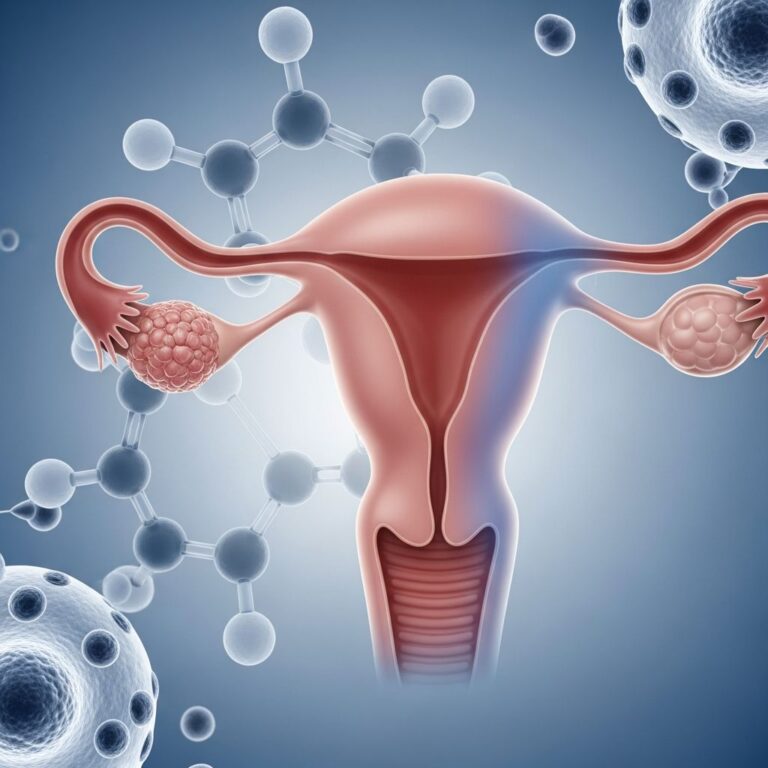
Hormonal shifts from stress lower libido, cause erectile dysfunction in men, and irregular cycles or missed periods in women. High cortisol disrupts gonadotropins, impairing fertility and sexual function.
In women, it elevates androgens, leading to PCOS-like symptoms; in men, testosterone drops. Stress also heightens pregnancy complications like preterm birth.
Stress and Your Energy Levels
Adrenal glands deplete under constant demand, causing fatigue as ‘battery packs’ for adrenaline run dry. Chronic stress leads to exhaustion, poor sleep, and low motivation, creating a vicious cycle.
Symptoms include persistent tiredness despite rest, often with sleep disturbances from racing thoughts.
Behavioral and Emotional Effects
Stress influences behavior: overeating/undereating, substance misuse, withdrawal, and irritability. Mood changes include anxiety, depression, restlessness, and overwhelm, amplifying physical toll.
| Category | Examples |
|---|---|
| Body | Headache, muscle pain, fatigue, stomach upset |
| Mood | Anxiety, depression, grumpiness |
| Behavior | Overeating, isolation, tobacco use |
Managing Stress to Protect Your Body
Counter stress with exercise, mindfulness, sleep hygiene, and social support. Techniques like deep breathing activate parasympathetic recovery, lowering cortisol. Seek professional help for chronic stress to prevent long-term damage.
- Regular physical activity to burn stress hormones.
- Balanced diet and adequate sleep for adrenal recovery.
- Cognitive behavioral therapy (CBT) for pattern-breaking.
Frequently Asked Questions (FAQs)
What are the first physical signs of chronic stress?
Common early signs include headaches, muscle tension, stomach upset, fatigue, and sleep problems.
Can stress cause heart disease directly?
Not directly like a heart attack from acute stress, but chronic stress raises risks via hypertension, cholesterol issues, and inflammation.
How does stress affect digestion long-term?
It disrupts gut motility, increases permeability, and promotes IBS, ulcers, and bacterial imbalances.
Does stress weaken the immune system?
Yes, by suppressing immune cells via cortisol, leading to frequent infections and poor healing.
Can managing stress improve fertility?
Yes, reducing cortisol helps normalize reproductive hormones, boosting libido and cycle regularity.
References
- How Stress Affects Your Body — Sutter Health. 2023. https://www.sutterhealth.org/health/stress-impact-on-the-body
- 7 Ways Stress Affects Your Body — Kaiser Permanente. 2024. https://healthy.kaiserpermanente.org/health-wellness/healtharticle.7-ways-stress-affects-body
- The Impact of Stress on Body Function: A Review — PMC (National Library of Medicine). 2017-07-01. https://pmc.ncbi.nlm.nih.gov/articles/PMC5579396/
- Stress Symptoms: Effects on Your Body and Behavior — Mayo Clinic. 2024. https://www.mayoclinic.org/healthy-lifestyle/stress-management/in-depth/stress-symptoms/art-20050987
- Stress — MedlinePlus (National Library of Medicine). 2025. https://medlineplus.gov/stress.html
- Stress — World Health Organization (WHO). 2024. https://www.who.int/news-room/questions-and-answers/item/stress
Similar Articles








Read full bio of Sneha Tete