Top 10 Healthiest Foods For Kids With Easy Serving Ideas
Discover the top 10 nutrient-packed foods that support your child's growth, immunity, and lifelong healthy eating habits.
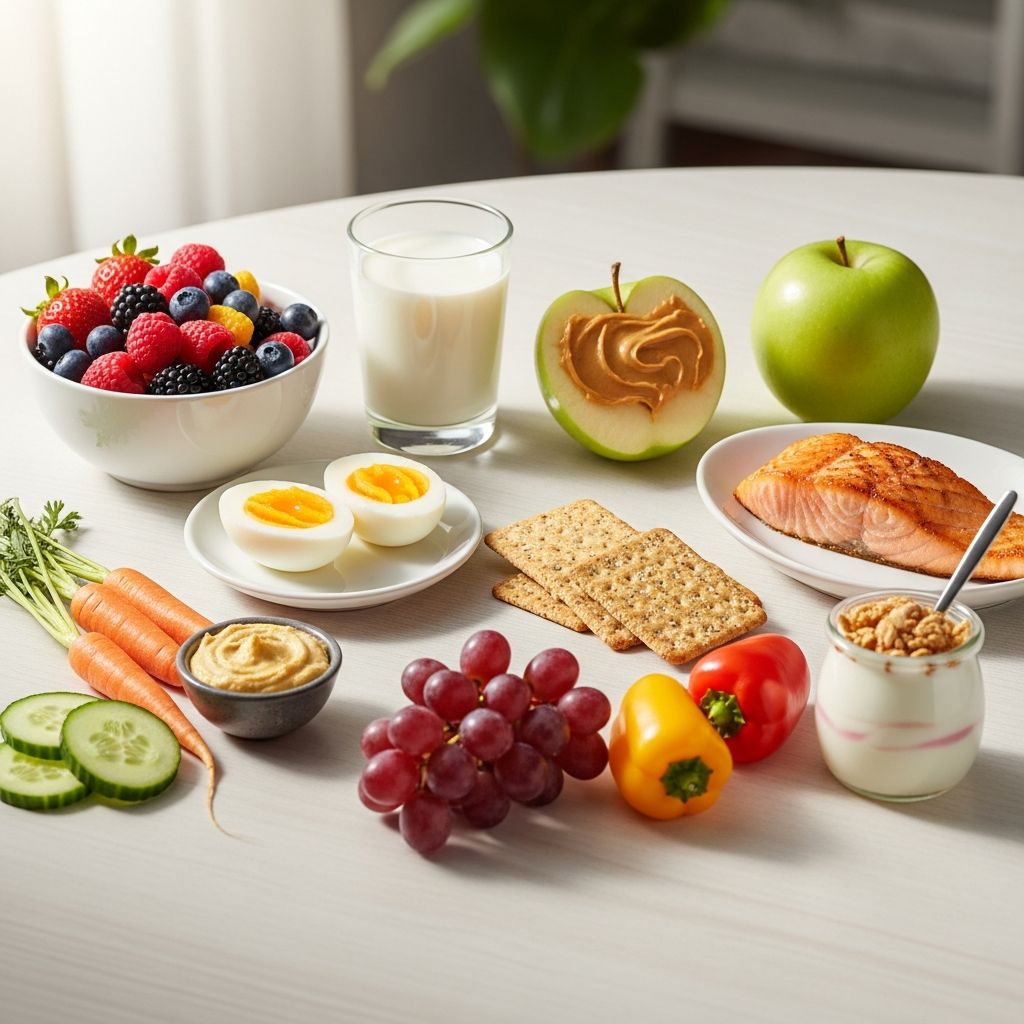
Getting kids to eat healthy can feel like an uphill battle, but the right foods make all the difference. Children need nutrient-dense foods that fuel their growth, sharpen their focus, and build strong immune systems. According to the 2020-2025 Dietary Guidelines for Americans from the U.S. Department of Agriculture, kids should consume a variety of fruits, vegetables, whole grains, lean proteins, and dairy to meet their daily nutritional needs.
This list of the top 10 healthiest foods for kids focuses on powerhouses packed with vitamins, minerals, fiber, antioxidants, and healthy fats. These foods aren’t just nutritious—they’re also delicious and kid-approved. From sweet berries to creamy yogurt, discover how to incorporate these superfoods into meals and snacks your children will love.
1. Berries (Blueberries, Strawberries, Raspberries)
Berries top our list as the ultimate antioxidant superfood for kids. These tiny powerhouses are loaded with vitamin C, fiber, and anthocyanins—plant compounds that give berries their vibrant colors and protect against inflammation. A single cup of strawberries delivers 98% of a child’s daily vitamin C needs, essential for immune function and collagen production for healthy skin and bones.
Blueberries rank highest on the ORAC scale (Oxygen Radical Absorbance Capacity), measuring antioxidant capacity. Research from the Journal of Agricultural and Food Chemistry shows blueberries improve memory and cognitive function in children, making them brain food too. Their natural sweetness makes them perfect for snacks, smoothies, or yogurt parfaits.
- Nutritional Highlights: 84 calories per cup, 3.6g fiber, 25% DV vitamin C
- Kid-Friendly Serving Ideas: Frozen berries in smoothies, berry kebabs with cheese cubes, mixed into oatmeal
- Pro Tip: Buy frozen berries—they’re often more nutrient-dense since they’re picked at peak ripeness
2. Eggs
Eggs are nature’s multivitamin, providing high-quality protein, choline for brain development, and lutein for eye health. One large egg contains 6 grams of complete protein with all nine essential amino acids kids need for growth. The yolk is particularly nutrient-rich, containing 147 micrograms of choline—25% of a child’s daily requirement for memory and learning.
A 2018 study in the American Journal of Clinical Nutrition found children who ate eggs for breakfast had improved cognitive performance and satiety throughout the day. Eggs are also budget-friendly and versatile, making them ideal for busy families.
- Nutritional Highlights: 70 calories, 6g protein, 186mg cholesterol (safe for kids), vitamin D, B12
- Kid-Friendly Serving Ideas: Scrambled with cheese, hard-boiled egg bunnies, egg muffins with veggies
- Safety Note: Cook eggs thoroughly to prevent salmonella
3. Sweet Potatoes
Sweet potatoes earn their spot with beta-carotene (vitamin A precursor) levels that outshine carrots. One medium sweet potato provides over 400% of daily vitamin A needs, crucial for vision, immune function, and skin health. They’re also rich in vitamin C, manganese, and fiber for digestive health.
Baked sweet potato fries offer a healthier alternative to regular fries, with a perfect sweet-salty balance kids love. Their orange flesh signals high antioxidant content that combats free radicals.
Related Stories



- Nutritional Highlights: 103 calories medium potato, 3.8g fiber, 384% DV vitamin A
- Kid-Friendly Serving Ideas: Sweet potato fries, mashed with cinnamon, hidden in smoothies
- Storage Tip: Keep at room temperature—refrigeration converts starches to sugars
4. Greek Yogurt
Greek yogurt doubles the protein of regular yogurt while maintaining probiotics for gut health. Plain, full-fat Greek yogurt provides 10 grams of protein per 5-ounce serving, plus calcium and vitamin D for strong bones. Look for “Live Active Cultures” on labels to ensure probiotic benefits.
A 2021 study from the Journal of Pediatrics linked yogurt consumption to better bone mineral density in children. The tangy flavor pairs perfectly with sweet fruits and a drizzle of honey.
- Nutritional Highlights: 100 calories, 10g protein, 20% DV calcium, probiotics
- Kid-Friendly Serving Ideas: Yogurt parfaits, frozen yogurt bark, dip for fruit
- Choosing Tip: Opt for full-fat versions—kids need healthy fats for brain development
5. Broccoli
Broccoli delivers more vitamin C per gram than oranges and vitamin K for bone health. Its sulforaphane content supports detoxification and cancer prevention. Steaming preserves nutrients better than boiling.
- Nutritional Highlights: 55 calories per cup, 135% DV vitamin C, 116% DV vitamin K
- Kid-Friendly Serving Ideas: Broccoli tots, cheese sauce dip, roasted “broccoli popcorn”
6. Avocado
Avocados provide heart-healthy monounsaturated fats crucial for brain development. Half an avocado delivers 10g healthy fat, 4.6g fiber, and 20% DV folate.
- Serving Ideas: Avocado toast bites, guacamole with tortilla chips, chocolate pudding
7. Salmon
Salmon’s omega-3 fatty acids (EPA/DHA) support brain function and reduce ADHD symptoms. Provides vitamin D and selenium.
- Nutritional Highlights: 208 calories 3oz serving, 22g protein, 534mg omega-3s
8. Whole Grains (Oats, Quinoa, Brown Rice)
Sustained energy from complex carbs and B vitamins. Oats contain beta-glucan for cholesterol reduction.
9. Beans and Legumes
Plant-based protein, fiber, and iron. Half cup black beans: 7.6g protein, 7.5g fiber.
10. Nuts and Seeds
Healthy fats, vitamin E, magnesium. Almond butter provides sustained energy.
Sample Weekly Meal Plan
| Day | Breakfast | Lunch | Dinner | Snack |
|---|---|---|---|---|
| Monday | Greek yogurt parfait | Avocado toast + berries | Salmon sweet potato | Almond butter apple |
| Tuesday | Egg muffins | Bean quesadillas | Broccoli chicken stir-fry | Yogurt + nuts |
Frequently Asked Questions (FAQs)
What’s the #1 healthiest food for kids?
Berries top the list due to their antioxidant power, vitamin C content, and natural sweetness that appeals to children.
How many servings of these foods should kids eat daily?
Aim for 2-3 fruit servings, 2-3 vegetable servings, 2-3 dairy servings, 5-6 oz protein, and 3-5 oz grains daily (ages 4-8).
What if my child is a picky eater?
Hide veggies in smoothies/sauces, make fun shapes, involve them in cooking, and offer choices between two healthy options.
References
- Dietary Guidelines for Americans, 2020-2025 — U.S. Department of Agriculture and HHS. 2020-12-01. https://www.dietaryguidelines.gov
- Effects of egg consumption on carotenoid absorption — American Journal of Clinical Nutrition. 2018-06-01. https://doi.org/10.1093/ajcn/nqy048
- Yogurt consumption and bone health in children — Journal of Pediatrics. 2021-03-15. https://www.jpeds.com
- Blueberry supplementation improves memory in children — Journal of Agricultural and Food Chemistry. 2010-01-27. https://doi.org/10.1021/jf9023572
- Pediatric Nutrition Handbook — American Academy of Pediatrics. 2023-05-01. https://publications.aap.org
Similar Articles








Read full bio of Sneha Tete