Obesity And Cancer: 13 Linked Cancers And Survival Risks
Uncovering the strong links between obesity and increased cancer risk, survival challenges, and essential prevention strategies.
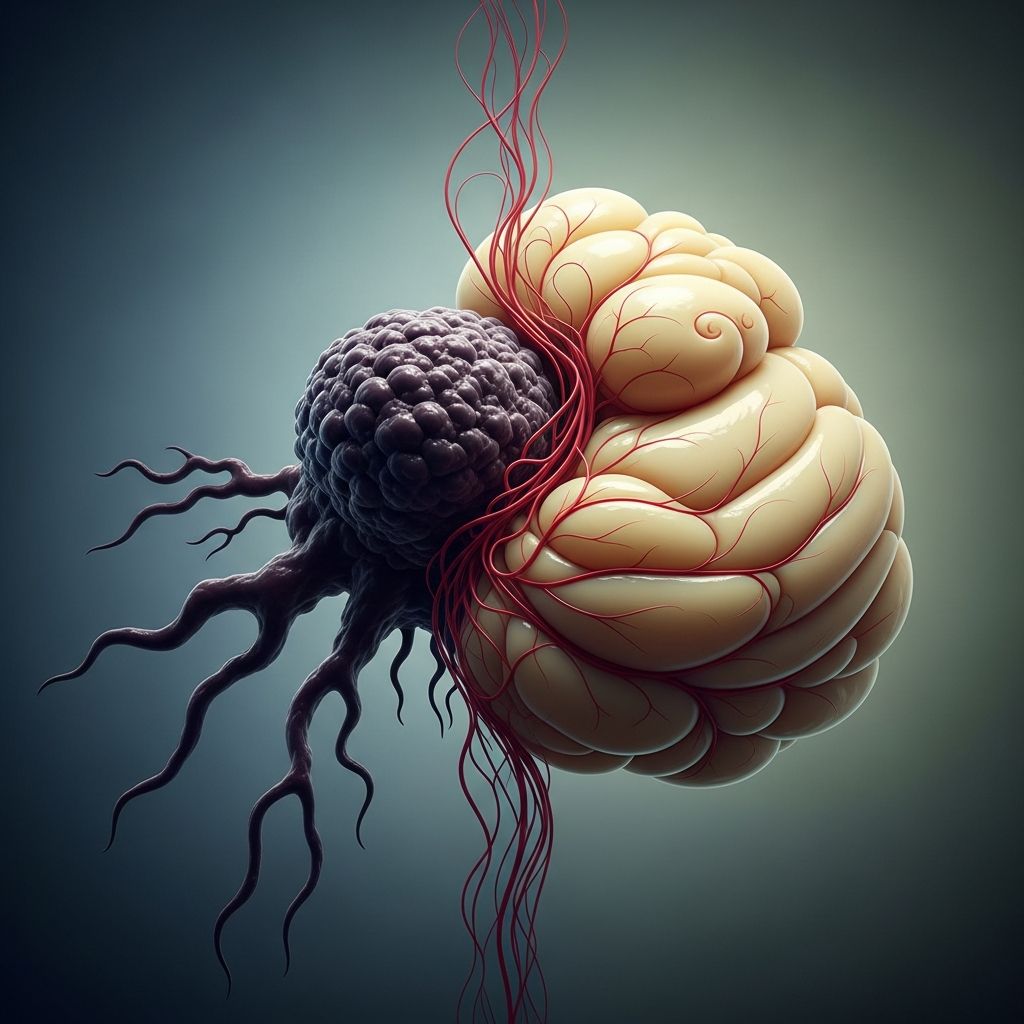
Obesity significantly increases the risk of developing at least 13 types of cancer and worsens survival outcomes for many cancer patients, though exceptions like lung cancer show a complex ‘obesity paradox’. Excess body fat alters hormones, inflammation, and cell growth, driving these risks, making weight management a key strategy in cancer prevention and care.
Obesity and Cancer Risk
Obesity, defined as a body mass index (BMI) greater than 30, is linked to higher risks for numerous cancers. The International Agency for Research on Cancer (IARC) reviewed over 1,000 studies and confirmed consistent evidence that greater body fatness raises the risk for cancers including endometrial, esophageal, breast (postmenopausal), colorectal, kidney, liver, gallbladder, pancreatic, ovarian, uterine, multiple myeloma, meningioma, and thyroid.
About 4–8% of all cancers worldwide are attributable to obesity. For instance, people with severe obesity have about seven times the risk of type 1 endometrial cancer and nearly five times the risk of esophageal adenocarcinoma compared to those with healthy weight. In breast cancer, excess trunk fat raises the hazard ratio to 1.89 for invasive cases and 2.21 for hormone-receptor positive types. Colorectal cancer sees a 14% increase in both cancer-specific and all-cause mortality linked to obesity.
- Breast cancer (postmenopausal): Obesity elevates risk via estrogen production in fat tissue.
- Colorectal cancer: Associated with 22% higher cancer-specific mortality pre-diagnosis.
- Endometrial cancer: Severe obesity multiplies risk by sevenfold.
- Esophageal adenocarcinoma: Over twice the risk with obesity, nearly five times with severe cases.
- Kidney, pancreatic, liver, gallbladder: Strong links through insulin resistance and inflammation.
Mechanisms include chronic inflammation, elevated insulin and insulin-like growth factor-1 (IGF-1), higher estrogen levels fueling cell growth, and enhanced angiogenesis promoting metastasis. These factors create a fertile environment for cancer development and progression.
Obesity After Cancer Diagnosis
For cancer survivors, obesity compounds challenges. Evidence from breast, prostate, and colorectal cancer survivors shows obesity worsens quality of life, increases recurrence, progression, and second primary cancers. A meta-analysis of 203 studies with over 6.3 million participants found obesity linked to reduced overall survival (HR 1.14) and cancer-specific survival (HR 1.17).
During treatments like chemotherapy, 30–50% of women gain over 5% body weight, persisting up to five years post-diagnosis, heightening mortality risks. Obese patients with breast, colorectal, prostate, pancreatic, and gastroesophageal cancers face higher recurrence and mortality. Multidisciplinary management addressing both cancer and obesity is recommended.
| Cancer Type | Obesity Impact on Survival | Hazard Ratio (HR) |
|---|---|---|
| Breast | Increased mortality | HR 1.14 (OS), 1.17 (CSS) |
| Colorectal | Higher cancer-specific mortality | 22% increased risk |
| Prostate/Pancreatic | Increased mortality/recurrence | Supported by meta-analysis |
| Lung/Melanoma | Obesity paradox: better survival | Lower risk of death |
The ‘Obesity Paradox’ in Cancer
Paradoxically, obesity improves survival in some cancers like lung, renal cell carcinoma, and melanoma—the ‘obesity paradox’. In lung cancer, obese patients showed prolonged cancer-specific and overall survival, possibly due to better tolerance of cachexia (severe weight loss), reduced inflammation response, or adipose tissue’s immune role with checkpoint inhibitors.
This held in 11 studies, nine involving advanced disease, independent of smoking. For melanoma and renal cell carcinoma, similar benefits appeared, derived from fewer studies. However, overall, obesity remains a competing risk for mortality across most cancers. Explanations remain debated, urging caution against weight gain as ‘protective’.
Related Stories



How Does Obesity Cause Cancer?
Excess fat tissue drives cancer through multiple pathways:
- Hormonal changes: Fat produces estrogen (breast/endometrial risk) and insulin/IGF-1 (cell proliferation).
- Inflammation: Adipose tissue releases cytokines promoting tumor growth.
- Cell survival/metastasis: Enhances blood vessel growth and cancer cell longevity.
- Adipokines: Leptin promotes growth; adiponectin (low in obesity) inhibits it.
These create systemic changes fueling oncogenesis, recurrence, and poor prognosis.
Can Obesity Affect Cancer Treatment and Survival?
Yes, obesity complicates dosing, increases surgical risks, and worsens outcomes in most cases. Higher BMI correlates with poorer performance status, more comorbidities, and treatment intolerance. Weight-reducing strategies like exercise, diet, GLP-1 analogues, or bariatric surgery show promise for survivors.
In breast cancer, pre-diagnosis obesity raises mortality; post-diagnosis BMI ≥35 links to 13% higher all-cause mortality in colorectal cases. Multidisciplinary teams should prioritize obesity management.
Losing Weight Lowers Cancer Risk
Sustained 5–10% weight loss reduces biomarkers like insulin and inflammation, potentially lowering cancer risk. Structured exercise with diet/behavior therapy, GLP-1 drugs, or surgery accelerates loss in survivors. Even modest reductions improve outcomes; prevention via healthy weight is ideal.
How to Lose Weight if You Have Cancer
Cancer patients/survivors need tailored plans:
- Consult oncologist/dietitian before starting.
- Aim for gradual loss (0.5–1kg/week) via calorie control and exercise.
- Focus on nutrient-dense foods: fruits, vegetables, lean proteins, whole grains.
- Incorporate resistance/ aerobic training if possible.
- Consider medications/surgery post-treatment.
Evidence supports these for better survivorship.
FAQs
Does being overweight mean I’ll get cancer?
No, but it substantially raises risk for 13+ cancers. Lifestyle changes can mitigate this.
Can weight loss reverse cancer risk?
It lowers associated risks and improves survival; consult professionals.
Why better survival in obese lung cancer patients?
Obesity paradox: possibly better cachexia reserve or immune effects, but not generalizable.
Is obesity riskier post-cancer diagnosis?
Yes, increases recurrence/mortality in most cases.
What cancers are most linked to obesity?
Breast, colorectal, endometrial, esophageal, kidney, pancreatic, liver.
References
- Association of Obesity With Survival Outcomes in Patients With Cancer — JAMA Network Open. 2023-05-26. https://jamanetwork.com/journals/jamanetworkopen/fullarticle/2777839
- Obesity and Cancer: A Current Overview of Epidemiology — PMC / Cancers (Basel). 2023-01-11. https://pmc.ncbi.nlm.nih.gov/articles/PMC9857053/
- Obesity and Cancer Fact Sheet — National Cancer Institute (NCI). 2024. https://www.cancer.gov/about-cancer/causes-prevention/risk/obesity/obesity-fact-sheet
- Excess Body Weight and Cancer Risk — American Cancer Society. 2024. https://www.cancer.org/cancer/risk-prevention/diet-physical-activity/body-weight-and-cancer-risk.html
Similar Articles








Read full bio of medha deb