Warning Signs Of Stress: What You Need To Know For Your Health
Recognize the early warning signs of stress to protect your mental and physical health before it leads to burnout or serious issues.
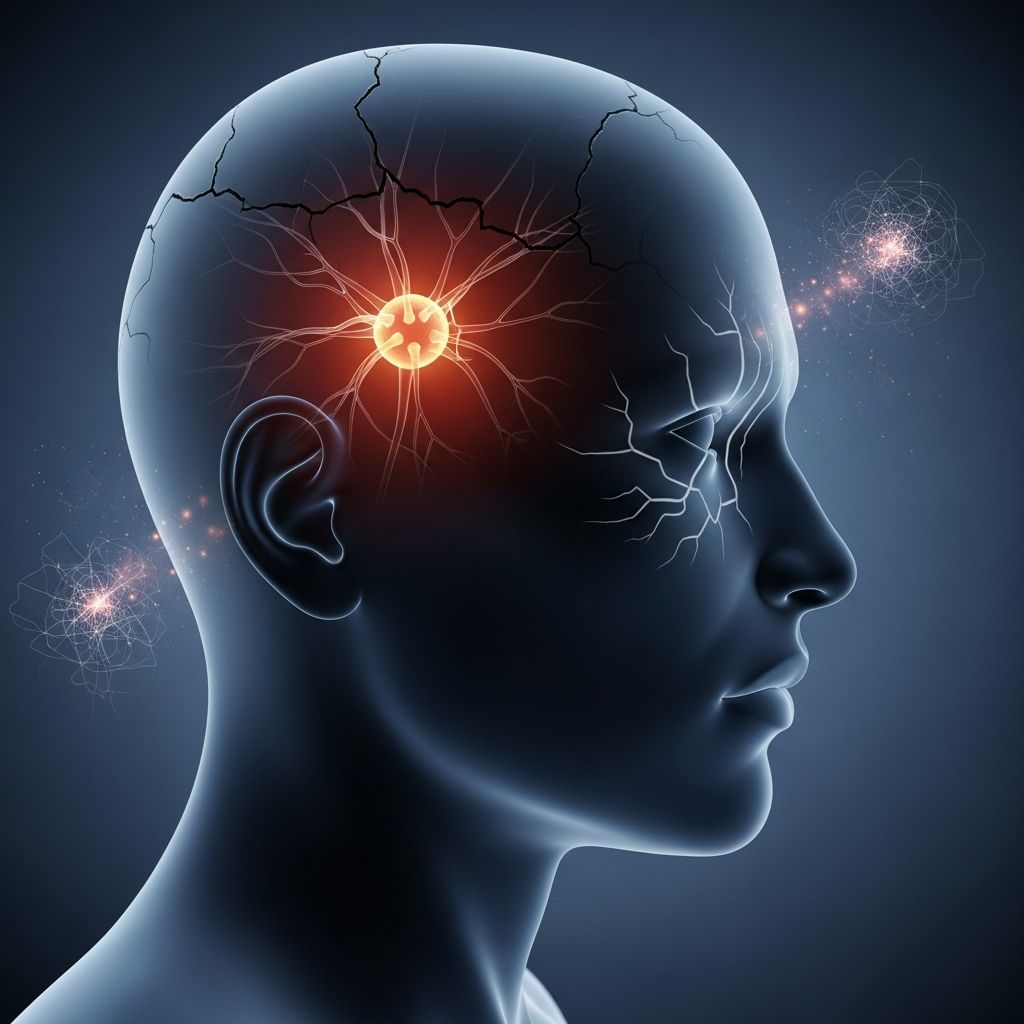
Stress is a normal part of life, but when it becomes chronic, it can lead to serious health problems like burnout, anxiety, and physical illnesses. Recognizing the early
warning signs of stress
is crucial for taking timely action to protect your wellbeing. This article explores the physical, emotional, behavioral, and cognitive symptoms of stress, differentiates it from burnout and depression, and provides evidence-based strategies to manage it effectively.How Do You Know If You’re Stressed?
Stress manifests in various ways, often building gradually until it overwhelms your daily functioning. Common indicators include not being able to sleep properly due to racing worries, feeling impatient or irritable over minor issues, and struggling to concentrate because your mind is cluttered with thoughts. You might find yourself unable to make decisions, drinking or smoking more than usual, or losing enjoyment in food.
Physical tension is another hallmark: feeling a ‘knot’ in your stomach, sweaty palms with a dry mouth, or a thumping heart from ‘fight or flight’ hormones. Headaches, muscle tension in the neck and shoulders, and an inability to relax—always feeling like something needs doing—are frequent complaints. These signs signal that stress is accumulating, whether from sudden events like a traffic jam or ongoing pressures like a demanding job.
- Not sleeping well with constant worries.
- Irritability from small problems.
- Poor concentration and indecisiveness.
- Increased substance use.
- Physical symptoms like nausea or palpitations.
Physical Warning Signs of Stress
The body often bears the brunt of stress first.
Fatigue and sleep problems
are primary signals: feeling perpetually tired and overburdened indicates energy depletion. Stress triggers physical symptoms such as panic attacks, chest pain, headaches, muscle aches, nausea, dizziness, indigestion, heartburn, and bowel changes like constipation or diarrhoea.Muscle tension is common, leading to pain in the lower back, shoulders, neck, or headaches. Stomach issues, including ulcers in chronic cases, and heart problems can emerge from prolonged stress. Other signs include upset stomach, diarrhea, dry mouth, and difficulty sleeping or staying asleep. These arise from stress hormones like adrenaline flooding the bloodstream and overactivating nerves.
| Symptom | Description | Potential Impact |
|---|---|---|
| Headaches & Muscle Tension | Pain in neck, shoulders, back | Chronic pain, reduced mobility |
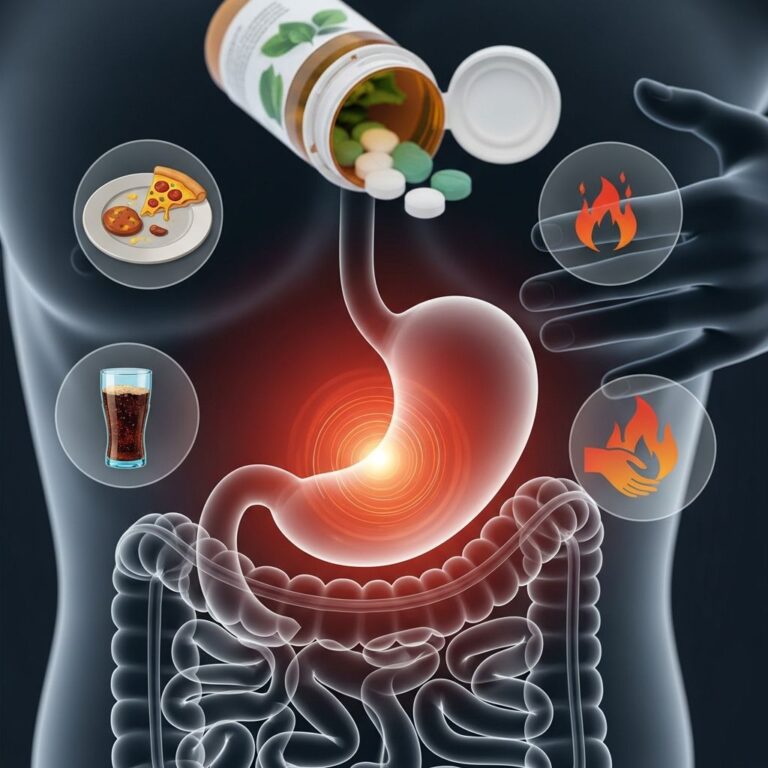
| Stomach Issues | Nausea, indigestion, diarrhea | Ulcers, IBS worsening |
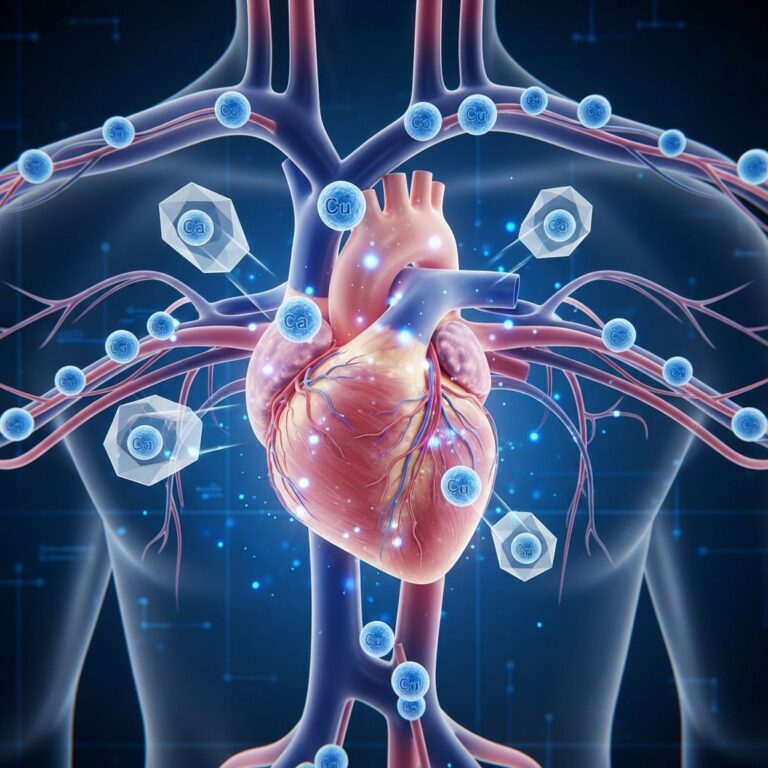
| Heart-Related | Palpitations, chest pain | Increased cardiovascular risk |
| Fatigue | Exhaustion, sleep disruption | Energy depletion, burnout |
Emotional and Behavioral Signs
Emotionally, stress breeds irritability, impatience, guilt, nervousness, helplessness, or a sense of lacking control. You may withdraw socially, become aggressive, or turn to substance abuse as coping mechanisms. Behavioral changes include altered eating and sleeping habits, forgetfulness, and anger outbursts.
Feeling overwhelmed or overburdened affects job performance, making tasks feel insurmountable. Negativity, emotional detachment, and lack of motivation signal deeper issues like neglect or under-challenged burnout. In acute reactions, reckless or self-destructive behavior, emotional numbness, and wanting to be alone prevail.
Related Stories



- Irritability and mood swings.
- Social withdrawal or aggression.
- Changes in appetite or substance use.
- Feeling detached or numb.
Cognitive Symptoms of Stress
Stress impairs thinking: poor concentration, racing thoughts, and difficulty focusing are common. You might experience low mood, emotional ups and downs, or recurrent intrusive dreams and flashbacks in acute cases. Avoidance of triggers—people, places, or conversations—stems from anxiety about reliving distress. These cognitive disruptions exacerbate daily challenges, from work to relationships.
Stress vs Burnout vs Depression
Distinguishing stress from burnout and depression is vital.
Burnout
involves energy depletion, exhaustion, mental disengagement, negative work feelings, and poor performance. Types include overload (prioritizing achievement over health), habitual (low energy), neglect (negativity and detachment), and under-challenged (lack of motivation).**Depression** overlaps with burnout symptoms like inability to get out of bed, but burnout ties more directly to work stressors. Dr. Perry notes, ‘It can be very hard to tell whether they are depressed or burnt out, because the symptoms are the same.’ Severe burnout can debilitate, mimicking depression.
Acute stress reaction symptoms last minutes to hours post-event, potentially evolving into acute stress disorder if persisting 3 days to a month. Chronic stress risks heart disease, IBS, psoriasis, migraines, and hypertension.
Is Stress Harmful?
Acute stress activates survival responses, but unrelenting stress becomes problematic. It worsens mental health, impairs work and relationships, and contributes to physical illnesses. High stress interferes with functioning, parenting, and basic needs, potentially escalating to anxiety disorders. Ongoing stress is a risk for later heart problems and conditions like high blood pressure.
Common Causes of Stress
Stressors vary: relationship discord, parenting demands, life changes (e.g., college, marriage, bereavement), chronic illness, caregiving, differing opinions, bullying, violence, or trauma. Work pressures, financial worries, and daily hassles accumulate.
- Relationship conflicts.
- Life transitions.
- Health issues or caregiving.
- Work overload or trauma.
How to Manage Stress
Early intervention prevents escalation. Techniques include:
- Deep breathing or mindfulness to counter ‘fight or flight’.
- Regular exercise to release tension.
- Healthy sleep routines and balanced diet.
- Time management: prioritize tasks, say no to overload.
- Social support: talk to friends or professionals.
- CBT therapy for anxiety, depression, stress via platforms like Onebright.
Seek help if symptoms persist beyond a month or interfere severely—consider GP assessment for PTSD or other issues. Sanford Health emphasizes team-based care for stress in illness.
Frequently Asked Questions (FAQs)
Q: How long do stress symptoms last?
A: Acute symptoms fade quickly; chronic ones need management. If over a month, see a doctor.
Q: Can stress cause physical illness?
A: Yes, it worsens IBS, heart issues, migraines, and more.
Q: What’s the difference between stress and burnout?
A: Stress is acute response; burnout is chronic exhaustion from prolonged stress.
Q: When should I seek professional help?
A: If symptoms debilitate daily life, persist, or include severe depression signs.
Q: Are there quick ways to relieve stress?
A: Breathing exercises, walks, and relaxation techniques provide immediate relief.
References
- Burnout: Symptoms, Signs, Causes — Patient.info. 2023. https://patient.info/features/mental-health/what-are-the-symptoms-of-burnout
- How to Manage Stress – 8 Techniques from a GP — Patient.info. 2023. https://patient.info/mental-health/stress-management
- Warning signs and ways to manage stress — Sanford Health News. 2023. https://news.sanfordhealth.org/healthy-living/manage-stress/
- Acute Stress Reaction: Causes, Symptoms, and Treatment — Patient.info. 2023. https://patient.info/mental-health/stress-management/acute-stress-reaction
- The surprising ways stress can affect your body — Patient.info. 2023. https://patient.info/features/mental-health/the-surprising-ways-stress-can-affect-your-body
Similar Articles








Read full bio of Sneha Tete