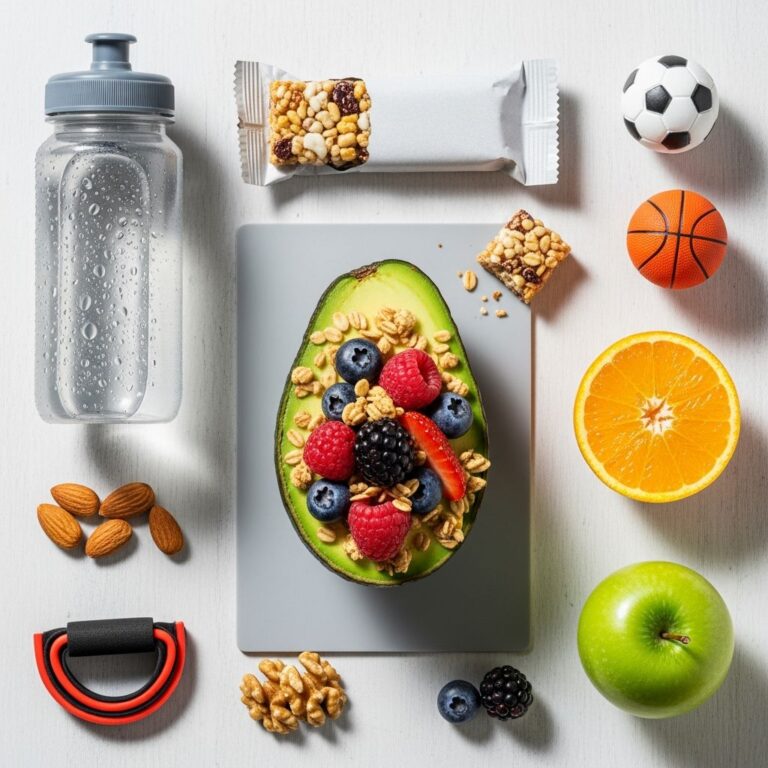
Weight Loss: 5 Mayo Clinic Habits For Lasting Results
Exploring the emotional, physical, and psychological challenges of weight loss and sustainable strategies for long-term success.

Weight loss is more than a physical transformation; it carries an emotional and psychological load that can make the journey daunting. Creating an energy deficit through diet and exercise remains the cornerstone of shedding pounds, but long-term success hinges on sustainable habits that counteract metabolic adaptations and prevent regain.
Understanding the Core of Weight Loss
An
energy deficit
—consuming fewer calories than expended—is the fundamental driver of weight loss. Research emphasizes that while low-calorie diets (LCDs) with reduced fat or carbohydrates effectively initiate loss, the body resists through adaptive responses like decreased energy expenditure. For instance, very-low-calorie diets (VLCDs, under 800 kcal/day) combined with low carbs and adequate protein can accelerate initial results but require medical supervision for short-term use only.Meal replacements offer convenience, yielding 2-6 kg more loss than unsupported diets, though long-term adherence falters. Beyond calories, macronutrient balance matters: high-protein diets enhance satiety, preserving muscle and curbing regain, while the Mediterranean diet excels in cardiometabolic benefits and sustainability.
Popular Diet Approaches: What Works Best
Diets vary in composition, but evidence from meta-analyses shows modest 6-month losses across low-fat, low-carb, ketogenic, and high-protein plans, with benefits fading by 12 months without lifestyle integration. The Atkins diet demonstrated clinically meaningful loss at 6 and 12 months due to its low-carb, high-protein structure.
- Low-Calorie Diets (LCD): 1200-1500 kcal/day; effective for steady loss but challenged by metabolic slowdown.
- Very-Low-Calorie Diets (VLCD): Rapid loss (e.g., 0.5-1 kg/week); ideal for obesity but transitional to LCD.
- High-Protein Diets: 25-30% calories from protein; boosts satiety and muscle retention.
- Mediterranean Diet: Emphasizes veggies, healthy fats, fish; superior for maintenance and heart health.
The Mayo Clinic Diet exemplifies a balanced approach, prioritizing habit change over rigid calorie counting. Its pyramid bases intake on unlimited fruits/veggies, moderating carbs, proteins, fats, and sweets.
The Mayo Clinic Diet: A Lifelong Framework
Developed by Mayo Clinic experts, this program fosters sustainable weight loss through two phases: “Lose It!” (2 weeks, 6-10 lbs loss via 5 add/break habits) and “Live It!” (1-2 lbs/week ongoing). Key habits include eating breakfast, more produce, whole grains, fiber, and moving 30 minutes daily—while avoiding TV eating, excess sweets, and inactivity.
The
Mayo Clinic Healthy Weight Pyramid
guides portions: base unlimited veggies/fruits; then carbs, proteins/dairy, fats, sweets sparingly. Tools like journals track progress without obsessive counting. Results: Initial rapid loss transitions to steady reduction, reducing risks of diabetes, heart disease, and more.| Pyramid Level | Food Group | Daily Servings |
|---|---|---|
| Base | Vegetables & Fruits | 4+ cups veggies, 3+ fruits |
| 2 | Carbohydrates | 4+ servings (whole grains) |
| 3 | Protein & Dairy | 3-7 oz protein, 4 dairy |
| 4 | Fats | 3-5 servings |
| Top | Sweets | <75 kcal/day |
This structure promotes filling, nutrient-dense foods for satisfaction and health.
Meal Timing and Intermittent Strategies
Beyond amount and type, timing influences outcomes. Time-restricted eating aligns intake with circadian rhythms, potentially enhancing fat loss without calorie cuts. Evidence supports breakfast consumption for better regulation, though intermittent fasting shows promise in trials.
Related Stories



Exercise: Complementing Dietary Efforts
Physical activity amplifies deficits and preserves muscle. CDC recommends gradual loss (1-2 lbs/week) via nutrition, activity, sleep, and stress management. Mayo Clinic advocates 30 minutes daily movement, building to more. Combine cardio for burn with resistance for metabolism boost.
Overcoming Emotional and Psychological Barriers
Weight loss bears emotional weight: frustration from plateaus, societal pressure, yo-yo cycles. Sustainable success requires mindset shifts—viewing it as health investment, not punishment. Habits like mindful eating combat emotional triggers.
- Track non-scale victories: energy, mood, clothing fit.
- Build support: communities, professionals.
- Manage setbacks: analyze without self-blame.
Long-Term Maintenance: Preventing Regain
80% regain within years due to adaptations; counter with high-protein, Mediterranean patterns. Lifelong phases like Mayo’s “Live It!” embed habits: portion awareness, activity, planning. CDC stresses holistic lifestyle: sleep (7-9 hrs), stress reduction.
Frequently Asked Questions (FAQs)
What is the most important factor in weight loss?
An energy deficit through reduced intake and increased expenditure, best via sustainable low-calorie diets.
How effective is the Mayo Clinic Diet?
Lose 6-10 lbs in 2 weeks, then 1-2 lbs/week; focuses on lifelong habits for maintenance.
Are very-low-calorie diets safe?
For short-term under supervision; transition to balanced LCD for sustainability.
Which diet best prevents regain?
High-protein and Mediterranean diets show strong evidence for satiety and cardiometabolic health.
How much exercise for weight loss?
At least 30 minutes daily moderate activity, per CDC and Mayo guidelines.
Practical Tips for Success
Start small: Add veggies to plates, walk post-meals. Plan menus weekly, prep meals. Hydrate, prioritize sleep—poor rest hinders hormones. Consult providers for personalized plans, especially with conditions.
Sustainable weight loss transforms lives, reducing chronic disease risks. By prioritizing evidence-based strategies—energy control, nutrient quality, habits—you lighten the physical and emotional load.
References
- Optimal Diet Strategies for Weight Loss and Weight Loss Maintenance — J Obes Metab Syndr. 2021-03-30. https://pmc.ncbi.nlm.nih.gov/articles/PMC8017325/
- The Mayo Clinic Diet: A weight-loss program for life — Mayo Clinic. 2023-10-12. https://www.mayoclinic.org/healthy-lifestyle/weight-loss/in-depth/mayo-clinic-diet/art-20045460
- Steps for Losing Weight | Healthy Weight and Growth — Centers for Disease Control and Prevention (CDC). 2024-05-15. https://www.cdc.gov/healthy-weight-growth/losing-weight/index.html
Similar Articles








Read full bio of medha deb