Therapeutic Hypothermia After Cardiac Arrest
Life-saving cooling therapy to protect the brain after cardiac arrest and improve patient outcomes.
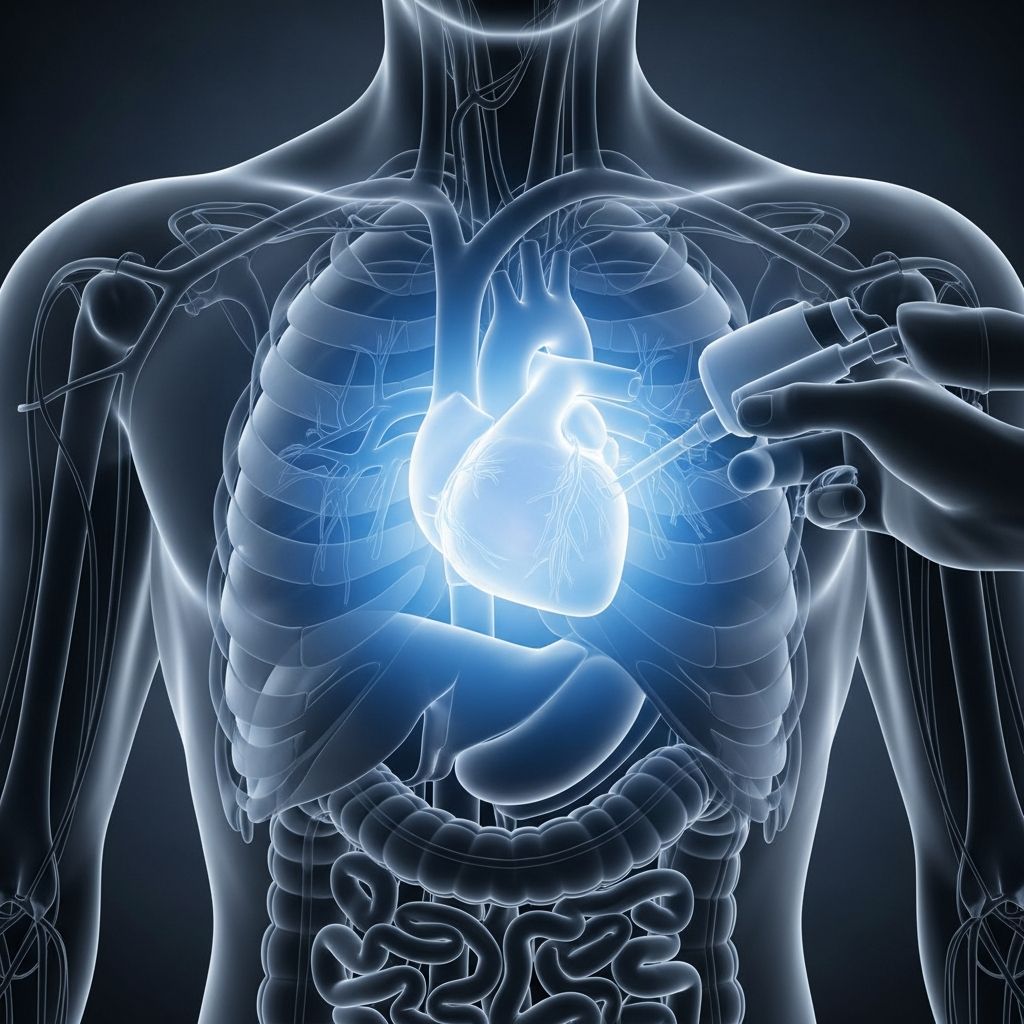
Therapeutic hypothermia, also known as targeted temperature management (TTM), is a medical treatment designed to lower a patient’s core body temperature following cardiac arrest. This intervention has emerged as a critical life-saving procedure that significantly reduces brain injury and improves long-term neurological outcomes for survivors of sudden cardiac arrest. When the heart suddenly stops beating and circulation ceases, the brain and other vital organs face severe oxygen deprivation. Even after successful resuscitation and restoration of circulation, the reperfusion process itself can trigger a cascade of damaging cellular events. Therapeutic hypothermia interrupts these harmful processes by cooling the body to a controlled temperature, typically between 32°C to 36°C (89°F to 96°F), for approximately 24 hours.
What is Therapeutic Hypothermia?
Therapeutic hypothermia is an evidence-based treatment that deliberately reduces the patient’s core body temperature to protect neurological function following cardiac arrest. Unlike accidental hypothermia, which occurs unintentionally and can be dangerous, therapeutic hypothermia is carefully controlled and monitored by medical professionals using specialized cooling devices and techniques. Healthcare providers induce this state of controlled cooling immediately after successful resuscitation to prevent further brain damage and optimize chances of neurological recovery. The procedure typically maintains the reduced temperature for 24 hours, after which the patient is gradually rewarmed at a controlled rate of approximately 0.25°C per hour.
How Does Therapeutic Hypothermia Work?
The therapeutic benefits of hypothermia operate through multiple protective mechanisms at the cellular and systemic levels. When body temperature is reduced, the brain’s metabolic rate decreases significantly, reducing oxygen and glucose consumption by brain cells. This metabolic suppression is crucial because it limits the damage caused by the ischemic-reperfusion injury that occurs when blood flow is restored after cardiac arrest.
Neuroprotective Mechanisms
Therapeutic hypothermia protects the brain through several interconnected biological pathways. The cooling process interrupts apoptotic pathways—programmed cell death mechanisms that would normally accelerate following hypoxia. It reduces harmful excitatory processes by decreasing intracellular calcium accumulation and limiting the release of glutamate and glycine, neurotransmitters that can cause cellular toxicity. Additionally, hypothermia reduces neuroinflammation, decreases free radical production, and maintains blood-brain barrier integrity, preventing dangerous cerebral edema formation. The treatment may also upregulate cold shock proteins that provide additional protection from ischemic injury.
Systemic Effects
Beyond neuroprotection, therapeutic hypothermia influences multiple organ systems. Cardiovascular effects include mild bradycardia (slow heart rate) and stable blood pressure, with vasoconstriction occurring in mild hypothermia. The reduced cardiac output matches the body’s decreased metabolic demand, minimizing stress on the recovering heart. Mild hypothermia at 35°C may cause coronary artery vasodilation in healthy vessels while inducing vasoconstriction in atherosclerotic arteries. The treatment also appears to reduce post-cardiac arrest coagulation activation and microthrombi formation, further protecting vital organs.
Who Benefits from Therapeutic Hypothermia?
Therapeutic hypothermia is recommended for comatose survivors of cardiac arrest, particularly those who initially presented with shockable rhythms such as ventricular fibrillation (VF) or ventricular tachycardia (VT). The American Heart Association first recommended this treatment in 2003 and has continued to advocate for its use in appropriate patient populations. While research continues to expand the indications, therapeutic hypothermia has also shown promise in cases of anoxic brain injuries, stroke, hypoxic ischemic encephalopathy, bacterial meningitis, and acute respiratory distress syndrome.
Clinical Evidence and Outcomes
The landmark HACA trial (2002) demonstrated the effectiveness of therapeutic hypothermia in a randomized controlled trial of 273 survivors of out-of-hospital cardiac arrest. The study found that 55% of patients treated with 24 hours of cooling to 32-34°C achieved favorable neurological outcomes, compared with only 39% of patients who maintained normal body temperature. Importantly, mortality in the hypothermia group was 41% compared with 55% in the normothermia group, demonstrating a substantial survival benefit. The more recent HYPERION trial (2019) evaluated 584 patients with both out-of-hospital and in-hospital cardiac arrest presenting with non-shockable rhythms. This trial compared 24 hours of cooling at 33°C followed by 24 hours of normothermia against 48 hours of normothermia alone, and significantly demonstrated improved neurological outcomes in the treatment group.
Related Stories



Initiation and Management of Therapeutic Hypothermia
Temperature Targets and Initial Management
The specific approach to therapeutic hypothermia depends on the patient’s initial temperature upon arrival at the hospital. If the patient’s temperature is between 30-32.9°C, active rewarming to 33°C is initiated. For patients presenting with temperatures between 33-34.9°C, passive warming with blankets is employed, allowing core temperature to gradually increase to 35°C. Once target temperatures are achieved, medical teams employ various strategies to maintain the desired temperature range. These strategies include completely exposing the patient to lower ambient temperature, adjusting room temperature, and using active cooling devices such as cold intravenous saline, surface cooling blankets, or intravascular cooling catheters when passive methods prove insufficient.
Sedation and Ventilation
Patients undergoing therapeutic hypothermia require sedation for at least 40 hours to prevent shivering and ensure patient comfort. Sedatives and analgesics are carefully selected and titrated to maintain therapeutic goals while allowing for early neurological assessment and ventilator weaning when appropriate. Healthcare teams attempt extubation at the earliest possible time if the patient demonstrates neurological appropriateness and meets standard extubation criteria, recognizing that prolonged mechanical ventilation carries its own risks.
Fever Management
Preventing fever is a critical component of post-cardiac arrest care, even after the hypothermia protocol is completed. All patients should receive regular paracetamol (acetaminophen) doses unless contraindicated. If the patient’s temperature reaches 37.7°C and continues climbing, active cooling strategies are immediately reinitiated to prevent the harmful effects of fever, which can exacerbate neurological injury and worsen outcomes.
Managing Shivering During Therapeutic Hypothermia
Shivering presents a significant challenge during therapeutic hypothermia induction. Patients typically begin shivering at a core temperature of approximately 35.5°C (96°F), and this reflex response generates internal heat that counteracts the cooling process. Effective shivering management involves a tiered approach:
Tier 1: Prevention Strategies
Before shivering begins, prophylactic measures include regular paracetamol dosing at 1g every 6 hours and optimizing serum magnesium levels to above 0.8 mmol/L. Buspirone 30mg every 8 hours administered via nasogastric tube may also be considered when available.
Tier 2: Active Shivering Management
If shivering occurs despite preventive measures, the second tier involves wrapping hands and feet with warm towels for peripheral rewarming. Pharmacological interventions include dexmedetomidine or clonidine infusions (never administered together), or propofol infusion if alpha-2 agonists are contraindicated due to bradycardia. Additional agents may include remifentanil or ketamine infusions, with serum magnesium targets adjusted to 1.2-1.6 mmol/L.
Tier 3: Refractory Shivering
When conservative and pharmacological measures fail to control shivering, fentanyl boluses may be administered, with continuous infusions avoided when possible. Neuromuscular blocking agents serve as a final resort option in truly refractory cases.
Rewarming Protocol
After maintaining the target temperature for 24 hours, careful rewarming is essential to prevent complications. The rewarming process proceeds gradually, typically at a rate of 0.25°C per hour, preventing rapid temperature fluctuations that could trigger arrhythmias or hemodynamic instability. The total rewarming duration typically extends over 24-48 hours, depending on the target temperature achieved during the cooling phase.
Potential Complications and Adverse Effects
While therapeutic hypothermia is generally considered a safe intervention with manageable side effects, healthcare teams must remain vigilant for potential complications. Bradycardia is common and expected but requires monitoring to ensure it does not compromise hemodynamic stability. Patients may experience electrolyte abnormalities, altered drug metabolism requiring medication dose adjustments, and increased infection risk during the recovery period. Careful patient monitoring and supportive care minimize these risks while maximizing the neuroprotective benefits of the intervention.
Integration with Other Cardiac Arrest Therapies
Therapeutic hypothermia can be safely combined with other critical interventions for cardiac arrest management, including percutaneous coronary intervention and other revascularization procedures. The timing of therapeutic hypothermia initiation is crucial—current evidence suggests that earlier treatment initiation correlates with improved efficacy. Many medical centers have developed protocols that prioritize rapid cooling while simultaneously addressing the underlying cause of cardiac arrest, such as acute coronary syndrome requiring emergency angiography.
Current Clinical Guidelines and Recommendations
The International Liaison Committee on Resuscitation and the American Heart Association continue to recommend targeted temperature management at 32-34°C for 12-24 hours in comatose patients with out-of-hospital cardiac arrest presenting with shockable rhythms. Current evidence indicates that maintaining normothermia and actively preventing fever may achieve comparable outcomes to therapeutic hypothermia in some patient populations, though professional organizations continue advocating for TTM protocols based on available clinical trial data. Individual patient factors, institutional protocols, and the specific circumstances of the cardiac arrest influence the decision to initiate therapeutic hypothermia.
Frequently Asked Questions
Q: Is therapeutic hypothermia effective for all types of cardiac arrest?
A: Therapeutic hypothermia is most established for out-of-hospital cardiac arrest with shockable rhythms (VF/VT), though evidence supports its use in other cardiac arrest scenarios. The effectiveness may vary depending on patient factors, timing of intervention, and specific cardiac arrest characteristics.
Q: How long does therapeutic hypothermia treatment last?
A: The cooling phase typically lasts 24 hours, followed by a gradual rewarming period of an additional 24-48 hours. The total treatment duration averages 48-72 hours from initiation through complete rewarming.
Q: What is the target body temperature for therapeutic hypothermia?
A: The target temperature range is typically 32-36°C (89.6-96.8°F), with specific targets determined by institutional protocols and patient factors. Most protocols target either 33°C or 36°C for the maintenance phase.
Q: Can patients be awake during therapeutic hypothermia?
A: No, patients require sedation for at least 40 hours during therapeutic hypothermia to prevent discomfort, reduce shivering, and facilitate tolerance of the cooling process. However, medical teams assess for neurological improvement and attempt early extubation when appropriate.
Q: What happens after therapeutic hypothermia is completed?
A: After the 24-hour cooling period, patients undergo gradual rewarming over 24-48 hours. Continued supportive care, fever prevention, neurological monitoring, and treatment of the underlying cause of cardiac arrest continue throughout the recovery period.
Q: Are there risks associated with therapeutic hypothermia?
A: Therapeutic hypothermia is generally safe with manageable side effects. Potential issues include bradycardia, electrolyte imbalances, altered medication metabolism, and increased infection risk. Close monitoring by experienced medical teams minimizes these complications.
References
- Therapeutic Hypothermia After Cardiac Arrest — Life in the Fast Lane (LITFL). 2024. https://litfl.com/therapeutic-hypothermia-after-cardiac-arrest/
- Therapeutic Hypothermia — Sudden Cardiac Arrest Foundation. 2024. https://www.sca-aware.org/about-sudden-cardiac-arrest/therapeutic-hypothermia
- Therapeutic Hypothermia After Cardiac Arrest — American Heart Association Circulation Journal. 2024. https://www.ahajournals.org/doi/10.1161/01.CIR.0000079019.02601.90
- Changes in Practice of Controlled Hypothermia after Cardiac Arrest — American Thoracic Society Journal of Critical Care Medicine. 2023. https://www.atsjournals.org/doi/full/10.1164/rccm.202211-2142CP
- The Effect of Therapeutic Hypothermia after Cardiac Arrest on Neurological Status — National Center for Biotechnology Information (PubMed Central). 2022. https://pmc.ncbi.nlm.nih.gov/articles/PMC8618610/
Similar Articles








Read full bio of medha deb