Therapeutic Massage For Pain Relief: Evidence-Based Benefits
Discover how therapeutic massage can naturally relieve pain and improve your overall health and wellness.
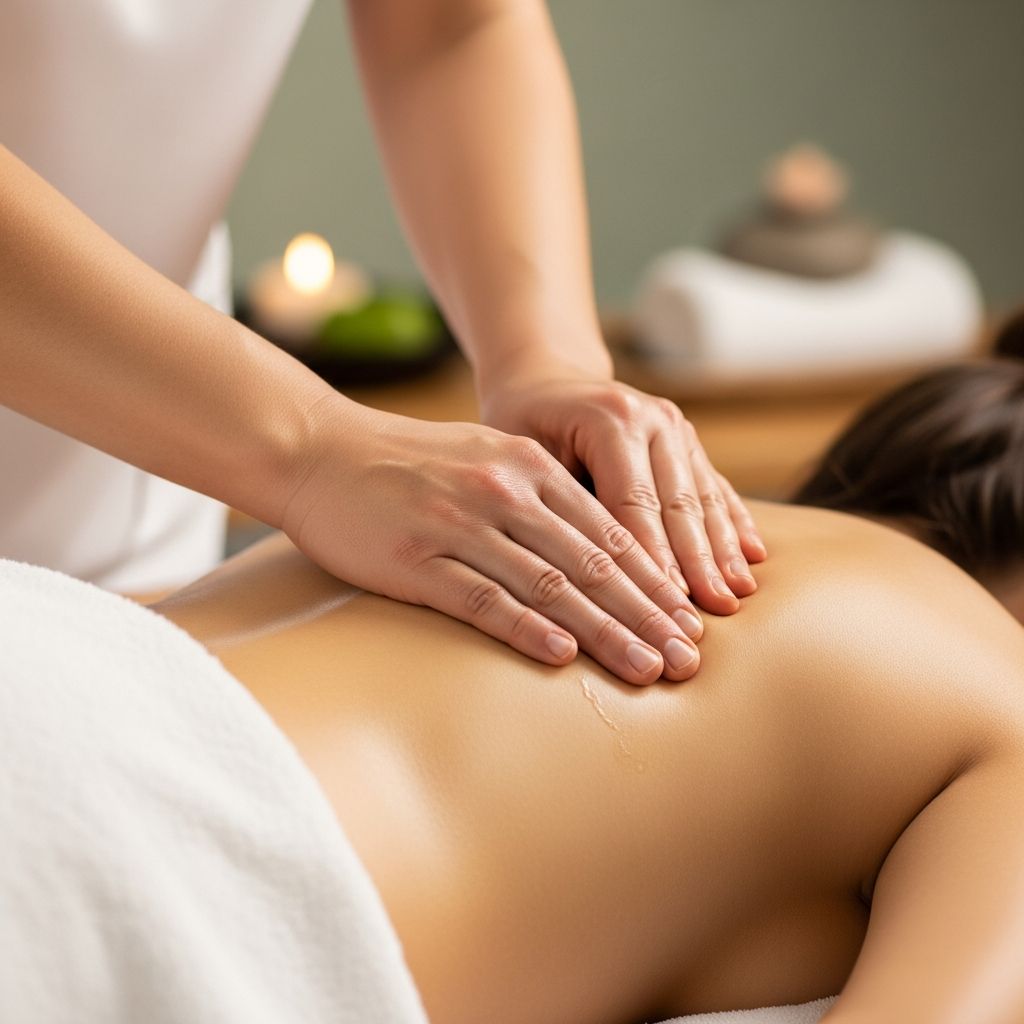
Therapeutic Massage for Pain Relief
Chronic pain affects millions of people worldwide, often becoming a significant barrier to maintaining an active and healthy lifestyle. Defined as pain lasting more than 12 weeks, chronic pain encompasses conditions such as back pain, headaches, arthritis pain, and cancer-related discomfort. While many individuals assume that aging inevitably brings persistent pain and discomfort, therapeutic massage offers a natural, drug-free approach to pain management and recovery that can help people of all ages maintain mobility and quality of life.
Therapeutic massage is far more than a luxury spa treatment or vacation indulgence. It represents a legitimate therapeutic intervention supported by extensive scientific research demonstrating its effectiveness in reducing pain, accelerating recovery from injury or surgery, and managing stress-related symptoms. Licensed massage therapists work in various healthcare settings, including rehabilitation hospitals, pain clinics, and sports medicine facilities, as part of comprehensive treatment plans designed to improve functional outcomes and reduce reliance on pharmaceutical interventions.
The Science Behind Massage Therapy
Modern scientific research has revealed the remarkable mechanisms through which massage therapy promotes healing and pain relief. At the cellular level, therapeutic massage works through multiple physiological pathways that directly address the root causes of pain and muscle dysfunction.
Recent groundbreaking research conducted at Harvard’s Wyss Institute for Biologically Inspired Engineering demonstrated that mechanical stimulation through massage accelerates muscle recovery by clearing inflammatory cells from damaged tissue. Using a custom-designed robotic system to deliver consistent, controlled pressure to injured muscles, researchers found that this mechanical loading rapidly removes immune cells called neutrophils from severely injured muscle tissue. This process also eliminates inflammatory cytokines—chemical messengers that promote inflammation—released by neutrophils, thereby enhancing the regeneration of muscle fibers. The research confirmed that the greater the force applied during treatment, the stronger the injured muscles became, proving that mechanotherapy directly improves muscle recovery after injury.
The mechanism works by essentially flushing out inflammatory cells and substances through increased fluid movement within the muscle tissue. As pressure is applied during massage, it creates a pumping effect that mobilizes fluids and systematically removes the cells and cytokines responsible for prolonged inflammation and pain. This drug-free, non-invasive approach offers particular promise for patients with conditions that prevent the use of pharmaceutical interventions.
How Massage Reduces Specific Types of Pain
Scientific studies have documented massage therapy’s effectiveness across multiple pain conditions, each demonstrating different but complementary healing mechanisms:
Muscle Soreness and Exercise Recovery
One significant study published in the Archives of Physical Medicine and Rehabilitation examined massage therapy’s effects on post-exercise muscle soreness. Researchers had sedentary adults perform intensive leg exercises until fatigue, then provided half the group with therapeutic leg massages. While all participants experienced soreness initially, those receiving massage reported complete resolution of soreness within 90 minutes, compared to 24 hours for the non-massage group. The research revealed that blood flow increased in the massage group for up to 72 hours, while the exercise-only group experienced reduced circulation after just 90 minutes. This enhanced circulation facilitates faster muscle recovery and reduces the likelihood of muscle injuries.
Chronic Back Pain Management
A landmark 2011 study published in Annals of Internal Medicine compared massage therapy with pharmaceutical treatment for chronic back pain among 400 participants ages 20 to 65. The massage group received one-hour therapeutic sessions weekly for 10 weeks. Remarkably, nearly 40% of the massage group reported their pain was significantly better or completely eliminated, compared with only 4% in the control group receiving anti-inflammatory medication. This striking difference demonstrates massage’s superiority over conventional pharmaceutical approaches for many individuals with chronic back pain.
Post-Surgical Pain and Recovery
Research published in Complementary Therapies in Clinical Practice found that 20-minute massage sessions administered two and three days following cancer surgery significantly reduced pain and tension. The same intervention also decreased anxiety levels, addressing both the physical and psychological dimensions of post-surgical recovery. This evidence supports integrating massage into post-operative care protocols as an evidence-based pain management strategy.
Related Stories



Types of Therapeutic Massage
Different massage modalities address specific pain conditions and therapeutic goals. Understanding these approaches helps individuals and healthcare providers select the most appropriate treatment:
Swedish Massage
Swedish massage employs long, gliding strokes specifically designed to soothe aching muscles, relax connective tissue, and enhance circulation throughout the body. This foundational technique is ideal for individuals new to massage therapy or those seeking general relaxation combined with therapeutic benefits. The gentle, flowing nature of Swedish massage makes it accessible for most people regardless of age or condition.
Deep-Tissue Massage
Deep-tissue massage targets structures and muscles located deep beneath the skin’s surface, working to release accumulated tension, minimize muscle knots, and mobilize fluids within muscle tissue. While not inherently painful, deep-tissue massage is typically less comfortable than Swedish massage because it addresses deeper layers of muscular tension. Individuals with specific, localized muscle pain benefit most from this intensive approach, particularly those with chronic muscle tightness or tension-related dysfunction.
Structural Massage
Structural massage focuses on realigning and lengthening muscles that have become unbalanced or shortened from accumulated stress. This technique allows bones and joints to return to their natural alignment and optimal positioning. Structural massage proves especially beneficial for individuals experiencing postural problems or chronic back issues resulting from habitual misalignment.
Trigger-Point Massage
Trigger-point massage specifically addresses pain caused by small, constricted areas of muscle known as trigger points. These localized areas can refer pain to distant body locations—for example, a trigger point in the neck may manifest as headache pain. Trigger points typically develop from injuries, overuse, muscle strain, or emotional stress. By systematically releasing these constricted areas, trigger-point massage provides relief from referred pain patterns.
Sports Massage
Sports massage combines elements of Swedish massage while emphasizing healing, recovery, and prevention and treatment of sports-related injuries. This specialized approach addresses the unique demands placed on athletes’ bodies and supports both injury recovery and performance optimization.
Chair Massage
Chair massage offers accessibility for individuals uncomfortable with partial undressing or those unable to lie down comfortably. This seated approach provides therapeutic benefits while maintaining comfort and dignity for diverse populations.
Medical Massage vs. Recreational Massage
An important distinction exists between medical massage therapy and recreational massage. While both use similar techniques, they differ fundamentally in training, application, and outcomes:
Medical massage therapy focuses on patient-specific therapeutic goals rather than generic relaxation. Licensed medical massage therapists receive specialized training in treating specific conditions and injuries, document patient progress systematically, and work collaboratively with physicians and other healthcare providers as integrated team members. Medical massage is often combined with physical therapy, injections, and other interventions as part of comprehensive treatment plans targeting functional outcomes such as reduced pain and improved mobility. Medical massage therapists typically work in pain treatment clinics, hospitals, sports medicine facilities, and other clinical settings.
Recreational massage emphasizes relaxation and general wellness rather than treating specific medical conditions. While enjoyable and beneficial for stress relief, recreational massage does not follow the structured, outcome-focused protocols of medical massage and may not address specific pain conditions effectively.
Importantly, medical massage treatments may be covered under insurance policies, making therapeutic massage more financially accessible for patients requiring ongoing pain management. Patients consistently report that medical massage effectively relieves pain, discomfort, and anxiety, making it a valuable component of pain management strategies.
The Broader Benefits Beyond Pain Relief
While pain relief represents the primary benefit, therapeutic massage offers additional health advantages that contribute to overall wellness. Massage reduces stress and anxiety, which often accompany or exacerbate chronic pain conditions. By addressing the interconnection between physical tension and psychological stress, massage therapy provides holistic healing that extends beyond symptomatic relief.
Enhanced circulation from massage therapy delivers oxygen and nutrients to damaged tissues while facilitating removal of metabolic waste products. This improved circulation supports not only faster healing but also better overall tissue health and function. Additionally, the relaxation response induced by massage can improve sleep quality, reduce blood pressure, and support immune function—all critical components of comprehensive health maintenance.
Integrating Massage into a Pain Management Strategy
For individuals experiencing chronic pain, therapeutic massage should be considered as a primary component of evidence-based pain management rather than a last resort. The scientific evidence supporting massage therapy’s effectiveness rivals or exceeds that of many pharmaceutical interventions, particularly for conditions like chronic back pain. By integrating massage with other evidence-based approaches—physical therapy, appropriate exercise, stress management, and when necessary, judicious medication use—patients can develop comprehensive strategies that maximize pain relief while minimizing dependence on pharmaceutical interventions.
Consulting with healthcare providers about medical massage ensures that treatment aligns with individual conditions and broader health goals. Licensed massage therapists can discuss specific conditions and determine which massage modality offers the greatest therapeutic benefit for each person’s unique situation.
Frequently Asked Questions
Q: How often should I receive therapeutic massage for pain relief?
A: Frequency depends on your specific condition and treatment goals. Research on chronic back pain used weekly one-hour sessions for 10 weeks. Post-surgical massage was provided on days two and three after surgery. Work with your healthcare provider and massage therapist to establish an appropriate schedule for your situation.
Q: Is therapeutic massage covered by insurance?
A: Medical massage treatments may be covered by insurance policies, particularly when prescribed as part of a comprehensive treatment plan. Coverage varies by insurance provider and plan. Check with your provider and ensure your massage therapist is properly credentialed and licensed.
Q: Can massage therapy replace pain medication?
A: For many people, therapeutic massage can reduce or eliminate the need for pain medication. Research shows massage effectiveness sometimes exceeds that of anti-inflammatory medications for certain conditions like chronic back pain. However, treatment decisions should be made in consultation with your healthcare provider based on your specific condition.
Q: What should I expect during my first therapeutic massage?
A: Your first session will typically include a consultation where the therapist discusses your pain conditions, medical history, and treatment goals. The massage itself may use various techniques depending on your needs. Communication with your therapist ensures the pressure and techniques remain comfortable and therapeutic.
Q: Are there any conditions where massage therapy is not recommended?
A: While generally safe, certain conditions may require modified approaches or contraindicate massage. Consult with your healthcare provider if you have active infections, blood clots, severe osteoporosis, or recent surgery. Your medical provider and massage therapist can determine the appropriate approach for your situation.
References
- The Healing Power of Touch: Massage Therapy for Pain Relief — Harvard Health Publishing. January 2017. https://www.health.harvard.edu/pain-management/the-healing-power-of-touch
- Massage Helps Injured Muscles Heal Faster and Stronger — Harvard John A. Paulson School of Engineering and Applied Sciences / Wyss Institute for Biologically Inspired Engineering. October 2021. https://news.harvard.edu/gazette/story/2021/10/massage-helps-injured-muscles-heal-faster-and-stronger/
- Robotic Massage Helps Regenerate Muscles in Mice — National Institutes of Health, Research Matters. October 2021. https://www.nih.gov/news-events/nih-research-matters/robotic-massage-helps-regenerate-muscles-mice
- Archives of Physical Medicine and Rehabilitation — Study on massage therapy and post-exercise muscle soreness. 2014. https://www.archives-pmr.org/
- Annals of Internal Medicine — Study comparing massage therapy with anti-inflammatory medication for chronic back pain. 2011. https://www.acpjournals.org/journal/aim
- Complementary Therapies in Clinical Practice — Research on massage after cancer surgery. August 2015. https://www.journals.elsevier.com/complementary-therapies-in-clinical-practice
Similar Articles








Read full bio of Sneha Tete