Therapies For Parkinson’s Management: Comprehensive Guide
Explore physical, occupational, and speech therapies to enhance mobility, daily function, and communication for Parkinson's patients.
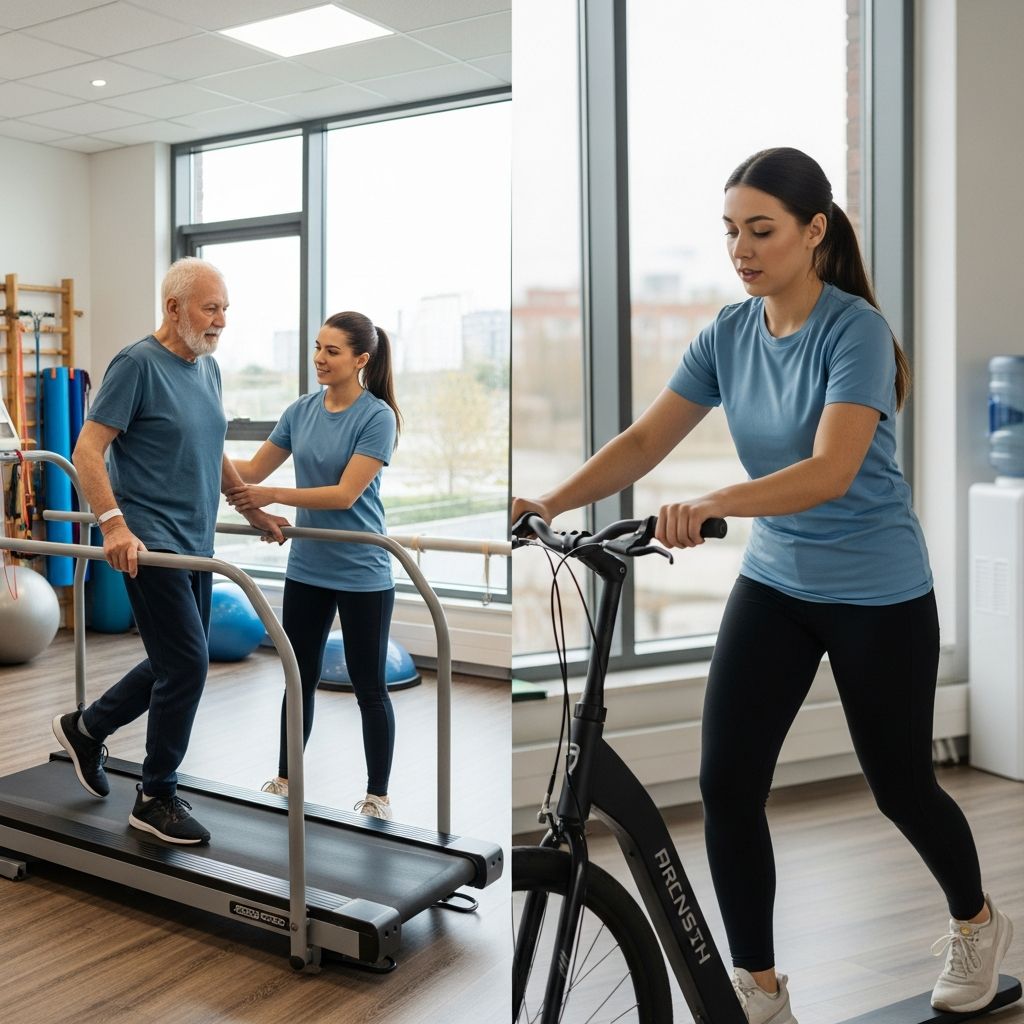
Non-pharmacological therapies play a crucial role in managing Parkinson’s disease symptoms, focusing on improving movement, independence, and communication. Physical, occupational, and speech therapies offer targeted interventions that complement medications and help maintain daily functioning.
Understanding the Role of Rehabilitation in Parkinson’s Care
Parkinson’s disease progressively affects motor control, balance, and cognitive functions due to dopamine loss in the brain. While medications like levodopa address core symptoms, therapies provide practical strategies for long-term symptom control. A multidisciplinary approach involving therapists enhances outcomes by addressing rigidity, bradykinesia, and non-motor issues like swallowing difficulties.
Rehabilitation emphasizes neuroplasticity, where repeated exercises strengthen neural pathways. Regular sessions can reduce fall risk, boost endurance, and foster independence, as supported by clinical guidelines from leading health organizations. Patients often see improvements in gait and posture within weeks of consistent therapy.
Physical Therapy: Building Strength and Mobility
Physical therapy targets motor symptoms through customized exercise programs. Therapists assess gait patterns, balance, and flexibility to design plans that counteract Parkinson’s progression.
- Balance Training: Exercises like tandem walking and single-leg stands prevent falls, a major concern for 50-70% of patients.
- Strengthening Routines: Resistance bands and weights build muscle to combat weakness.
- Aerobic Activities: Cycling or treadmill walking improves cardiovascular health and dopamine regulation.
Evidence shows high-intensity exercise yields better results than moderate efforts, with studies indicating sustained motor score improvements. Therapists may incorporate LSVT BIG, an amplitude-focused program that amplifies movements to overcome hypokinesia.
| Exercise Type | Benefits | Frequency Recommendation |
|---|---|---|
| Flexibility Stretches | Reduces stiffness | Daily, 10-15 minutes |
| Balance Drills | Enhances stability | 3-5 times weekly |
| Endurance Training | Boosts stamina | 30 minutes, 4 days/week |
Occupational Therapy: Enhancing Daily Living Skills
Occupational therapists focus on adapting activities to preserve autonomy. They evaluate home environments and recommend modifications like grab bars or weighted utensils.
Key interventions include fine motor training for buttoning clothes or writing, and energy conservation techniques to manage fatigue. Visual cues, such as colored tape on floors, aid navigation and reduce freezing episodes.
- Adaptive equipment training for eating and dressing.
- Cognitive strategies for memory and planning.
- Upper body exercises to improve reach and grasp.
Therapy sessions often simulate real-life tasks, promoting carryover into daily routines. Research highlights occupational therapy’s role in delaying nursing home admissions by supporting home-based living.
Speech and Swallowing Therapy: Restoring Voice and Safety
Speech-language pathologists address hypophonia (soft voice) and dysphagia (swallowing issues), which affect up to 80% of patients. Programs like LSVT LOUD train vocal intensity through high-effort exercises.
Swallowing assessments identify aspiration risks, with maneuvers like chin tucks preventing pneumonia. Articulation drills improve clarity, while breathing techniques support speech endurance.
- Voice Amplification: Hierarchical tasks from sustained phonation to conversation.
- Dysphagia Management: Thickened liquids and postural adjustments.
- Cognitive-Linguistic Exercises: Word-finding and conversation practice.
LSVT LOUD has demonstrated voice increases of 50% post-treatment, with maintenance through home practice. Combining speech therapy with physical sessions maximizes communication gains.
Integrating Therapies into a Comprehensive Plan
A team-based strategy coordinates physical, occupational, and speech therapies with medications and exercise. Neurologists refer patients early, as timely intervention preserves function.
Home programs reinforce clinic gains, using apps for tracking progress. Family involvement ensures adherence, with caregivers learning cueing techniques.
Emerging Complementary Approaches
Beyond traditional therapies, dance, boxing, and tai chi show promise. Non-contact boxing builds agility, while dance enhances rhythm and social engagement. Digital tools like wearable sensors provide real-time feedback on gait.
Benefits and Evidence of Combined Therapy
Studies confirm multidisciplinary therapy improves UPDRS scores by 20-30%, reduces hospitalizations, and elevates quality of life. Long-term adherence correlates with slower progression.
| Therapy Type | Primary Gains | Supporting Evidence |
|---|---|---|
| Physical | Mobility, balance | Reduced falls by 40% |
| Occupational | ADL independence | Extended home living |
| Speech | Communication, swallowing | Voice improvement 50% |
Practical Tips for Starting Therapy
- Consult a movement disorder specialist for referrals.
- Seek certified therapists experienced in Parkinson’s.
- Set realistic goals and track progress weekly.
- Incorporate therapy into routines for sustainability.
Frequently Asked Questions
How often should Parkinson’s patients attend therapy?
Sessions typically occur 1-3 times weekly, supplemented by daily home exercises. Frequency depends on symptom severity.
Does insurance cover these therapies?
Most plans cover medically necessary sessions; Medicare often reimburses with a doctor’s order.
Can therapy slow Parkinson’s progression?
Therapy manages symptoms effectively but does not cure or halt the disease; it supports neuroplasticity for better function.
What if I experience fatigue during sessions?
Therapists adjust intensity and teach pacing strategies to build tolerance gradually.
Are group therapy classes effective?
Yes, group settings like Rock Steady Boxing foster motivation and community support.
Choosing the Right Therapy Provider
Select providers affiliated with Parkinson’s foundations for specialized training. Virtual options expand access, especially in rural areas. Patient testimonials and outcome data guide decisions.
Monitoring progress via standardized scales ensures adjustments. Annual reassessments adapt plans to evolving needs.
References
- Emerging Treatment Options for Parkinson’s Disease — Stanford Medicine. 2025-12. https://med.stanford.edu/parkinsons/treating-living/emerging-treatments.html
- Parkinson’s Disease Treatment and Care — Neurology Solutions. 2025. https://www.neurologysolutions.com/parkinsons-disease-treatment-and-care/
- Treatment | Parkinson’s Foundation — Parkinson’s Foundation. 2025. https://www.parkinson.org/living-with-parkinsons/treatment
- Advances in Parkinson’s Therapies: Five Key Areas to Watch — Michael J. Fox Foundation. 2025. https://www.michaeljfox.org/news/advances-parkinsons-therapies-five-key-areas-watch
- Parkinson’s Disease – Treatment — NHS. 2025. https://www.nhs.uk/conditions/parkinsons-disease/treatment/
Similar Articles








Read full bio of medha deb