12 Most Filling Fruits and Veggies, Per Dietitians
Dietitians reveal the top 12 fruits and vegetables that keep you fullest longest thanks to fiber, water and protein.
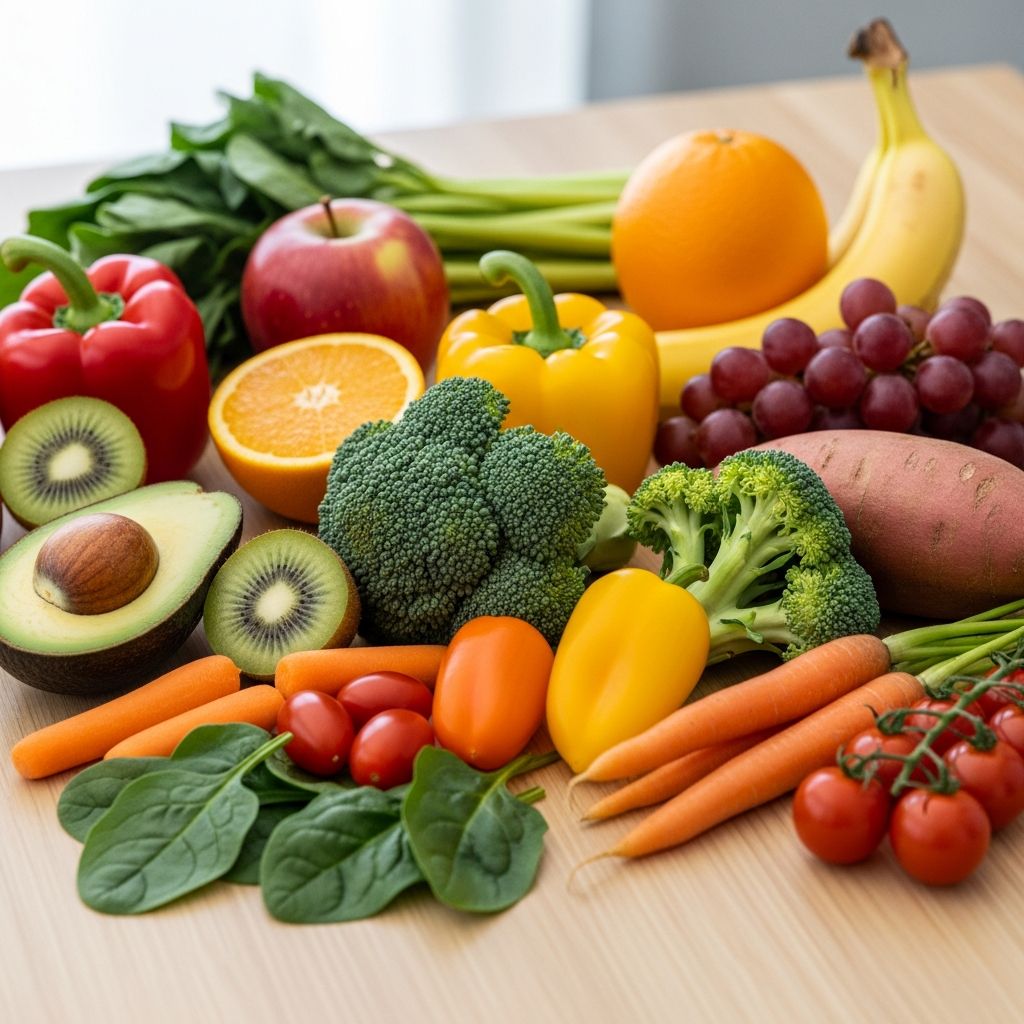
When hunger strikes between meals, reaching for the right produce can make all the difference. Dietitians emphasize that the
most filling fruits and vegetables
share key traits: highfiber
, abundantwater content
, and sometimesprotein
, all while staying low in calories. These nutrient-dense options stretch your stomach, slow digestion, and stabilize blood sugar, helping you feel satisfied longer without excess energy intake.This list draws from satiety research, like the Satiety Index showing oranges at 202% and potatoes leading at 323%, alongside expert insights on fiber-packed picks like avocados (13.5g fiber per fruit) and artichokes (7g per medium). Incorporating them supports
weight management
, gut health, and sustained energy. Below, explore the top 12, with nutritional breakdowns, benefits, and practical tips.Why These Fruits and Veggies Keep You Full
Satiety—the feeling of fullness—depends on food’s energy density (calories per gram), volume, and macronutrients.
High-fiber
produce adds bulk without calories;water-rich
options like watermelon (92% water) expand in the stomach;healthy fats
in avocados slow gastric emptying. Studies confirm legumes and veggies outperform many foods, with pulses boosting fullness by 31%. Low-sugar berries prevent blood sugar spikes, while crunchy textures like carrots satisfy chewing urges.Per experts, prioritize whole forms over juices to retain fiber. Aim for 25-30g daily fiber from varied sources to optimize digestion and microbiota. These 12 stand out for their satiety scores and real-world efficacy.
The 12 Most Filling Fruits and Vegetables
Avocados
**Fiber per fruit: 13.5g; Fat: 15g (mostly healthy monounsaturated)**. Avocados top lists for their combo of
fiber and fats
, which delay gastric emptying and promote prolonged satiety. Dietitian Manaker notes they’re ideal for steady energy.
Benefits: Supports heart health via potassium and lowers inflammation.
How to eat: Mash on toast, slice into salads, or blend into smoothies. One-half provides 10g fiber.Berries (Blackberries, Raspberries, Blueberries, Strawberries)
**Fiber: 8g per cup blackberries/raspberries; 3.5g blueberries; Water: 84-86%**. Low-sugar, high-fiber berries rank high on satiety charts (blackberries 56%, strawberries 43%, raspberries 41%). Young, PhD, RDN, praises blackberries for blood sugar control.
Benefits: Antioxidants combat oxidative stress; pectin aids gut health.
How to eat: Top yogurt, add to salads, or snack frozen. Versatile for breakfast routines.Pears
**Fiber per cup: 5.5g; Water: 84%; Includes pectin**. Pears’ pectin fiber slows digestion and feeds gut bacteria, enhancing fullness.
Benefits: Prebiotic effects improve microbiome; vitamin C boost.
How to eat: Eat whole with skin, chop into oats, or pair with cheese for balanced snack.Apples
**Satiety Index: 197%; High pectin**. Like pears, apples’ skin-bound pectin promotes fullness; one medium delivers 4-5g fiber.
Benefits: Polyphenols support weight loss; low calorie (95 per apple).
How to eat: Slice with nut butter or bake for dessert.Oranges & Grapefruit
**Satiety: Orange 202%/63%, Grapefruit 54%**; Segment membranes add chew. Water and fiber duo excels.
Benefits: Vitamin C immunity; naringin in grapefruit aids fat metabolism.
How to eat: Supreme segments for salads; whole for max fiber.Potatoes (Boiled)
**Satiety Index: 323%**—highest overall. Resistant starch acts like fiber.
Benefits: Potassium-rich; sustains energy without spikes.
How to eat: Boil skins-on; avoid frying to preserve benefits.Sweet Potatoes
**Fiber & starch with skin**. Carotenoids add antioxidants; very filling per volume.
Benefits: Eye health; stable blood sugar.
How to eat: Roast wedges or mash.Artichokes
**7g fiber per medium; 1g sugar**. Inulin prebiotic fiber tops veggie lists.
Benefits: Gut support; antioxidants.
How to eat: Steam hearts for dips.Broccoli
**4g protein & 4g fiber per cup**. Protein edge makes it uniquely satiating.
Benefits: Sulforaphane detox; cancer risk reduction.
How to eat: Roast frozen florets.Brussels Sprouts
**4g protein, 6g fiber per cup; High water**. Roasting enhances flavor and crunch.
Benefits: Vitamin K for bones.
How to eat: Oil-roast with garlic.Carrots
**3.5g fiber per cup; 88% water**. Crunch satisfies; beta-carotene bonus.
Benefits: Vision health; low-cal snacking.
How to eat: Raw sticks or roasted.Peas
**8g protein per cup; High fiber/water**. Legume-like satiety (31% more full).
Benefits: Plant protein powerhouse.
How to eat: Add to stir-fries or soups.
Nutritional Comparison Table
| Food | Fiber (per serving) | Water % | Protein (g) | Satiety Score (%) |
|---|---|---|---|---|
| Avocado (1 fruit) | 13.5g | 73% | 3g | High |
| Blackberries (1 cup) | 8g | 86% | 2g | 56 |
| Pear (1 cup) | 5.5g | 84% | 0.5g | High |
| Boiled Potato | 4g | 79% | 3g | 323 |
| Artichoke (medium) | 7g | 85% | 4g | High |
| Peas (1 cup) | 8g | 79% | 8g | High |
Servings approximate; scores from cited studies.
Recipes to Maximize Satiety
- Avocado-Berry Smoothie: Blend ½ avocado, 1 cup mixed berries, spinach, Greek yogurt. 15g+ fiber.
- Roasted Veggie Medley: Brussels sprouts, broccoli, carrots, sweet potato—toss in olive oil, 400°F 25 min.
- Pear-Potato Salad: Boiled potatoes, diced pear, peas, vinaigrette.
- Artichoke-Stuffed Peppers: With quinoa and blackberries for twist.
Frequently Asked Questions (FAQs)
What makes a food filling?
Related Stories



Fiber, water, protein, and low energy density expand stomach volume and slow digestion.
Can fruits cause weight gain?
No, low-calorie, high-fiber ones like berries aid loss; limit juice.
How many servings daily?
5-9 cups produce; half non-starchy veggies.
Best for snacks?
Carrots, celery (high water/fiber), apple with nuts.
Raw or cooked?
Both; cooking boosts some nutrients, raw preserves crunch.
Science Behind Satiety
The Satiety Index (1995, Holt et al.) tested 240cal portions; potatoes excelled due to volume. Recent reviews affirm veggies/legumes’ role: pulses increase fullness 31% via protein/fiber. Optimising Nutrition ranks fruits by satiety score, favoring oranges/tomatoes. Gut hormones like GLP-1 rise with fiber, mimicking fullness signals. For weight control, pair with protein/fats.
Limitations: Individual responses vary by metabolism; consult RD for needs. These align with USDA guidelines for 14g fiber/1000cal.
References
- The Most Filling Fruits that Make You Feel Full — Optimising Nutrition. 2023. https://optimisingnutrition.com/filling-fruit/
- 18 Best Fruits & Vegetables to Keep You Fuller Longer — Eat This Not That. 2024. https://www.eatthis.com/filling-fruits-vegetables/
- 10 Vegetables That Are Filling — Dr. Will Cole. 2023. https://drwillcole.com/vegetables-that-are-filling/
- 14 Foods That Are Incredibly Filling — Healthline (Medically reviewed by Amy Richter, MS, RD). 2026-01-22. https://www.healthline.com/nutrition/15-incredibly-filling-foods
- Top 14 Healthiest Fruits and Vegetables — San-J. 2024. https://san-j.com/blog/top-14-healthiest-fruits-and-vegetables/
- 12 Most Filling Fruits and Vegetables, According to Nutritionists — UTHealth Houston School of Public Health. 2023. https://sph.uth.edu/research/centers/dell/blog/posting.htm?id=12-most-filling-fruits-and-vegetables-according-to-nutritionists
- The Satiety Index List — Ernaehrungsdenkwerkstatt (Holt et al. study). 1995. http://www.ernaehrungsdenkwerkstatt.de/fileadmin/user_upload/EDWText/TextElemente/Ernaehrungswissenschaft/Naehrstoffe/Saettigung_Lebensmittel_Satiety_Index.pdf
Similar Articles








Read full bio of Sneha Tete