Worst Foods If You Need To Poop: 9 Foods To Skip For Relief
Discover the top foods that can worsen constipation and hinder bowel movements when you urgently need relief.
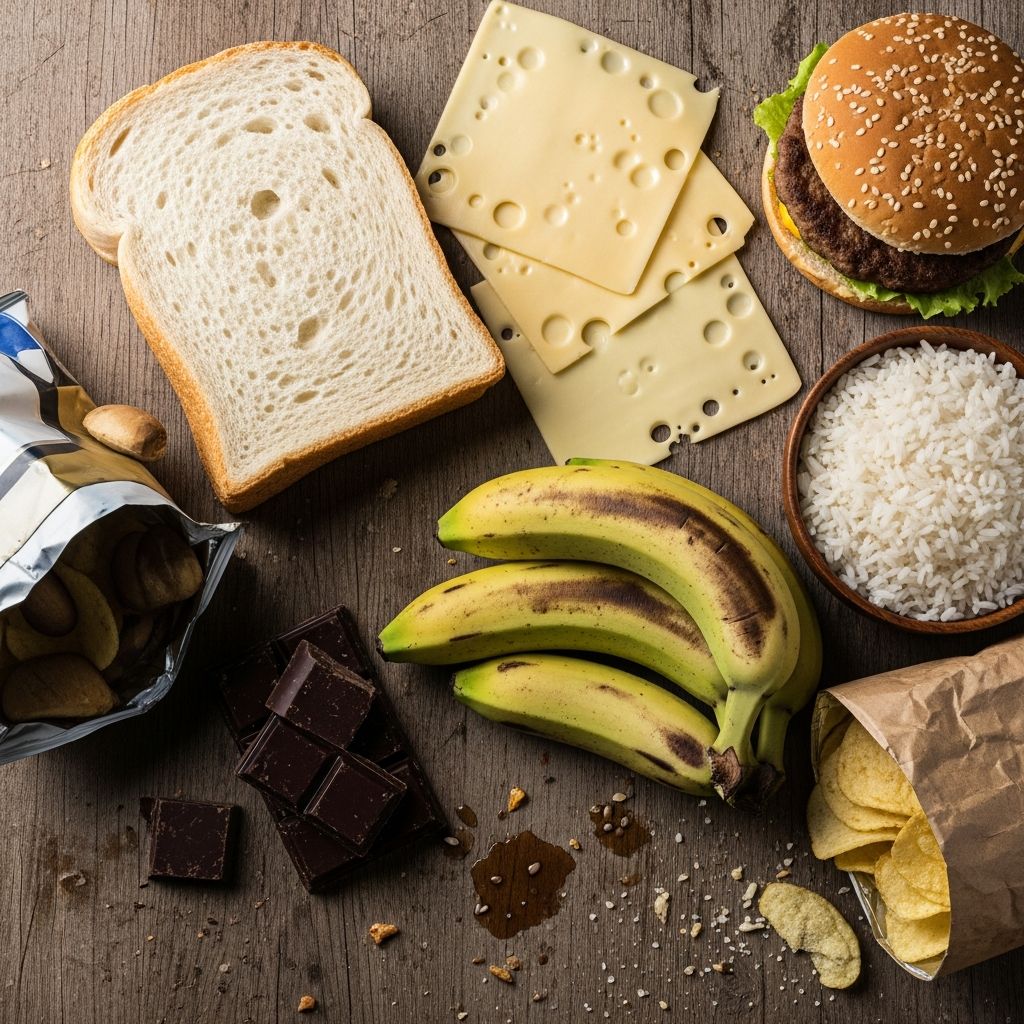
Constipation affects millions worldwide, causing discomfort, bloating, and irregular bowel movements. When you need to poop urgently, certain foods can exacerbate the problem by slowing digestion, reducing fiber intake, or dehydrating the body. This article explores the worst offenders based on expert insights from dietitians and health organizations, helping you make informed choices for faster relief.
Maintaining regular bowel movements requires adequate fiber, hydration, and avoiding gut-slowing foods. Common causes include low-fiber diets, dehydration, medications, and conditions like IBS. By steering clear of problematic foods, you can support smoother digestion.
What Causes Constipation?
Constipation occurs when stool moves too slowly through the colon, often due to insufficient fiber, dehydration, or pelvic floor issues. Functional conditions like irritable bowel syndrome (IBS), medication side effects, or neurological factors can also contribute. Slow transit allows excess water absorption from stool, making it hard and difficult to pass.
- Slow stool movement: Reduced colon motility.
- Pelvic floor dysfunction: Impaired emptying.
- Low fiber intake: Less bulk for stool.
- Dehydration: Harder stool consistency.
To counter this, prioritize high-fiber foods, fluids, and movement while limiting constipation-aggravating items.
1. Highly Processed Foods
Highly processed foods top the list of constipation culprits due to their low fiber content and high levels of sodium, sugars, and fats. These ready-to-eat options like microwavable dinners, instant noodles, frozen burritos, waffles, and entrées (e.g., chicken wings, hot dogs) lack the nutrients needed for healthy digestion. They slow gut motility and promote water absorption from stool.
Other examples include bakery products (muffins, cakes, donuts), French fries, potato chips, processed meats (sausages, deli meats), and sauces. These items are stripped of fiber during processing, leading to harder stools. Opt for whole foods instead to add bulk and stimulate bowel movements.
- Microwavable dinners: High sodium binds water in the gut.
- Instant noodles: Minimal fiber, excess preservatives.
- Frozen entrées: Fat-heavy, digestion-slowing.
Fast or prepared foods are similarly problematic, as they prioritize convenience over fiber, common in busy lifestyles.
2. Refined Grains
Refined grains, such as white flour, white rice, corn grits, and cream of wheat, have had their nutrient-rich bran and germ removed, leaving little fiber. This results in low-residue diets that produce smaller, harder stools. White bread, pasta, and pastries fall into this category, worsening constipation.
Unlike whole grains like brown rice, quinoa, or oats, refined versions digest quickly without adding bulk. They are staple in many diets but contribute to digestive sluggishness. Switch to whole-grain alternatives for better results.
| Refined Grains (Avoid) | Whole Grain Alternatives (Choose) |
|---|---|
| White bread | Whole-grain bread |
| White rice | Brown rice |
| White pasta | Whole-wheat pasta |
3. Dairy Products
Dairy, especially cheese and milk, can constipate due to low fiber and potential lactose intolerance effects. While nutritious for protein and calcium, full-fat varieties slow digestion. Low-fat options like fat-free milk or yogurt are better but still lack fiber.
Probiotic yogurts may help some, but excessive dairy binds stool. If constipated often, reduce intake and pair with fiber-rich sides. Fried foods, often paired with dairy, compound the issue by being fat-heavy and hard to digest.
Related Stories



- Cheese: High fat, low fiber.
- Milk: Can cause bloating in lactose-sensitive individuals.
- Ice cream: Sugary and fatty.
4. Sugar-Sweetened Foods and Drinks
Sugar-laden treats like sweetened cereals, cakes, cookies, candies, sodas, and fruit juices disrupt the gut microbiome and provide zero fiber. Excess sugar ferments in the gut, leading to gas and slowed motility. Desserts like cupcakes or frozen treats are low-fiber, high-fat pitfalls.
Refined sugars draw water into the intestines initially but cause dehydration later, hardening stool. Limit to occasional treats and choose fiber-packed fruits instead.
5. Fried and Fast Foods
Fried foods, such as French fries or fried chicken, are laden with fats that delay gastric emptying and colon transit. They require more digestive effort, allowing water reabsorption and dry stools. Fast foods mirror processed meals in fiber deficiency.
High-fat content slows everything down—opt for baked or grilled alternatives with veggies.
6. Red and Processed Meats
Tender meats like steak or processed meats (sausages, deli meats) are protein-rich but fiber-poor. They digest slowly, especially without fiber sides. Balance with broccoli or greens to aid passage.
7. Eggs (in Excess)
Eggs offer protein but negligible fiber. Over-reliance without veggies leads to constipation. Enhance with spinach or tomatoes in omelets.
8. Alcohol and Caffeinated Drinks (in Excess)
Alcohol dehydrates, mimicking coffee’s diuretic effect, leading to hard stools. Pair with water to mitigate.
9. Low-Fiber Snacks like Chips and Pastries
Potato chips, pastries, and refined baked goods repeat refined grain issues, low in fluids and fiber.
What to Eat Instead for Regular Bowel Movements
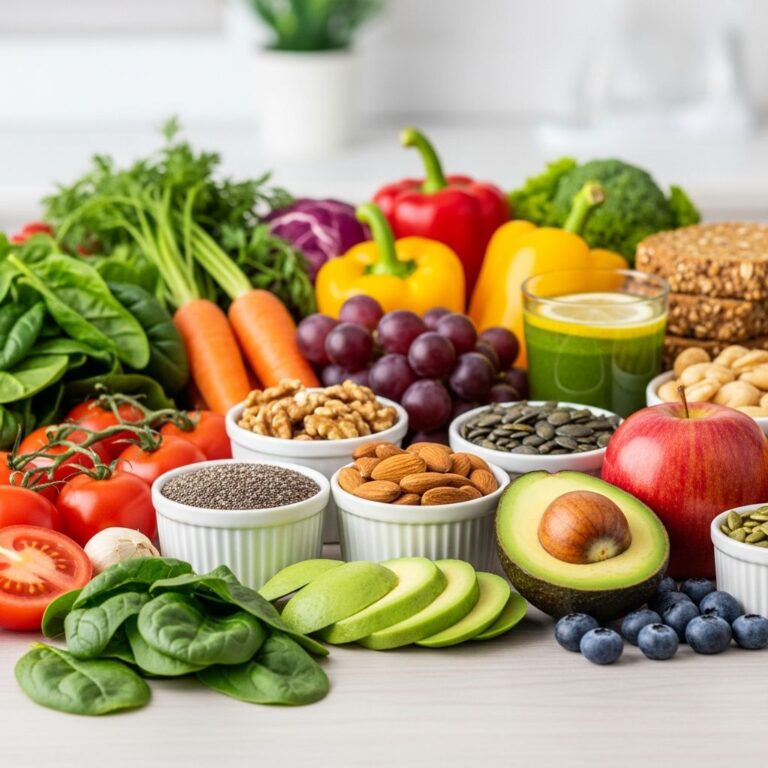
To counteract these foods, embrace high-fiber options:
- Whole grains: Oats, quinoa, brown rice, popcorn.
- Fruits: Prunes, cherries, bananas (ripe), apples with skin.
- Vegetables: Leafy greens, broccoli, chicory root.
- Nuts and seeds: Almonds, chia, flaxseeds.
- Probiotics: Yogurt, kefir, sauerkraut.
Drink plenty of water—aim for 8+ glasses daily. Canada’s Food Guide emphasizes balanced meals with these.
| Category | Best Foods | Fiber Boost |
|---|---|---|
| Grains | Oats, popcorn | High soluble fiber |
| Fruits | Prunes, cherries | Sugar alcohols aid motility |
| Other | Legumes, nuts | Bulk-forming |
Laxatives and When to Use Them
For short-term relief:
- Bulk-forming: Add mass (e.g., psyllium).
- Osmotics: Hydrate colon.
- Stimulants: Boost gut muscles.
- Stool softeners: Moisten stool.
Consult a doctor for persistent issues. NIH recommends treatment after lifestyle tweaks.
Frequently Asked Questions (FAQs)
Can dairy cause constipation?
Yes, especially cheese and milk due to low fiber and fat content. Opt for low-fat probiotic yogurt.
Do processed foods really worsen constipation?
Absolutely—they lack fiber and are high in sodium/fats, slowing digestion.
What if I eat too much fiber suddenly?
It can cause temporary constipation or gas; increase gradually with water.
Are eggs bad for constipation?
Not inherently, but pair with fiber sources as they’re low-fiber.
How much water for better poops?
At least 8 cups daily to soften stool.
Final Tips for Better Digestion
Exercise regularly, eat balanced meals, and track your diet. Persistent constipation warrants medical advice. By avoiding these worst foods, you’ll promote healthier, more regular bowel movements.
References
- Top 4 Food and Drinks to Avoid When Constipated — Canadian Digestive Health Foundation (CDHF). 2023. https://cdhf.ca/en/top-4-food-and-drinks-to-avoid-when-constipated/
- 9 Foods That Make You Poop — GoodRx. 2023. https://www.goodrx.com/well-being/gut-health/foods-that-make-you-poop-help-constipation
- Worst Foods for Constipation — Parkinson’s Resource Organization. 2023-04. https://www.parkinsonsresource.org/news/articles/worst-foods-for-constipation-2023/
- Treatment for Constipation — National Institutes of Health (NIH). 2023. https://www.niddk.nih.gov/health-information/digestive-diseases/constipation/treatment
- Nonprescription Laxatives for Constipation — Mayo Clinic. 2024. https://www.mayoclinic.org/diseases-conditions/constipation/in-depth/laxatives/art-20045906
Similar Articles








Read full bio of Sneha Tete