Thiamine Benefits: 9 Science-Backed Health Advantages
Discover the essential role of thiamine (vitamin B1) in energy production, nerve health, heart function, and disease prevention.
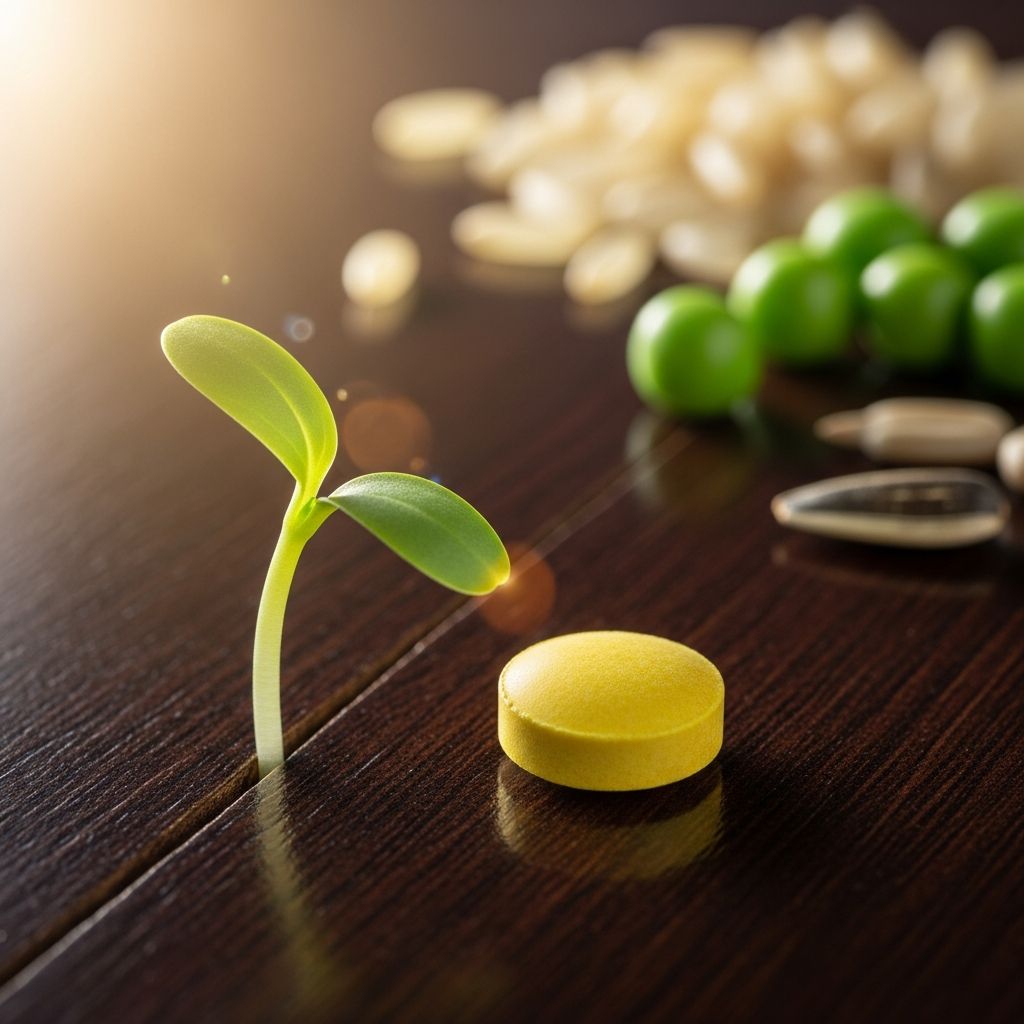
Thiamine, also known as vitamin B1, is an essential water-soluble vitamin critical for converting food into energy, supporting nerve function, and maintaining cardiovascular health. This B vitamin plays a key role in carbohydrate metabolism, helping cells produce adenosine triphosphate (ATP), the body’s primary energy currency.
What Is Thiamine?
Thiamine is one of eight B vitamins required for energy production from carbohydrates, proteins, and fats. Unlike some vitamins, the body cannot synthesize thiamine, so it must be obtained through diet or supplements. It functions as a coenzyme in metabolic pathways, particularly in the form of thiamine pyrophosphate (TPP), which is vital for glucose utilization in the brain and nervous system.
Thiamine is found in various foods but can be depleted by factors like refined diets high in sugar and processed carbs, alcohol consumption, or certain medications. Deficiency risks increase in populations with poor nutrition, such as those with alcoholism, diabetes, or gastrointestinal disorders.
9 Potential Health Benefits of Thiamine
Research highlights several evidence-based benefits of adequate thiamine intake, ranging from energy support to disease prevention. Here are the key advantages supported by clinical studies and health authorities.
1. Helps Convert Food Into Energy
Thiamine is essential for breaking down carbohydrates into usable energy via the Krebs cycle and pentose phosphate pathway. Without sufficient B1, cells struggle to produce ATP, leading to fatigue and metabolic issues.
2. Necessary for Nerve Health
Vitamin B1 supports healthy nerve function by facilitating neurotransmitter production and protecting against oxidative stress. Deficiency causes peripheral neuropathy, characterized by pain, tingling, and weakness.
3. May Reduce Heart Disease Risk
Thiamine aids in producing acetylcholine, crucial for heart muscle communication. Studies show supplementation improves left ventricular ejection fraction in heart failure patients, potentially reducing risks.
4. Important for Muscle Function
Adequate thiamine prevents muscle wasting and weakness associated with beriberi, a severe deficiency syndrome. It supports normal motor function in cardiac and skeletal muscles.
5. Supports Brain Function
Thiamine deficiency links to cognitive decline, confusion, and conditions like Wernicke-Korsakoff syndrome. Early research suggests it may improve memory and concentration, earning it the nickname ‘morale vitamin.’
6. Helps Prevent Cataracts
Observational data indicate thiamine may protect against cataracts by reducing oxidative damage in the lens. Populations with higher B1 intake show lower cataract prevalence.
7. May Help Manage Diabetes
Up to 32% of diabetes patients have moderate thiamine deficiency. Supplementation (150-300 mg/day) may lower glucose levels and alleviate neuropathy symptoms, though larger trials are needed.
8. Boosts Immune Function
Thiamine strengthens immunity by supporting cellular energy needs for immune cells. Deficiency impairs response to infections.
9. Improves Symptoms of Alcohol Dependence
Alcoholics often develop Wernicke encephalopathy due to B1 depletion. Intravenous thiamine (50-100 mg) is standard treatment to prevent permanent brain damage.
Thiamine Deficiency: Symptoms and Risk Factors
Thiamine deficiency progresses from mild to severe, manifesting as beriberi (wet or dry) or Wernicke-Korsakoff syndrome. Early signs include:
- Weight loss and anorexia
- Confusion and short-term memory loss
- Muscle weakness and fatigue
- Peripheral neuropathy (tingling, pain)
- Cardiovascular issues (enlarged heart, irregular rhythm)
- Lowered immunity
Risk factors encompass chronic alcohol use, high-carb/low-nutrient diets, diabetes, bariatric surgery, HIV/AIDS, and diuretic use. In heart failure patients, deficiency rates reach 21-98%.
Related Stories



Thiamine Dosage
The Recommended Dietary Allowance (RDA) for thiamine varies by age, sex, and life stage:
| Group | RDA (mg/day) |
|---|---|
| Adult men (19+) | 1.2 |
| Adult women (19+) | 1.1 |
| Pregnant women | 1.4 |
| Breastfeeding women | 1.4 |
| Children (1-3 years) | 0.5 |
| Adolescents (14-18 years) | 1.0-1.2 |
For deficiency treatment, the World Health Organization recommends 10 mg oral daily for mild cases or 50-100 mg IV/IM for severe, followed by maintenance doses. Consult a healthcare provider before supplementing high doses.
Food Sources of Thiamine
Prioritize whole foods for natural thiamine intake. Top sources include:
- Pork (lean cuts: 0.5-1 mg per 3 oz)
- Fortified cereals (up to 1.5 mg per serving)
- Whole grains (bread, pasta: 0.1-0.5 mg/slice)
- Legumes (black beans, lentils: 0.2-0.4 mg/cup)
- Nuts/seeds (sunflower seeds: 0.4 mg/oz)
- Fish/seafood (salmon, mussels: 0.2-0.5 mg/3 oz)
- Liver (beef: 0.2 mg/3 oz)
- Vegetables (corn: 0.1 mg/cup)
Pair with vitamin C-rich foods (citrus, peppers) to enhance absorption.
Should You Take a Thiamine Supplement?
Most people meet needs through diet, but supplements benefit at-risk groups like alcoholics, diabetics, or heart failure patients. Forms include thiamine mononitrate, hydrochloride, or fat-soluble benfotiamine for better absorption. Side effects are rare at RDA levels but high doses may cause mild upset. Always test for deficiency via blood assays (e.g., transketolase activity) before long-term use.
Who Should Avoid Thiamine Supplements?
Thiamine is generally safe, but caution applies to those with rare allergies or on medications like furosemide (which depletes B1). Pregnant/breastfeeding individuals should stick to RDA unless deficient. No established upper limit exists due to water-solubility.
Frequently Asked Questions (FAQs)
What is thiamine?
Thiamine (vitamin B1) is a water-soluble B vitamin essential for energy metabolism, nerve health, and heart function.
What are the symptoms of thiamine deficiency?
Symptoms include fatigue, confusion, muscle weakness, neuropathy, and heart issues. Severe cases lead to beriberi or Wernicke-Korsakoff syndrome.
How much thiamine do I need daily?
Adults need 1.1-1.2 mg/day; pregnant women 1.4 mg. Higher doses treat deficiency.
Which foods are high in thiamine?
Pork, fortified cereals, whole grains, legumes, nuts, fish, and liver.
Can thiamine help with diabetes?
Supplementation may improve glucose control and neuropathy in deficient diabetics, per small studies.
Is thiamine safe to supplement?
Yes, for most; consult a doctor if at risk for deficiency or on diuretics.
References
- 12 Signs You Might Have a Thiamine Deficiency — Baylor Scott & White Health. 2023. https://www.bswhealth.com/blog/12-signs-you-might-have-a-thiamine-deficiency
- Vitamin B1 (Thiamine): What It Is, Foods and Health Benefits — WebMD. 2024. https://www.webmd.com/vitamins-and-supplements/health-benefits-of-vitamin-b-1
- Thiamin – Health Professional Fact Sheet — Office of Dietary Supplements, NIH. 2023-05-09. https://ods.od.nih.gov/factsheets/Thiamin-HealthProfessional/
- Thiamin (Vitamin B1) — The Nutrition Source, Harvard T.H. Chan School of Public Health. 2024. https://nutritionsource.hsph.harvard.edu/vitamin-b1/
Similar Articles








Read full bio of Sneha Tete