Thiamine Deficiency: Symptoms, Causes & Treatment
Understanding thiamine deficiency: recognize symptoms, learn causes, and discover effective treatment options.
What Is Thiamine Deficiency?
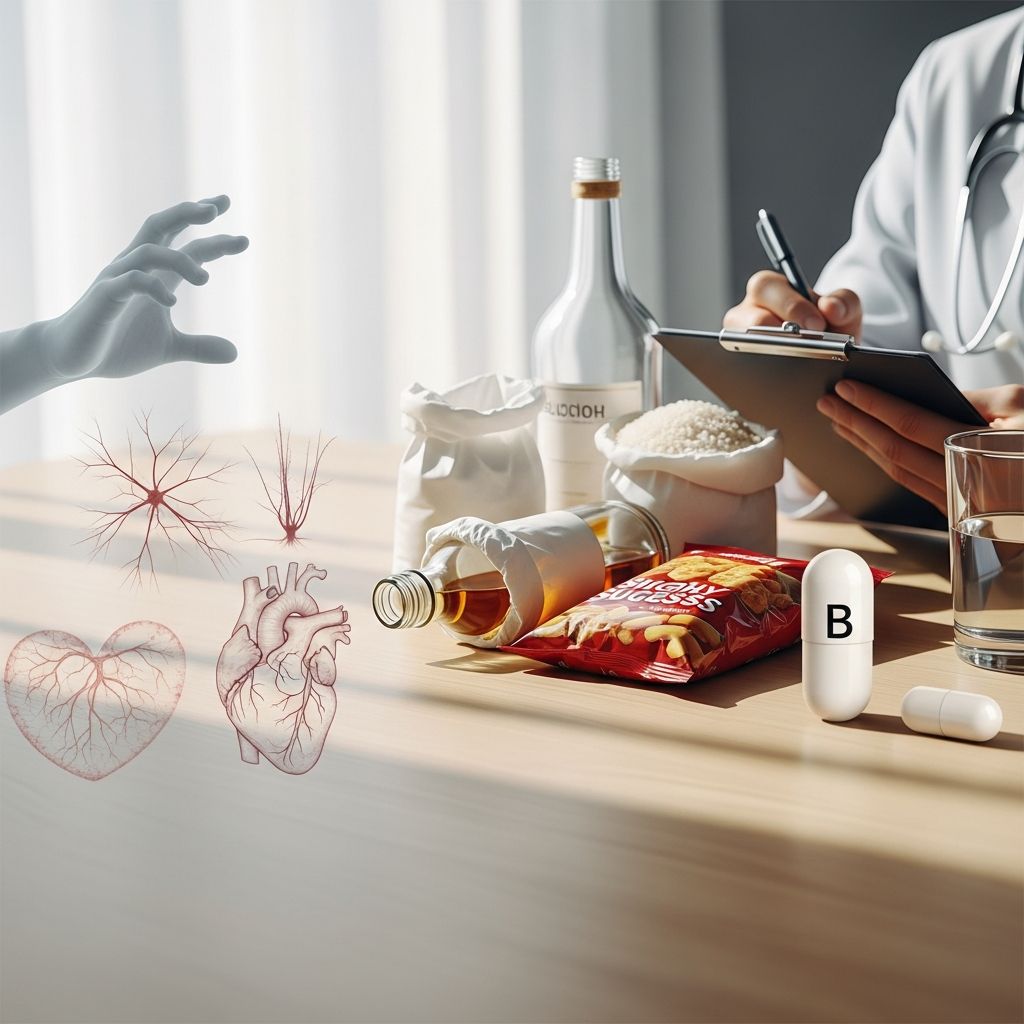
Thiamine, also known as vitamin B1, is an essential water-soluble vitamin that plays a critical role in your body’s energy production and overall health. Your body requires thiamine to convert carbohydrates into glucose, which cells use for energy. Additionally, thiamine supports the function of your nervous system, helps maintain heart health, and contributes to proper immune system function.
Thiamine deficiency occurs when your body does not have enough of this vital vitamin to perform these essential functions. The recommended daily allowance (RDA) for thiamine is 1.1 mg for adult females and 1.2 mg for adult males. While meeting these requirements through diet should be straightforward with an average diet, thiamine deficiency remains a significant health concern across multiple patient populations, with incidence rates ranging from 20% to over 90% depending on specific populations studied.
What makes thiamine deficiency particularly challenging is that this vitamin has a very short half-life and limited storage capacity in the body. It is easily susceptible to degradation and depletion by various environmental and pharmaceutical chemicals that are part of modern life. This means your body cannot store thiamine for extended periods, and you must obtain adequate amounts regularly through your diet or supplementation.
What Are the Symptoms of Thiamine Deficiency?
Thiamine deficiency can manifest in various ways, and symptoms may develop gradually or suddenly depending on the severity of the deficiency. Early recognition of these symptoms is important for prompt treatment and preventing serious complications.
Common symptoms of thiamine deficiency include:
- Balance issues and coordination problems
- Blurred vision or other vision disturbances
- Confusion and difficulty concentrating
- Delirium and disorientation
- Extreme fatigue and weakness
- Hallucinations
- Loss of appetite
- Nausea and vomiting
- Nerve pain or tingling sensations
- Memory problems
- Irritability and mood changes
Significantly, symptoms can begin to appear in as little as three weeks of consistently low thiamine levels. When thiamine deficiency affects your nervous system, it can cause nerve damage that may become permanent if left untreated. The severity of symptoms often correlates with how deficient you are and how long the deficiency has existed.
What Causes Thiamine Deficiency?
Thiamine deficiency can develop for several reasons. Understanding the underlying causes helps identify who is at greatest risk and how to prevent this condition.
Dietary Insufficiency
One primary cause of thiamine deficiency is inadequate dietary intake. While meeting the RDA through food is generally achievable, individuals with restricted diets, those experiencing poverty or food insecurity, or those with unusual dietary patterns may not consume enough thiamine-rich foods. In populations without access to fortified foods, approximately 41% of individuals do not meet the estimated average requirement for thiamine.
Malabsorption Disorders
Conditions that affect nutrient absorption in the digestive system can lead to thiamine deficiency even when adequate amounts are consumed. These include celiac disease, inflammatory bowel disease, and other gastrointestinal disorders that impair nutrient uptake.
Related Stories



Alcohol Use Disorder
Chronic alcohol consumption is one of the most common causes of thiamine deficiency in developed nations. Alcohol impairs thiamine absorption in the intestines, increases urinary excretion of thiamine, and interferes with thiamine metabolism. Additionally, individuals with alcohol use disorder often have poor nutritional intake, compounding the problem.
Hyperemesis Gravidarum
Pregnant women experiencing severe morning sickness can develop thiamine deficiency due to prolonged vomiting and reduced oral intake. Studies show that after seven weeks of vomiting, thiamine deficiency rates can increase dramatically. Cases where patients do not receive thiamine supplementation during this period are at particular risk for developing Wernicke encephalopathy.
Medical Conditions and Medications
Certain medical conditions increase thiamine requirements or reduce absorption. These include diabetes, dialysis, chemotherapy, and critical illness. Some medications can also interfere with thiamine absorption or increase its degradation in the body.
Critical Illness and Hospitalization
Patients in intensive care settings are at particularly high risk for thiamine deficiency. Research indicates that while some patients may not be deficient upon admission, approximately 20% develop thiamine deficiency within a few days of hospitalization. In specific populations such as patients with sepsis, deficiency rates can reach 70%.
How Is Thiamine Deficiency Diagnosed?
Diagnosing thiamine deficiency can be challenging because currently available laboratory tests have significant limitations. The diagnosis typically involves a combination of clinical assessment and laboratory testing.
Laboratory Testing
Healthcare providers may order several types of tests to evaluate thiamine status. These include whole-blood thiamine pyrophosphate (TPP), thiamine monophosphate (TMP), and total thiamine measurements. However, published reference intervals for these tests vary widely across different laboratories, ranging from lower limits of 63-105 nmol/L to upper limits of 171-229 nmol/L.
One important test is the erythrocyte transketolase (ETK) activation coefficient. An activation coefficient greater than 15% may indicate thiamine deficiency, with values above 25% considered indicative of significant deficiency. Values exceeding 40% are associated with Wernicke encephalopathy.
Clinical Assessment
Because serum thiamine levels correlate poorly with actual tissue stores and results may not be available for several days, healthcare providers often rely on clinical assessment. This includes evaluating symptoms, reviewing dietary history, assessing for conditions known to cause deficiency, and considering medications that may interfere with thiamine absorption or metabolism.
A significant limitation is that some patients may have subclinical thiamine deficiency without obvious symptoms, and genetic or metabolic variations may cause individuals to require more thiamine than standard testing parameters suggest.
Serious Complications of Untreated Thiamine Deficiency
Wernicke-Korsakoff Syndrome
The most serious complication of severe, untreated thiamine deficiency is Wernicke-Korsakoff syndrome. This neurological disorder affects brain health and causes symptoms similar to Alzheimer’s disease. Wernicke encephalopathy, the acute phase, presents with a classic triad of confusion, oculomotor abnormalities (including nystagmus and ophthalmoplegia), and ataxia or gait disturbances. Additional symptoms may include hypothermia and hypotension.
If Wernicke encephalopathy progresses without treatment, it can develop into Korsakoff syndrome, characterized by severe memory impairment and cognitive dysfunction that may become permanent.
Cardiac and Metabolic Complications
Insufficient thiamine impairs mitochondrial ATP production, the energy currency of cells. This downregulation of cellular energy production has far-reaching metabolic consequences. Glucose metabolism becomes diverted away from normal pathways toward alternative pathways including the polyol/sorbitol pathway, hexosamine pathway, and advanced glycation end product formation. This metabolic shift contributes to the metabolic inflexibility commonly observed in type 2 diabetes and associated cardiovascular disease.
Neurological Damage
Thiamine deficiency impairs myelin synthesis and reduces antioxidant capacity, leading to nerve damage. This can cause peripheral neuropathy with symptoms including pain, tingling, and numbness in the extremities. Some nerve damage may become permanent if the deficiency is not corrected promptly.
Cognitive and Brain Function
Recent research has identified thiamine deficiency in the brain tissue of individuals with Alzheimer’s disease, despite adequate blood levels. This suggests that thiamine deficiency may contribute to cognitive decline and memory problems, even when standard blood tests appear normal.
How Is Thiamine Deficiency Treated?
Parenteral Thiamine Administration
For patients at high risk of severe thiamine deficiency or Wernicke encephalopathy, parenteral (intravenous or intramuscular) thiamine administration is the preferred treatment. Pharmacokinetic data indicate that oral thiamine formulations are absorbed too slowly to rapidly replenish depleted brain stores, particularly in critical situations. Parenteral thiamine can quickly restore thiamine levels in tissues, including the brain.
High-dose parenteral thiamine is recommended for all high-risk patients, including those with alcohol withdrawal syndrome, evidence of malnutrition, evidence of malabsorption, or those admitted to intensive care units. Because parenteral thiamine is safe, inexpensive, and readily available, empiric administration is recommended in high-risk populations to prevent the serious consequences of untreated Wernicke encephalopathy.
Oral Thiamine Supplementation
For mild deficiency or maintenance therapy after initial treatment, oral thiamine supplements may be prescribed. These are available in tablet form and come in various dosages. Oral thiamine works best when combined with addressing the underlying cause of deficiency, such as improving dietary intake or managing conditions that impair absorption.
Dietary Modifications
Long-term management of thiamine deficiency involves ensuring adequate dietary intake of thiamine-rich foods. The only way to prevent thiamine deficiency is to eat thiamine-rich foods consistently. If you have a condition that affects your thiamine levels, managing that condition well and following your healthcare provider’s recommendations is essential.
What Is the Prognosis for Thiamine Deficiency?
When diagnosed and treated early, thiamine deficiency is reversible. Most symptoms should resolve once your thiamine levels return to normal, and normal function can be restored. However, the timeline for recovery depends on the severity and duration of the deficiency.
In severe or untreated cases, thiamine deficiency can result in serious complications or even death. The longer the deficiency persists without treatment, the greater the risk of permanent neurological damage. This underscores the importance of prompt recognition and treatment.
Prevention through regular checkups with your healthcare provider and maintaining adequate thiamine intake is the best strategy for avoiding complications. If you have risk factors for thiamine deficiency, such as chronic alcohol use, malabsorption disorders, or pregnancy with hyperemesis gravidarum, inform your healthcare provider so appropriate preventive measures can be taken.
Frequently Asked Questions
Q: How much thiamine do I need daily?
A: The recommended daily allowance is 1.1 mg for adult females and 1.2 mg for adult males. These amounts can typically be obtained through a balanced diet that includes thiamine-rich foods such as whole grains, pork, legumes, and fortified cereals.
Q: Can thiamine deficiency be prevented?
A: Yes, thiamine deficiency can be prevented by consuming thiamine-rich foods regularly and managing any conditions that affect thiamine absorption or increase thiamine requirements. If you have risk factors for deficiency, discuss preventive supplementation with your healthcare provider.
Q: How quickly can symptoms of thiamine deficiency develop?
A: Symptoms can begin to appear in as little as three weeks of consistently low thiamine levels. However, the timeline varies depending on the severity of deficiency and individual factors.
Q: Is thiamine deficiency common?
A: Thiamine deficiency is more common than many people realize, with incidence rates ranging from 20% to over 90% in certain patient populations, particularly those with alcohol use disorder, malabsorption disorders, or critical illness.
Q: What foods are rich in thiamine?
A: Good dietary sources of thiamine include whole grains, pork, legumes (beans and lentils), nuts, seeds, and fortified cereals and breads. Thiamine is also found in fish, poultry, and eggs.
Q: Can thiamine deficiency cause permanent damage?
A: If thiamine deficiency is severe and left untreated for an extended period, particularly if it progresses to Wernicke-Korsakoff syndrome, permanent neurological damage including irreversible memory loss can occur. This is why prompt treatment is essential.
References
- Hiding in Plain Sight: Modern Thiamine Deficiency — National Center for Biotechnology Information (NCBI). 2021-11-15. https://pmc.ncbi.nlm.nih.gov/articles/PMC8533683/
- Which patients hospitalized with alcohol withdrawal syndrome should be risk-stratified for Wernicke encephalopathy? — Cleveland Clinic Journal of Medicine. 2023. https://www.ccjm.org/content/90/1/22
- Thiamine Deficiency: What It Is, Symptoms & Treatment — Cleveland Clinic. 2025. https://my.clevelandclinic.org/health/diseases/thiamine-deficiency
- 6 Health Benefits of Thiamine (Vitamin B1) — Cleveland Clinic Health. 2025. https://health.clevelandclinic.org/vitamin-b1
- Wernicke-Korsakoff Syndrome: Causes, Symptoms & Treatment — Cleveland Clinic. 2025. https://my.clevelandclinic.org/health/diseases/22687-wernicke-korsakoff-syndrome
- Thiamine (Vitamin B1) for Brain Health in Alzheimer’s Disease — University Hospitals Cleveland Medical Center. 2025-04-01. https://news.uhhospitals.org/news-releases/articles/2025/04/uh-recruiting-people-with-early-ad-for-a-clinical-trial-evaluating-benfotiamine
- Thiamine Tablets – Clinical Overview — Cleveland Clinic. 2025. https://my.clevelandclinic.org/health/drugs/19808-thiamine-tablets
Similar Articles








Read full bio of medha deb