Thiamine Injection: Uses, Dosage & Side Effects
Complete guide to thiamine injections: benefits, administration, dosage, and safety information.
What Is Thiamine Injection?
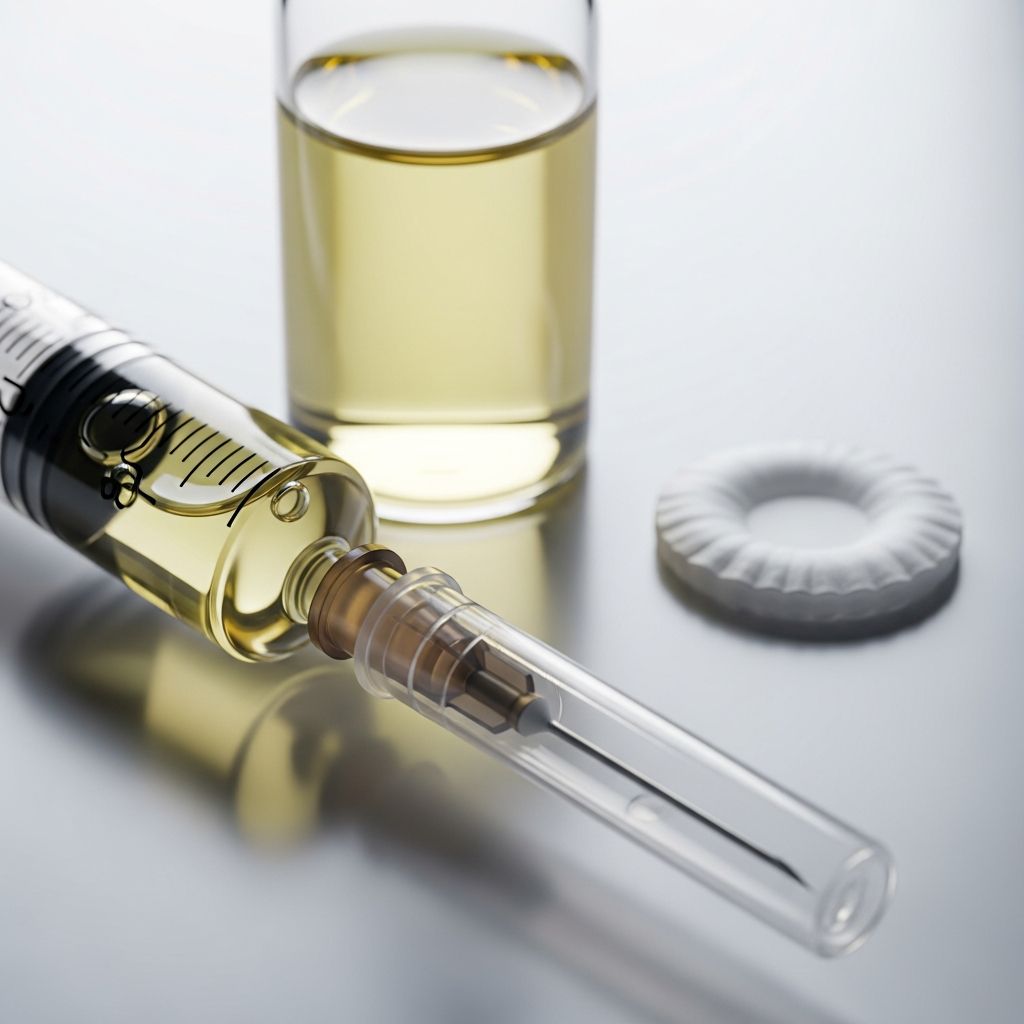
Thiamine injection is a medication that delivers vitamin B1 directly into your bloodstream through intramuscular or intravenous administration. Thiamine, commonly known as vitamin B1, is an essential micronutrient that plays a crucial role in your body’s metabolic processes. This injectable form is particularly valuable when rapid restoration of thiamine levels is necessary or when oral supplementation is not feasible or effective.
Thiamine hydrochloride injection contains 100 mg of thiamine per milliliter and is typically supplied in 2 mL vials. The medication works by replenishing depleted thiamine stores in your body, allowing your cells to function properly and maintain optimal health.
What Does Thiamine Do in Your Body?
Thiamine is a water-soluble B vitamin that serves multiple essential functions in your body’s physiology. Understanding what thiamine does helps explain why maintaining adequate levels is critical for your health.
Thiamine plays a vital role in converting food into energy by acting as a coenzyme in carbohydrate metabolism. When you consume carbohydrates, thiamine helps break them down into glucose, which your cells use for energy production. Without adequate thiamine, your cells cannot efficiently convert nutrients into usable energy, leading to fatigue and reduced physical function.
Beyond energy metabolism, thiamine maintains the health of your heart, nerves, and digestive tract. Your nervous system depends on thiamine for proper neurotransmitter synthesis and nerve impulse transmission. This is why thiamine deficiency can cause neurological symptoms ranging from mild neuropathy to severe conditions like Wernicke encephalopathy. Additionally, thiamine supports cardiac function and helps maintain a healthy digestive system that properly absorbs nutrients.
When Is Thiamine Injection Prescribed?
Healthcare providers prescribe thiamine injections in several clinical situations where oral supplementation is insufficient or inappropriate. The injectable form is preferred when rapid restoration of thiamine levels is medically necessary.
Treatment of Thiamine Deficiency
Thiamine injection is indicated for treating documented thiamine deficiency, whether caused by nutritional insufficiency, malabsorption disorders, or chronic illness. When your body cannot maintain adequate thiamine levels through diet alone, injection therapy becomes necessary.
Wernicke-Korsakoff Syndrome
One of the most critical indications for thiamine injection is Wernicke encephalopathy and Korsakoff syndrome, neurological conditions typically associated with chronic alcohol use. These conditions represent medical emergencies requiring immediate high-dose parenteral thiamine administration. Wernicke encephalopathy presents with confusion, oculomotor abnormalities, and gait disturbances that can progress to coma and death if untreated. Parenteral thiamine administration is required because oral formulations are absorbed too slowly to replenish depleted brain stores adequately.
Beriberi Treatment
Thiamine injection treats both dry beriberi (characterized by nervous system symptoms) and wet beriberi (marked by cardiovascular complications). Wet beriberi with myocardial failure represents a medical emergency requiring slow intravenous thiamine administration to prevent cardiac decompensation.
Prevention During Dextrose Administration
Thiamine injection prevents heart failure precipitation in patients with marginal thiamine status who are receiving intravenous dextrose. Dextrose administration increases metabolic demands for thiamine, potentially precipitating acute deficiency in vulnerable patients. Prophylactic thiamine administration protects against this complication.
Severe Gastrointestinal Conditions
When patients cannot take thiamine orally due to severe anorexia, nausea, vomiting, or malabsorption disorders, parenteral administration becomes necessary. This includes conditions such as infantile beriberi with acute collapse and neuritis of pregnancy complicated by severe vomiting.
Related Stories



How Is Thiamine Injection Administered?
Thiamine injection is delivered through two primary routes: intramuscular (IM) or intravenous (IV) administration. Your healthcare provider determines the most appropriate route based on your clinical situation and medical history.
Intramuscular Administration
Intramuscular injection involves administering thiamine directly into muscle tissue, typically in the buttocks or upper arm. This route is acceptable for most patients and provides good absorption. However, intramuscular injections may cause local discomfort or soreness at the injection site.
Intravenous Administration
Intravenous administration delivers thiamine directly into your bloodstream through a vein. This route is preferred when feasible because it provides immediate access to systemic circulation and creates optimal concentration gradients for brain penetration. Intravenous thiamine should be administered slowly, typically over 30 minutes, to minimize adverse reactions.
Administration in Clinical Settings
Thiamine injection is typically administered by healthcare professionals in hospital or clinic settings. Your care team will ensure proper sterile technique, appropriate dosing, and monitoring for adverse reactions. In some cases, patients may be trained to self-administer injections at home under medical supervision.
Dosage Recommendations
Thiamine dosing varies depending on the condition being treated and individual patient factors. Healthcare providers base dosing decisions on pharmacokinetic principles and clinical experience, as high-quality dose-ranging studies are limited.
Beriberi Treatment
For beriberi treatment, the standard dosage is 10 to 20 mg of thiamine hydrochloride administered intramuscularly three times daily for up to two weeks. Following intramuscular therapy, an oral multivitamin preparation containing 5 to 10 mg thiamine is recommended daily for one month to achieve complete body tissue saturation.
Wernicke-Korsakoff Syndrome
In Wernicke-Korsakoff syndrome, an initial intravenous dose of 100 mg thiamine hydrochloride is given, followed by intramuscular doses of 50 to 100 mg daily until the patient can consume a regular, balanced diet. Due to thiamine’s short elimination half-life of approximately 96 minutes, divided dosing (two or three times daily) is more effective than single daily doses for replenishing depleted tissue stores.
Prevention During Dextrose Infusion
For patients with marginal thiamine status receiving dextrose intravenously, 100 mg of thiamine hydrochloride should be added to each of the first few liters of intravenous fluid. This prophylactic approach prevents precipitation of acute heart failure in at-risk individuals.
Daily Requirements
Daily thiamine requirements for adults are 1.2 to 1.5 milligrams for males and 1.0 to 1.1 milligrams for females, with pregnant women requiring 1.5 milligrams daily. These amounts represent adequate intakes to maintain normal physiological function in individuals without deficiency.
Side Effects and Safety Considerations
While thiamine injections are generally well-tolerated, certain side effects and safety considerations warrant careful attention.
Common Side Effects
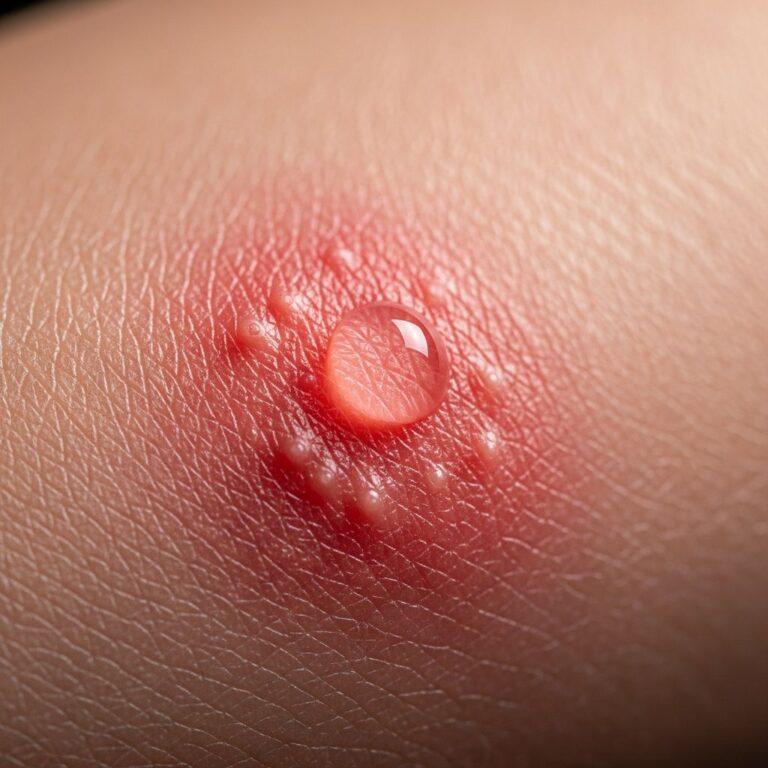
Common side effects associated with thiamine injection include flushing, nausea, and itching at or around the injection site. These mild reactions typically resolve spontaneously within minutes to hours and do not require treatment interruption. Local discomfort or soreness may occur at intramuscular injection sites.
Serious Hypersensitivity Reactions
Serious hypersensitivity or anaphylactic reactions can occur, particularly after repeated thiamine administration. Although early case reports raised concerns about anaphylaxis from rapid intravenous thiamine, the risk is now considered exceedingly rare, especially when thiamine is administered over 30 minutes. However, deaths have resulted from intravenous or intramuscular thiamine administration in susceptible individuals.
Hypersensitivity Testing Protocol
If hypersensitivity to thiamine is suspected based on patient history or prior adverse reactions, a skin test should be performed before full-dose administration. Administer one-hundredth of the intended dose intradermally and observe for 30 minutes. If no reaction occurs, the full dose can be given, with observation continuing for at least 30 minutes after injection. Healthcare providers should maintain readiness to treat anaphylactic reactions regardless of precautions taken.
Aluminum Content Consideration
Research indicates that patients with impaired kidney function, including premature neonates, who receive parenteral medications containing aluminum at rates exceeding 4 to 5 micrograms per kilogram per day may accumulate aluminum at levels associated with central nervous system and bone toxicity. Tissue loading may occur even at lower administration rates in vulnerable populations.
Who Should Not Receive Thiamine Injection?
Thiamine injection is contraindicated in patients with documented hypersensitivity to thiamine or any components of the formulation. Patients with a history of anaphylactic reactions to thiamine require careful evaluation before administration, with appropriate skin testing and precautions implemented.
Drug Interactions and Special Populations
Thiamine injection has minimal significant drug interactions due to its role as an essential nutrient. However, certain medications may affect thiamine metabolism or increase requirements, including loop diuretics and certain anticonvulsants. Patients taking these medications may require higher thiamine doses or more frequent monitoring.
Pregnant and breastfeeding women can safely receive thiamine injections. In fact, thiamine requirements increase during pregnancy to 1.5 mg daily, and supplementation may be necessary in deficiency states or high-risk pregnancies complicated by severe vomiting.
Comparison of Administration Routes
The choice between intramuscular and intravenous administration depends on several factors, including clinical urgency, patient condition, and healthcare setting availability.
| Factor | Intramuscular | Intravenous |
|---|---|---|
| Administration Speed | Slower absorption | Immediate effect |
| Brain Penetration | Adequate | Superior gradient |
| Adverse Reaction Risk | Lower | Higher (if rapid) |
| Local Effects | Possible soreness | Minimal local effects |
| Clinical Preference | Acceptable alternative | Preferred when feasible |
Expected Clinical Response
Clinical response to high-dose parenteral thiamine in patients with Wernicke encephalopathy is often rapid and encouraging. Oculomotor abnormalities, if present at treatment initiation, typically resolve the fastest, with improvement often evident within days of starting therapy. Encephalopathy and ataxia require longer treatment periods to improve meaningfully. Gait impairment may persist as a lasting sequela even after successful thiamine replacement.
Storage and Handling
Thiamine hydrochloride injection should be stored according to manufacturer specifications, typically at room temperature away from light and moisture. Parenteral drug products must be inspected visually for particulate matter and discoloration prior to administration. Discolored solutions or those containing visible particles should not be used.
Frequently Asked Questions
Q: Why can’t I just take oral thiamine instead of injections?
A: Oral thiamine formulations are absorbed too slowly to replenish depleted brain stores rapidly in conditions like Wernicke encephalopathy. Parenteral administration overcomes reduced gastrointestinal absorption and creates concentration gradients that allow thiamine to penetrate the blood-brain barrier more effectively. Additionally, some patients cannot tolerate oral medications due to severe nausea, vomiting, or malabsorption disorders.
Q: How long does thiamine remain in my body after injection?
A: Thiamine has an elimination half-life of approximately 96 minutes, meaning it is rapidly cleared from your system. This short half-life explains why divided dosing (two or three times daily) is more effective than single daily injections for replenishing depleted tissue stores and maintaining therapeutic levels.
Q: What should I do if I experience an allergic reaction to thiamine injection?
A: Contact your healthcare provider immediately or seek emergency medical attention if you experience symptoms of allergic reaction, including difficulty breathing, swelling of the face or throat, severe itching, or chest pain. If you have a history of thiamine sensitivity, inform your healthcare provider before treatment, as skin testing may be performed before full-dose administration.
Q: Can I administer thiamine injections at home?
A: Yes, in some cases, patients can be trained to self-administer thiamine injections at home under medical supervision. Your healthcare provider will teach you proper injection technique, sterile handling, storage, and when to seek medical attention. Home administration must be carefully coordinated with your healthcare team.
Q: How long does thiamine injection treatment typically last?
A: Treatment duration varies depending on your condition and response to therapy. For beriberi, treatment may last up to two weeks followed by oral supplementation for one month. For Wernicke-Korsakoff syndrome, injections continue until you can consume a regular, balanced diet. Your healthcare provider will determine the appropriate treatment duration based on your clinical progress.
Q: Are there any foods that interact with thiamine injections?
A: Thiamine injections have minimal interactions with foods. However, maintaining adequate nutrition overall supports thiamine absorption and utilization. After completing parenteral therapy, consuming thiamine-rich foods like whole grains, pork, legumes, and seeds helps maintain adequate body stores.
Q: Can children receive thiamine injections?
A: Yes, children can receive thiamine injections when appropriate, including for infantile beriberi. Dosing is adjusted based on age and weight. Thiamine injection is indicated for infantile beriberi with acute collapse when rapid restoration is medically necessary. Your pediatrician will determine appropriate dosing.
References
- Thiamine HCl Injection, USP 200 mg/2 mL — U.S. Food and Drug Administration, National Library of Medicine. Accessed December 2025. https://dailymed.nlm.nih.gov/dailymed/
- Which patients hospitalized with alcohol withdrawal syndrome warrant parenteral thiamine supplementation? — Cleveland Clinic Journal of Medicine, 2023. https://www.ccjm.org/content/90/1/22
- Thiamine Injection: Uses & Side Effects — Cleveland Clinic. December 2025. https://my.clevelandclinic.org/health/drugs/20066-thiamine-injection
- Thiamine (oral route, injection route) — Side effects & dosage — Mayo Clinic. Accessed December 2025. https://www.mayoclinic.org/drugs-supplements/
- Vitamin B1 (Thiamine): What It Is, Foods and Health Benefits — WebMD. Accessed December 2025. https://www.webmd.com/vitamins-and-supplements/
- The effects of thiamine on abnormal brainstem auditory evoked responses — Cleveland Clinic Journal of Medicine, 1998. https://www.ccjm.org/content/ccjom/46/3/83.full.pdf
Similar Articles








Read full bio of medha deb