Thiamine (Vitamin B1) – Athiam, ThiaDose, ThiamEss
Comprehensive guide to thiamine (vitamin B1) supplements like Athiam, ThiaDose, and ThiamEss for treating and preventing deficiency.
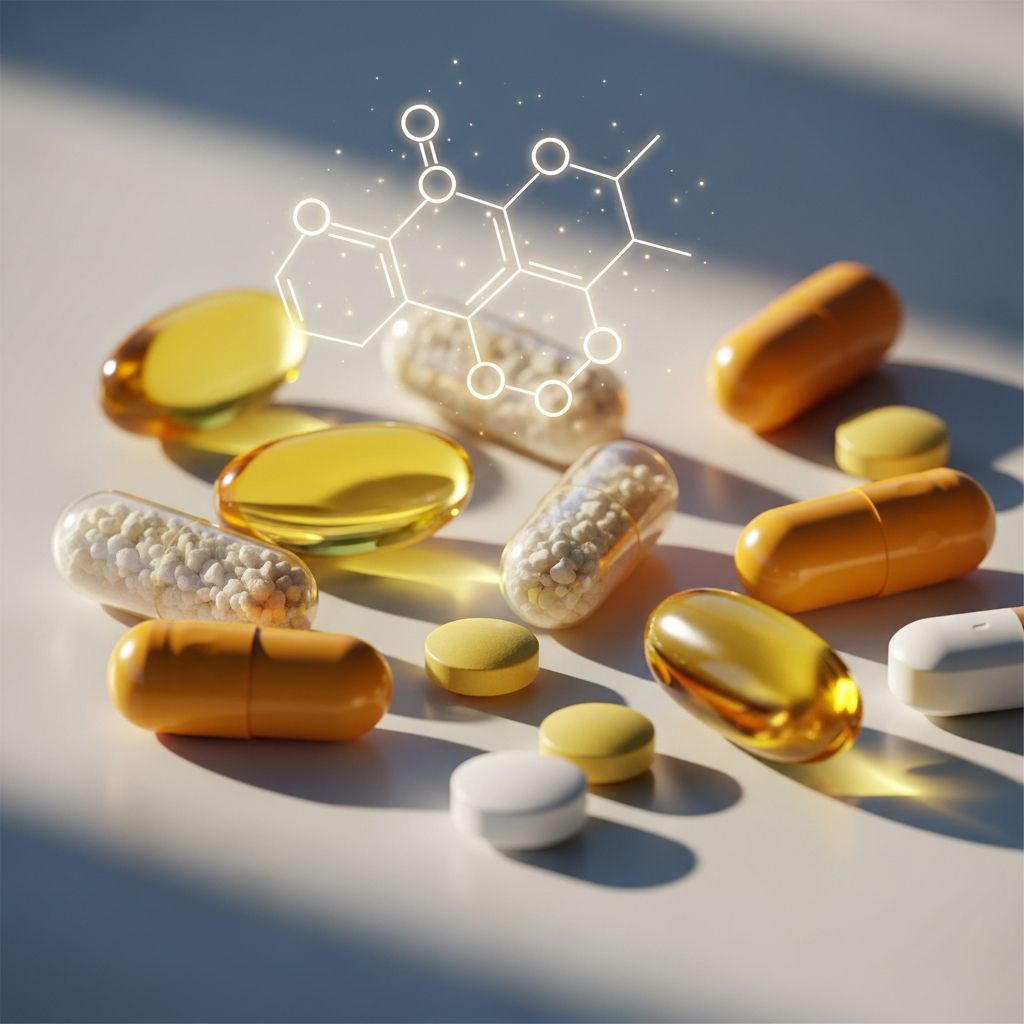
Thiamine, commonly known as vitamin B1, is a water-soluble B vitamin crucial for converting food into energy and maintaining a healthy nervous system. It is available as supplements under brand names such as Athiam ®, ThiaDose ThiamEss for individuals unable to obtain sufficient amounts from their diet. These supplements treat and prevent thiamine deficiency, which can lead to serious conditions like beriberi and Wernicke encephalopathy.
| Type of medicine | Used for | Also called | Available as |
|---|---|---|---|
| Vitamin B | Thiamine deficiency | Athiam ; ThiaDose ; ThiamEss | Tablets, modified-release tablets, oral liquid medicine |
About thiamine
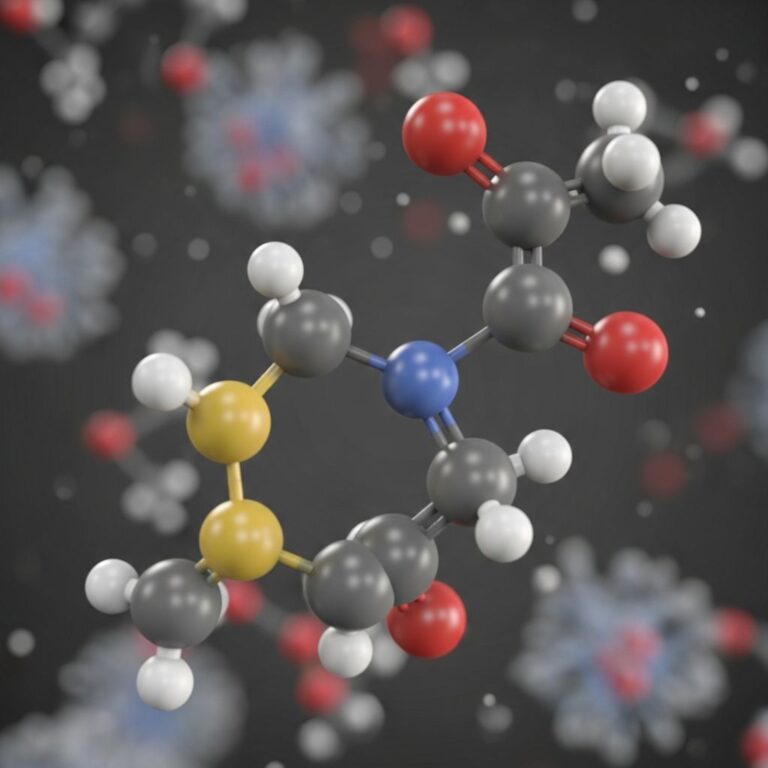
Thiamine belongs to the group of B vitamins, specifically designated as vitamin B1. It plays a vital role in carbohydrate metabolism, acting as a coenzyme in the form of thiamine pyrophosphate (TPP) for enzymes like pyruvate dehydrogenase and -ketoglutarate dehydrogenase in the Krebs cycle. This process is essential for energy production in cells, particularly in the brain, heart, and nerves, which rely heavily on glucose.
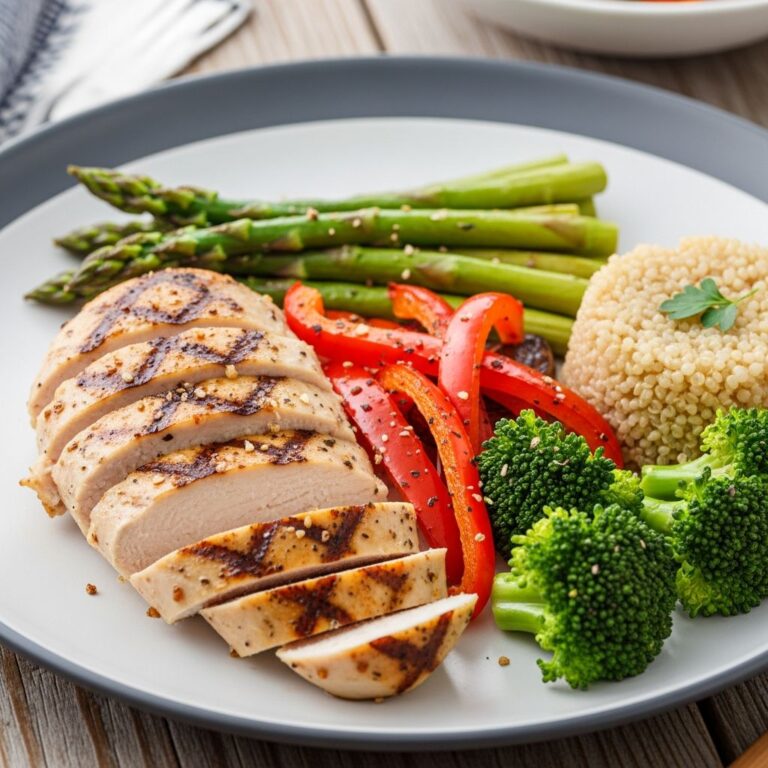
Good dietary sources of thiamine include whole grains, cereals, nuts, peas, beans, pork, and fortified foods. However, deficiency remains a concern in populations with poor nutrition, alcoholism, or conditions impairing absorption, such as chronic vomiting or gastrointestinal disorders. In the UK, deficiency is rare but can occur in at-risk groups, prompting doctors to recommend supplements.
Synthetic thiamine supplements are used to treat or prevent deficiency. They are also prescribed for rare pediatric conditions like maple syrup urine disease and congenital lactic acidosis under specialist supervision. Thiamine is included in many over-the-counter multivitamin preparations.
Key facts about thiamine
- Treatment for mild thiamine deficiency may take a few weeks to improve symptoms.
- Standard dosing for mild deficiency is once daily, 25-100 mg.
- Can be taken with or without food.
- Avoid alcohol during treatment, as it exacerbates deficiency.
- Common side effects are mild, such as nausea or stomach ache.
- No established upper intake level due to low toxicity risk from high doses.
- In severe cases like Wernicke encephalopathy, intravenous (IV) or intramuscular (IM) administration is preferred.
Before taking thiamine
Pregnancy and breastfeeding
Thiamine is safe during pregnancy and breastfeeding at recommended doses, as it is a dietary essential. Deficiency risks are higher in these periods due to increased demands, so supplementation may be advised if dietary intake is inadequate. Consult a healthcare provider for personalized dosing.
Other medicines, foods, and drink
Thiamine absorption can be reduced by certain medications like furosemide (loop diuretics), trimethoprim (antibiotics), or prolonged antacid use. Alcohol severely impairs thiamine uptake and storage, worsening deficiency in chronic users. Foods do not significantly interact, but a balanced diet supports overall efficacy.
Having an operation or procedure
Inform your surgeon or anesthetist if taking thiamine supplements, though interactions are minimal. In malnourished patients undergoing surgery, preoperative thiamine may prevent complications like lactic acidosis.
Caution with other conditions
Individuals with alcohol use disorder, malnutrition, HIV/AIDS, bariatric surgery history, or persistent vomiting are at high risk for deficiency and should be screened. Renal impairment may alter excretion, requiring monitoring.
Related Stories



How to take thiamine
Always follow the manufacturer’s leaflet and your doctor’s instructions. Thiamine tablets are typically taken once daily. For mild deficiency prevention, 25-100 mg suffices; higher doses (200-300 mg) for therapeutic use are split into 100 mg two or three times daily.
Modified-release tablets should be swallowed whole, not crushed. Oral liquids are measured precisely with the provided syringe or spoon. Take at a convenient time, with or without meals. Do not exceed prescribed doses to avoid unnecessary excess, though toxicity is rare.
- Adults: 25-300 mg daily, depending on severity.
- Children: Dosed by weight/specialist; e.g., for beriberi.
- Severe deficiency: Initial high-dose IV/IM (100-500 mg), transitioning to oral.
Common questions about thiamine
How long does thiamine take to work?
For mild deficiency, improvements may appear in days to weeks, but neurological symptoms can take longer. Severe cases like Wernicke encephalopathy require immediate IV therapy for rapid response.
Is thiamine safe for long-term use?
Yes, long-term supplementation is safe at recommended doses with no upper limit established due to water-soluble nature and lack of toxicity reports.
Possible side effects of thiamine
Thiamine is unlikely to cause side effects at standard doses. Rare mild reactions include nausea, stomach upset, or allergic skin responses. High IV doses may cause temporary low blood pressure. Discontinue and seek medical advice if severe reactions occur. No long-term adverse effects are documented.
About modified-release thiamine tablets
Brands like ThiaDose use modified-release technology for steady absorption, ideal for once-daily dosing in maintenance therapy. Swallow whole; do not chew or crush to preserve the coating. Suitable for patients needing consistent levels without frequent dosing.
Thiamine deficiency: risks and symptoms
Deficiency arises from inadequate intake, absorption issues, or increased demand. Risk factors include alcoholism (depletes stores), malnutrition, dialysis, pregnancy, and conditions like celiac disease or post-bariatric surgery.
Symptoms progress from mild (fatigue, irritability) to severe:
| Stage | Symptoms |
|---|---|
| Mild/Moderate | Weight loss, confusion, muscle weakness, peripheral neuropathy, lowered immunity. |
| Advanced (Wet Beriberi) | Heart failure, edema, lactic acidosis. |
| Dry Beriberi | Neuropathy, muscle wasting. |
| Wernicke Encephalopathy | Confusion, ataxia, ophthalmoplegia; may progress to Korsakoff syndrome. |
| Infantile Beriberi | Cardiac issues in breastfed infants of deficient mothers. |
Presumptive treatment is urgent without waiting for tests, as no rapid diagnostic exists. Whole blood thiamine levels confirm but delay therapy.
Treatment of thiamine deficiency
Treatment varies by severity:
- Mild: Oral 25-100 mg daily.
- Severe/Wernicke: IV/IM 500 mg three times daily for 2-3 days, then 250 mg daily for 3-5 days, followed by oral.
- Adjuncts: Magnesium, other B vitamins, balanced nutrition.
Early intervention prevents irreversible damage. Studies show high-dose IV resolves symptoms effectively, with oral maintenance.
Prevention strategies
Encourage thiamine-rich diets: pork, legumes, fortified cereals. At-risk groups (alcoholics, elderly) benefit from routine supplementation. Public health fortification reduces population risk.
Frequently Asked Questions (FAQs)
Q: Who needs thiamine supplements?
A: People with poor diet, alcohol dependency, malabsorption, or at risk of deficiency like post-bariatric patients.
Q: Can thiamine cure Wernicke encephalopathy?
A: Prompt high-dose IV thiamine can reverse acute symptoms, preventing progression to Korsakoff syndrome.
Q: Are there food sources to avoid deficiency?
A: Yes, whole grains, meat, nuts, and legumes; cooking losses are minimal with modern methods.
Q: Is thiamine overdose possible?
A: No upper limit; excess is excreted in urine with rare mild side effects.
Q: How is deficiency diagnosed?
A: Clinically suspected; confirmed by blood levels or response to therapy.
References
- About thiamine – NHS . 2023. https://www.nhs.uk/medicines/thiamine-vitamin-b1/about-thiamine/
- Vitamin B1 (Thiamine) – StatPearls – NCBI Bookshelf, NIH. 2023-10-28. https://www.ncbi.nlm.nih.gov/books/NBK482360/
- Vitamin B1 deficiency – Symptoms, diagnosis and treatment – BMJ Best Practice. 2024. https://bestpractice.bmj.com/topics/en-us/633
- Vitamin B1 (Benerva; Tyvera). Thiamine deficiency – Patient.info. 2024-11-12. https://patient.info/medicine/thiamine-vitamin-b1-athiam-thiadose-thiamess
- Thiamin – Vitamin B1 – Harvard T.H. Chan School of Public Health. 2023. https://nutritionsource.hsph.harvard.edu/vitamin-b1/
- Thiamin – Health Professional Fact Sheet – NIH Office of Dietary Supplements. 2024-04-05. https://ods.od.nih.gov/factsheets/Thiamin-HealthProfessional/
Similar Articles








Read full bio of medha deb