Thiazide Diuretics: Uses, Benefits and Side Effects
Complete guide to thiazide diuretics: how they work, effectiveness, and potential side effects for hypertension treatment.
Thiazide Diuretics: Uses and Side-Effects
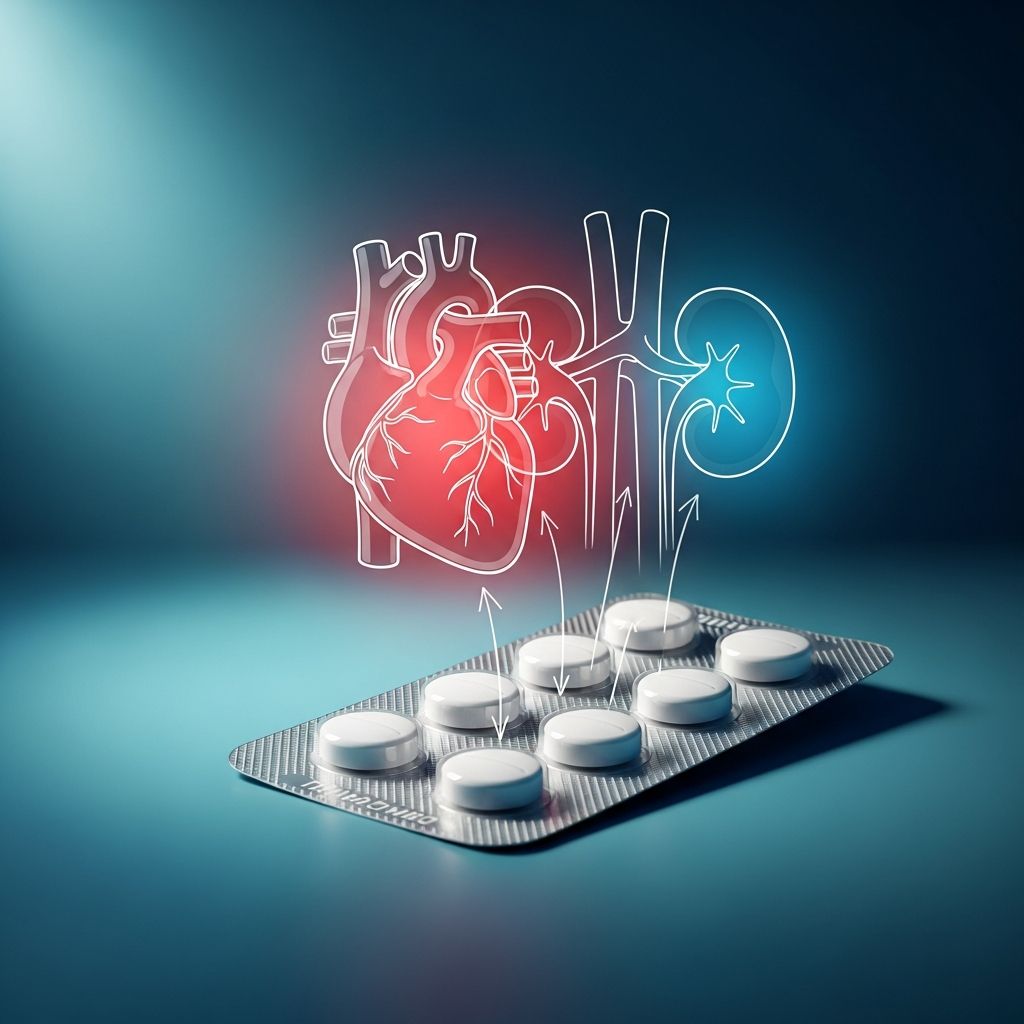
Thiazide diuretics are among the most commonly prescribed medications for managing high blood pressure, also known as hypertension. These medications have been used effectively for over 50 years and remain a cornerstone of antihypertensive therapy. While they are primarily used to treat high blood pressure, thiazide diuretics are occasionally prescribed for other conditions where the body accumulates excess fluid, such as heart failure, though loop diuretics are typically preferred for heart failure management.
What Are Thiazide Diuretics?
Thiazide diuretics are a class of medications that work by affecting how the kidneys handle salt and water. The most commonly used thiazide medications include hydrochlorothiazide and chlorothiazide, while thiazide-like alternatives such as chlorthalidone, indapamide, and metolazone are also frequently prescribed. These medications are generally considered safe and effective for treating high blood pressure and have demonstrated superior effectiveness compared to many other antihypertensive drug classes.
How Thiazide Diuretics Work
Thiazide diuretics operate through two primary mechanisms to lower blood pressure. First, they increase the amount of fluid that the kidneys excrete as urine by interfering with the transport of salt and water across specific cells in the kidney tubules. However, thiazide diuretics have a relatively weak action on the kidneys compared to other diuretic types, so patients typically do not experience a dramatic increase in urination.
The second mechanism involves blood vessel dilation. Thiazide diuretics widen blood vessels throughout the body, which helps reduce peripheral vascular resistance. This combination of increased fluid excretion and blood vessel dilation works together to reduce overall blood pressure. The initial blood pressure reduction results primarily from diuretic-induced reduction in plasma volume and cardiac output, followed by a decrease in vascular resistance that maintains the lowered blood pressure over time.
Mechanism of Action: A Historical Perspective
Despite decades of clinical use, the exact mechanism of action of thiazide diuretics has not been completely established. Early researchers theorized that individuals with hypertension have blood vessels that are “waterlogged” with excessive sodium and water, making them more susceptible to vasoconstrictive stimuli. Thiazide diuretics were thought to reverse this effect by removing excess sodium and water from the vessels, rendering them less sensitive to vasoconstrictive activity. As the body adapts to thiazide therapy, cardiac output returns to normal levels while plasma volume remains slightly decreased, and the reduction in volume explains ongoing increases in renin-angiotensin system activity.
Effectiveness of Thiazide Diuretics
Blood Pressure Reduction
Thiazide diuretics demonstrate dose-related blood pressure-lowering effects that have been well-documented in clinical research. A comprehensive systematic review analyzing 60 randomized, double-blind trials involving 11,282 participants showed that thiazide diuretics significantly reduce both systolic and diastolic blood pressure. Importantly, thiazides as a class have a greater effect on systolic blood pressure than on diastolic blood pressure, resulting in a reduction of pulse pressure by 4 to 6 mmHg—an amount that exceeds the 3 mmHg pulse pressure reduction achieved by ACE inhibitors, angiotensin receptor blockers (ARBs), and renin inhibitors, and the 2 mmHg reduction seen with non-selective beta-blockers.
Cardiovascular Event Prevention
Related Stories



The landmark Veterans Cooperative Study, initiated in 1964, was the first randomized, controlled trial to demonstrate that lowering blood pressure through medications actually decreased cardiovascular events associated with hypertension. This groundbreaking research established that antihypertensive intervention in patients with moderate to severe hypertension resulted in remarkable decreases in death, strokes, and other cardiovascular events. The study used a combination of thiazide diuretic, reserpine, and hydralazine hydrochloride, providing the first definitive evidence of the cardiovascular benefits of thiazide therapy.
The Hypertension Detection and Follow-up Program extended these findings to patients with mild to moderate hypertension, demonstrating that a “stepped-care” approach with diuretics as initial therapy resulted in better blood pressure reduction and more significant decreases in strokes, coronary heart disease events, and associated death compared to referral to community medical care.
Comparison with Other Antihypertensive Medications
The ALLHAT trial, one of the most significant hypertension studies, compared diuretic-based therapy with ACE inhibitor and calcium channel blocker-based regimens. Patients who received a diuretic (chlorthalidone, 12.5-25.0 mg/day) as initial therapy experienced fewer strokes and heart failure events than those on ACE inhibitor-based or calcium channel blocker-based regimens. These findings led to the recommendation that diuretics be considered as first-step treatment for most patients with hypertension. Meta-analyses of multiple trials have reported no evidence for differences between different antihypertensive drug classes in preventing major cardiovascular events or in their preventive effectiveness in older compared with younger patients.
Dosing and Administration
Most thiazide diuretics are administered once daily, typically in the morning. A single morning dose maintains blood pressure reduction throughout the 24-hour period. However, the diuretic effect of increased urine production typically wears off within 12 hours of administration. This means that patients generally do not experience nighttime disruptions to sleep from increased urination, and many patients barely notice an increase in daily urination because the doses used to treat hypertension are relatively low.
It is important to note that thiazide diuretics become less effective when kidney function is significantly impaired. When the serum creatinine level exceeds 2 mg/dL or when the glomerular filtration rate falls below 50 mL/min, thiazide-type diuretics may become ineffective as blood pressure-lowering agents, and a loop diuretic should be used instead.
Side Effects and Adverse Reactions
Electrolyte Imbalances
One of the most significant concerns with thiazide diuretic therapy involves disruption of the salt balance in the bloodstream, which can cause abnormally low blood levels of potassium, sodium, and magnesium, as well as elevated calcium levels. These electrolyte imbalances may cause various symptoms including muscle weakness, confusion, and in rare cases, abnormal heart rhythms. Healthcare providers typically recommend periodic blood tests to monitor electrolyte levels in patients taking thiazide diuretics to detect and correct any imbalances before they cause serious problems.
Metabolic Effects
Clinical research has identified several metabolic side effects associated with thiazide diuretic use. Thiazides reduce potassium levels, increase uric acid, and may increase total cholesterol and triglycerides. Additionally, thiazide diuretics can increase blood sugar levels in some patients, which is an important consideration for individuals with diabetes or those at risk for developing diabetes.
Other Common Side Effects
Patients taking thiazide diuretics may experience a variety of other side effects, including:
- Gastrointestinal upset (nausea, vomiting, loss of appetite)
- Dizziness or lightheadedness upon standing, resulting from excessively low blood pressure (hypotension)
- Erectile dysfunction or impotence, which is often reversible upon discontinuation of the medication
- Increased skin sensitivity to sunlight, requiring the use of protective measures such as sunscreen
In clinical trials, thiazides did not increase withdrawal rates due to adverse effects in short-term studies, suggesting that most patients tolerate these medications reasonably well.
Important Considerations Before Taking Thiazide Diuretics
Combination Therapy Benefits
Thiazide diuretics are often used as part of combination therapy with other antihypertensive medications. When diuretics are administered with other agents such as ACE inhibitors, blood pressure lowering is significantly greater, and patient outcomes are improved. The PROGRESS Study demonstrated that in patients who had experienced a cardiovascular event, an ACE inhibitor alone did not prevent another event, but the use of a diuretic combined with the ACE inhibitor significantly reduced the incidence of recurrent events. This synergistic effect makes thiazide diuretics valuable components of multi-drug antihypertensive regimens.
Long-Term Safety and Efficacy
Thiazide diuretics have proven their safety and efficacy over more than 50 years of clinical use. They are considered safe, effective, and well-tolerated medications that can be used either as monotherapy or in combination with other antihypertensive agents. The aggregate conclusion from multiple clinical trials is that diuretic use as monotherapy or as part of a comprehensive treatment program has proven beneficial in reducing blood pressure and preventing cardiovascular events.
Monitoring and Follow-up
Patients prescribed thiazide diuretics should undergo regular monitoring to assess treatment effectiveness and detect any adverse effects. Periodic blood tests to check potassium levels, kidney function, glucose, lipid profile, and uric acid levels are typically recommended. Your healthcare provider may adjust the dosage or switch to alternative medications if you experience problematic side effects or if the medication is not effectively controlling your blood pressure.
Frequently Asked Questions
Q: How long does it take for thiazide diuretics to lower blood pressure?
A: Thiazide diuretics typically begin to lower blood pressure within the first few weeks of treatment. Maximum blood pressure reduction is usually achieved within 4-6 weeks of starting therapy or after dose adjustments.
Q: Can I stop taking thiazide diuretics once my blood pressure is controlled?
A: Thiazide diuretics are typically a long-term treatment for hypertension. Stopping the medication without medical guidance can cause blood pressure to rise again. Always consult your healthcare provider before discontinuing any blood pressure medication.
Q: Are thiazide diuretics safe for long-term use?
A: Yes, thiazide diuretics have demonstrated safety and effectiveness over more than 50 years of widespread clinical use. They are considered safe for long-term therapy when monitored appropriately with regular blood tests and medical follow-up.
Q: Do thiazide diuretics interact with other medications?
A: Thiazide diuretics can interact with various medications. It is essential to inform your healthcare provider about all medications, supplements, and herbal products you are taking to avoid potential interactions.
Q: What should I do if I experience side effects from thiazide diuretics?
A: If you experience concerning side effects, contact your healthcare provider immediately. They may adjust your dosage, recommend lifestyle modifications, or switch you to an alternative medication.
Q: Can I take thiazide diuretics if I have kidney disease?
A: Thiazide diuretics become less effective when kidney function is significantly impaired (glomerular filtration rate below 50 mL/min). In such cases, a loop diuretic is typically preferred. Discuss your kidney function with your healthcare provider before taking thiazides.
Q: Why is my doctor recommending thiazide diuretics instead of other blood pressure medications?
A: Thiazide diuretics are recommended as first-line treatment by major clinical guidelines because they effectively lower blood pressure, prevent cardiovascular events, and are generally well-tolerated. They have the strongest evidence base for reducing strokes and heart disease compared to other antihypertensive drug classes.
References
- Fifty Years of Thiazide Diuretic Therapy for Hypertension — JAMA Internal Medicine. 2011. https://jamanetwork.com/journals/jamainternalmedicine/fullarticle/1108565
- Blood pressure-lowering efficacy of monotherapy with thiazide diuretics: systematic review and meta-analysis — The Cochrane Database of Systematic Reviews. 2014. https://pubmed.ncbi.nlm.nih.gov/24869750/
- Thiazide Diuretics: Uses and Side-Effects — Patient.info. 2024. https://patient.info/heart-health/high-blood-pressure-hypertension/thiazide-diuretics
- Thiazide and thiazide-like diuretics — Osmosis. 2024. https://www.osmosis.org/video/Thiazide_and_thiazide-like_diuretics
Similar Articles








Read full bio of medha deb