Thiazolidinediones: Expert Guide For Type 2 Diabetes
Learn about thiazolidinediones (glitazones), key medications for managing type 2 diabetes by improving insulin sensitivity and blood sugar control.
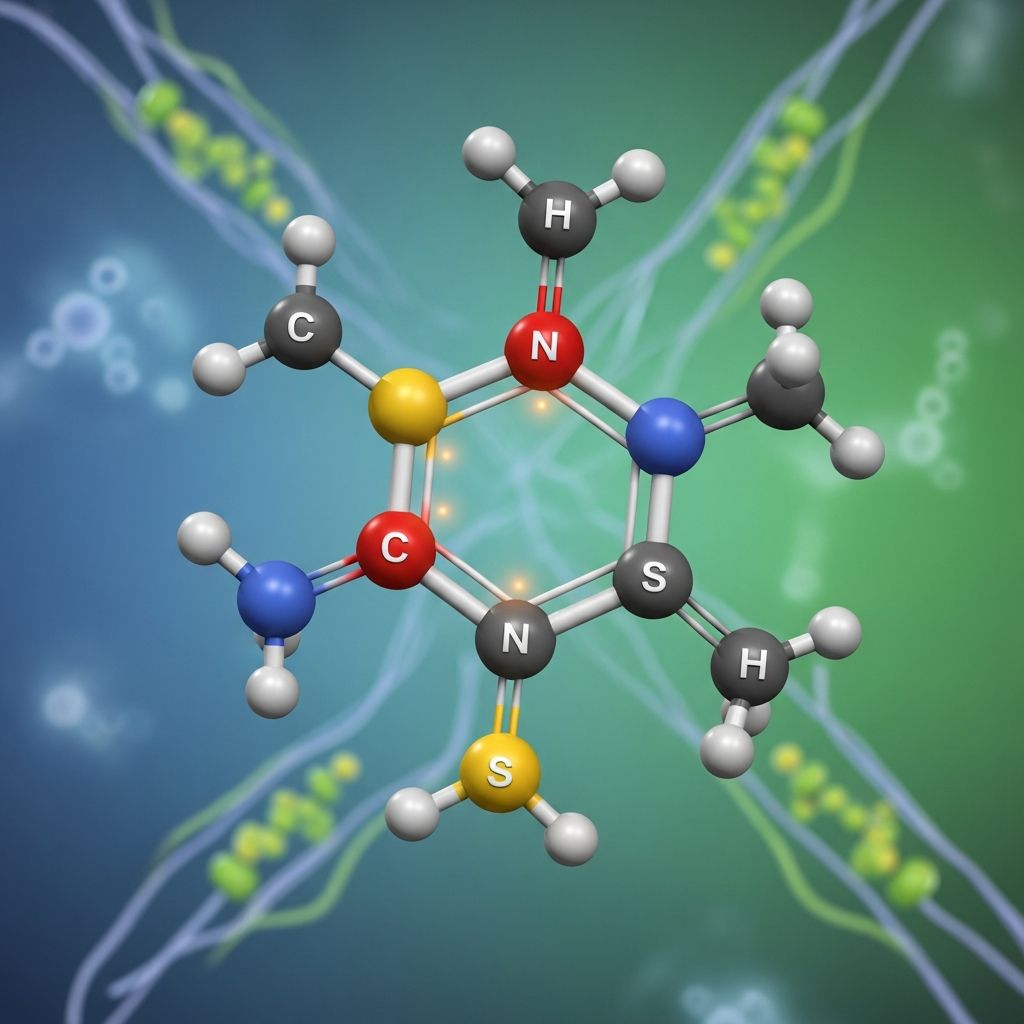
Thiazolidinediones, commonly known as glitazones, are oral medications primarily used to manage type 2 diabetes by enhancing the body’s response to insulin and improving glycemic control.
What are thiazolidinediones?
Thiazolidinediones (TZDs) or glitazones represent a class of antidiabetic drugs designed to treat insulin resistance in type 2 diabetes mellitus. In the UK and many regions, the primary available TZD is pioglitazone, marketed under the brand name Actos. It is available as a standalone tablet or in combination formulations, such as with metformin (e.g., Competact), to provide dual-action blood sugar management.
Historically, rosiglitazone was another TZD, but due to cardiovascular safety concerns identified in studies like the RECORD trial, its use has been restricted or discontinued in many countries. Currently, pioglitazone remains FDA-approved and widely used as monotherapy or in combination with metformin, sulfonylureas, or insulin for adults with type 2 diabetes.
TZDs are not first-line therapies like metformin but serve as effective adjuncts, particularly for patients with significant insulin resistance. They are now available as generics, making them more cost-effective compared to newer agents.
How do thiazolidinediones work?
Thiazolidinediones act as insulin sensitizers by binding to peroxisome proliferator-activated receptor gamma (PPAR-γ) receptors in adipose tissue, muscle, and liver cells. This activation modifies gene expression, promoting adipocyte differentiation, increasing subcutaneous fat storage, and reducing visceral fat accumulation.
Key mechanisms include:
- Increasing insulin sensitivity in peripheral tissues, enhancing glucose uptake in muscle and fat without stimulating insulin secretion from the pancreas.
- Elevating adiponectin levels, an anti-inflammatory hormone from fat cells that boosts fatty acid oxidation and suppresses hepatic gluconeogenesis.
- Decreasing free fatty acids and triglycerides, which ameliorates dyslipidemia associated with insulin resistance.
- Potential anti-inflammatory effects, improving endothelial function and reducing atherogenesis, though these benefits require further confirmation.
The full glycemic effects manifest slowly, over 6 weeks to 6 months, as they involve transcriptional changes rather than immediate metabolic shifts. TZDs lower HbA1c by 0.5-1.5% and fasting plasma glucose effectively, often with durable long-term control compared to other agents.
In prediabetes, TZDs like pioglitazone reduce progression to type 2 diabetes by preserving beta-cell function through insulin resistance mitigation.
How to take thiazolidinediones
Pioglitazone is administered orally once daily, with or without food, at doses typically starting at 15-30 mg and titrated up to 45 mg based on glycemic response and tolerance. Combination tablets like pioglitazone-metformin simplify regimens for patients requiring multiple agents.
Monitoring is crucial: Baseline and periodic liver function tests (LFTs), HbA1c, and body weight assessments are recommended. Maximal effects require patience due to delayed onset. Lifestyle modifications—diet and exercise—must accompany TZD therapy for optimal outcomes.
An interprofessional approach enhances safety: Pharmacists verify dosing and interactions, nurses monitor vitals and education, and physicians adjust based on follow-ups. TZDs synergize with metformin (reducing GI side effects) or sulfonylureas but require caution with insulin to avoid hypoglycemia.
Related Stories



Who can take thiazolidinediones?
Adults over 18 with type 2 diabetes, particularly those with insulin resistance not adequately controlled by metformin or sulfonylureas, are suitable candidates. Pioglitazone can be used as monotherapy or combined with other agents like metformin, sulfonylureas, or insulin.
Contraindications include:
- Heart failure (NYHA Class III/IV) or history of fluid retention, due to edema risk.
- Active liver disease or elevated ALT (>2.5x upper limit).
- Type 1 diabetes, diabetic ketoacidosis, or severe renal impairment (adjust for eGFR).
- Pregnancy or breastfeeding, as safety data are limited.
Caution in patients with osteoporosis risk, bladder cancer history, or macular edema. Not recommended as first-line due to side effects but valuable for long-term insulin resistance management.
Your prescription
Prescriptions for pioglitazone come in 15 mg, 30 mg, or 45 mg tablets, or combinations like Competact (pioglitazone 15 mg + metformin 850 mg). Discuss with your healthcare provider the rationale, monitoring plan, and alternatives. Generic availability reduces costs, promoting accessibility.
Table: Common Pioglitazone Formulations
| Formulation | Dose | Typical Use |
|---|---|---|
| Pioglitazone (Actos) | 15-45 mg daily | Monotherapy or add-on |
| Pioglitazone + Metformin (Competact) | 15/850 mg daily | Combination therapy |
Side effects of thiazolidinediones
While effective, TZDs have notable side effects, primarily weight gain (2-4 kg average, due to fluid retention and fat redistribution), edema (5-15% incidence), and heart failure risk (increased hospitalization but not mortality).
Other effects:
- Cardiovascular: Pioglitazone showed macrovascular benefits in PROactive trial (reduced MI/stroke, HR 0.84), but rosiglitazone raised MI concerns (Nissen meta-analysis).
- Bone health: Increased fracture risk in women (HR 1.9 for pioglitazone).
- Bladder cancer: Slight risk with long-term pioglitazone (>1 year).
- Hepatotoxicity: Rare; monitor LFTs.
- Hypoglycemia: Rare alone; risk rises with insulin/sulfonylureas.
- Weight gain: Improves insulin sensitivity but promotes adipogenesis.
Benefits outweigh risks in select patients with monitoring. TZDs reduce hepatic steatosis and show stroke prevention potential.
More information and support
For personalized advice, consult Diabetes UK helpline (0345 123 2399), local diabetes teams, or online forums. Track blood sugars, report edema/weight changes promptly. Emerging data support TZDs in NAFLD and prediabetes prevention.
Frequently Asked Questions (FAQs)
Q: Can thiazolidinediones cause low blood sugar?
A: Alone, no; but risk increases with insulin or sulfonylureas. Monitor closely.
Q: How long until thiazolidinediones work?
A: 6 weeks to 6 months for full effect due to gene-level changes.
Q: Are thiazolidinediones safe for heart patients?
A: Avoid in NYHA III/IV heart failure; pioglitazone may benefit macrovascular events but worsens edema.
Q: Do thiazolidinediones cause weight gain?
A: Yes, typically 2-4 kg from fluid and fat; monitor diet/exercise.
Q: Who should avoid pioglitazone?
A: Those with heart failure, liver issues, fractures, or bladder cancer history.
References
- Thiazolidinediones – StatPearls — Patel B, et al. National Center for Biotechnology Information (NCBI). 2023-10-01. https://www.ncbi.nlm.nih.gov/books/NBK551656/
- Thiazolidinediones: the Forgotten Diabetes Medications — Inzucchi SE, et al. National Center for Biotechnology Information (PMC). 2019-11-01. https://pmc.ncbi.nlm.nih.gov/articles/PMC6881429/
- Thiazolidinediones (glitazones) — Diabetes UK. 2023. https://www.diabetes.org.uk/about-diabetes/looking-after-diabetes/treatments/tablets-and-medication/thiazolidinediones-glitazones
- Pioglitazone: MedlinePlus Drug Information — U.S. National Library of Medicine. 2023-05-15. https://medlineplus.gov/druginfo/meds/a699016.html
- Pioglitazone: Uses, Interactions, Mechanism of Action — DrugBank Online. 2024-01-10. https://go.drugbank.com/drugs/DB01132
Similar Articles








Read full bio of Sneha Tete