21 Things Nobody Tells You About Losing Weight
Unveiling the raw truths of weight loss: 21 eye-opening realities that transform your journey to a healthier you.
Weight loss is often portrayed as a straightforward equation of calories in versus calories out. But the reality is far more complex, filled with emotional, physiological, and psychological hurdles that catch many people off guard. Drawing from expert insights and scientific research, this article reveals 21 truths about shedding pounds that are rarely discussed upfront. Understanding these can set realistic expectations and pave the way for sustainable success.
You’ll Lose Weight at Different Rates
Initial weight loss often happens quickly, especially when you’re new to dieting. Water weight and glycogen stores deplete first, leading to dramatic drops on the scale. However, as you progress, the rate slows significantly. This is normal and expected. A study from the National Institutes of Health shows that weight loss typically follows a non-linear pattern, with the first month yielding the most results and subsequent months tapering off.
Factors like metabolism adaptation, muscle gain, and hormonal changes contribute to this. Instead of getting discouraged, track non-scale victories like improved energy levels or looser clothing.
Your Body Will Fight to Keep the Weight Off
Your body is wired for survival. When you lose weight, it perceives this as a threat—similar to starvation—and activates defense mechanisms. Metabolic rate can drop by up to 20-30% beyond what’s expected from reduced body mass, a phenomenon called adaptive thermogenesis. Research from the New England Journal of Medicine on “The Biggest Loser” participants revealed that six years post-show, contestants’ metabolisms remained suppressed, burning hundreds fewer calories daily.
- Increased hunger hormones like ghrelin rise.
- Leptin (satiety hormone) drops, making you feel hungrier.
- Energy expenditure decreases to conserve fat.
To counter this, incorporate strength training to preserve muscle and boost resting metabolism.
Muscle Weighs More Than Fat
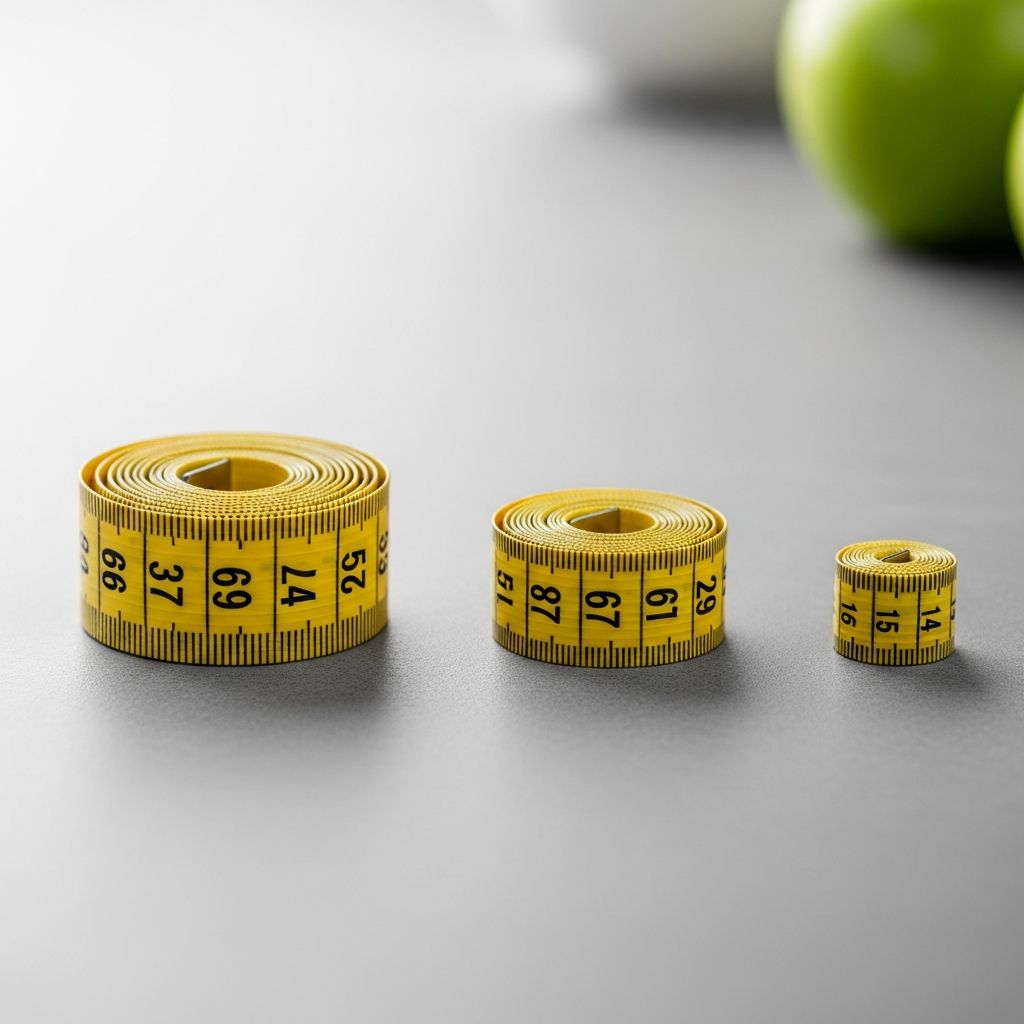
As you exercise more, especially with resistance training, you may build muscle while losing fat. Since muscle is denser than fat, the scale might not budge even as your body composition improves. A pound of muscle occupies less space than a pound of fat, so you could drop inches without seeing big number changes.
Focus on measurements, body fat percentage, or progress photos. The CDC recommends body composition analysis over scale weight alone for tracking health improvements.
Stress Makes Weight Loss Harder
Chronic stress elevates cortisol, which promotes fat storage, particularly in the abdominal area. It also spikes appetite for high-calorie comfort foods. A meta-analysis in Obesity Reviews linked high cortisol to greater weight gain risk.
Implement stress-busters: meditation, yoga, or short walks. Prioritize 7-9 hours of sleep, as poor sleep exacerbates stress and hunger.
Sleep Is Non-Negotiable
Adequate sleep regulates hunger hormones. Sleep deprivation increases ghrelin by 28% and decreases leptin by 18%, per University of Chicago research. Tired bodies crave carbs and have less willpower.
| Sleep Duration | Impact on Hunger |
|---|---|
| <6 hours | High ghrelin, low leptin |
| 7-9 hours | Balanced hormones |
Related Stories



You’re Going to Feel Hungrier Than Usual
Calorie restriction naturally increases hunger signals. This is your body’s way of prompting you to eat more. Combat it with high-volume, low-calorie foods like vegetables, soups, and lean proteins that promote fullness.
Protein is particularly satiating; aim for 1.6-2.2g per kg of body weight daily, as recommended by sports nutrition guidelines.
Plateaus Are Inevitable
After initial progress, you’ll hit stalls where weight doesn’t budge for weeks. This happens as your body adapts. Break through by reassessing intake, increasing activity, or trying a refeed day to reset hormones.
Patience is key—plateaus typically last 2-6 weeks.
It’s Not Just About Calories
While calories matter, food quality influences hormones, inflammation, and satiety. Whole foods stabilize blood sugar better than processed ones. Prioritize nutrient density over strict counting.
You Might Lose Hair
Rapid weight loss can trigger telogen effluvium, where hair follicles enter resting phase prematurely. This is usually temporary, resolving 3-6 months post-stabilization. Ensure adequate protein, iron, and biotin intake.
Skin Doesn’t Always Shrink Back
Significant weight loss leaves loose skin, especially after age 40 or massive losses (>100 lbs). Factors include genetics, age, and loss speed. Strength training, hydration, and collagen supplements may help, but surgery is sometimes needed.
Clothes Shopping Gets Tricky
Body shape changes unevenly—losing fat from some areas faster than others. Sizes vary by brand, so focus on fit over numbers.
Emotional Eating Doesn’t Vanish
Habits tied to emotions persist. Develop alternative coping like journaling or calling a friend. Therapy like CBT can rewire patterns.
Friendships and Relationships Can Change
Weight loss alters dynamics; some celebrate, others feel threatened. Set boundaries and surround yourself with supporters.
You’ll Crave Your Old Favorites More
Restriction can heighten desire for forbidden foods (ironic process theory). Allow occasional treats in moderation to reduce rebellion.
Exercise Alone Won’t Cut It
You can’t out-exercise a bad diet. Exercise aids retention and health but accounts for only 10-30% of calorie burn. Combine with nutrition.
Maintenance Is Harder Than Loss
95% of dieters regain weight within 5 years (UCLA study). Maintenance requires vigilance—ongoing tracking and lifestyle integration.
Supplements Aren’t Magic Pills
Most lack strong evidence. FDA regulates loosely; focus on diet first. Caffeine or green tea extract offer minor boosts.
Age Changes Everything
Metabolism slows ~2-8% per decade after 30 due to muscle loss. Post-menopause, estrogen drop shifts fat to midsection. Resistance train aggressively.
Medications Can Interfere
Antidepressants, steroids, and birth control promote gain. Consult doctors for alternatives.
It’s a Long-Term Marathon
Sustainable loss is 0.5-2 lbs/week. Aim for habits, not quick fixes.
You Might Experience Gallstones
Rapid loss (>3 lbs/week) increases risk by 1-2%, per NIH. Lose gradually and eat healthy fats.
Frequently Asked Questions (FAQs)
What causes weight loss plateaus?
Plateaus occur due to metabolic adaptation, water retention, or inaccurate tracking. Adjust calories, add variety, or deload.
Does stress really affect weight loss?
Yes, cortisol from stress promotes abdominal fat storage and cravings. Manage with mindfulness and sleep.
How much muscle do you lose on a diet?
Without training, up to 25% of loss can be muscle. Strength train and eat protein to minimize.
Can you lose weight without exercise?
Yes, via diet, but exercise preserves muscle and health benefits.
Why does hair loss happen during weight loss?
Nutrient deficits and stress trigger shedding, usually temporary.
References
- Adaptive thermogenesis in human body weight regulation — Rosenbaum, M. & Leibel, R.L. 2020-02-20. https://www.ncbi.nlm.nih.gov/pmc/articles/PMC5764193/
- Long-term persistence of hormonal adaptations to weight loss — Fothergill, E. et al. 2016-05-02. https://www.nejm.org/doi/full/10.1056/NEJMoa0807133
- Assessing Your Weight — Centers for Disease Control and Prevention (CDC). 2024-01-15. https://www.cdc.gov/healthyweight/assessing/index.html
- Sleep curtailment in healthy young men is associated with decreased leptin levels, elevated ghrelin levels, and increased hunger and appetite — Spiegel, K. et al. 2004-12-07. https://pubmed.ncbi.nlm.nih.gov/16181266/
- Weight Loss and Maintenance: A Comprehensive Review — National Institutes of Health (NIH). 2023-08-12. https://www.niddk.nih.gov/health-information/weight-management/adult-overweight-obesity/treatment
Similar Articles








Read full bio of medha deb