Fish Oil: 8 Things Not To Mix With It And Safety Tips
Discover key interactions and combinations to avoid with fish oil supplements for safe and effective use.
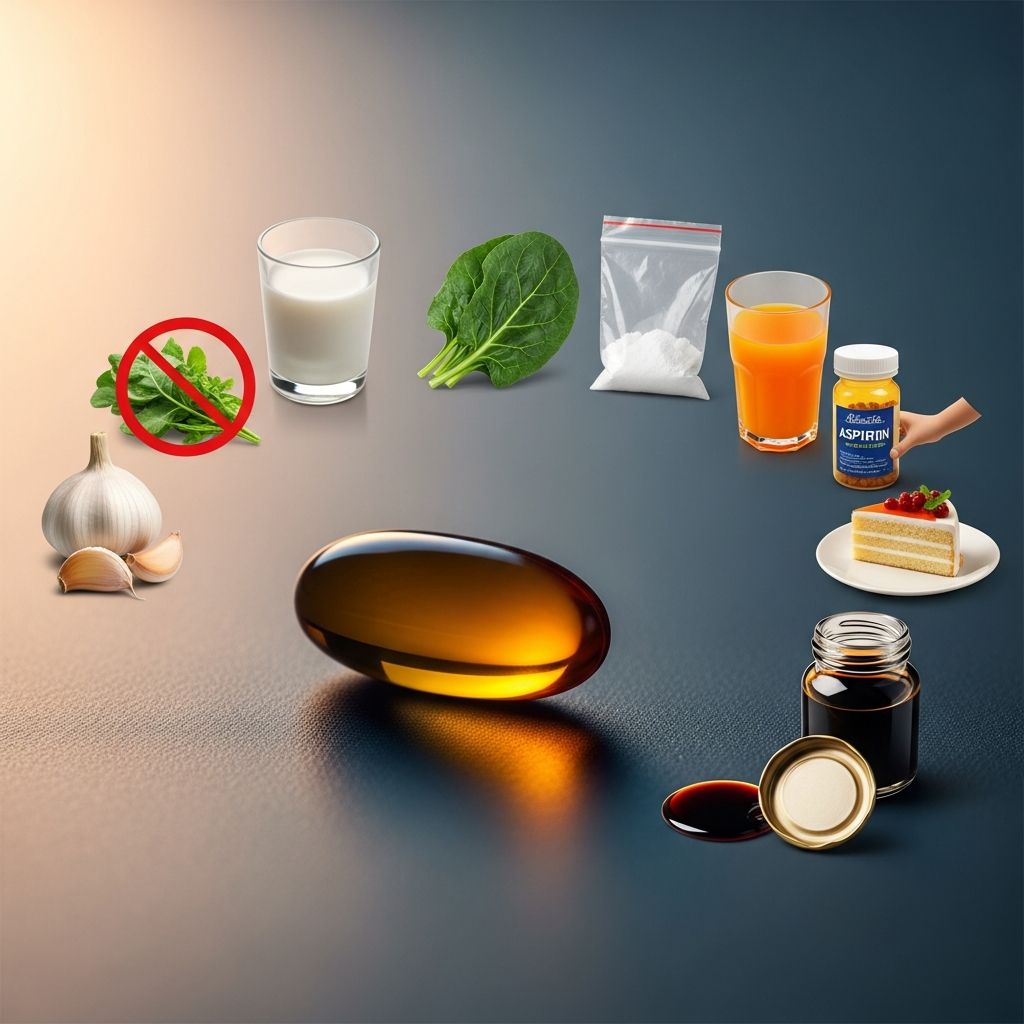
Fish oil supplements, rich in omega-3 fatty acids like EPA and DHA, support heart health, reduce inflammation, and lower triglycerides. However, they can interact with certain medications, supplements, and foods, potentially amplifying effects or causing harm like increased bleeding risk. Always consult a healthcare provider before combining fish oil with other substances.
What Is Fish Oil?
Fish oil derives from fatty fish such as salmon, mackerel, and trout, providing essential omega-3s that the body cannot produce. These fatty acids aid muscle function, cell growth, and reduce inflammation. Supplements are available in capsules, liquids, or pills, often used for high triglycerides or rheumatoid arthritis. While dietary fish twice weekly lowers heart disease risk, supplements show mixed heart benefits but strong triglyceride reduction.
Potential Side Effects of Fish Oil
Generally safe at recommended doses, fish oil may cause mild issues like fishy aftertaste, bad breath, heartburn, nausea, diarrhea, or rash. High doses elevate bleeding and stroke risk, particularly for those with seafood allergies—use under medical supervision. Omega-3s compete with other fatty acids, influencing eicosanoid balance toward less inflammation.
1. Blood Thinners (Anticoagulants and Antiplatelets)
Fish oil reduces blood clotting, so combining with anticoagulants like warfarin or antiplatelets like aspirin heightens bleeding risk, including bruising, nosebleeds, or internal hemorrhage. Mayo Clinic warns this interaction is significant; monitor closely or adjust doses with a doctor. Studies confirm omega-3s prolong bleeding time, especially at high intakes.
- Examples: Warfarin (Coumadin), heparin, clopidogrel (Plavix), aspirin.
- Risk: Excessive bleeding, stroke in rare cases.
- Advice: Regular blood tests (INR) needed; consider dose spacing.
2. Blood Pressure Medications
Fish oil modestly lowers blood pressure, particularly in those with hypertension. Pairing with antihypertensives like ACE inhibitors or beta-blockers may cause hypotension, leading to dizziness or fainting. Evidence shows greater effects in moderate-to-severe cases. NIH notes omega-3s enhance vascular relaxation.
- Examples: Lisinopril, metoprolol, amlodipine.
- Risk: Low blood pressure symptoms.
- Advice: Monitor BP regularly; start low fish oil doses.
3. Oral Contraceptives
Some birth control pills interfere with fish oil’s triglyceride-lowering effects, reducing efficacy. Hormonal contraceptives may alter lipid metabolism, countering omega-3 benefits. Limited data exists, but caution is advised for women on these managing cholesterol.
- Examples: Ethinyl estradiol combined pills.
- Risk: Diminished lipid benefits.
- Advice: Discuss alternatives or timing with provider.
4. Orlistat (Weight-Loss Drug)
Orlistat (Xenical, Alli) blocks fat absorption, including fish oil’s omega-3s, reducing their bioavailability. Mayo Clinic recommends separating intake by two hours. This interaction limits supplement effectiveness for weight management or heart health.
- Risk: Poor omega-3 absorption, GI side effects.
- Advice: Time doses apart; monitor fat-soluble vitamin levels.
5. Vitamin E Supplements
Fish oil depletes vitamin E, an antioxidant protecting omega-3s from oxidation. High-dose combinations may lead to deficiency, impairing benefits and raising oxidative stress. Balance is key for supplement users.
- Risk: Reduced antioxidant protection.
- Advice: Choose fish oil with added vitamin E; test levels periodically.
Related Stories



6. Other Omega-6 Heavy Foods or Oils
Omega-6 fatty acids (from vegetable oils like corn or soy) compete with omega-3s for absorption and metabolism. Excessive omega-6 skews the ratio, promoting inflammation despite fish oil. Aim for 4:1 omega-6 to omega-3 ratio.
- Examples: Fried foods, processed snacks.
- Advice: Prioritize olive oil, nuts in moderation.
7. High-Dose Herbal Blood Thinners
Herbs like garlic, ginkgo, or ginger thin blood similarly to fish oil, compounding bleeding risks. Natural doesn’t mean safe; interactions mirror pharmaceuticals.
- Examples: Turmeric (high doses), evening primrose oil.
- Advice: List all supplements for doctor review.
8. Statins or Other Cholesterol Drugs (Potential Interaction)
While fish oil complements statins for triglycerides, high doses may affect LDL slightly adversely. Mineral oil placebos in trials interfered with statins, highlighting absorption issues. Monitor lipids closely.
- Examples: Atorvastatin (Lipitor).
- Advice: Coordinate with lipid panel tests.
Who Should Avoid Fish Oil?
Pregnant individuals, those pre-surgery (stop 2 weeks prior), or with bleeding disorders should avoid or use cautiously. Seafood-allergic people may react; opt for algae-based omega-3s.
Safe Dosing and Best Practices
NIH recommends 250-500mg EPA+DHA daily from diet/supplements. For triglycerides, up to 4g under supervision. Store cool, take with meals to minimize GI upset. Prioritize food sources: 8oz fatty fish weekly.
| Condition | Evidence for Fish Oil | Dose Guidance |
|---|---|---|
| High Triglycerides | Strong reduction | 2-4g EPA+DHA |
| High BP | Modest benefit | 2-3g daily |
| Rheumatoid Arthritis | Reduces pain/stiffness | 2.6g daily |
| Heart Disease Prevention | Limited supplement benefit | Dietary fish preferred |
Frequently Asked Questions (FAQs)
Can I take fish oil with ibuprofen?
Occasional use is usually fine, but chronic NSAID use with fish oil raises bleeding risk. Consult a doctor.
Does fish oil interact with antidepressants?
No major interactions noted, but omega-3s may augment mood benefits. Monitor with SSRIs.
Is fish oil safe before surgery?
Stop 2 weeks prior due to bleeding risk.
Can I mix fish oil with multivitamins?
Generally yes, but check vitamin E/A levels to avoid excess.
What if I’m vegan—alternatives?
Algal oil provides vegan EPA/DHA without fish interactions.
Fish oil’s benefits outweigh risks for most when used mindfully. Personalized advice from healthcare pros ensures safety amid interactions.
References
- Fish oil – Mayo Clinic — Mayo Clinic Staff. 2023-10-12. https://www.mayoclinic.org/drugs-supplements-fish-oil/art-20364810
- Omega-3 Fatty Acids – Health Professional Fact Sheet — Office of Dietary Supplements, NIH. 2023-07-20. https://ods.od.nih.gov/factsheets/Omega3FattyAcids-HealthProfessional/
Similar Articles








Read full bio of medha deb