Morning Habits For Chronic Inflammation: 7 Simple Steps
Start your day with these 7 science-backed morning habits to combat chronic inflammation and boost long-term health.
Chronic inflammation silently contributes to conditions like heart disease, diabetes, arthritis, and more. Starting your day with intentional habits can help lower inflammation levels, improve energy, and support overall wellness. These seven morning practices, drawn from expert dietary and lifestyle recommendations, focus on hydration, nutrition, movement, and stress management to set a positive tone for the rest of your day.
What Is Chronic Inflammation?
Chronic inflammation is a prolonged immune response where the body remains in a heightened state of alert, damaging tissues over time. Unlike acute inflammation, which heals injuries, chronic forms persist due to factors like poor diet, stress, lack of sleep, and sedentary lifestyles. It underlies many diseases, including cardiovascular issues and autoimmune disorders. Morning routines targeting root causes—such as oxidative stress and gut imbalance—can mitigate this effectively.
1. Drink Water First Thing
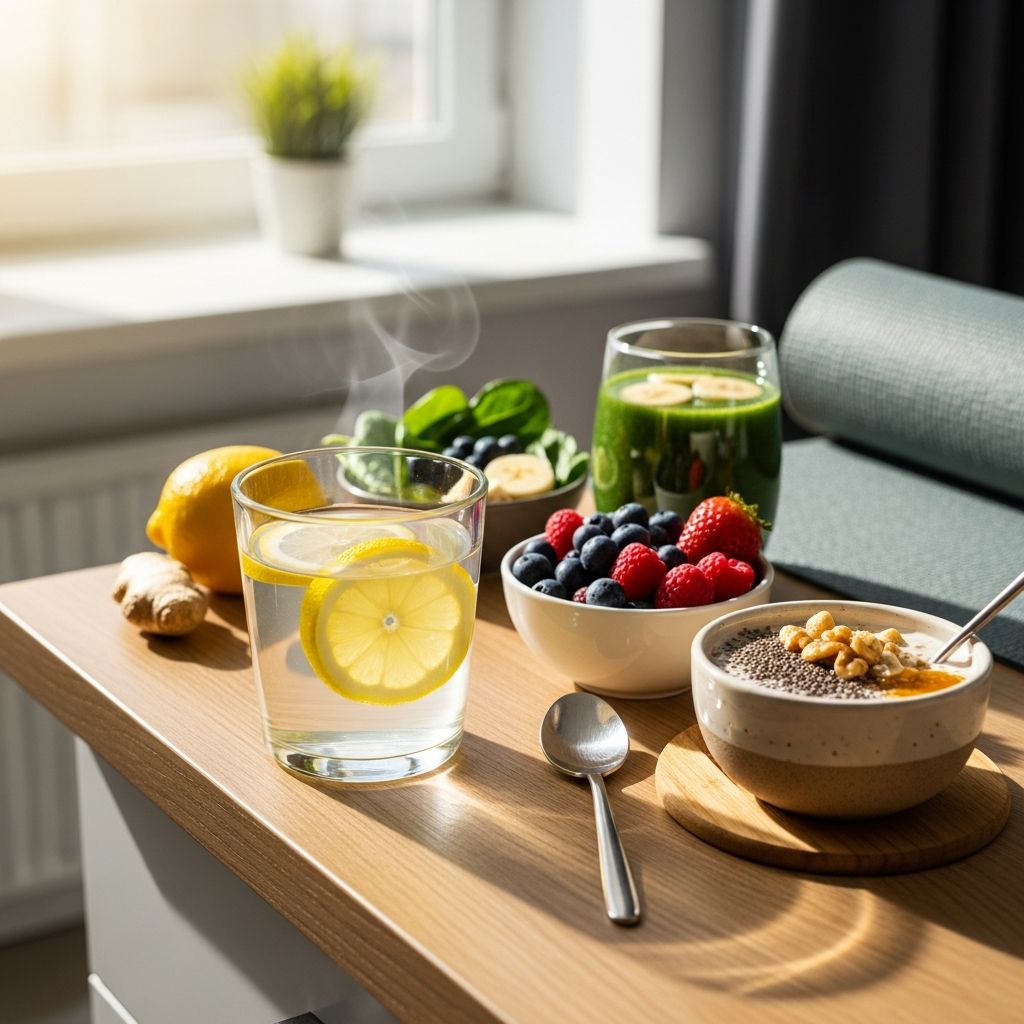
Upon waking, your body is mildly dehydrated after hours without fluids. Rehydrating immediately kickstarts metabolism, flushes toxins, and reduces inflammatory cytokines. Aim for 16-20 ounces of room-temperature water, optionally with lemon for vitamin C and antioxidants that combat free radicals.
- Why it helps: Dehydration exacerbates inflammation; proper hydration supports lymphatic drainage and kidney function.
- Pro tip: Add a pinch of Himalayan salt for electrolytes if you exercise early.
Studies emphasize hydration’s role in maintaining gut health, where much inflammation originates. Make this a non-negotiable: keep a glass by your bed.
2. Get Morning Sunlight Exposure
Expose yourself to natural sunlight within 30 minutes of waking. Even 10-15 minutes outdoors regulates circadian rhythms, boosts vitamin D production, and lowers inflammatory markers like C-reactive protein (CRP).
- Vitamin D deficiency links to higher inflammation; morning light suppresses melatonin and enhances serotonin for mood stability.
- Practical steps: Step onto your porch, walk the dog, or sit by a window with direct sun.
This habit aligns your body’s clock, improving sleep quality later—crucial since poor sleep fuels inflammation.
3. Do Gentle Movement or Stretching
Avoid intense workouts first thing; opt for 10-15 minutes of yoga, walking, or dynamic stretches. This increases blood flow, reduces stiffness, and releases anti-inflammatory myokines from muscles.
- Benefits: Low-impact movement lowers cortisol while elevating endorphins.
- Sample routine: Cat-cow poses, sun salutations, or a brisk neighborhood stroll.
Movement enhances insulin sensitivity, preventing blood sugar spikes that trigger inflammation.
4. Practice Breathwork or Meditation
Spend 5-10 minutes on deep breathing or mindfulness meditation. Techniques like 4-7-8 breathing (inhale 4 seconds, hold 7, exhale 8) activate the parasympathetic nervous system, slashing stress hormones that drive chronic inflammation.
- Chronic stress elevates cortisol, promoting inflammatory pathways.
- Apps or guided sessions make it accessible; consistency rewires the brain for resilience.
Research shows mindfulness reduces interleukin-6, a key inflammatory marker.
5. Eat an Anti-Inflammatory Breakfast
Break your fast with nutrient-dense foods rich in fiber, omega-3s, and polyphenols. Skip sugary cereals; choose options that stabilize blood sugar and nourish the gut microbiome.
Related Stories



| Anti-Inflammatory Breakfast Ideas | Key Benefits | Prep Time |
|---|---|---|
| Overnight oats with berries, chia seeds, and walnuts | High fiber, omega-3s, antioxidants | 5 min (prep night before) |
| Green smoothie: spinach, banana, flaxseeds, almond milk | Gut-supporting fiber, vitamins | 5 min |
| Avocado toast on whole-grain bread with eggs | Healthy fats, protein for satiety | 10 min |
| Greek yogurt parfait with nuts and cinnamon | Probiotics, blood sugar control | 3 min |
Incorporate fruits and vegetables (aim for 6 half-cup servings daily), high-fiber carbs like oats and quinoa, and omega-3 sources such as chia or walnuts to reduce inflammation. Avoid processed foods, added sugars, and excessive omega-6 fats.
6. Incorporate Anti-Inflammatory Beverages
Follow water with green tea, turmeric-ginger shots, or herbal infusions. These deliver polyphenols and curcumin, potent anti-inflammatories that inhibit NF-kB pathways.
- Green tea: Rich in EGCG, reduces oxidative stress.
- Golden milk (turmeric, black pepper, plant milk): Enhances curcumin absorption.
- Limit coffee to one cup; excess can spike cortisol.
Spices like ginger, turmeric, and cinnamon add flavor and function.
7. Prioritize Gratitude or Journaling
End your routine with 3-5 minutes of gratitude practice or journaling. This shifts mindset from stress to positivity, lowering inflammatory biomarkers over time.
- Write three things you’re thankful for or intentions for the day.
- Evidence: Gratitude practices correlate with reduced CRP levels.
This fosters emotional resilience, complementing physical habits.
Why Morning Matters for Inflammation Control
Mornings set metabolic and hormonal tones. Consistent routines compound benefits: better gut health from fiber-rich starts, hormonal balance from light and breathwork, and sustained energy sans crashes. Track progress with a journal noting energy, pain, or mood. Consult a doctor for personalized advice, especially with conditions like arthritis.
Consistency trumps perfection—the whole diet and lifestyle pattern matters more than single actions. Pair with full-day habits: more plants, less processed foods, adequate sleep.
Frequently Asked Questions (FAQs)
What causes chronic inflammation?
Factors include poor diet (high sugar/processed foods), stress, inactivity, smoking, and gut dysbiosis. Lifestyle changes address most root causes.
How long until I notice benefits?
Many feel more energy in days; inflammation markers may drop in 2-4 weeks with consistency.
Can these habits cure inflammation?
No, but they significantly reduce it. Combine with medical treatment for underlying conditions.
Is coffee inflammatory?
Moderate amounts (1-2 cups) are fine; excess or additives like sugar can promote inflammation. Opt for green tea alternatives.
What if I can’t do all seven?
Start with 2-3 (e.g., water, movement, breakfast). Build gradually for sustainability.
References
- 9 Healthy Eating Tips That Can Help Reduce Inflammation — UC Davis Health, Good Food blog. 2023-11-01. https://health.ucdavis.edu/blog/good-food/9-healthy-eating-tips-that-can-help-reduce-inflammation/2023/11
- #066 Anti-inflammatory Food Diet for Chronic Inflammation — Dr. Andrea Furlan, YouTube. 2021-10-17. https://www.youtube.com/watch?v=Wu_A29KXEjY
- Chronic Inflammation — National Institutes of Health (NIH), MedlinePlus. 2024-05-15. https://medlineplus.gov/chronicinflammation.html
- Vitamin D and Inflammation — Harvard T.H. Chan School of Public Health. 2023-08-20. https://www.hsph.harvard.edu/nutritionsource/vitamin-d/
- Mindfulness and Inflammation — American Psychological Association (APA). 2022-07-12. https://www.apa.org/monitor/2022/07/ce-corner-mindfulness
Similar Articles








Read full bio of Sneha Tete