Things You Might Not Know About Cleidocranial Dysplasia
Discover surprising facts about cleidocranial dysplasia, from absent collarbones to dental challenges and lifelong management strategies.
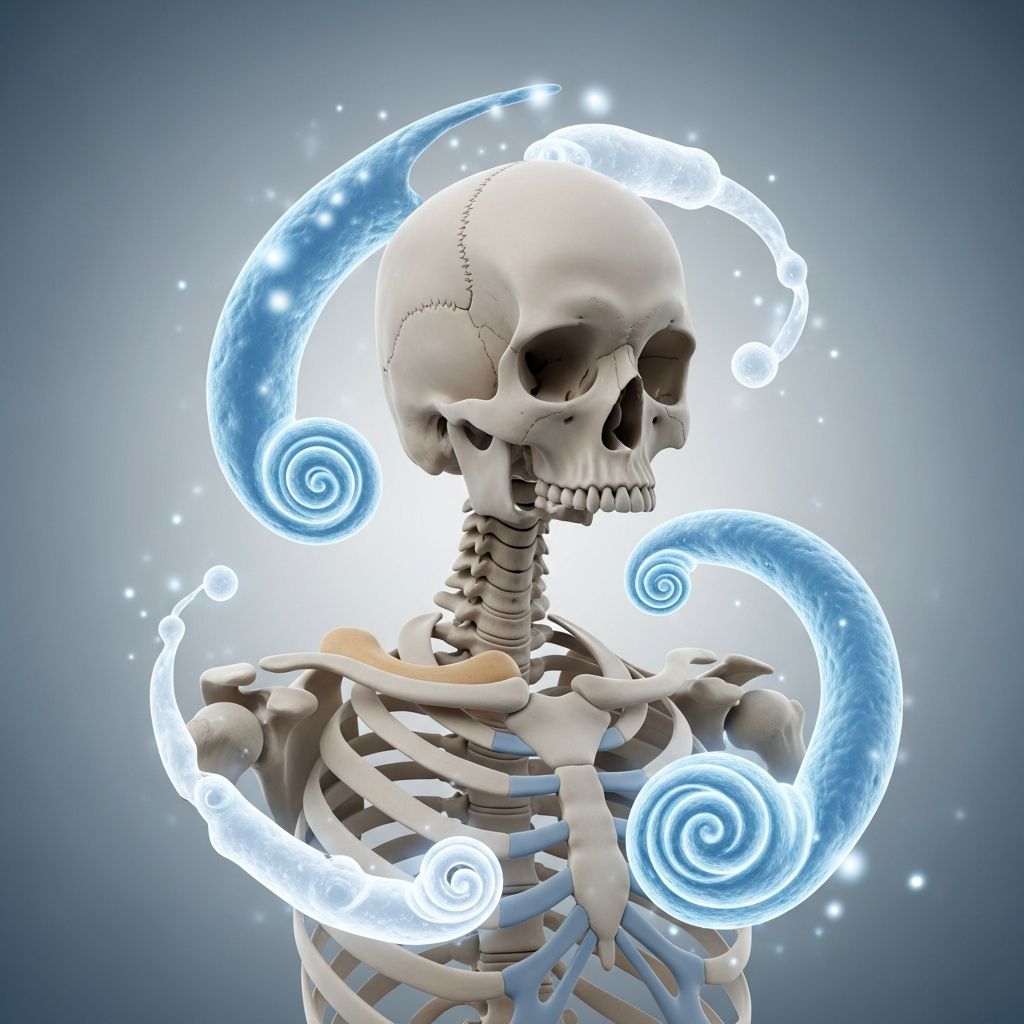
Cleidocranial dysplasia (CCD), also known as cleidocranial dysostosis, is a rare genetic disorder that primarily impacts bone and dental development. Affecting approximately 1 in 1 million births, CCD leads to distinctive physical traits such as absent or underdeveloped collarbones (clavicles), delayed skull bone closure, and numerous dental anomalies. While intelligence remains unaffected, the condition presents unique challenges that require lifelong multidisciplinary care.
What is cleidocranial dysplasia?
Cleidocranial dysplasia arises from abnormal bone formation, particularly in the skull, clavicles, pelvis, and teeth. The hallmark feature is the partial or complete absence of collarbones, allowing individuals to approximate their shoulders together in front of the chest—a trait often demonstrated in clinical settings. Other skeletal manifestations include short stature, delayed closure of fontanelles (soft spots on the skull), and the presence of extra bone fragments called Wormian bones within skull sutures.
The condition’s name derives from Greek roots: “kleis” (clavicle), “kranion” (skull), and “dysplasia” (abnormal development). Symptoms vary widely; some individuals exhibit mild features, while others face severe skeletal and dental issues. Diagnosis is often confirmed through clinical examination, X-rays, and genetic testing for mutations in the RUNX2 gene.
How common is cleidocranial dysplasia?
CCD is exceedingly rare, occurring in about 1 per 1,000,000 live births worldwide. Its low prevalence means many healthcare providers may encounter only a handful of cases in their careers, often leading to delayed diagnosis until distinctive features become apparent in infancy or childhood. Familial cases follow an autosomal dominant inheritance pattern, meaning a 50% chance of transmission from an affected parent. Around 60-80% of cases arise from new (de novo) mutations, with no family history.
Global registries and studies highlight no strong ethnic or geographic predisposition, though increased awareness from media portrayals—such as the character on the TV show Stranger Things—has boosted recognition.
Symptoms of cleidocranial dysplasia
The clinical presentation of CCD is diverse, affecting multiple systems. Craniofacial features dominate early signs:
- Skull abnormalities: Delayed closure of fontanelles and sutures, persistent soft spots into adulthood, prominent forehead (bossing), wide skull with a large head circumference.
- Clavicular defects: Hypoplastic (underdeveloped), aplastic (absent), or asymmetric collarbones, resulting in narrow, sloping shoulders and enhanced shoulder mobility.
- Dental issues: Delayed or failed eruption of permanent teeth, supernumerary (extra) teeth, enamel hypoplasia, cysts around unerupted teeth, high-arched or cleft palate.
Skeletal involvement extends beyond the clavicles:
- Short stature due to delayed bone ossification.
- Narrow pelvis and pubic bones, potentially complicating childbirth (higher C-section rates).
- Thoracic deformities, loose joints, short forearms/fingers, scoliosis, genu valgum (knock-knees), pes planus (flat feet), and coxa valga (hip malformation).
Non-skeletal complications include recurrent ear/sinus infections, hearing loss, sleep apnea from craniofacial underdevelopment, and reduced bone density increasing fracture risk.
Causes of cleidocranial dysplasia
CCD is predominantly caused by heterozygous mutations in the RUNX2 gene on chromosome 6p21. This gene encodes a transcription factor essential for osteoblast differentiation and osteogenesis—the process converting cartilage to bone. Mutations reduce RUNX2 protein function, disrupting bone, cartilage, and tooth development. Approximately 70-80% of cases link to RUNX2 variants; the remaining 20-30% may involve other unidentified genes or regulatory elements.
Related Stories



Inheritance is autosomal dominant: one mutated copy suffices for the phenotype. De novo mutations account for most sporadic cases. Rarely, large deletions encompassing RUNX2 and adjacent genes can cause additional features like developmental delay. Differential diagnoses include mandibuloacral dysplasia (joint limitations, skin atrophy) and Hajdu-Cheney syndrome (acro-osteolysis, ulcers).
Diagnosis of cleidocranial dysplasia
Diagnosis combines clinical findings, radiographic imaging, and genetic confirmation. Prenatal ultrasound may detect absent clavicles or skull anomalies. Postnatally, X-rays reveal characteristic clavicle absence, delayed ossification, and dental crowding.
| Diagnostic Feature | Description | Imaging Modality |
|---|---|---|
| Clavicle hypoplasia/aplasia | Absent or partial collarbones | Chest X-ray |
| Fontanelle/suture patency | Persistent open skull soft spots | Skull X-ray |
| Wormian bones | Intra-sutural bone fragments | Skull X-ray |
| Supernumerary teeth | Extra unerupted teeth | Dental panoramic X-ray |
| RUNX2 mutation | Pathogenic variant confirmation | Genetic sequencing |
Genetic counseling is crucial for families to assess recurrence risks.
Treatment and management
No cure exists for CCD; management is symptomatic and multidisciplinary, involving orthopedics, dentistry, ENT, genetics, and speech therapy. Early intervention optimizes outcomes.
- Cranial protection: Helmets for open fontanelles to prevent head injuries during high-risk activities.
- Dental care: Orthodontics, extractions of supernumerary teeth, implants, or prosthetics to facilitate eruption and alignment.
- Orthopedic interventions: Surgery for severe scoliosis, hip/knee deformities, or fractures; bone density monitoring with bisphosphonates if osteopenia present.
- ENT management: Tympanostomy tubes for recurrent otitis media, hearing aids, sinus treatments.
- Other: Speech therapy for palate issues, CPAP for sleep apnea, obstetric planning for deliveries.
Regular follow-ups ensure timely addressing of complications. Life expectancy is normal with proper care.
Living with cleidocranial dysplasia
Individuals with CCD lead fulfilling lives, often excelling professionally and personally. The ability to touch shoulders together can be a parlor trick, but challenges like dental pain, infections, and mobility issues require resilience. Support groups like the Cleidocranial Dysplasia Support Foundation provide resources.
Pregnancy considerations include C-section recommendations due to pelvic narrowing. Bone health monitoring prevents osteoporosis. Psychosocial support addresses body image concerns from distinctive features.
Research and future directions
Ongoing research explores RUNX2-targeted therapies to enhance osteoblast function, though none are clinically available yet. Gene therapy and small-molecule activators show promise in preclinical models. Clinical trials focus on dental regeneration and skeletal strengthening.
Frequently Asked Questions (FAQs)
Q: Does cleidocranial dysplasia affect intelligence?
A: No, cognitive development and intelligence are typically normal in individuals with CCD.
Q: Can people with CCD have children naturally?
A: Vaginal delivery is possible but riskier due to narrow pelvis; C-sections are often recommended.
Q: Is surgery always needed for dental problems?
A: Not always, but extractions and orthodontics are common to manage supernumerary teeth and promote proper eruption.
Q: What is the prognosis for CCD?
A: Excellent with multidisciplinary care; normal life expectancy, though lifelong monitoring is essential.
Q: How is CCD inherited?
A: Autosomal dominant; 50% risk from affected parent, or de novo mutations.
References
- Cleidocranial Dysplasia – Symptoms, Causes, Treatment — National Organization for Rare Disorders (NORD). 2023-10-01. https://rarediseases.org/rare-diseases/cleidocranial-dysplasia/
- Cleidocranial Dysplasia: Symptoms, Causes, Treatment & Outlook — Cleveland Clinic. 2024-05-15. https://my.clevelandclinic.org/health/diseases/24090-cleidocranial-dysplasia
- Cleidocranial Dysplasia — MedlinePlus Genetics (U.S. National Library of Medicine). 2024-08-20. https://medlineplus.gov/genetics/condition/cleidocranial-dysplasia/
- Cleidocranial Dysostosis — Florida Health Finder (healthfinder.fl.gov). 2023-01-12. https://quality.healthfinder.fl.gov/health-encyclopedia/HIE/1/001589
- Cleidocranial Dysplasia (CCD) — AboutKidsHealth.ca. 2024-02-28. https://www.aboutkidshealth.ca/cleidocranial-dysplasia-ccd
Similar Articles








Read full bio of Sneha Tete