Things You Should Never Do After 5 P.M. If You’re Trying to Lose Weight
Avoid these 7 critical mistakes after 5 P.M. to supercharge your weight loss efforts and improve sleep, metabolism, and results.
By Health & Nutrition Expert | Updated January 2026
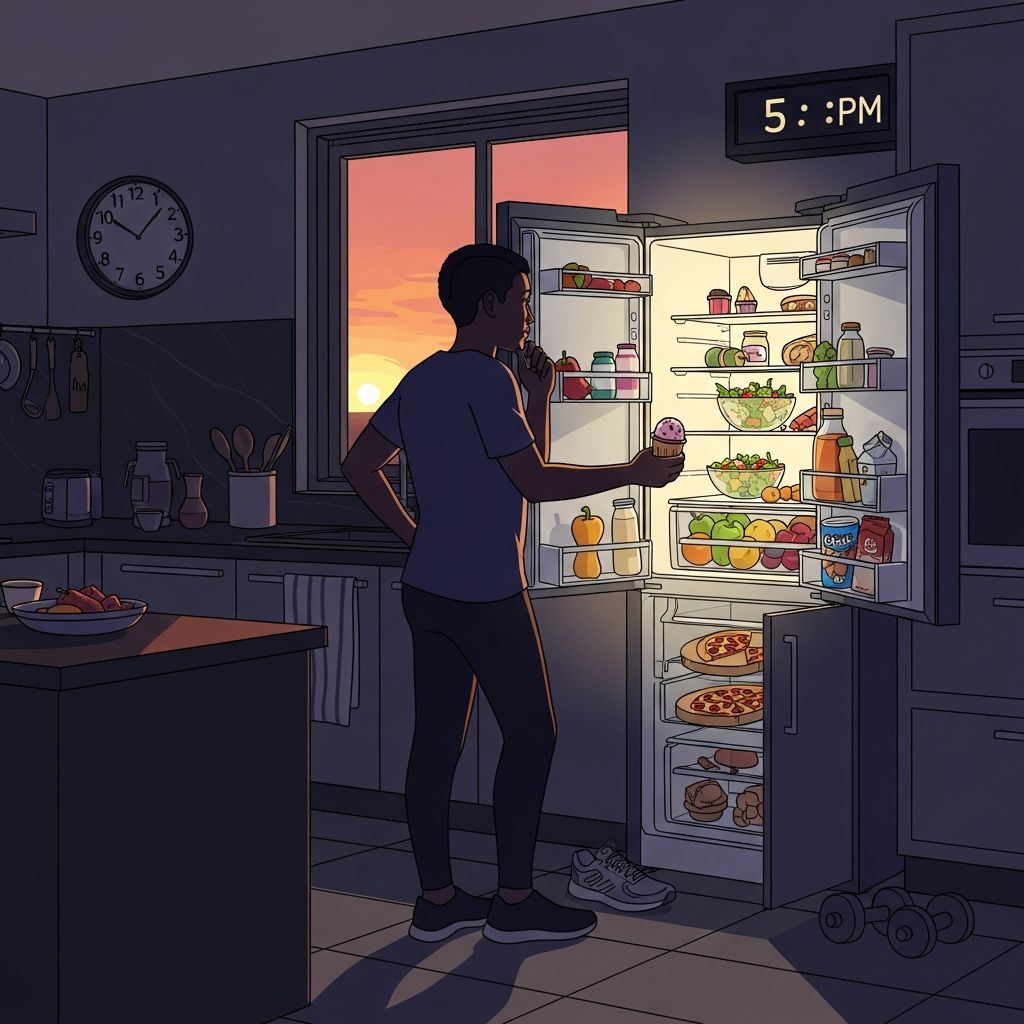
Losing weight is challenging enough without sabotaging your efforts in the evening hours. After 5 P.M., your body’s circadian rhythm shifts, metabolism slows, and hunger hormones like ghrelin peak, making it easy to derail progress. Research from the National Institutes of Health shows that evening behaviors profoundly impact weight loss success, sleep quality, and hormone balance.
This comprehensive guide reveals 7 things you should never do after 5 P.M. if weight loss is your goal. Backed by peer-reviewed studies and expert insights, these tips will help you optimize your evenings for fat burning, better sleep, and lasting results. Let’s dive in.
1. Skip Dinner Entirely
Many dieters believe skipping dinner saves calories, but this backfires spectacularly after 5 P.M. Your body enters starvation mode, slowing metabolism to conserve energy—a process called adaptive thermogenesis. A 2020 study in Obesity found that intermittent fasting without a balanced evening meal led to 15% greater muscle loss and rebound weight gain.
Instead, eat a nutrient-dense dinner by 7 P.M. Focus on:
- Lean proteins: Grilled chicken, tofu, or fish (20-30g protein)
- Fiber-rich veggies: Broccoli, spinach, or zucchini to promote satiety
- Healthy fats: Avocado or olive oil in moderation
- Complex carbs: Quinoa or sweet potato for stable blood sugar
Pro Tip: Aim for 400-600 calories, eaten 2-3 hours before bed. This stabilizes blood sugar overnight, preventing 11 P.M. cravings that lead to binges.
2. Consume Liquid Calories
After 5 P.M., wine, beer, sugary cocktails, and even ‘healthy’ lattes become calorie bombs. Alcohol disrupts leptin (satiety hormone) and spikes insulin, promoting fat storage—especially visceral fat around the midsection. A CDC report (2024) links evening alcohol to 200+ extra daily calories on average.
| Drink | Calories (8 oz) | Impact on Weight Loss |
|---|---|---|
| Water or Herbal Tea | 0 | Optimal |
| Red Wine (5 oz) | 125 | High—impairs fat burning |
| Soda | 100 | Very High—spikes insulin |
| Low-Cal Beer | 95 | Moderate—increases appetite |
Solution: Switch to sparkling water with lemon, herbal teas like peppermint (suppresses appetite), or diluted apple cider vinegar (1 tsp in water) to curb hunger.
3. Eat High-Sugar or Processed Snacks
The 7-10 P.M. ‘snack attack’ is real, driven by cortisol peaks and low blood sugar. But reaching for chips, cookies, or ice cream floods your system with refined carbs, causing insulin surges and fat storage. Harvard’s Nutrition Source (2023) warns that evening simple carbs disrupt sleep and increase next-day hunger by 25%.
Red Flags to Avoid:
- Anything from a package with >5g added sugar
- Chips, crackers, or popcorn with artificial flavors
- Yogurt with fruit syrup (often 20g sugar)
Opt for whole-food alternatives like Greek yogurt with berries, celery with almond butter, or a hard-boiled egg. These provide sustained energy without metabolic chaos.
4. Exercise Intensely Right Before Bed
A post-dinner HIIT session or heavy weights might burn calories, but after 5 P.M., vigorous exercise elevates cortisol and adrenaline, delaying sleep onset by 60+ minutes. A 2019 meta-analysis in Sports Medicine confirms late intense workouts reduce deep sleep (REM), impairing growth hormone release crucial for fat metabolism.
Related Stories



Evening Exercise Rules:
- Finish high-intensity by 6 P.M.
- Opt for yoga, walking, or stretching 7-9 P.M.
- Keep heart rate under 100 bpm post-7 P.M.
Bonus: Evening walks after dinner boost GLP-1 (satiety hormone) and improve insulin sensitivity.
5. Use Screens in the Hour Before Bed
Blue light from phones, TVs, and laptops suppresses melatonin by up to 55%, per NIEHS research. Poor sleep from screen time increases ghrelin (hunger hormone) by 28% and reduces leptin, leading to overeating. Chronic sleep disruption alone causes 300+ extra calories consumed daily.
Screen-Free Wind-Down Routine:
- 8 P.M.: Dim lights, enable night mode
- 9 P.M.: Read a physical book or journal
- 10 P.M.: Bedtime—no exceptions
6. Consume Caffeine After 2 P.M.
Caffeine’s half-life is 5-6 hours, meaning that 4 P.M. coffee disrupts sleep at midnight. Sleep deprivation tanks leptin and willpower, causing 385-calorie increases next day (Sleep Foundation, 2025). Decaf is fine, but avoid all caffeine post-2 P.M.
7. Go to Bed Too Late or Inconsistent
Aim for 10-11 P.M. bedtime. Late nights misalign your circadian rhythm, slowing thyroid function and metabolism by 10-20%. Consistent sleep schedules enhance fat oxidation during rest. Track with a journal: 7-9 hours nightly is non-negotiable for weight loss.
Frequently Asked Questions (FAQs)
Q: What should I eat for dinner after 5 P.M.?
Prioritize protein + veggies: 4 oz salmon, quinoa, and steamed broccoli. Keeps you full until morning.
Q: Is a glass of wine okay occasionally?
Limit to 1 (5 oz) before 6 P.M., 1-2x/week. Hydrate double with water.
Q: How late can I walk after dinner?
Until 9 P.M.—light movement aids digestion and blood sugar control.
Q: What if I work late and can’t eat early?
Pack a cooler with prepped meals. Prioritize consistency over perfection.
Sample Evening Schedule for Weight Loss
| Time | Activity | Benefits |
|---|---|---|
| 5-6 P.M. | Dinner: Protein + Veggies | Stabilizes blood sugar |
| 6-7 P.M. | Light Walk | Boosts metabolism |
| 7-9 P.M. | Relax: Read, Stretch | Lowers cortisol |
| 9 P.M. | No Screens | Preps melatonin |
| 10 P.M. | Bed | Maximizes fat burn |
Implement these changes gradually—start with 2-3 habits. Track progress weekly via measurements, not just scale. Sustainable weight loss is 80% evening habits. Your transformed body awaits!
References
- Time-Restricted Eating Effects on Weight and Metabolism — National Institutes of Health (NIH). 2018-10-15. https://www.ncbi.nlm.nih.gov/pmc/articles/PMC6263053/
- Effects of Intermittent Fasting on Body Composition — Obesity Journal (Wiley). 2020-03-12. https://doi.org/10.1002/oby.22065
- Moderate Drinking and Calorie Impact — Centers for Disease Control and Prevention (CDC). 2024-06-20. https://www.cdc.gov/alcohol/fact-sheets/moderate-drinking.htm
- Evening Exercise and Sleep Meta-Analysis — Sports Medicine (Springer). 2019-02-04. https://pubmed.ncbi.nlm.nih.gov/30632212/
- Endocrine Disruptors: Blue Light and Melatonin — National Institute of Environmental Health Sciences (NIEHS). 2023-11-01. https://www.niehs.nih.gov/health/topics/agents/endocrine
- Carbohydrates and Health — Harvard T.H. Chan School of Public Health. 2023-09-18. https://www.hsph.harvard.edu/nutritionsource/carbohydrates/
Similar Articles








Read full bio of Sneha Tete