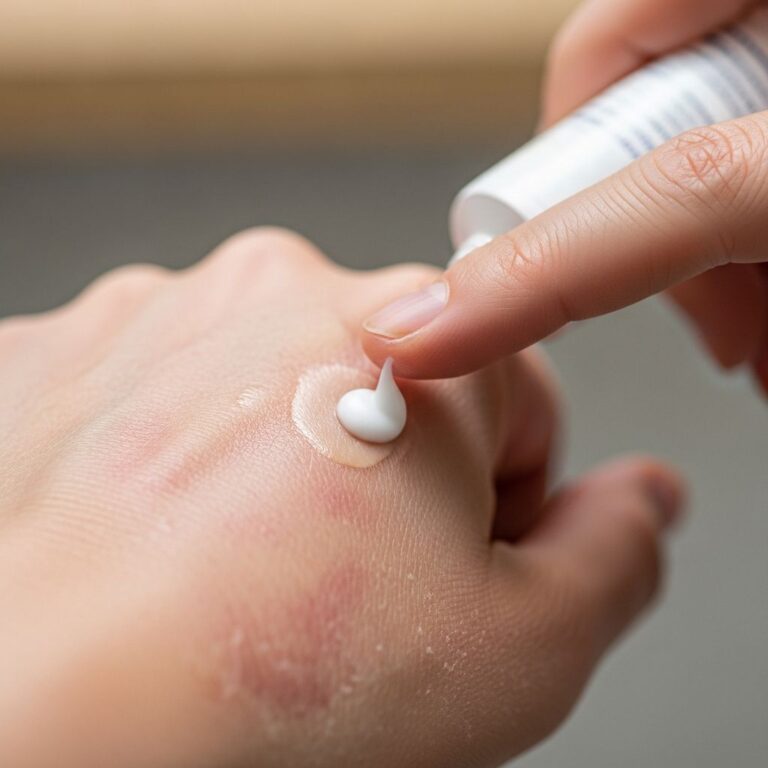
Thioguanine: Essential Guide To Uses, Dosing, Side Effects
Antimetabolite medication used off-label for severe psoriasis and registered for acute leukaemias in New Zealand.
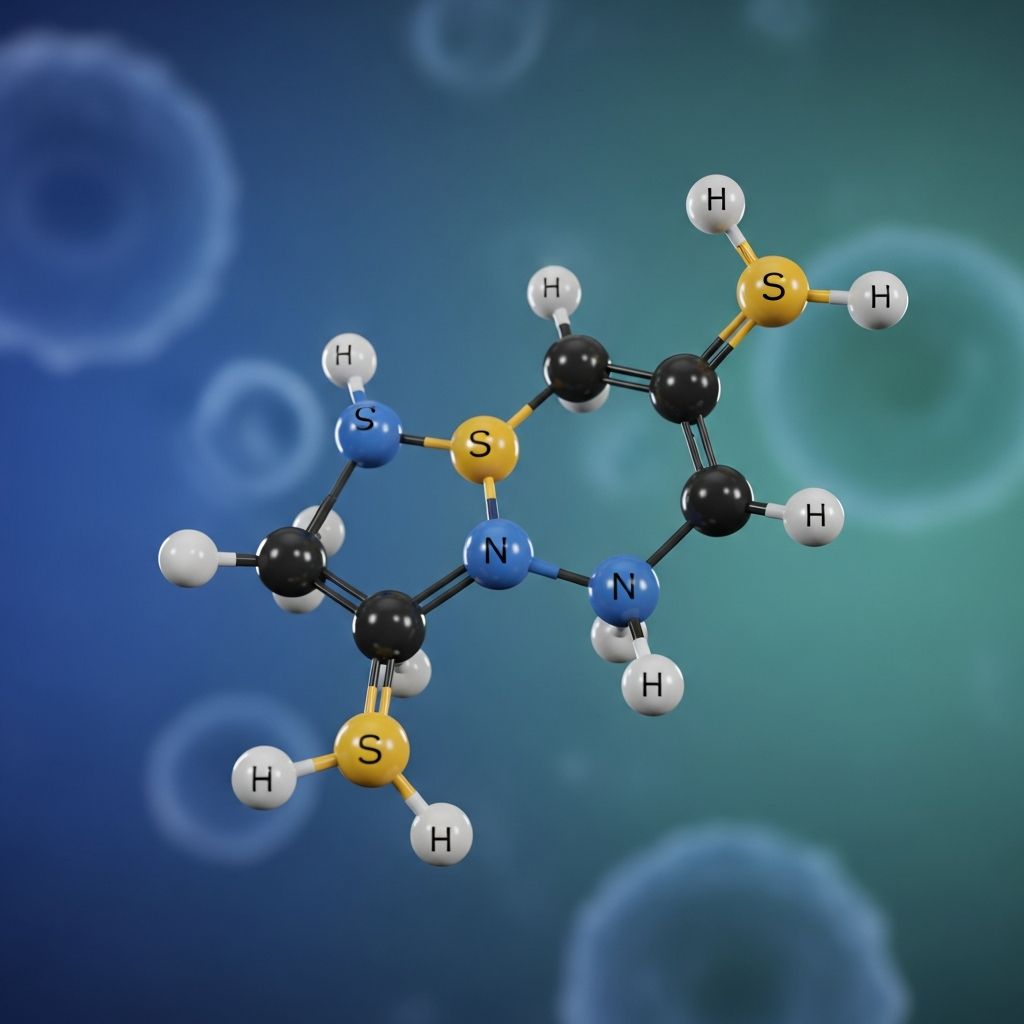
What is thioguanine?
Thioguanine, also spelled
tioguanine
or known as6-thioguanine (6-TG)
, belongs to a class of medications calledantimetabolites
. These drugs interfere with DNA and RNA synthesis by mimicking natural purine bases, thereby inhibiting cell proliferation, particularly in rapidly dividing cells like those in cancers or hyperproliferative skin conditions. In New Zealand, thioguanine is officially registered for treating certain cancers, primarilyacute leukaemias
such as acute myelogenous leukaemia (AML) and acute lymphoblastic leukaemia (ALL). Off-label, it has gained recognition for managingmoderate to severe psoriasis
, especially in cases recalcitrant to other therapies.Unlike related thiopurines like
azathioprine
and6-mercaptopurine (6-MP)
, thioguanine bypasses certain metabolic pathways that produce toxic metabolites such as methyl-thioinosine monophosphate (MeTIMP), potentially reducing adverse effects. This makes it a valuable option for patients intolerant to conventional thiopurines. Clinical evidence supports its efficacy in inflammatory bowel disease (IBD) and psoriasis, with low-dose regimens showing high drug survival rates.Who uses thioguanine?
Thioguanine is prescribed to:
- Patients with
acute leukaemias
(registered indication in New Zealand). - Individuals with
moderate to severe psoriasis
unresponsive to first-line treatments like topical therapies, phototherapy, or methotrexate (off-label use). - In some cases, patients with
inflammatory bowel disease (IBD)
, including Crohn’s disease and ulcerative colitis, particularly those intolerant to azathioprine or 6-MP. - Occasionally for other autoimmune or proliferative disorders under specialist supervision.
Clinical trials demonstrate that over
70% of psoriasis patients
experience improvement with thioguanine, either via daily or pulse dosing. In IBD, low-dose thioguanine shows superiordrug survival
compared to other thiopurines, with 86% of patients continuing treatment at 60 months versus 42% on 6-MP.How does thioguanine work?
Thioguanine acts as a
purine analogue
. Once metabolized intracellularly into6-thioguanine nucleotides (6-TGN)
, it is incorporated into DNA and RNA, disrupting nucleic acid synthesis and inducing apoptosis in susceptible cells. In psoriasis, it targets hyperproliferative keratinocytes; in leukaemia, it affects malignant haematopoietic cells.Key metabolic advantages include:
- Direct conversion to active 6-TGN without intermediate steps prone to toxicity (e.g., no MeTIMP accumulation).
- Potentially faster onset and better tolerability than azathioprine or 6-MP.
In psoriasis treatment, mechanisms may also involve immunomodulation, reducing T-cell activation and cytokine production.
Dosing regimens for thioguanine
For
psoriasis
(off-label):- Daily dosing: Start at
20 mg daily
for 4 weeks, increasing by 20 mg increments to80-120 mg daily
until response. - Pulse dosing: Preferred to minimize toxicity;
80 mg twice weekly
, increasing by 20 mg every 2-4 weeks to max160 mg three times weekly
.
For
IBD
(low-dose): 20 mg once or every second day (half of 40 mg tablets).For
leukaemia
: Higher doses per oncology protocols, often 60-100 mg/m² daily.| Condition | Regimen | Max Dose | Notes |
|---|---|---|---|
| Psoriasis (Daily) | 20 mg/day, titrate up | 120 mg/day | Monitor blood weekly |
| Psoriasis (Pulse) | 80 mg 2x/week, titrate | 160 mg 3x/week | Reduces marrow toxicity |
| IBD | 20 mg daily or EOD | Low-dose | High survival rate |
Monitoring for thioguanine
Strict monitoring is essential due to
bone marrow suppression
risk.- Blood counts: Full blood count (FBC) every
2-4 weeks
before and during therapy. Watch for anaemia, leucopenia, thrombocytopenia. - Liver function tests (LFTs): Baseline and regular; monitor for jaundice, hepatomegaly.
- 6-TGN levels: Median 364 pmol/8×10^8 RBCs in IBD patients.
- Mean corpuscular volume (MCV): Lower with thioguanine vs. other thiopurines.
- Uric acid: Monitor for hyperuricaemia; use allopurinol if needed.
Related Stories



Stop immediately at first sign of abnormality; effects may be delayed.
Side effects of thioguanine
The primary dose-limiting effect is
bone marrow toxicity
:- Anaemia (low haemoglobin)
- Leucopenia (low WBCs, infection risk)
- Thrombocytopenia (low platelets, bleeding risk)
Other effects:
- Hepatotoxicity: Jaundice, elevated LFTs, nodular regenerative hyperplasia.
- Hyperuricaemia: Gout, renal stones; prevent with hydration, allopurinol.
- Gastrointestinal: Nausea, vomiting (less common than other thiopurines).
- Infections: Due to immunosuppression.
- Rash, alopecia: Rare.
In psoriasis studies, pulse dosing reduces toxicity incidence. In IBD, thioguanine shows fewer discontinuations.
Precautions when taking thioguanine
- Avoid if pregnant/breastfeeding (teratogenic).
- Vaccinations: Live vaccines contraindicated.
- Infection/bleeding risk: Report fever, bruising, sore throat immediately.
- Drug interactions: Allopurinol increases toxicity; dose adjust.
- Sun protection: Increased skin cancer risk with long-term use.
- Alcohol: Limit to avoid liver strain.
Benefits of thioguanine in psoriasis
In recalcitrant psoriasis, thioguanine achieves significant clearing:
- >70% improvement in trials.
- Pulse regimens effective and safer than daily.
- Alternative for methotrexate-intolerant patients.
In IBD: Longer survival, similar efficacy to thiopurines.
Alternatives to thioguanine
| Drug/Class | Use | Pros | Cons |
|---|---|---|---|
| Methotrexate | Psoriasis | Well-established | Liver toxicity |
| Azathioprine/6-MP | Psoriasis/IBD | Oral | More side effects |
| Biologics (e.g., TNF inhibitors) | Psoriasis/IBD | Targeted | Costly, IV |
| Cyclosporine | Psoriasis | Rapid | Renal toxicity |
Frequently Asked Questions
What is thioguanine used for?
Primarily acute leukaemias; off-label for severe psoriasis and IBD.
Is thioguanine safe for long-term use?
With monitoring, yes, but risks include marrow suppression. Pulse dosing improves safety.
How soon does thioguanine work for psoriasis?
Response in weeks to months; titrate dose gradually.
Can thioguanine cause cancer?
Long-term immunosuppression raises skin cancer risk; regular checks needed.
What if I miss a dose?
Take as soon as remembered unless near next dose; consult doctor.
References
- The drug-survival of low-dose thioguanine in patients with inflammatory bowel disease — Al-Murashedi F, et al. PMC. 2024. https://pmc.ncbi.nlm.nih.gov/articles/PMC10880529/
- 6-Thioguanine in the Treatment of Psoriasis: A Case Report and Review of the Literature — Figueiredo FT, et al. Journal of Cutaneous Medicine and Surgery. 2002-11-01. https://journals.sagepub.com/doi/10.1177/120347540200600605
- Thioguanine – DermNet — DermNet NZ. 2003 (updated). https://dermnetnz.org/topics/thioguanine
- Pulse Dosing of Thioguanine in Recalcitrant Psoriasis — Zackheim HS, et al. JAMA Dermatology. 2000. https://jamanetwork.com/journals/jamadermatology/fullarticle/477790
- Thioguanine – LiverTox — National Center for Biotechnology Information. 2020 (updated 2023). https://www.ncbi.nlm.nih.gov/books/NBK548502/
- Azathioprine and mercaptopurine – DermNet — DermNet NZ. https://dermnetnz.org/topics/azathioprine-and-mercaptopurine
Similar Articles








Read full bio of Sneha Tete