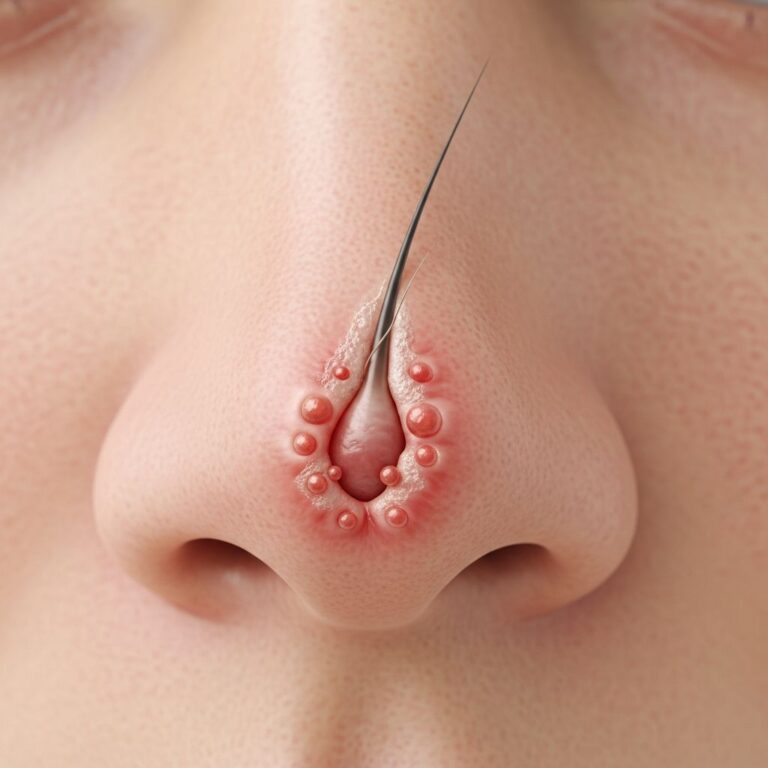
Thiomersal Allergy: Guide To Diagnosis, Treatment & Prevention
Understanding thiomersal allergy: symptoms, diagnosis via patch testing, treatment, and strategies for prevention in cosmetics, vaccines, and medical products.
Thiomersal, also known as thimerosal, is an organic compound containing mercury and thiosalicylate, widely used as an antiseptic preservative with bactericidal and fungicidal properties in various products. It prevents bacterial and fungal contamination in multi-dose vials of vaccines, eye drops, cosmetics, and pharmaceutical preparations. Although its use has declined due to mercury exposure concerns, thiomersal allergy remains relevant, particularly causing localised allergic contact dermatitis in sensitive individuals.
Introduction
Thiomersal has been employed since the 1930s as a preservative in biological products, cosmetics, and self-hygiene items to maintain sterility. Comprising approximately 50% mercury by weight, it effectively inhibits microbial growth but can trigger hypersensitivity reactions in some people. Reactions may stem from the mercury component, the thiosalicylate moiety, or both. Due to public health initiatives, many vaccines and products have been reformulated to be thiomersal-free, reducing exposure risks. However, it persists in certain multi-dose flu vaccines, antivenoms, and some eye, ear, and nose medications. This article details reactions, diagnosis, treatment, and prevention strategies for thiomersal allergy.
Reactions
Thiomersal allergy typically manifests as allergic contact dermatitis, characterised by
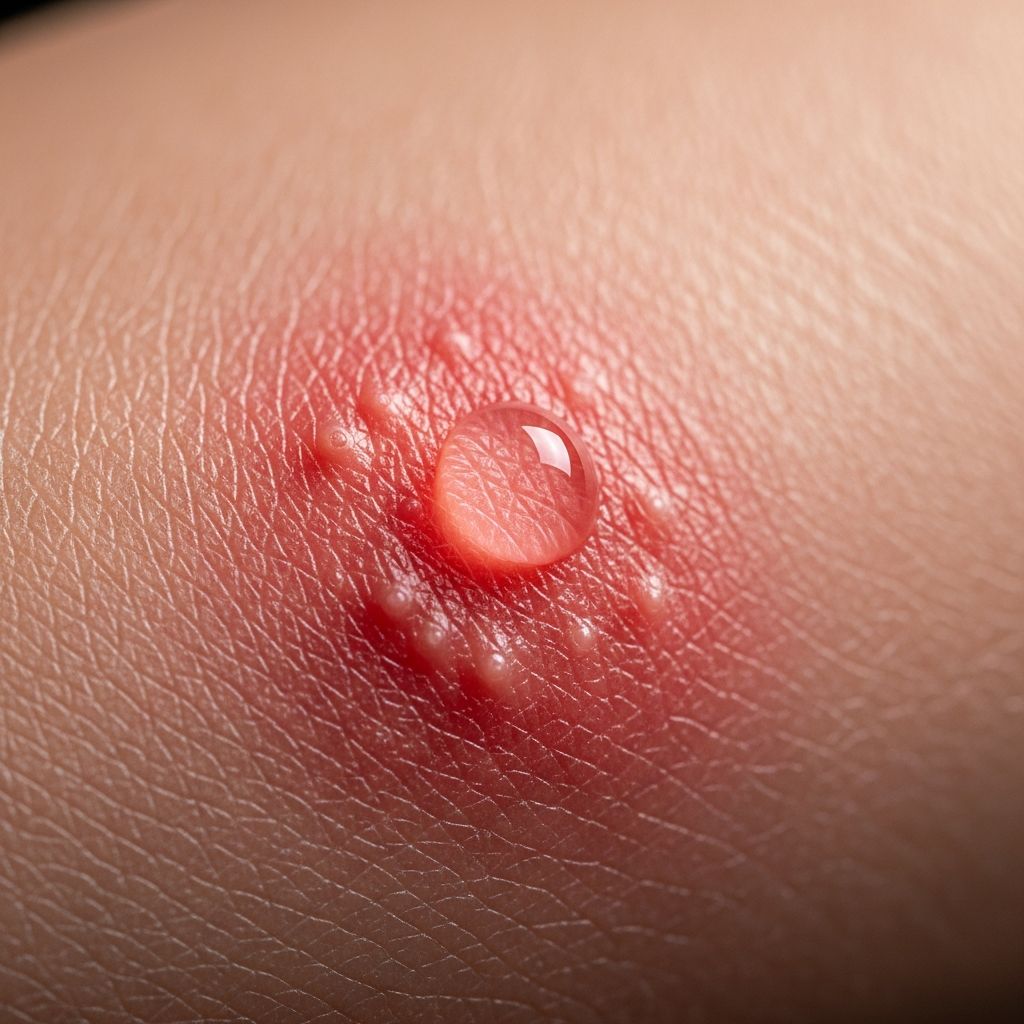
itchy red patches
on the skin at the site of exposure. Common symptoms include localised redness, swelling, itching, and discomfort, often appearing days after contact. In vaccine recipients, reactions present as inflammation at the injection site, resolving spontaneously within a few days in mild cases.Severe reactions may involve hives, fluid-filled blisters, or widespread dermatitis. Hypersensitivity can occur from topical applications like eye drops, mascara, contact lens solutions, or cosmetics, leading to eyelid or periocular dermatitis. Rarely, systemic symptoms such as dizziness or rapid heartbeat follow flu shots containing thiomersal, though these are exceptional. The CDC notes that minor local reactions like redness and swelling are the most frequent side effects, with true allergies being rare.
| Product Category | Examples | Common Reaction Sites |
|---|---|---|
| Biological Products | Vaccines (multi-dose flu vials), antivenom | Injection site (arm, thigh) |
| Cosmetics | Mascara, eye makeup | Eyelids, face |
| Pharmaceutical/Self-Hygiene | Eye/ear drops, contact lens solution | Eyes, periocular area |
Reactions vary by individual sensitivity; most are mild but can mimic other dermatoses, necessitating professional evaluation. No evidence links thiomersal to autism or neurodevelopmental issues, as confirmed by extensive research post-removal from childhood vaccines.
Diagnosis
Diagnosis of thiomersal allergy relies on clinical history, physical examination, and confirmatory
patch testing
with 0.1% thiomersal in aqueous solution. Patch tests involve applying small amounts of the allergen to the back under occlusive patches for 48 hours, followed by readings at 48-96 hours to detect delayed hypersensitivity. Positive reactions show erythema, induration, or vesicles, confirming contact allergy.Care is needed as thiomersal in antigen preparations for scratch or intradermal tests can yield false positives in mercury-sensitive patients. Providers may review exposure history—recent vaccines, eye products, or cosmetics—and perform differential tests to exclude irritants or other allergens. Blood tests are less common for contact allergies but may rule out systemic issues. Self-diagnosis is discouraged; consult a dermatologist for accurate patch testing.
- Patch Test Procedure: Apply 0.1% thiomersal; read at D2 and D4 (days 2 and 4).
- Positive Indicator: Itchy red patches, swelling, or blisters.
- False Positives: Possible in pre-sensitised individuals during allergy testing.
Treatment
Treatment for thiomersal-induced contact dermatitis focuses on
allergen avoidance
and symptomatic relief, mirroring acute eczema management. Once diagnosed, discontinue all thiomersal-containing products immediately. Apply potenttopical corticosteroids
(e.g., clobetasol) to reduce inflammation, itching, and redness, alongside emollients for barrier repair. Treat secondary bacterial infections (e.g., Staphylococcus aureus) with antibiotics if present.Related Stories



In severe or widespread cases, short-course systemic corticosteroids may be prescribed. Symptoms typically resolve within days to weeks with adherence. Sublingual immunotherapy (SLIT) is not standard for contact allergens like thiomersal, being more suited to inhalant allergies. Allergen immunotherapy (AIT) is rarely indicated but may be discussed for recurrent issues. Always seek medical advice for tailored regimens.
Prevention
Prevention is paramount:
avoid exposure to thiomersal-containing products
post-diagnosis. Read labels meticulously; thiomersal may appear as thimerosal, merthiolate, or ethyl(2-mercaptobenzoato-S) mercury sodium salt. Opt for thiomersal-free alternatives in vaccines, cosmetics, and medications—pharmacists can assist.Inform healthcare providers of your allergy; request thimerosal-free vaccines where available, though benefits of vaccination often outweigh mild reaction risks. For unavoidable exposures, weigh risks versus benefits with your doctor. Dermatologists may provide custom advice for highly sensitive patients. Vigilance with eye drops, contact solutions, and multi-dose injectables is crucial.
Alternative Names
- Thimerosal
- Merthiolate
- Mertiolate
- Ethyl(2-mercaptobenzoato-S) mercury sodium salt
Frequently Asked Questions
What is thiomersal used for?
Thiomersal serves as a preservative in vaccines, eye drops, cosmetics, and medical products to prevent bacterial and fungal growth.
Can thiomersal allergy cause severe reactions?
Most reactions are mild local dermatitis, but severe cases include hives or blisters; anaphylaxis is rare.
Do all vaccines contain thiomersal?
No, most childhood vaccines are thiomersal-free; it’s mainly in some multi-dose flu vials.
How reliable is patch testing for thiomersal?
Highly reliable at 0.1% concentration, though false positives occur in testing antigens.
Is thiomersal still in eye drops?
Usage has declined, but some products retain it; always check labels.
Further Information
For personalised advice, consult a dermatologist. Recent reformulations have minimised thiomersal exposure, but awareness remains key for allergy management. Ongoing research affirms vaccine safety sans thiomersal.
References
- Thimerosal Allergy: Detection, Diagnosis, and Treatment Tips — Wyndly. 2023. https://www.wyndly.com/blogs/learn/thimerosal-allergy
- Thiomersal allergy — DermNet NZ (Dr Ian Coulson, Dermatologist). 2023-01-01. https://dermnetnz.org/topics/thiomersal-allergy
- Thimerosal: Uses, Safety, and Side Effects — WebMD. 2024. https://www.webmd.com/vaccines/thimerosal
- EM409: Thimerosal Patient Information — SmartPractice Canada. 2023. https://www.smartpracticecanada.com/spcanada/pdfs/all-allergens/EM409.pdf
- Thimerosal and Vaccines — CDC. 2025-06-01. https://www.cdc.gov/vaccine-safety/about/thimerosal.html
- Thimerosal and Vaccines — FDA. 2024. https://www.fda.gov/vaccines-blood-biologics/safety-availability-biologics/thimerosal-and-vaccines
- Thimerosal and Vaccines — National Foundation for Infectious Diseases. 2023. https://www.nfid.org/resource/thimerosal-and-vaccines/
Similar Articles








Read full bio of Sneha Tete