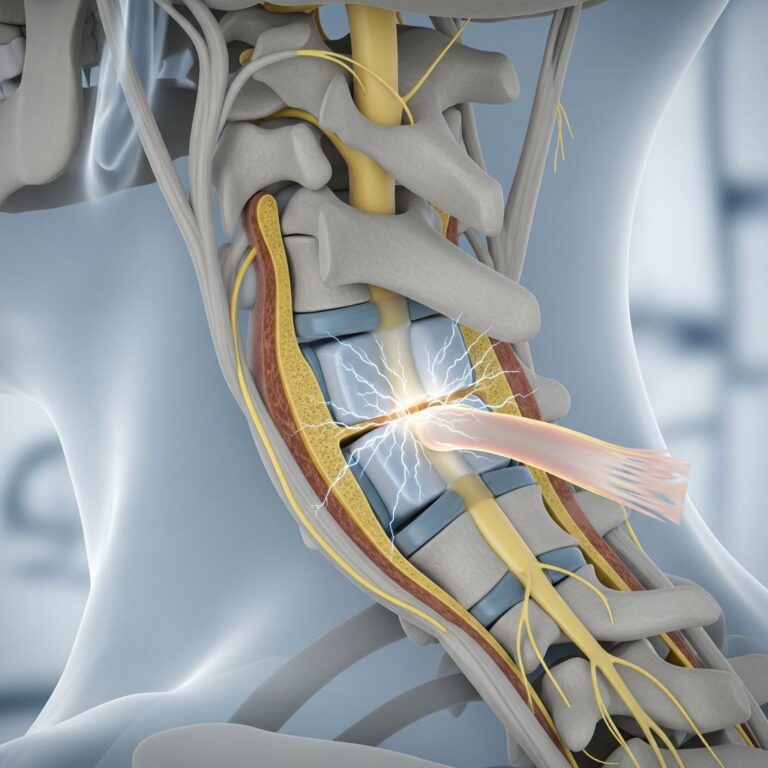
Third-Degree Burns: Severity, Treatment & Recovery
Comprehensive guide to understanding third-degree burns and urgent medical care requirements.
Understanding Third-Degree Burns
A third-degree burn is one of the most serious types of burn injuries you can sustain. This type of burn destroys the top three layers of your skin—the epidermis, dermis, and hypodermis (the fatty tissue beneath your skin)—along with deeper structures like sweat glands, hair follicles, and nerve endings. Unlike minor burns that you might treat at home, a third-degree burn requires immediate emergency medical attention and professional healthcare intervention.
Third-degree burns are classified as full-thickness burns because they penetrate completely through all layers of skin. The severity of this injury often catches people off guard because, counterintuitively, you may not feel immediate pain. This absence of pain sensation can be deceptive and may cause someone to underestimate the seriousness of their injury. However, the lack of pain is actually a sign of the burn’s severity—it occurs because the burn has destroyed the nerve endings in the affected area.
What Are the Characteristics of Third-Degree Burns?
Identifying a third-degree burn correctly is crucial for ensuring you seek appropriate medical care immediately. Third-degree burns have distinctive visual and physical characteristics that set them apart from less severe burns.
Visual Appearance
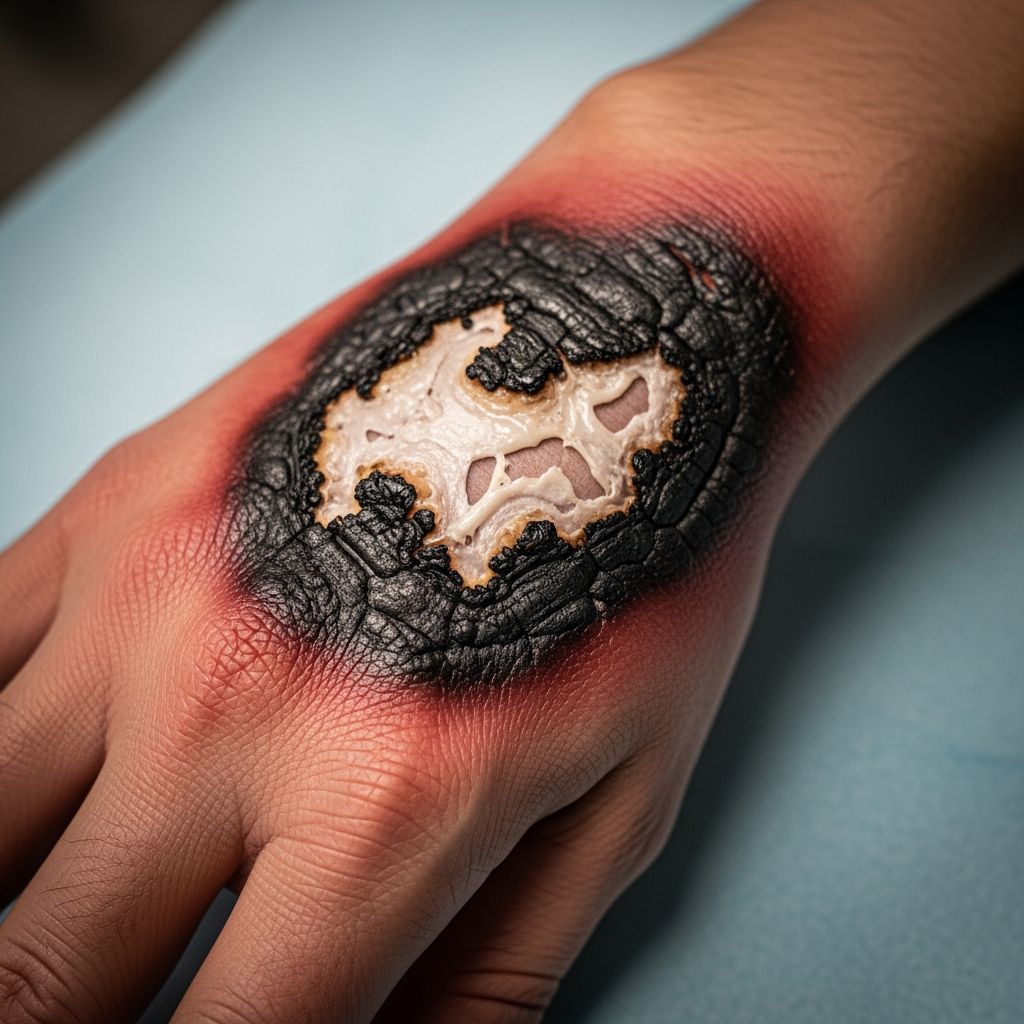
The most recognizable feature of a third-degree burn is its appearance. The burned skin typically appears charred-black, white, or leathery in texture. The skin has a dry quality and may look almost mummified or carbonized. These visual markers are far different from the red, blistered appearance of first- and second-degree burns.
The Blanching Test
One diagnostic test healthcare providers use involves the blanching response. When you press on a first- or second-degree burn, the skin temporarily turns white (blanches) before returning to its original color. However, with a third-degree burn, the affected skin will not blanch or turn white when pressed. This non-blanching characteristic is a key indicator of a full-thickness burn.
Surrounding Damage
While the deepest part of a third-degree burn shows charred or white skin, the surrounding area often displays features consistent with second-degree burns. This creates a visible gradient of damage, with the most severe injury at the center and progressively less severe damage at the periphery.
Common Locations and Causes of Third-Degree Burns
Where Third-Degree Burns Occur
Third-degree burns can happen anywhere on your body, but they most commonly affect:
– Hands and fingers- Arms and forearms- Chest and torso- Legs and feet- Face and neck- Back
What Causes Third-Degree Burns?
The same sources that cause first- and second-degree burns can produce third-degree burns. The key difference is the intensity of the heat source or the duration of exposure. A brief contact with a moderately hot surface causes a first-degree burn, prolonged contact causes a second-degree burn, and intense heat or extended exposure causes a third-degree burn.
Related Stories



Common causes of third-degree burns include:
– Exposure to open flames from fires, bonfires, or burning clothing- Contact with boiling liquids or steam under pressure- Contact with extremely hot surfaces such as stovetops, ovens, or hot metal objects- Electrical burns from high-voltage sources- Chemical burns from corrosive substances- Severe friction burns- Prolonged sun exposure in extreme cases
Damage Beyond the Skin
While the skin damage is obvious in third-degree burns, the injury extends far beyond cosmetic concerns. When a third-degree burn destroys the epidermis, dermis, and hypodermis, it also damages critical structures embedded in these layers:
– Sweat glands, which regulate body temperature- Hair follicles- Nerve endings, leading to numbness and loss of sensation- Blood vessels, which can affect circulation and fluid loss
The destruction of sweat glands is particularly significant because the body loses its ability to regulate temperature in the burned area. The loss of nerve endings means the affected area will have decreased or absent sensation permanently. Additionally, severe burns can lead to systemic complications including shock, fluid loss, and infection.
Why Immediate Emergency Care Is Critical
If you sustain a third-degree burn, visiting an emergency department is non-negotiable. Third-degree burns are medical emergencies that can be life-threatening if left untreated. Several complications can develop rapidly:
– Shock from fluid loss and systemic response to severe injury- Severe infections that can progress to sepsis- Electrolyte imbalances- Respiratory complications if the burn affects the face or airway- Hypothermia from loss of skin’s protective function
The absence of pain should never be reassuring. Instead, it should serve as a red flag that prompts immediate emergency care. Do not attempt to treat a third-degree burn at home—professional medical intervention is absolutely essential.
Treatment Options for Third-Degree Burns
Treatment for third-degree burns varies based on the size, location, and depth of the burn. Healthcare providers use a comprehensive approach tailored to your specific injury.
Professional Treatment Methods
The primary treatment approaches include:
– Skin grafting procedures to replace destroyed skin with healthy skin from unburned areas (autografting) or synthetic alternatives- Application of synthetic skin or biological dressings- Intravenous (IV) fluids to replace fluids lost through the damaged skin and prevent shock- IV antibiotics to prevent or treat infections- Pain management with prescription medications- Wound cleaning and debridement (removal of dead tissue)- Tetanus vaccination or booster if needed
Antibiotic Treatment
Silver sulfadiazine cream is commonly used as an antibiotic medication for treating second- and third-degree burns. This topical antibiotic helps prevent infection while the wound heals. Healthcare providers may also prescribe other antibiotic creams or ointments depending on the burn’s characteristics and healing progress.
Advanced Wound Care
For extensive third-degree burns covering large body surface areas, more intensive interventions become necessary. These may include multiple surgical procedures, specialized burn center care, nutritional support, and psychological counseling to address trauma and adjustment.
Healing and Recovery Timeline
The healing timeline for third-degree burns varies significantly based on the burn’s size and location. Small third-degree burns may take at least three weeks to begin healing, though complete healing takes much longer. Larger third-degree burns can require months or even a couple of years for full recovery.
Several factors influence healing time:
– Size of the burned area- Location of the burn (face heals differently than limbs)- Age of the patient- Overall health status- Adherence to medical treatment and wound care instructions- Presence of infections or complications
Recovery from third-degree burns is not just physical. Patients often face significant psychological challenges, including trauma from the injury, pain management during recovery, and adjustment to permanent changes in appearance and function.
Will Third-Degree Burns Leave Scars?
Yes, third-degree burns will almost certainly result in scarring. The destruction of all skin layers means the body cannot simply regenerate new skin; instead, it forms scar tissue during healing. However, the appearance and severity of scarring can be minimized through proper wound care and professional treatment.
Following your healthcare provider’s specific instructions for burn care can result in smaller, less noticeable scars than might otherwise develop. Scars can fade over time, and various treatments—including silicone gel products, pressure garments, laser therapy, and surgical revision—can improve their appearance. Your healthcare provider can discuss these options as your wound progresses through healing.
Burn Prevention Strategies
While third-degree burns are serious medical emergencies, many are preventable with awareness and safety precautions. To reduce your risk of burns or minimize their severity:
– Install and maintain smoke detectors in your home- Keep a fire extinguisher accessible in the kitchen- Establish an emergency escape plan for fire situations- Use caution around hot liquids—keep pots and pans turned inward on the stove- Supervise children around heat sources- Test water temperature before bathing- Wear appropriate protective clothing when handling chemicals or near open flames- Keep electrical cords and appliances in good condition- Avoid smoking in bed or when drowsy- Use sunscreen and protective clothing during extended sun exposure
When to Seek Emergency Care
If you’re unsure whether your burn is a third-degree burn, err on the side of caution and seek emergency medical care. However, you should definitely go to the emergency room if:
– The burn appears black, white, or charred- The skin doesn’t blanch when pressed- The burn covers a large area- The burn is on your face, hands, feet, genitals, or joints- You experience signs of shock (cool, clammy skin, weak pulse, shallow breathing)- You have any doubts about the severity
Don’t attempt home treatment for suspected third-degree burns. The risk of infection, improper management, and systemic complications is too high. Professional medical evaluation and treatment are essential.
First Aid Before Emergency Care
While awaiting emergency care, you can take certain actions to minimize further damage:
– Stop the burning process immediately by removing yourself from the heat source- Remove any clothing soaked in hot liquid or burning material, unless it’s stuck to your skin- Do not apply ice directly to the burn- Do not attempt to remove stuck clothing- Do not apply ointments, oils, or home remedies- Cover the burn loosely with a clean, dry cloth- Monitor for signs of shock
The key is to stop the burning process and prevent further contamination while getting professional help as quickly as possible.
Frequently Asked Questions
Q: Will I feel pain from a third-degree burn?
A: Ironically, you may not feel immediate pain from a third-degree burn because the burn has destroyed the nerve endings in that area. However, surrounding tissue and the healing process can cause significant pain. Don’t use the absence of pain as a reason to delay emergency care—it’s actually a sign of a severe burn.
Q: How is a third-degree burn different from a second-degree burn?
A: A second-degree burn damages the epidermis and part of the dermis, while a third-degree burn destroys all three skin layers (epidermis, dermis, and hypodermis) plus deeper structures. Third-degree burns don’t blanch when pressed, appear charred or white, and require emergency medical care.
Q: Can third-degree burns be treated at home?
A: No. Third-degree burns are medical emergencies that must be treated by healthcare professionals in a hospital or burn center. Attempting home treatment can result in serious complications including infection, shock, and permanent functional impairment.
Q: How long does a third-degree burn take to heal?
A: Small third-degree burns may take at least three weeks to begin healing, though complete recovery takes much longer. Larger burns can take months or years to heal completely. Your healthcare provider can give you a more specific timeline based on your particular injury.
Q: What are the main complications of third-degree burns?
A: Major complications include shock from fluid loss, life-threatening infections, scarring, loss of function in the affected area, and psychological trauma. These risks make immediate professional medical care absolutely essential.
Q: Can skin grafting fully restore burned skin?
A: Skin grafting can restore the skin’s protective barrier and improve function and appearance, but it cannot perfectly replicate natural skin. Grafted skin typically differs in color, texture, and sensation from surrounding unburned skin, though results continue to improve with time and additional treatments.
References
- 3rd-Degree Burn: What It Is, Treatment & Healing — Cleveland Clinic. 2024. https://my.clevelandclinic.org/health/symptoms/24531-third-degree-burn
- First Aid for First-, Second- and Third-Degree Burns — Cleveland Clinic. 2024. https://health.clevelandclinic.org/how-to-treat-a-burn
- Burn Pain Symptoms & Treatment — Cleveland Clinic Abu Dhabi. 2024. https://www.clevelandclinicabudhabi.ae/en/health-hub/health-resource/diseases-and-conditions/burn-pain
- Burns: First aid — Mayo Clinic. 2024. https://www.mayoclinic.org/first-aid/first-aid-burns/basics/art-20056649
- Silver Sulfadiazine Cream: Burn Treatment — Cleveland Clinic. 2024. https://my.clevelandclinic.org/health/drugs/18830-silver-sulfadiazine-skin-cream
Similar Articles








Read full bio of Sneha Tete