This Is How Much Protein You Need Every Day
Discover your daily protein needs based on age, activity, and health goals for optimal muscle health and wellness.
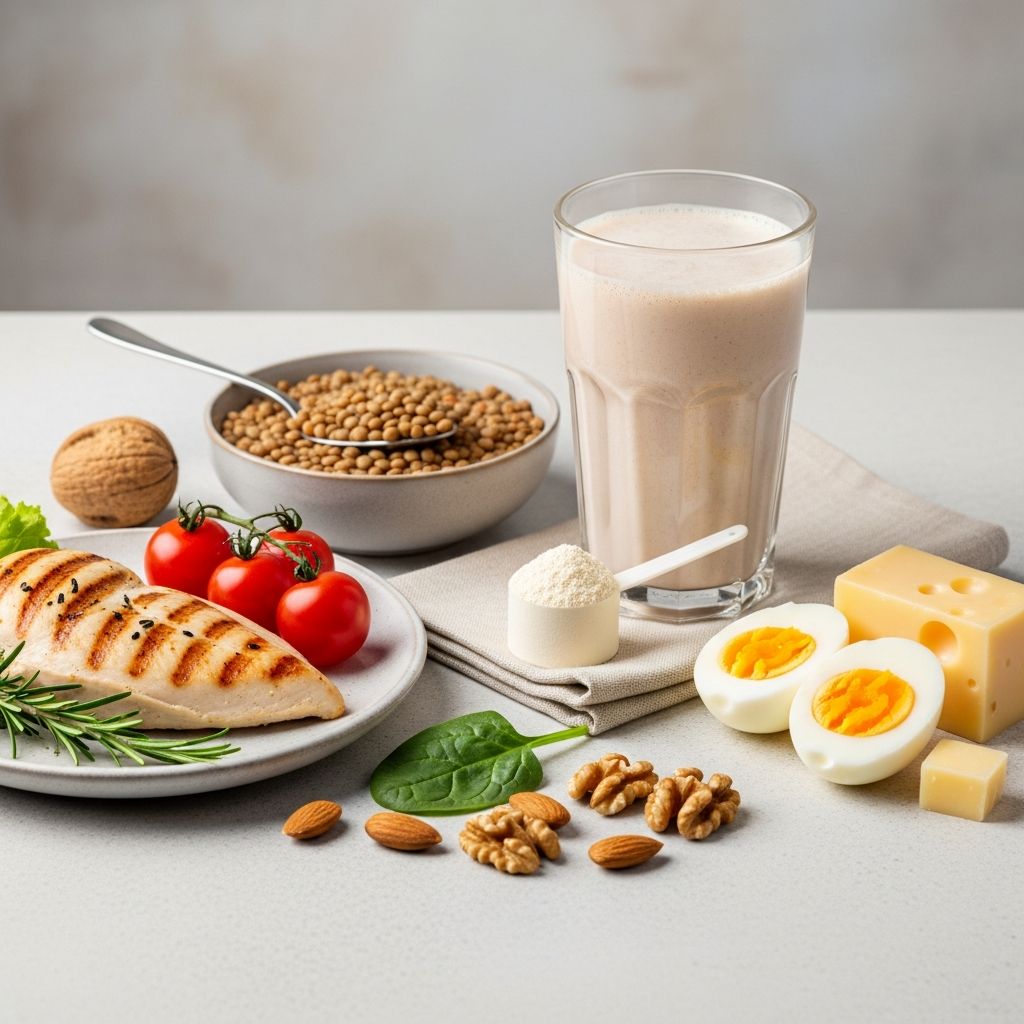
Protein is an essential macronutrient crucial for building and repairing tissues, supporting immune function, and maintaining muscle mass. The amount you need varies by age, sex, activity level, and health status, but official guidelines provide a clear starting point.
How Much Protein Do Healthy Adults Need?
The Recommended Dietary Allowance (RDA) for protein in healthy adults with minimal physical activity is
0.8 grams per kilogram of body weight per day
. For a 150-pound (68 kg) person, this equals about 54 grams daily.This RDA, set by the National Academy of Medicine, ensures nitrogen balance and meets basic needs. It translates to roughly 7 grams of protein per 20 pounds of body weight—or 50 grams for a 140-pound person and 70 grams for a 200-pound individual.
Protein should comprise
10-35% of total daily calories
, with 1 gram providing 4 calories. On a 2,000-calorie diet, that’s 50-175 grams.Protein Needs for Different Activity Levels
While the RDA covers sedentary adults, higher intakes support optimal health and performance:
- Minimal activity: 1.0 g/kg/day
- Moderate activity: 1.3 g/kg/day
- Intense activity (e.g., athletes): 1.6 g/kg/day
Up to 2.0 g/kg/day is safe long-term for healthy adults, with a tolerable upper limit of 3.5 g/kg/day.
For muscle building, 1.6 g/kg/day maximizes gains during resistance training. Physically active individuals, including those with demanding jobs or endurance sports, require more to repair tissues and fuel recovery.
Protein Requirements Across Life Stages
Pregnancy and Breastfeeding
Pregnant individuals need about
70 grams daily
(10-35% of calories) to support fetal growth and maternal tissue expansion, per USDA guidelines.Older Adults
Aging increases needs to
1.0-1.2 g/kg/day
(0.45-0.54 g/lb) to combat sarcopenia (muscle loss) and osteoporosis. Higher protein helps preserve strength and mobility.Children and Teens
Kids require more protein relative to body weight for growth:
| Age Group | Protein (g/day) |
|---|---|
| 1-3 years | 13 |
| 4-8 years | 19 |
| 9-13 years | 34 |
| 14-18 years (boys) | 52 |
| 14-18 years (girls) | 46 |
These RDAs scale with size and development needs.
Why More Protein Can Be Beneficial
Weight Loss
High-protein diets boost metabolism, curb appetite, and preserve muscle during calorie deficits. A 2020 meta-analysis showed greater weight loss and reduced regain risk with elevated protein.
Muscle Gain and Strength
Protein supplementation at 1.6 g/kg/day enhances muscle size and strength post-weight training.
Overall Health
Adequate intake supports bones, immunity, and cellular repair. Plant proteins link to lower heart disease risk due to unsaturated fats and no cholesterol.
Complete vs. Incomplete Proteins
**Complete proteins** contain all nine essential amino acids (e.g., meat, eggs, dairy, soy, quinoa).
Incomplete
ones (most plants) lack some but complement each other—rice with beans, for example.Vegans can meet needs via variety: quinoa, chia, legumes, nuts. Complete vegan powders help too.
Animal sources often provide higher-quality protein for growth and health.
Best Protein Sources
Incorporate these high-quality options:
Related Stories



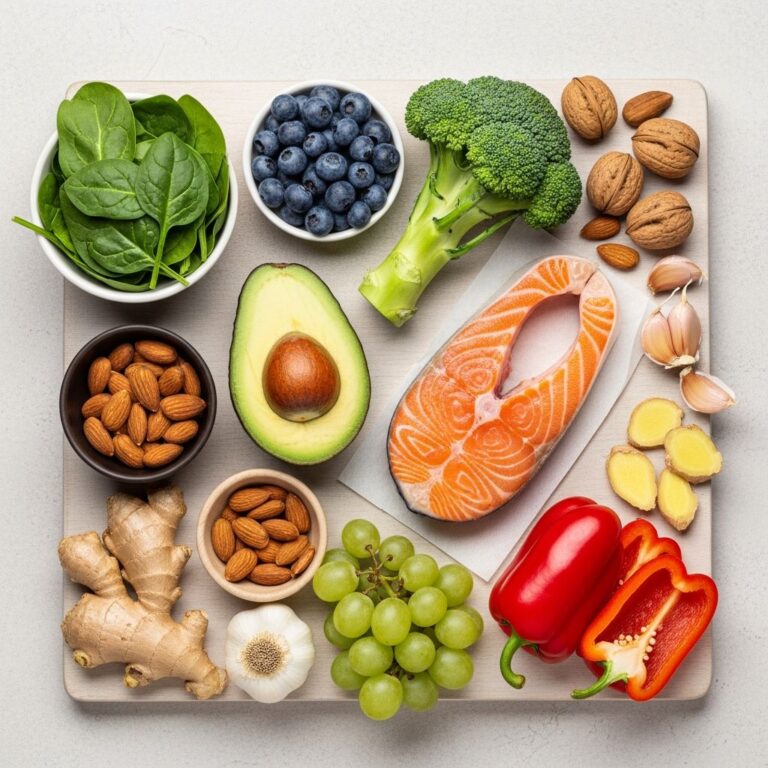
- Animal-based: Lean meats, poultry, fish, eggs, Greek yogurt, milk
- Plant-based: Tofu, tempeh, legumes (beans, lentils), quinoa, nuts, seeds
Prioritize poultry, seafood, and eggs over red meat for heart health. Plant proteins benefit the planet too.
No need to track if eating balanced meals with quality sources—most hit optimal ranges effortlessly.
Potential Risks of Excess Protein
Chronic intake above 2 g/kg/day may strain kidneys, digestion, or vessels in some, though 3.5 g/kg is tolerable for adapted adults. Healthy kidneys handle higher amounts safely.
Practical Tips to Meet Your Needs
- Add protein to every meal: eggs at breakfast, yogurt snacks, fish dinners.
- Combine plants: hummus with veggies, peanut butter on whole grain.
- Aim higher if active or aging—err toward more for benefits without harm.
Frequently Asked Questions
What’s the minimum protein intake for adults?
The RDA is 0.8 g/kg body weight daily, or about 46-56 grams for average adults.
Do I need more protein if I exercise?
Yes—1.2-2.0 g/kg for moderate to intense activity supports recovery and gains.
Is too much protein harmful?
Up to 2 g/kg/day is safe; monitor if you have kidney issues.
Can vegetarians get enough complete protein?
Yes, via diverse plants like quinoa, soy, or combinations.
How much protein for weight loss?
Higher intake (25-30% calories) aids satiety and muscle retention.
References
- Dietary protein intake and human health — PubMed. 2016-01-28. https://pubmed.ncbi.nlm.nih.gov/26797090/
- Protein Intake — How Much Protein Should You Eat per Day? — Healthline. 2023-10-12. https://www.healthline.com/nutrition/how-much-protein-per-day
- Protein – The Nutrition Source — Harvard T.H. Chan School of Public Health. 2024-05-15. https://nutritionsource.hsph.harvard.edu/what-should-you-eat/protein/
- Protein in diet — MedlinePlus. 2024-08-01. https://medlineplus.gov/ency/article/002467.htm
Similar Articles








Read full bio of Sneha Tete