This Is What Cold Weather Does to Your Heart
Discover how winter chills strain your heart, raising risks of attacks and angina—plus vital tips to stay safe.
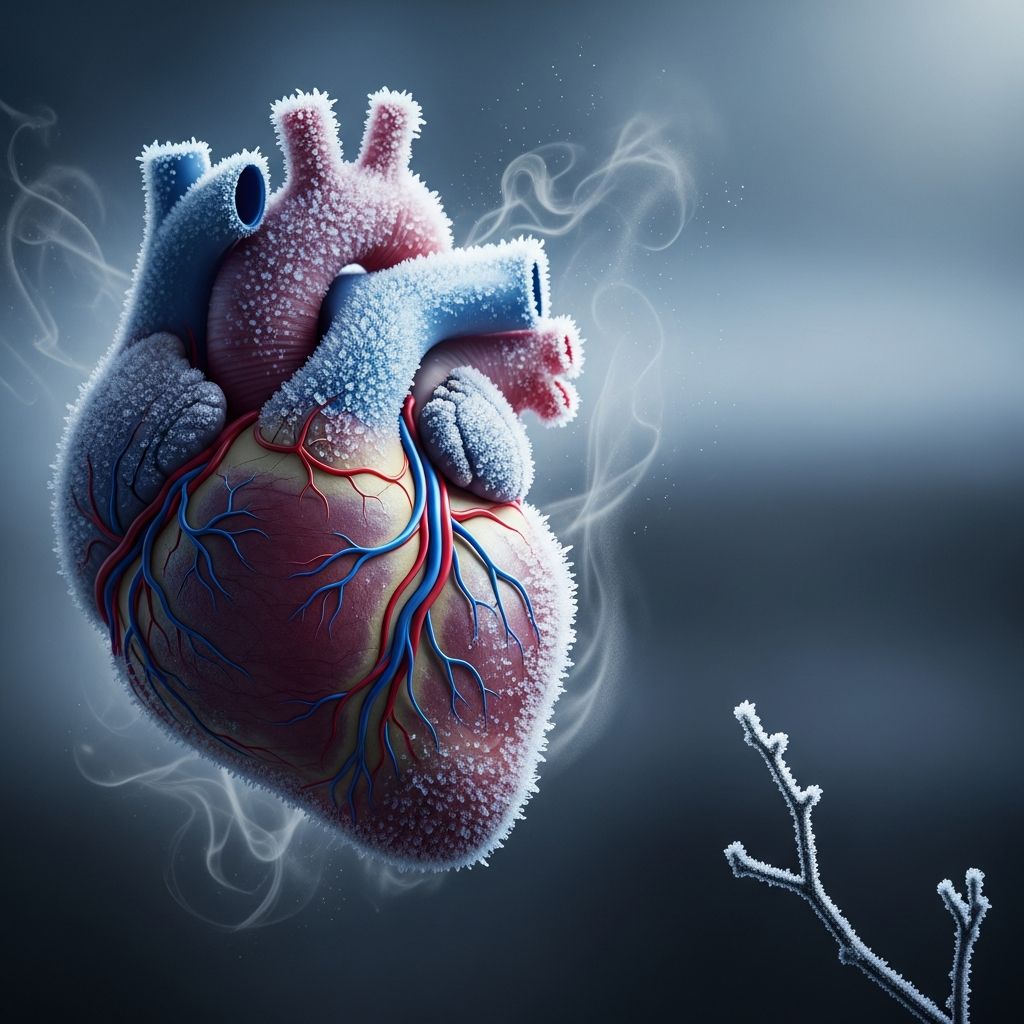
Cold weather poses significant risks to cardiovascular health, primarily through physiological responses like vasoconstriction that increase blood pressure and heart workload. Studies show hospital admissions for heart attacks rise after cold exposure, peaking 2-6 days later.
How does cold weather affect your heart?
When temperatures drop, your body activates mechanisms to conserve heat, but these strain the heart. Blood vessels narrow (vasoconstriction) to reduce heat loss from the skin, fingers, and toes, redirecting blood to vital organs. This raises blood pressure as the heart pumps harder against constricted vessels.
The heart rate also increases to maintain warmth, demanding more oxygen. For those with heart conditions, this extra workload can lead to cardiac ischemia—insufficient oxygen to the heart muscle—causing chest pain, shortness of breath, or even heart attacks. Cold exposure triggers stress hormones, thickens blood (increasing clotting risk), and elevates cholesterol in winter months.
Research from Sweden links short-term cold spells to higher myocardial infarction (MI) risks, including STEMI and NSTEMI, with effects delayed 2-6 days possibly due to initial behavioral changes like staying indoors. Winter sees peaks in cardiac events: angina, arrhythmias, heart failure, strokes, and sudden deaths.
Why is cold weather bad for people with heart disease?
Individuals with coronary artery disease (CAD), hypertension, or heart failure face amplified risks. Cold narrows peripheral arteries, surging blood pressure and stressing the heart. In CAD patients, reduced coronary vasodilation fails to match heightened oxygen demand, risking ischemia and angina.
Winter mortality from cardiovascular disease rises 20-30% in temperate climates, linked to cold-induced strain. Hypertensives may see systolic blood pressure exceed 200 mmHg during facial cold exposure. Combined with exercise in cold, responses potentiate: higher rate-pressure product (heart rate × systolic BP) worsens supply-demand mismatch.
- Vasoconstriction: Narrows arteries, elevates BP.
- Blood thickening: Raises clot risk for MI or stroke.
- Cholesterol rise: Promotes plaque buildup.
- Reduced activity: Worsens sedentary risks.
Symptoms to watch out for
Monitor for cold-exacerbated signs, especially during outdoor activity. Seek immediate help for:
- Chest pain or discomfort (angina), often triggered by cold air or wind.
- Shortness of breath or unusual fatigue.
- Arrhythmias like atrial fibrillation.
- Swelling in legs (heart failure sign).
- Sudden severe pain suggesting MI or aortic issues.
People with existing conditions report more angina and dyspnea in winter. A drop in body temperature by just 2°C heightens clotting risks.
How can you protect your heart in cold weather?
Proactive steps mitigate risks. Layer clothing to trap heat, covering extremities. Limit outdoor time during extreme cold; warm up before exercise.
| Risk Factor | Protection Strategy |
|---|---|
| High BP | Monitor daily; take meds as prescribed. |
| Shoveling snow | Avoid or take frequent breaks; use ergonomic tools. |
| Clotting | Stay hydrated; avoid tobacco. |
| Sedentary winter | Indoor exercise like walking or yoga. |
Maintain medications, eat heart-healthy foods (limit comfort fats), and get flu shots to prevent respiratory strain on the heart. Behavioral changes like staying indoors initially reduce acute exposure but aren’t long-term solutions.
Related Stories



Does cold weather affect cholesterol?
Yes, studies indicate cholesterol levels rise in colder months, constricting arteries and promoting plaque. Winter diets heavy in comfort foods and reduced activity exacerbate this, heightening heart disease risk.
Is shovelling snow bad for your heart?
Shoveling is notoriously risky, combining cold-induced vasoconstriction with intense isometric exercise. This spikes heart rate, BP, and oxygen demand, mimicking a stress test—dangerous for CAD patients. Many heart attacks follow snow shoveling; opt for blowers or help from others.
Can you exercise in cold weather?
Yes, but cautiously. Cold amplifies exercise strain: higher BP, heart rate, and myocardial oxygen needs. Warm up indoors, dress in layers (moisture-wicking base, insulating mid, windproof outer), cover mouth/nose against cold air inhalation (which impairs coronary flow). Stop if angina occurs; those with cold intolerance may need pacing adjustments.
Frequently Asked Questions (FAQs)
Why do heart attacks peak in winter?
Cold triggers vasoconstriction, hypertension, clotting, and flu outbreaks, peaking MI 2-6 days post-exposure.
Who is most at risk from cold weather?
Those with CAD, hypertension, heart failure, or prior MI; elderly and sedentary individuals.
How long after cold exposure do risks rise?
Effects lag 2-6 days for MI hospitalization, despite initial indoor protection.
Does wind or humidity worsen effects?
Yes, wind accelerates heat loss, wet cold intensifies vasoconstriction.
Can medications help during cold snaps?
Beta-blockers or antiplatelets may mitigate strain, but consult doctors; don’t alter doses.
Understanding these mechanisms empowers better winter heart protection. Targeted interventions post-cold spells are crucial for vulnerable groups.
References
- Cold Weather Exposure Linked to Increased Risk of Heart Attacks — American College of Cardiology. 2024-09-02. https://www.acc.org/About-ACC/Press-Releases/2024/09/02/10/31/Cold-Weather-Exposure
- How Cold Weather Can Impact Your Heart Health — Tufts Medicine. 2024. https://www.tuftsmedicine.org/about-us/news/how-cold-weather-can-impact-your-heart-health
- How Cold Weather Can Be Tough for Your Heart — Catholic Health. 2024. https://www.catholichealthli.org/blog/how-cold-weather-can-be-tough-your-heart
- How Can Cold Weather Affect Your Heart? — NewYork-Presbyterian Health Matters. 2024. https://healthmatters.nyp.org/how-can-cold-weather-affect-your-heart/
- How cold weather affects your heart — British Heart Foundation. 2024. https://www.bhf.org.uk/informationsupport/support/practical-support/will-cold-weather-affect-my-heart-condition
- Cardiovascular diseases, cold exposure and exercise — PMC / National Library of Medicine. 2018-10-11. https://pmc.ncbi.nlm.nih.gov/articles/PMC6204981/
- Cold Weather and Cardiovascular Disease — American Heart Association. 2024. https://www.heart.org/en/health-topics/consumer-healthcare/what-is-cardiovascular-disease/cold-weather-and-cardiovascular-disease
Similar Articles








Read full bio of medha deb